Axios Denver

September 11, 2026



Welcome to Friday.
🌤️ Today's weather: Mostly sunny, with a high of 92.
✡️ Situational awareness: Happy Rosh Hashanah to those celebrating. Shanah tovah!
Today's newsletter is 967 words — a 3.5-minute read.
1 big thing: When DIA went silent
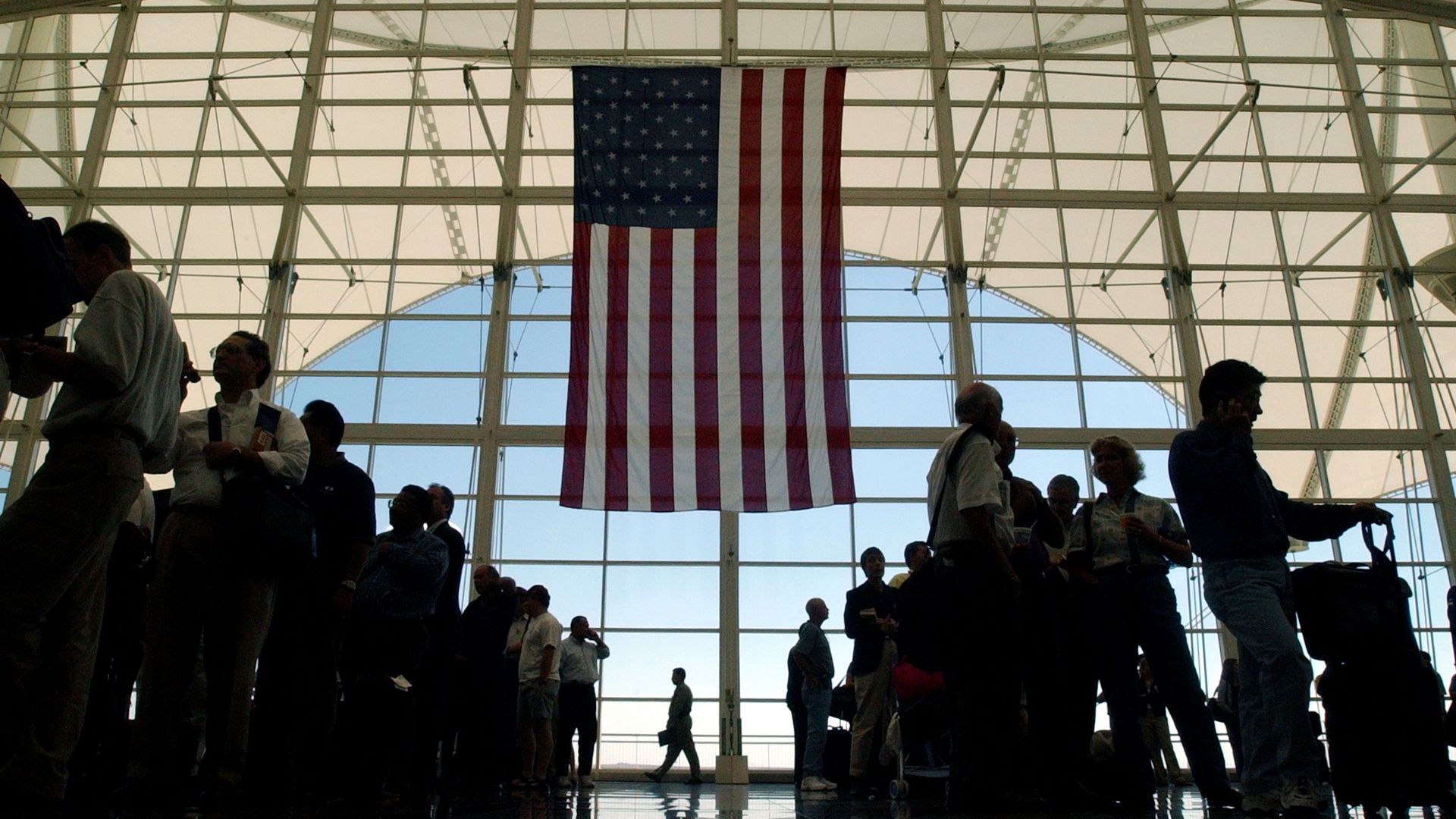
Twenty-five years ago, Mark Nagel walked outside DIA and heard something he'd never heard there before: almost nothing.
- The roar of jet engines and ground vehicles vanished. All he could hear were military planes flying around Buckley.
- "It was very eerie," Nagel, now DIA's interim chief operating officer, tells Axios.
Why it matters: The Sept. 11 terrorist attacks transformed DIA in mere hours — and permanently rewrote the rules for how Americans fly.
Flashback: Nagel, who's worked at DIA for 35 years, was acting security director that Tuesday while his boss was at a conference.
- He remembers thinking the day's big news would be Broncos receiver Ed McCaffrey breaking his leg during "Monday Night Football."
- Shortly before 7am, he got a call that a plane had crashed into the World Trade Center.
- Nagel rushed to the airport, where he and the FAA's security manager began working through emergency plans as information trickled in.
What happened: The FAA issued the first nationwide ground stop in U.S. history and ordered thousands of aircraft to land.
- Around 8am, DIA closed.
- Police blocked Peña Boulevard; passengers were evacuated; and diverted aircraft piled up around the airport.
- By 2pm, the airport was "a ghost town," Nagel says.
- DIA wouldn't resume commercial flights for days.
The big picture: Americans returned to airports later that week to find the rules of flying had transformed.
- "We know everybody that works at the airport and we know everybody that's getting on an aircraft more so than we ever did before," Nagel says.
By the numbers: Nagel estimates hundreds of millions of dollars have been invested in security technology at DIA over the past 25 years.
- That's allowed the airport to shift toward intelligence- and risk-based security, he says.
What we're watching: Cyberattacks, artificial intelligence and drones are among today's emerging risks. But what worries Nagel most is whatever comes next.
- "We don't know what we don't know."
2. Lawmakers: How 9/11 shaped their careers

Fifteen-year-old Gabe Evans watched the carnage unfold at home in Colorado. In Wisconsin, college senior Jason Crow saw the attacks on TV — and made a life-altering choice.
Why it matters: The Sept. 11 attacks helped propel both future Colorado congressmen toward military service, shaping careers that would eventually carry them from combat zones to Capitol Hill.
- Both served in the U.S. Army and National Guard and deployed to the Middle East.
Crow, a Democrat, says 9/11 prompted him to seek active-duty service. "I was unwilling to let other people go and do my fighting for me," he said in a video out today.
- Crow's roughly four-year military career included combat tours, and he earned a Bronze Star for his service.
Evans, a Republican, joined in 2007 and served 12 years. His family's military history — including a grandfather who served in World War II — drove his decision, with memories of 9/11 weighing on him.
- He signed up while in college, reaching the rank of captain while serving abroad and specializing as a UH-60 Black Hawk helicopter pilot.
Between the lines: Evans belongs to the bipartisan For Country Caucus, whose nearly 40 veteran members pledge not to campaign against one another.
- Crow, a former caucus co-chair, is no longer listed as a member and has publicly backed Evans' opponent.
Still, Evans says military service gives veterans in Congress common ground even when they disagree.
- "We all wore our country's uniform and nobody cared what your political party was," Evans tells us.
Crow strikes a similar tone, but goes a step further, questioning the legacy of wars that followed 9/11, saying the U.S. "should not be in an endless cycle of conflict."
- "I think we have to have a national conversation about it," Crow adds.
3. Mile Highlights: New sweet treat

🍨 Tiny Rino Treat House newly opened inside Denver Central Market as an extension of the nearby Izzio Bakery, serving frozen desserts and pastries. (Westword)
🐺 State wildlife officials killed another young wolf Wednesday for preying on livestock in Grand County — the third this week, Alayna reports.
🗳️ Denver sued the Trump administration alongside three civil rights groups to block ICE agents from polling places. (Denverite)
4. 💰 Budget woes ease
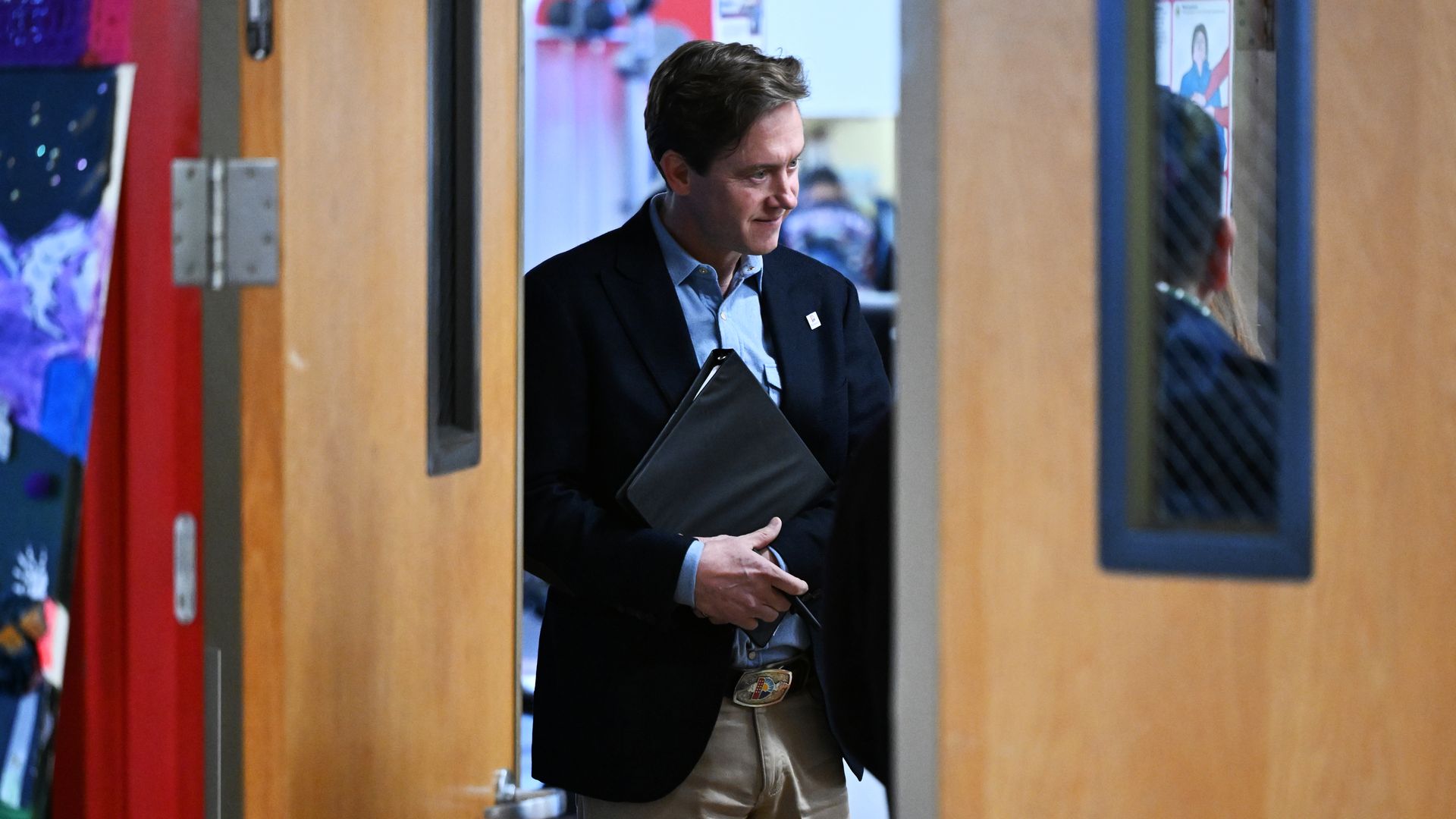
Denver's emerging from two years of budget cuts, with no layoffs planned for 2027 — but Mayor Johnston isn't rushing to restore what was lost.
Why it matters: His proposed budget, unveiled yesterday, marks a sharp turn from last year's "cuts to the bone" just as he launches his re-election campaign.
Johnston is proposing a $1.68 billion General Fund budget, up 1% from this year, roughly matching projected revenue growth.
Yes, but: The reductions largely aren't being restored. Johnston said departments permanently restructured after last year's $200 million-plus shortfall.
What he's saying: "We're happy to not be in crisis, but we're still going to be cautious," Johnston told Axios.
5. 🪶 Powwow at DAM

The Denver Art Museum's annual Friendship Powwow brings music, dance and art from the local and regional Indigenous community tomorrow.
Why it matters: The event offers a chance to learn about and celebrate Native culture, but also marks the debut of a dance regalia set made by acclaimed Dakota and Nakoda artists.
The vibe: The grand entry featuring powwow dancers begins at 11am inside the Sie Welcome Center and Sturm Grand Pavilion.
- There'll be hands-on activities, food and vendors selling jewelry, crafts and more.
If you go: Admission's free from 10am–5pm.
🗓️ John is OOO.
🛍️ Alayna is vintage shopping at the Trésorerie pop-up during the Highlands Farmers Market on Sunday.
🏃🏽♂️ Esteban is aiming for a PR at DIA's 5K on the Runway tomorrow (blame him for any early-morning delays).
Thanks to our editor, Gigi Sukin.
Sign up for Axios Denver
