Axios D.C.
May 17, 2026


👋 Hello, Sunday! Anna and Axios reporter Sami Sparber here, talking about unplugged spaces and "goatscaping."
🔍 Find these stories on our Homes Brief page.
🎂 Happy birthday to our members Christopher Nace, Mike Mihalke, John F Williams, Mike Mihalke, Kinney Zalesne, and Thao Sperling!
Today's newsletter is 959 words — a 3.5-minute read.
1 big thing: Homeowners go "analog"
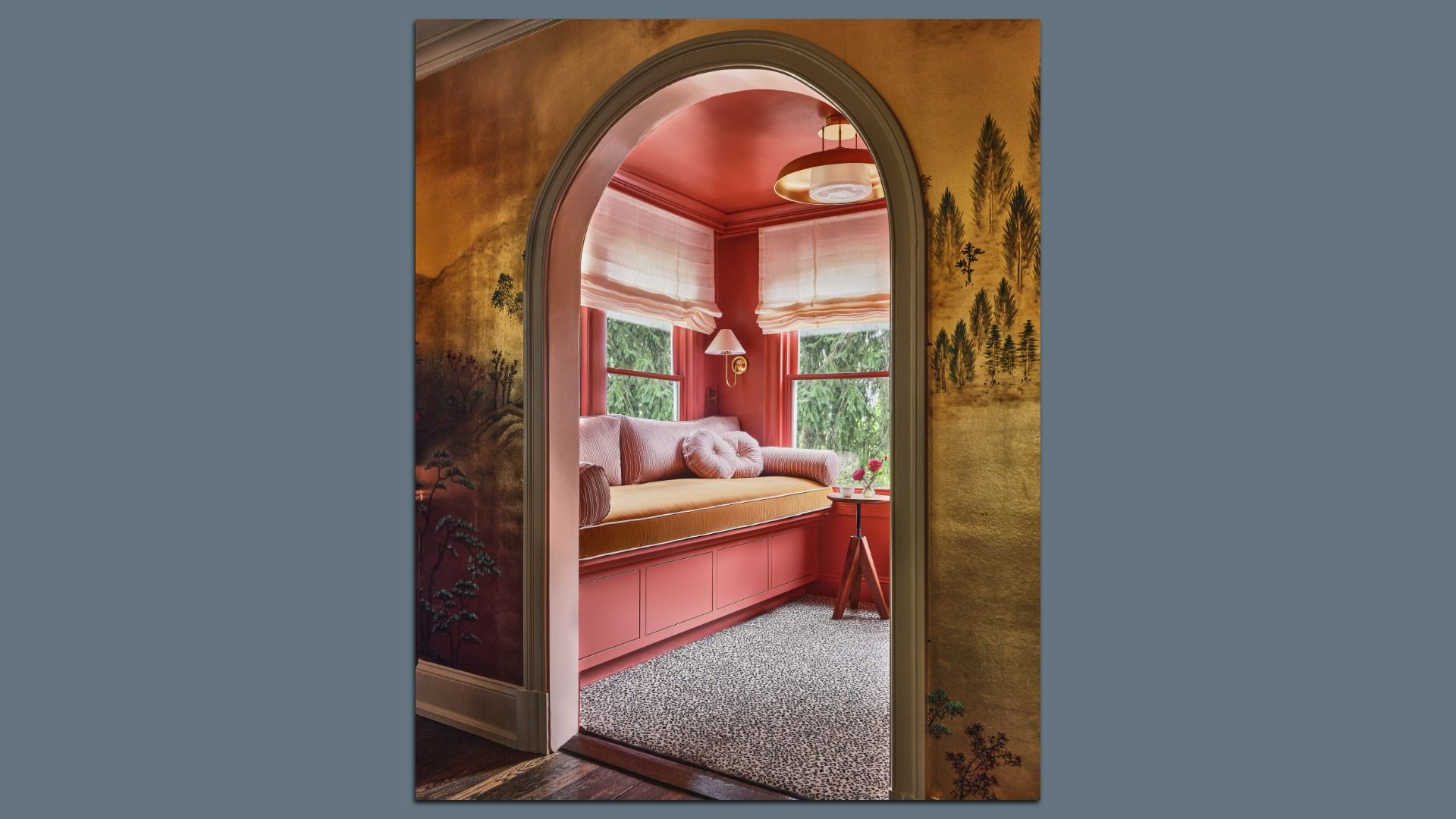
Move over, smart homes: Washingtonians want quiet spaces to escape constant stimulation from screens and notifications, designer Zoë Feldman tells Axios.
The big picture: More homeowners nationwide are creating "dumb homes," says Beth McGroarty, vice president of research at the Global Wellness Institute. It's part of a broader "analog wellness" movement.
By the numbers: Reading nooks are now being mentioned 48% more often in Zillow listings compared to a year ago, reflecting "the growing demand for unplugged relaxation at home," according to Zillow's 2026 Home Trends Report.
- Pinterest searches for "digital detox aesthetic" are up 95% over the past year, per the platform's 2026 Parenting Trend Report.
What they're saying: Clients asking for unplugged spaces crave "a different pace of living," Feldman says, "where they can land at the end of the day and feel held rather than pulled in a dozen directions."
- Feldman, herself, lived in a house with a pink sunroom filled with books, art supplies, toys and other analog items that "bring back a sense of presence."
- She moved out less than a year ago, but she remembers the space as a "soft landing zone … where my children could read and play, and where I spent so much time caring for them as babies."
Zoom in: D.C. homeowners James and Ellen Patterson turned their unfinished basement into an "analog room" for screen-free music, games and gatherings, James told the Wall Street Journal.
- Retro guitars, a turntable and a vinyl record collection fill the dark gray-green painted space designed by BarnesVanze Architects and Colman Riddell.
The bottom line: "Playing a game with family or doing your own little impromptu karaoke is just so much more joyful than getting on your phone and scrolling for 45 minutes," James said.
2. 🔌 Try these tips
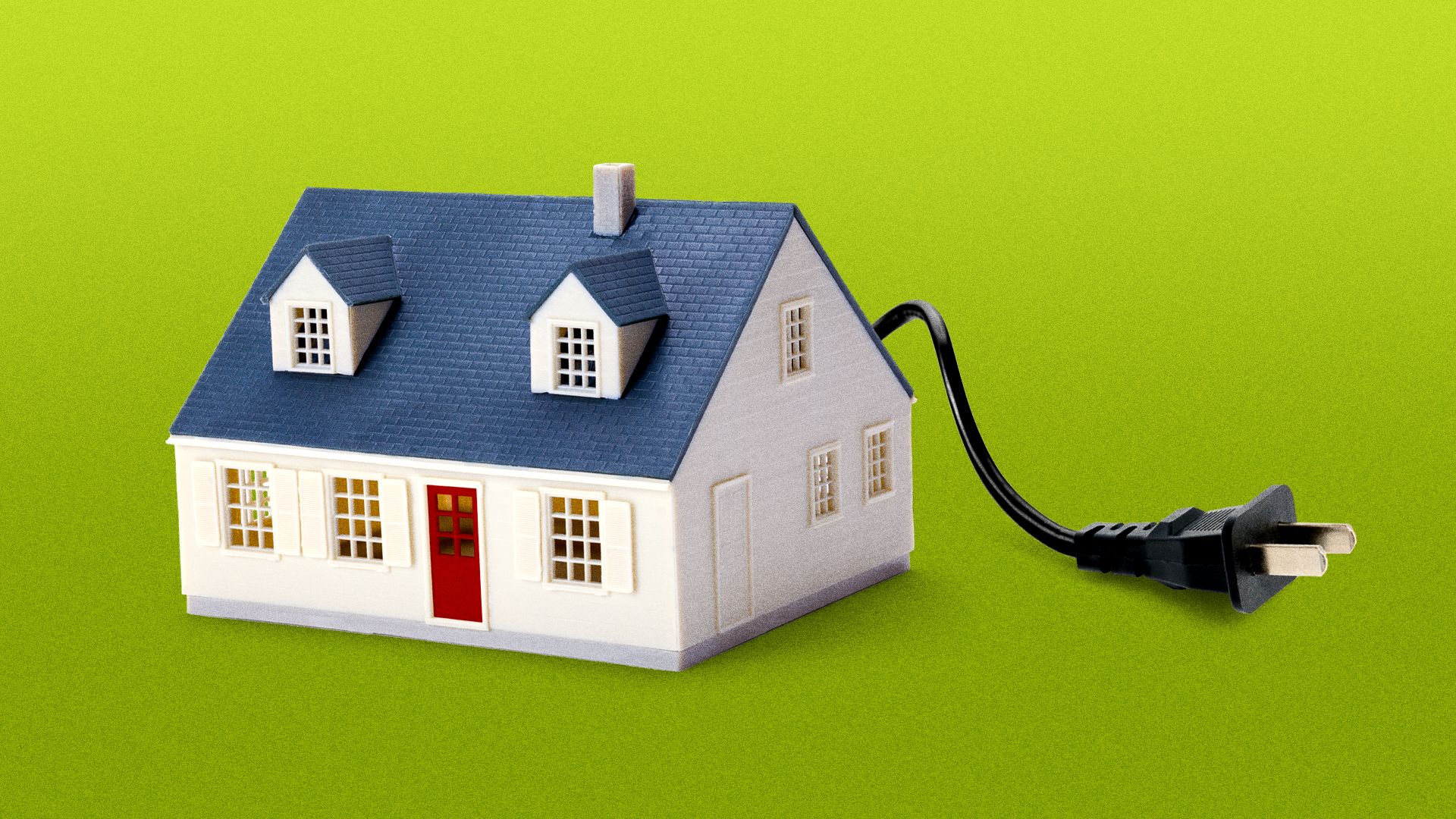
You don't need to renovate an entire room to join the slow-living trend.
- Start by editing one corner, D.C. designer Zoë Feldman says.
Why it matters: "When a space invites you to linger, even briefly, it starts to change how you move through your home."
Here are three edits Feldman suggests trying today:
- Turn off the overhead lighting.
- Add a lamp with a warm glow.
- Bring in something tactile, like a woven textile, a ceramic, or a stack of books.
The bottom line: The goal is to create a space that "feels human rather than optimized," Feldman says. Remove anything that doesn't help you get there.
3. Landlines still rare here
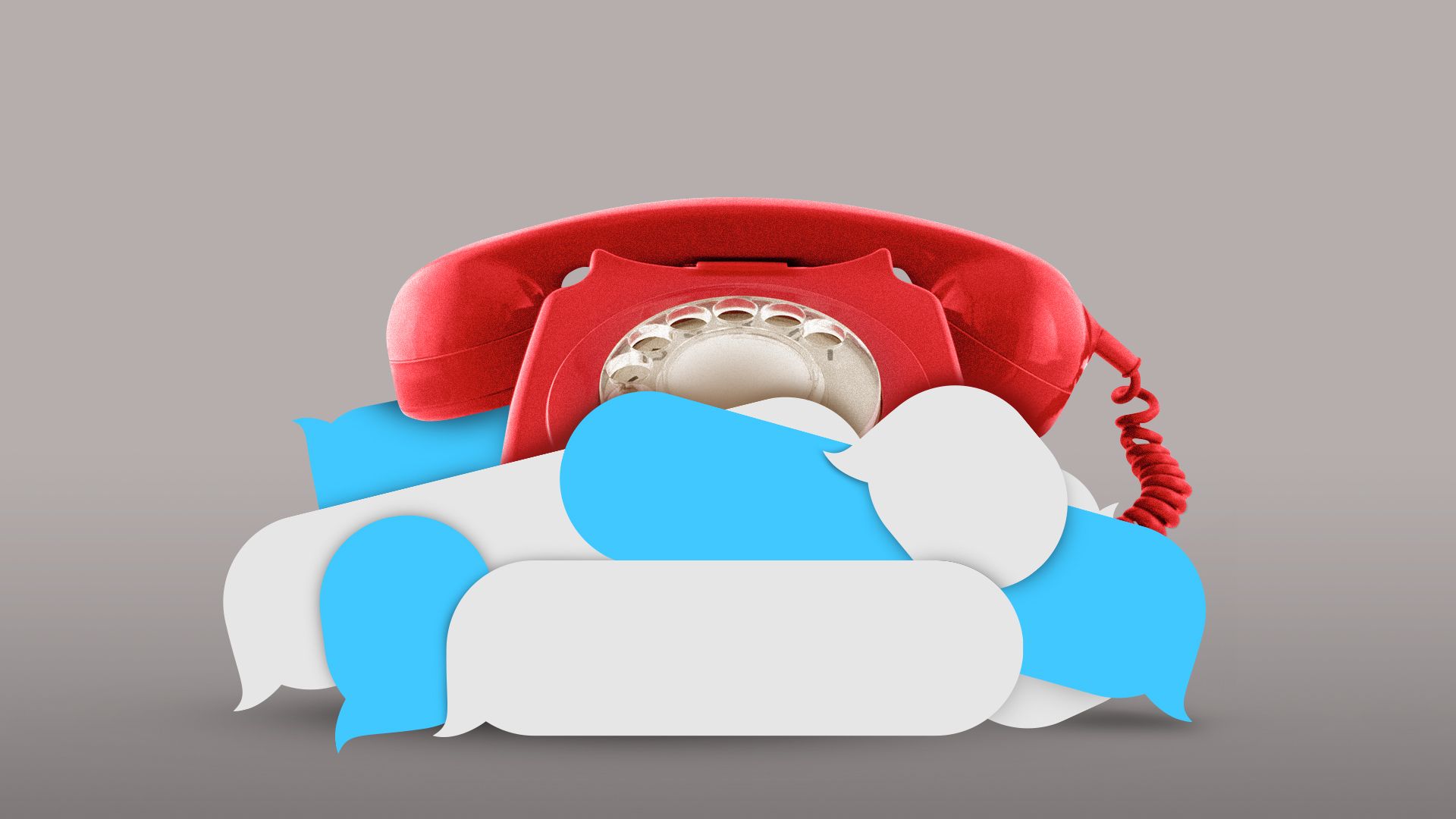
Landlines may be ringing again in some households — but they remain especially rare in D.C.
By the numbers: Nationwide, roughly 4 in 5 adults lived in homes with only cell service and owned a cell phone by the end of 2024, according to a federal survey.
- Adults in the South (81%), Midwest (80%) and West (79%) were more likely to be "wireless-only" than those in the Northeast (66%).
The big picture: Parents are adding landlines back to their homes to give their kids a way to chat with friends without their own smartphones, the Washington Post reports.
- Some Gen Zers have also embraced corded phones for an escape (and the aesthetic).
4. Rent goats and sheep to mow your lawn
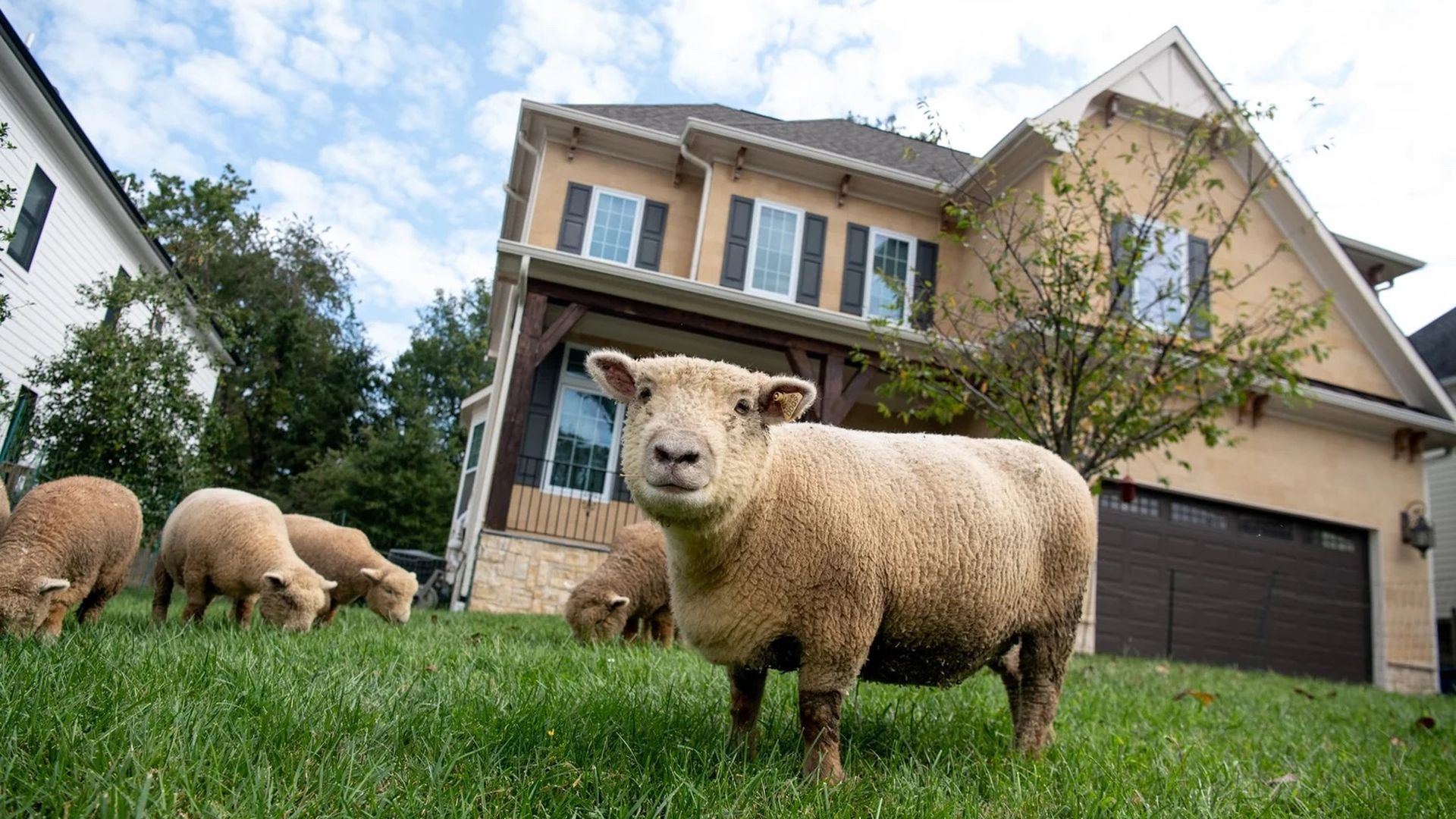
You've heard of manscaping. Now meet goatscaping: using goats and sheep to trim overgrown yards, clear brush and tackle weeds.
Why it matters: If you're tired of noisy, gas-guzzling mowers and chemical sprays, rental goats or sheep may be for ewe.
The big picture: Using animals to trim grass and clear vegetation is more biblical than new. But over the past two decades, targeted grazing has grown as a quieter, greener alternative to herbicides and machines.
- It's especially popular in wildfire-prone areas — an increasing concern in our region — as goats and sheep can clear thousands of pounds of dry, flammable vegetation a day and return it to the soil.
Zoom in: Virginia-based LambMowers.com services yards of all sizes in the DMV.
- Founder and chief shepherd Cory Suter keeps a flock of sheep and lambs that munch grass and invasive species starting at $195 for two hours.
- Suter touts the eco-benefits — droppings that help restore carbon and water retention in soil — but the social perks are just as fruitful.
What they're saying: "We create a lot of impromptu parties and help people meet their neighbors for the first time," Suter says.
- His flock also visits preschools, community groups and birthday parties eager to entertain kids while the sheep clear dandelions and do some side-mowing.
Good to know: There are limits.
- Goats and sheep can't eat English ivy — it's toxic — or graze yards recently treated with chemicals.
- In D.C., permits are required, so advance booking is a must (and Suter says the lambs are very in demand).
🐐 In the weeds? Browsing Green Goats — locally famous for clearing Congressional Cemetery — is a woman-owned venture that tackles tough, invasive species like poison ivy, kudzu and knotweed.
- But goat rentals aren't for everyone: The vegetation has to be right, and projects require at least a half acre. Prices start at $2,250 — or you can request a "goatstimate."
5. 🍔 Your BBQ tips

Memorial Day weekend is coming — and we want your best backyard BBQ wisdom.
- Did you perfect a side dish or batched drink? Have a hosting hack that keeps things stress-free?
- What's your golden rule for being a good guest?
Email [email protected] or hit reply with your name and neighborhood. We may feature your insights in an upcoming newsletter.
Our picks:
📚 Sami is unplugging with "Unlikely Animals" by Annie Hartnett.
🐑 Anna is wondering if the LambMowers would visit her roof deck.
Thanks to our editors Carly Mallenbaum and Alexa Mencia Orozco.
Sign up for Axios D.C.
