Axios D.C.
May 10, 2026


👋 Hello, Sunday! Axios' Emma Way and Sami Sparber bring you a special edition about AI landscape design and why the neighbors might be eyeing your yard.
🔍 Find these stories on our Outdoor Living Brief page.
🎂 Happy birthday to our members Brad Pearlman, Michael Faubion, Victoria Gilchrist, Patricia Moore, and Helen Dunn!
Today's newsletter is 985 words — a 3.5 minute read.
1 big thing: 🤖 AI landscape designers
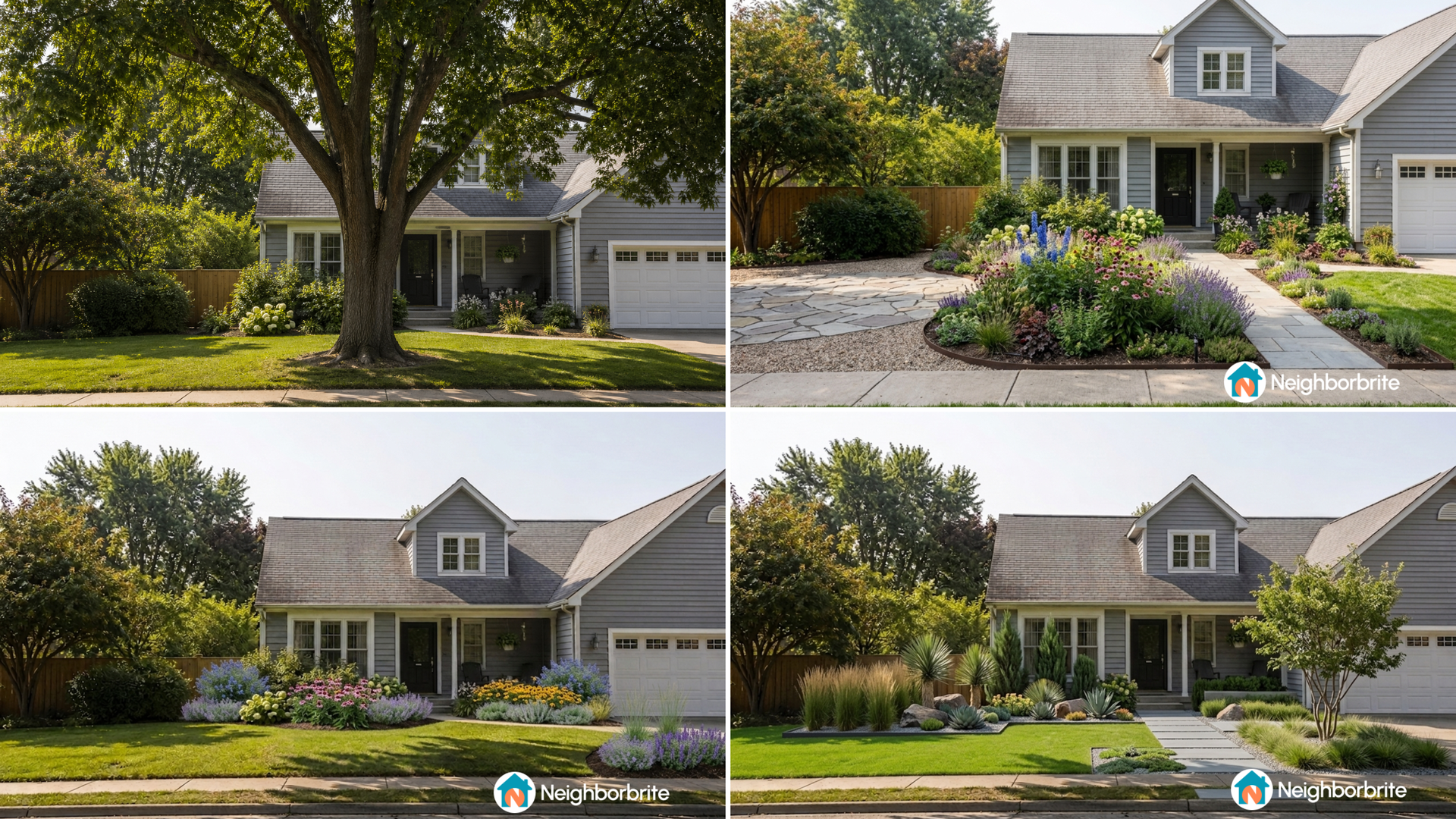
A robot can't yet mulch or weed your flower bed but for a growing number of homeowners, AI is now their landscape designer.
Why it matters: Gardening can be challenging and time-consuming, but for long, the only alternative was shelling out thousands for professional designers with impossible project minimums for the small yards many D.C. residents are trying to upfit.
- So what happens? The project stalls. The eyesores remain. The native flowers never get planted.
Luis Benavides noticed this gap while he and some neighbors in Utah wanted to transform their yards to be more drought-resistant and save water.
- "People don't imagine how a yard could look beautiful without a grass lawn," he tells Axios. "But once they can see it, that's when things change."
So in 2023, Benavides co-founded Neighborbrite, a freemium AI-powered landscape design tool built to help solve this problem.
How it works: Start by uploading a photo of your yard and selecting your preferred design style like cottage, modern or naturalistic. The system will generate up to four batches of renderings with a free plan.
- From there, the tool starts introducing its premium add-ons like plant identification and recommendations based on your climate. (The D.C. area is in the warm-temperate 7b/8a USDA Hardiness Zone as of the new 2023 map.)
- Plans for homeowners cost $25 a month.
The big picture: Neighborbrite now has over 720,000 registered users — including many landscape pros — who have generated over 17 million designs in the last three years.
- It's just one player in a growing marketplace of landscape design tech, which also includes Yardzen and LandscapeDesignsAI.
Reality check: AI tools can lower the barrier to landscaping — but the technology behind them comes with environmental costs.
2. Vibe code your way to a better yard
👋 Emma here. I recently moved into a house with a relatively blank canvas of a yard. Gardening doesn't come naturally to me, so I turned to AI.
- I started gathering the basics with ChatGPT. It helped me ask the right questions and study my yard's existing plants, layout, sun exposure, soil and more.
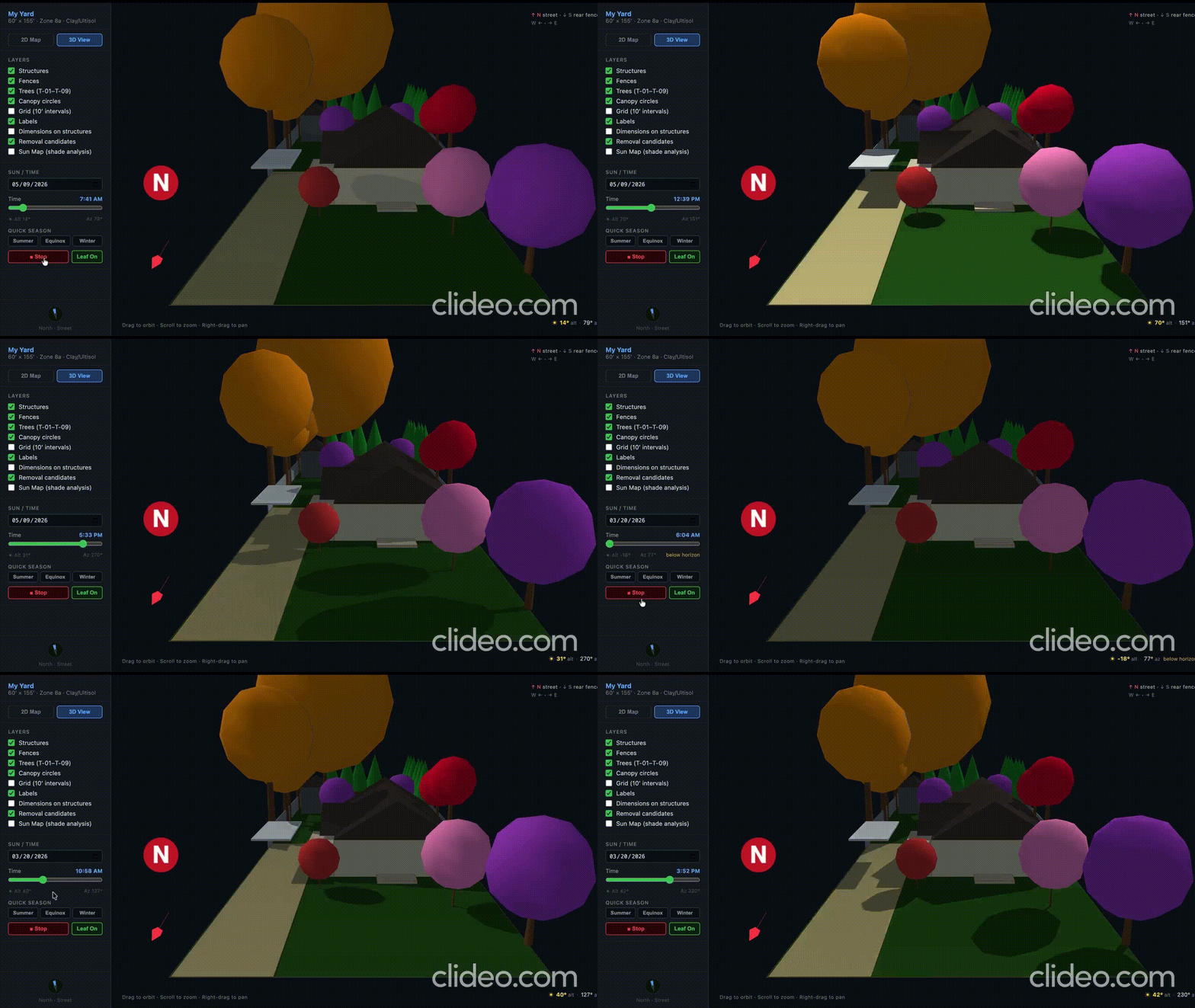
My husband, Joe, used Claude Code and Three.js, an open source library for 3D animations, to create an AI prototype map of our land that shows the sun and shade each blade of grass gets on any day of the year.
- "It gives us the ability to take an inventory, understand what might be native or not, know how big trees will get," Joe tells me when I ask why he spent hours vibe coding this. "It helps us understand the history of things, and then also look to the future of what it could be."
- Lastly, we took all our research to our local nursery, and they helped us find the right plants. This is key.
3. 🌳 Buying the backyard
Land in D.C. is scarce — so for the wealthy, one way to get a bigger yard is to buy the house next door.
The big picture: While most homebuyers are worried about their jobs, a possible recession or inflation, those concerns don't apply to ultra-lux shoppers, real estate agents say.
State of play: Joseph Richardson of the D.C. landscape-architecture firm Richardson & Associates says his team has helped master-plan seven or eight of these bigger-yard projects around the DMV in the past year or so — an "unusual amount."
- A recent client purchased the home next door for double the yard, and has plans for a playset, garden and a garage with an art studio above it.
- Others convert neighboring homes into pool houses, sometimes adding saunas and cold plunges.
Zoom in: D.C. real estate agent Michael Rankin has also seen affluent clients in areas like Georgetown, Wesley Heights, Observatory Circle and Spring Valley buy part of a neighbor's yard to expand their own.
- "It's an option for people who really like their house and want to stay in place," he tells Axios.
- Some buy the neighbor's house, carve off the land they want and sell the rest, or redevelop it into a compound.
Reality check: These are a lucky few — many people can't afford one home, let alone two.
4. Tips from a D.C. plant pro
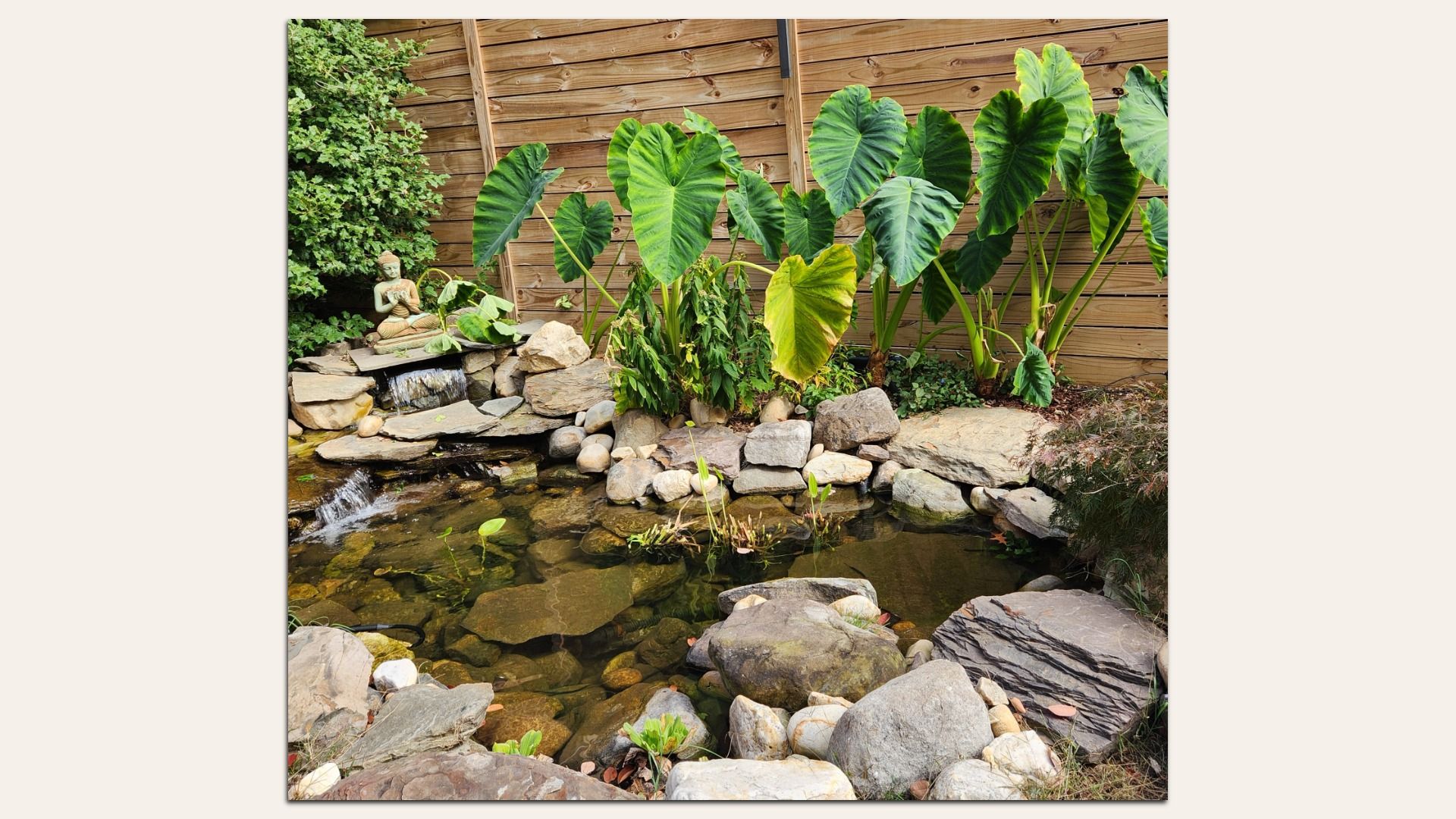
When Adams Morgan resident Mary Meyers isn't caring for other people's houseplants, she's enjoying her own backyard oasis — a pond complete with waterfalls, fish and tropical plants.
The big picture: Meyers, who runs Little Jungle Plant Company, calls the pond "the heart of the yard" and a frequent gathering place.
- Her business offers plant maintenance, styling and more.
Here are Meyers' tips for creating a similar vibe at home.
🌱 Although annuals deliver quick color, perennials pay off over time, she tells Axios.
- The plants follow a three-year growth pattern known as "sleep, creep, leap."
☀️ Be realistic about your space and habits, Meyers says.
- Planting something that "likes moisture" and needs "full sun" (eight hours daily) in the shade — and leaving it alone all summer while you travel — "is a recipe for deep-fried plants."
⏳ Be patient. "The fun of gardening is just trying, failing — yes, failing — and learning."
Go deeper: For more D.C. garden inspo, explore Dumbarton Oaks or take a guided tour of Hillwood Estate.
5. 🔌 Your screen-free spaces
We want to hear how homeowners are unplugging.
- Where in your home do you go to get away from screens?
- Have you made any rules for yourself about phones — like keeping it out of the bedroom or off the dinner table?
Email [email protected] with your name and neighborhood. We may feature your insights in an upcoming newsletter.
Our picks:
🪴 Sami is setting a reminder to water her plants.
😻 Emma is transforming her screened-in porch into a catio.
Thanks to our editors Carly Mallenbaum and Alexa Mencia Orozco.
Sign up for Axios D.C.
