
Axios Crypto

April 22, 2024
π BTC the ETF shows a mini fee, plus the Bitcoin network's transaction spike.
- π§ [email protected]
Today's newsletter is 724 words, a 2Β½-minute read.
πΌ 1 big thing: A mini bitcoin ETF wants to compete
Illustration: Sarah Grillo/Axios
At least one asset manager behind the new spot bitcoin ETFs is striking in a bid to spur more buying, while bitcoin enthusiasts are primed to party around the halving.
Why it matters: The pace of net inflows has slowed after three months of trading for spot bitcoin exchange-traded funds collectively gathered billions in assets, Crystal writes.
The big picture: Folks have been fixated on the horse race between the largest incumbent in bitcoin funds, Grayscale Investments' Bitcoin Trust ETF (GBTC), and its challenger BlackRock's iShares Bitcoin Trust ETF (IBIT).
- The latter is only behind by a couple of billion dollars in assets under management.
Zoom in: But that ignores the pony poised to catch up.
- Grayscale's mini spot bitcoin ETF, with the killer ticker BTC, is set to debut with a fee of 15 bps, or 0.15%, according to a recent filing.
- It will immediately take 10% of GBTC's assets under management, but that's better than assets going elsewhere.
Context: GBTC charges 1.5%, while Franklin Templeton's Bitcoin ETF (EZBC), the lowest-priced spot BTC ETF on the market excluding waivers, costs 0.19%.
- Grayscale's new BTC is priced to compete.
The intrigue: There's another more valuable draw that a mini product offers: smaller assets per share.
- Case in point: Mini versions of gold ETFs have been wildly successful for offering retail investors entry with smaller, cheaper trades.
What we're watching: If the per-share offering for BTC draws retail investors with an accessible price point in a major way, Grayscale will have more than one horse in the race to monitor.
πΏ 2. Charted: Runes debut


Transaction fees skyrocketed on the Bitcoin network before settling to norms, Crystal writes.
The big picture: The impact of the halving on the price of bitcoin was eclipsed by the Runes debut, a protocol from Casey Rodarmor, the Bitcoin developer behind Ordinals.
- "The protocol launch likely played a role in higher transaction fees as it increased demand for block space," according to Kaiko Research.
By the numbers: BTC is up over 3% since the halving at just above $66K.
- Meanwhile, the average transaction fee on the network jumped more than 550% to $128.45 on April 20, according to Ycharts.
Fun fact: Landing the 840,000 block β the first block after the halving β appeared to be a battle for the history books, with someone paying an eye-popping $445,000 in fees for almost making it.
- π ViaBTC, the Chinese mining pool, scored the milestone block.
πΊπΈ 3. IRS hands digital assets industry a draft form
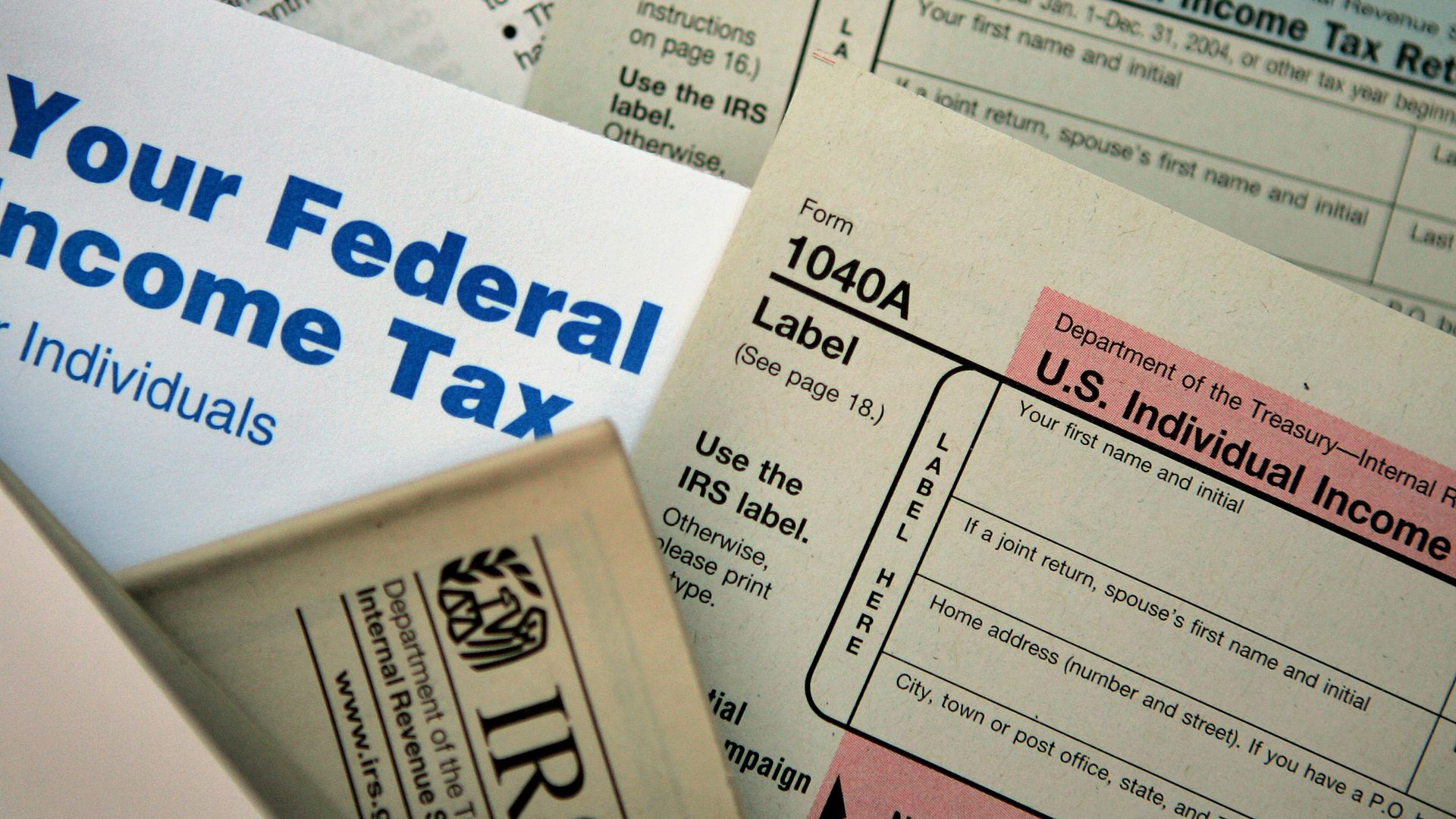
Photo Illustration: Scott Olson/Getty Images
The Internal Revenue Service is seeking comment on a draft form for 2025, 1099-DA, to report "digital asset proceeds from broker transactions."
Why it matters: As tax treatment of these assets becomes more formalized, the industry moves out of the regulatory gray area, allowing more players in finance to get involved, Brady writes.
Between the lines: "Form 1099-DA shows that digital assets are becoming first-class citizens in the financial services industry," Amy Kalnoki, the COO of Bitwave, which provides automated accounting and audit software for crypto firms, told Axios.
- "Enterprises will only embrace blockchain technology when there is absolute regulatory clarity."
Yes, but: There's likely to be pushback.
The form indicates that a transaction number should be reported, along with which assets were transferred.
- This suggests that every transaction conducted by a broker should be reported to the IRS. That's going to mean hundreds of millions of transactions reported to the agency.
Then there's the question of what kind of companies must submit these forms. The blockchain think tank Coin Center has already taken issue with the idea that what governments call "unhosted wallet providers" should be included as brokers.
- The companies in question here make software and devices that allow people to easily control their cryptocurrency themselves.
Zoom in: "This may indicate that Treasury is not backing down from its expansive scope definition of 'broker,'" Tony Tuths, the principal on digital assets at KPMG, noted in a statement.
What's next: This is just a draft form. When it is final, accounting professionals can start getting it into their compliance workflows.
π 4. Catch up quick
Illustration: Shoshana Gordon/Axios
πΆ The team behind the SHIB meme coin raised $12 million selling its unreleased TREAT token to non-U.S. VC investors. (The Block)
βοΈ Bitcoin miners raked in triple the revenue after the Runes launch triggered a spike in transaction fees on the network. (CoinDesk)
π The SEC asserts U.S. jurisdiction in a reworked complaint against Tron founder Justin Sun. (Protos)
This newsletter was edited by Pete Gannon and copy edited by Carolyn DiPaolo.
Anyone mint on Runes? βB & C
Sign up for Axios Crypto

Brady Dale covers crypto and blockchain impacts on markets and regulation.