Axios Crypto

July 10, 2025

As this newsletter was finishing up, bitcoin set a new all time high ($112,676 on CoinGecko).
Today's newsletter is 1,184 words, a 4.5-minute read.
1 big thing: So, so many principles
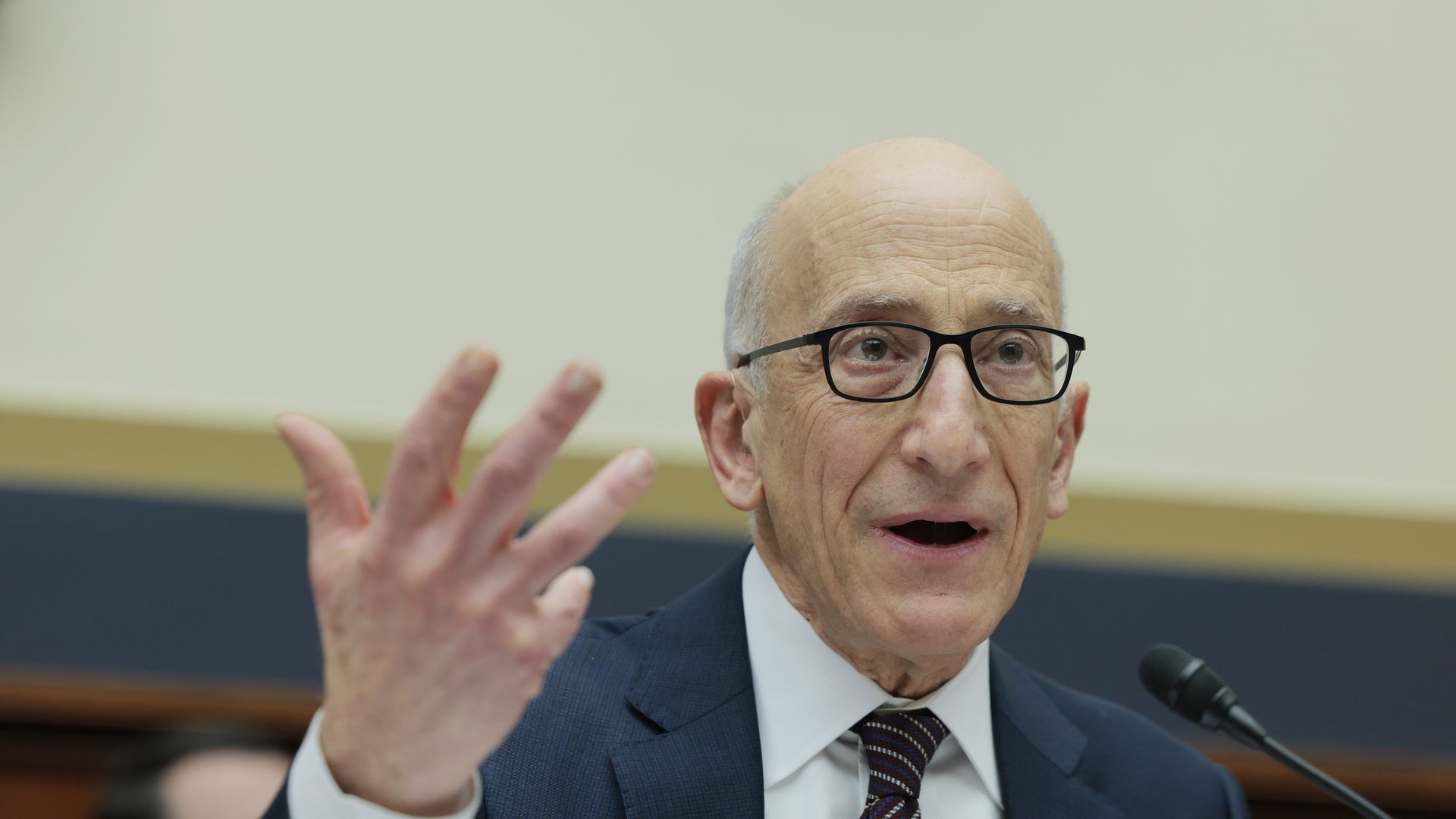
The big question at yesterday's Senate Banking Hearing on regulating digital assets was whether Congress can trust financial regulators to fill in the details of rules for the crypto industry.
Why it matters: Americans will have to live for years with any law this Congress passes, if Republicans get something done.
The big picture: The hearing was to discuss a market structure bill, one that would establish a legal framework for U.S. crypto regulation.
- The House's version, CLARITY, runs more than 200 pages and gets detailed about which kinds of assets are subject to the jurisdiction of the CFTC or the SEC.
What we're watching: How detailed the Senate's version will get, versus how much it will leave for regulators in the name of fostering innovation.
- "I hear you saying that digital assets are different," Sen. John Kennedy (R-La.) said to the industry representatives on the hearing's panel. "Digital assets need special rules. I agree with that.
- "The obvious question is, what should those rules be, and to what extent should we allow you to draft them?"
Catch up quick: This Congress has done more on blockchain technology than any previous session.
- There are three relevant pieces of legislation on the House floor: its market structure bill; its stablecoin bill, STABLE; and another stablecoin bill that has passed the Senate, GENIUS.
Zoom in: In yesterday's hearing, everyone was talking about principles.
- Sen. Elizabeth Warren (D-Mass.) offered five in her opening remarks, around things like investor protections and protecting taxpayers from bailouts. Republican leaders published six principles beforehand, including a modernized regulatory approach and clear lines of jurisdiction. The Blockchain Association has 12 principles. Paradigm, a major investor, has 17.
- So many principles!
One of the Democrats' panelists, Timothy Massad of the Harvard Kennedy School, was all about principles, as well.
- But he also pointed to one gap in oversight. "We have no regulator of the spot market for anything that's not a security, so we need to fill that," he told Sen. Catherine Cortez-Masto (D-Nev.), in response to a question.
- Beyond that, he warned lawmakers that anything they tightly define today is likely to be outdated tomorrow, and then exploited by clever lawyers.
"This is a technology, it's not an asset class," Massad said. "Whether something in digital form is a security, a commodity — or neither — cannot be easily defined by a paragraph or two in a statute."
- His recommendation? Principles, by statute. Then let the regulators write rules from there.
- But he only specified two principles: "Do no harm, and keep it simple."
Yes, but: The industry is gun shy about U.S. financial regulators.
- As Ripple CEO Brad Garlinghouse put it, "Where Mr. Massad and I disagree is that, depending upon an SEC and CFTC to work together assumes good faith appointed officials doing that."
- Nevertheless, the SEC is already at work on new rules.
The bottom line: "We've watched this movie before," Richard Painter of the University of Minnesota Law School said on the panel.
- "We do not want to watch a movie that is a combination of 'West Wing' or 'House of Cards' and 'The Big Short.'"
2. What they're saying: Tokenization's not magic
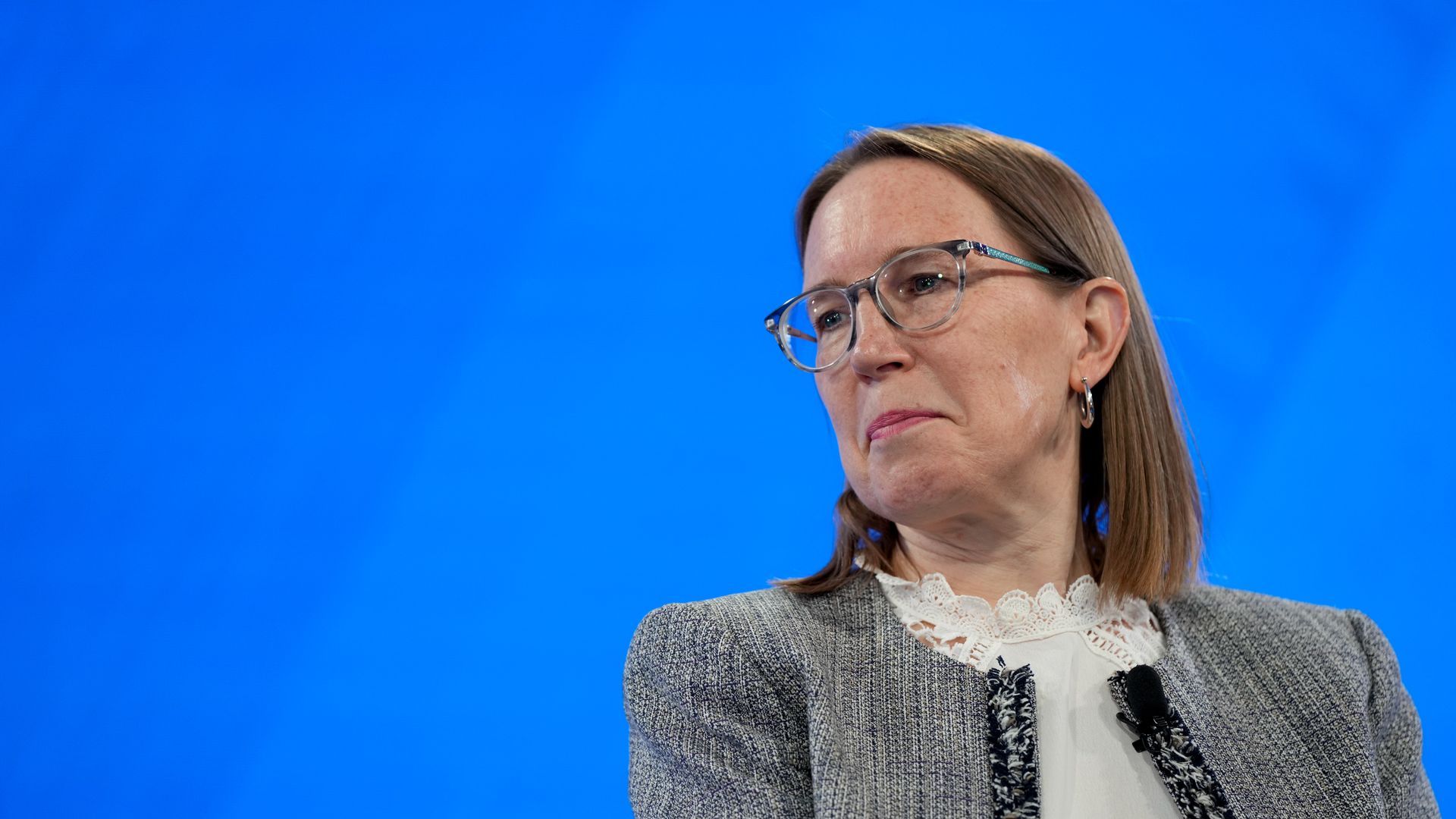
"As powerful as blockchain technology is, it does not have magical abilities to transform the nature of the underlying asset. Tokenized securities are still securities."— SEC Commissioner Hester Peirce, commenting on recent trends, likely inspired by new products from companies like Republic and Robinhood.
3. New all-time high

Bitcoin just hit an all-time high — but whether that was 25 minutes ago, or yesterday, depends on who you ask.
- 🤷♂️ There really isn't one "bitcoin price" in the world, and usually that doesn't matter.
How it works: Different bitcoin prices tell you different things.
- Prices on an exchange just show what it's selling for there.
- Sites like CoinGecko take in prices from lots of places, weight them and give their users an average.
- Prices on different sites are different, but not that different.
Between the lines: So bitcoin did break $112,000 on some venues yesterday, but not all of them. Per CoinGecko, it hit it today, at $112,676.
- That's a new high-water mark from May 22 — when the president had his meme coin party.
The big picture: There are a lot of bullish signs for bitcoin.
- For example, the amounts held on exchanges have been dropping since April, suggesting investors are not in a mood to sell.
Yes, but: While long-term investors are holding on more firmly than ever, Ark Invest worries there aren't enough new buyers coming in to drive price up.
4. Pump.fun token launch

The word is that Pump.fun, the meme coin minting giant, will sell a token starting this weekend.
Why it matters: Pump has been the big success story of the last couple years, offering a quick and easy way for anyone to take a stab at meme coin millions.
Zoom in: The Block reports that the sale will take place on exchanges beginning Saturday.
- "Our plan is to kill Facebook, TikTok and Twitch," the company tweeted.
The big picture: There's a battle underway to see who can be the No. 1 meme coin platform. Pump has lost a lot of ground, primarily to a platform called LetsBonk.
By the numbers: Pump has earned $700 million in fees, according to data collected by DefiLlama.
- But its weekly revenue is down almost 90% from its high, sitting at around $6 million per week (that is still a lot better than many startups under two years old).
Flashback: All of this reminds me of the Blur vs. OpenSea drama of 2023, when an upstart NFT platform stole all the volume from the original marketplace.
- OpenSea is back on top — of a much smaller overall market.
What we're watching: There's a decent chance this token sale is a bonanza — for a minute, anyway.
5. Behind the scenes of Trump's conversion

The New York Times had a big story (gift link) on who and how Donald Trump came around on a cryptocurrency.
The big picture: Folks in the industry made a plan to reach him and he proved receptive when they did.
- Key players include: Bill Zanker, who got him into NFTs. David Bailey, who runs the company that owns Bitcoin Magazine. Tracy Hoyos-López, from the team at Kraken, an exchange.
Details: The president proved receptive after previously dismissing the industry.
- The argument that crypto investors made up a growing voting base, likely of single-issue voters, was helpful.
Zoom out: One part of the conversion story that the Times ignored: debanking.
- First lady Melania Trump talked about it in her book. And Eric Trump said losing banking services caused him to reconsider bitcoin.
Between the lines: There's little new in the story, but it does detail some crypto execs who seem to have lost favor with the president as they bragged about proximity to power.
6. Catch up quick

💰 Trump Jr. has invested in a social media marketing company that's pivoting to crypto. (Bloomberg)
🔮 One fund argues that ether, which has been moribund for a long time, has a bright future in a world of stablecoin abundance. (Electric Capital)
🗿 $50 million for stablecoin infrastructure firm Agora. (Agora)
🇳🇿 New Zealand's leaders will ask its legislators to ban crypto ATMs. (Decrypt)
This newsletter was edited by Pete Gannon and copy edited by Carolyn DiPaolo.
Sign up for Axios Crypto