Axios Communicators

December 15, 2022

Welcome back!
- ✨ Thanks to the hundreds of people who joined us at last night's Axios Communicators event in NYC. It was amazing to meet so many of you in person, and we have a lot to unpack. Let's dive in.
Today's newsletter is 1,489 words, a 5½-minute read.
1 big thing: Trust as the through line
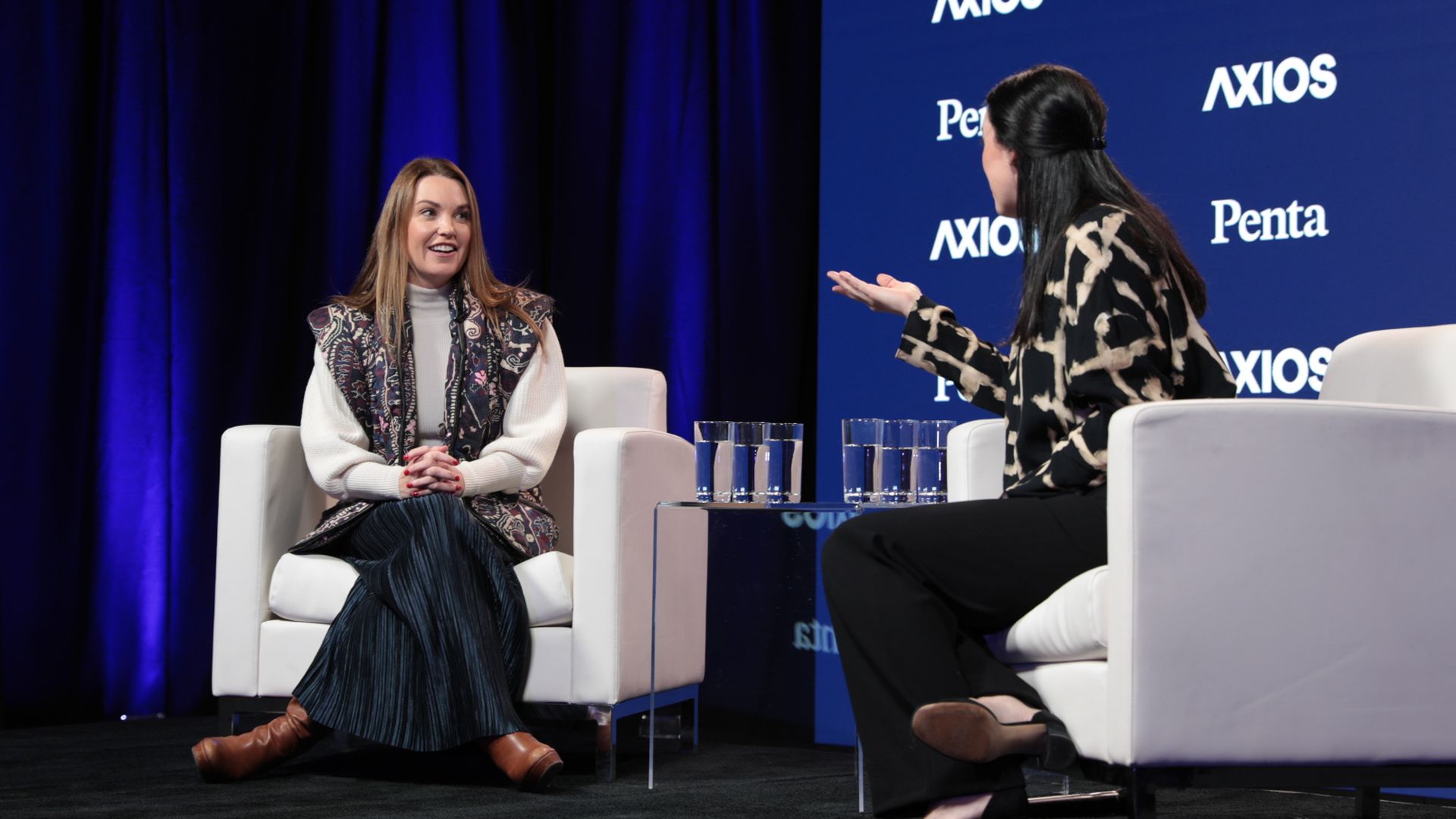
Spotify's global head of public affairs Dustee Jenkins at the Axios Communicators event in NYC yesterday. Photo: Steven Durate
Top communication leaders took the stage at Axios Communicators' inaugural event, and the word on everyone's lips: trust.
Why it matters: To be effective, CEOs have to trust their communications advisers, and employees, consumers and shareholders have to trust the message — especially when navigating sticky situations.
State of play: Politics changes like the wind and brands must be very thoughtful before weighing in, said former Walt Disney CCO and Bob Iger confidante Zenia Mucha.
- “First and foremost, you have to take a look at what's right and what's wrong. And then secondly, how it matters and what the implications are to your business, to your brand, to your employees, to your consumer base, and make that judgment at that time."
Zoom in: Mucha left Disney shortly before the so-called “Don't Say Gay” legislation debacle, but she thinks it could've been avoided if trust was established.
- “If a leader has the trust of the employee base and has the trust of the various constituencies that they represent, they'll be given time and patience to make those decisions.”
Yes, but: Mucha doesn’t believe companies need to take a stand on every issue and should prioritize the ones that matter most to employees.
- “If it's something that matters to them, then what can you as a company do to [show] support without wading into the political debate? You can do both without getting your head chopped off if you are viewed as a trusted leader by your employee base.”
What they're saying: Establishing trust among employees is top of mind for Spotify's leadership.
- "At Spotify, internal comms is the most important thing. Our CEO has an ongoing dialogue with employees," said Spotify global head of public affairs Dustee Jenkins.
- "If you only talk to them when there's a problem, they're not going to trust you," she said. "And so by communicating constantly in the best of times and in the worst of times, all of a sudden it really is a relationship."
Case in point: Jenkins and her team spend a lot of time thinking about how to message internally and externally about content moderation and controversial artists' presence on the audio platform.
- Amid the Joe Rogan controversy, "We had to do what any good communicator does when they're faced with an existential crisis and ask, 'What are we for?'"
- "In our case, we decided that we wanted to be a platform that allowed for more speech … but we are going to draw really clear lines in the sand around hate content. You have to decide what you're for, and then you have to communicate that over and over and over again,” Jenkins said.
Zoom out: The CEOs who took our stage made a point that consistent and authentic messaging goes hand in hand with trust.
- "Every single story is about people, no matter how you boil it down. And so how do you connect on a human level with your audience? That's the fundamental essence of successful storytelling," Janice Min, CEO of The Ankler, told Axios.
- "When I look at communications, it's not only the outside world, but I pay a lot of attention to what's being said inside our company ... and if you're communicating well, you will have a strong culture," said Volkswagen America CEO Pablo Di Si.
The bottom line: Communicators are often tasked with navigating messaging land mines — from corporate "wokeness" to content moderation to rebuilding corporate culture.
- Establishing a trusting, authentic relationship with your audiences is step one.
2. 👂🏻 What we're hearing from CCOs

Axios Communicators expert voices dinner hosted by Penta in NYC yesterday. Photo: Steven Durate
Twenty-five CCOs and communications strategists from tech, media, finance, health care and politics joined us for a small on-the-record dinner following the big event.
Here's what we heard...
- Stakeholder with a capital S: Communicators can no longer prioritize one audience over another. Consumers, shareholders and employees are equally as important, which changes the way we think about messaging, said Penta senior partner Mike Berland.
- Throw out your corporate memos: From voters to front-line employees to Gen Z, communicators must be more creative in our delivery.
- Democratic strategist Lis Smith highlighted the need to embrace unconventional outlets and underscored the importance of local news.
- IBM's Jonathan Adashek explained how the tech giant is targeting employees through sponsored ads on LinkedIn, while BDG's Kimberly Bernhardt discussed embracing Gen Z audiences across platforms like TikTok and Snap.
- Leader of Volkswagen workforce comms Brianna Barker emphasized the need to physically meet employees where they are — whether it's on an app or in the break room.
- Marketing and comms are more alike than not: Both functions want to protect and promote the brand, but until communicators can figure out how to show value through their data, the battle for budgets will continue.
- Elon vs. the press: Leaders are paying attention to how Elon Musk — and Donald Trump before him — have bypassed the media.
- "I try to help founders understand that, oftentimes, you still need the press to get communications out. ... 10 years ago, Musk and Trump were more aggressive about courting the press than just about any other CEO in the country. So this idea that you can just sort of go around the press wasn't even true for them until they got to this point," said Upland Workshop founder and CEO Adam Mendelsohn.
- Restraint during a crisis: "As a communicator, you have to be the calmest person in the room and delay the instinct to immediately respond," said Maria Comella, founder and president of Comella & Co. "And when you are ready to respond, you have to be willing to see it all the way through."
- Keeping a seat at the table: Communicators have helped business leaders and brands put out their own fires and navigate recent societal, global and national crises. To keep this seat at the table, communicators must continue to show their worth.
3. Holiday cheer on the front lines
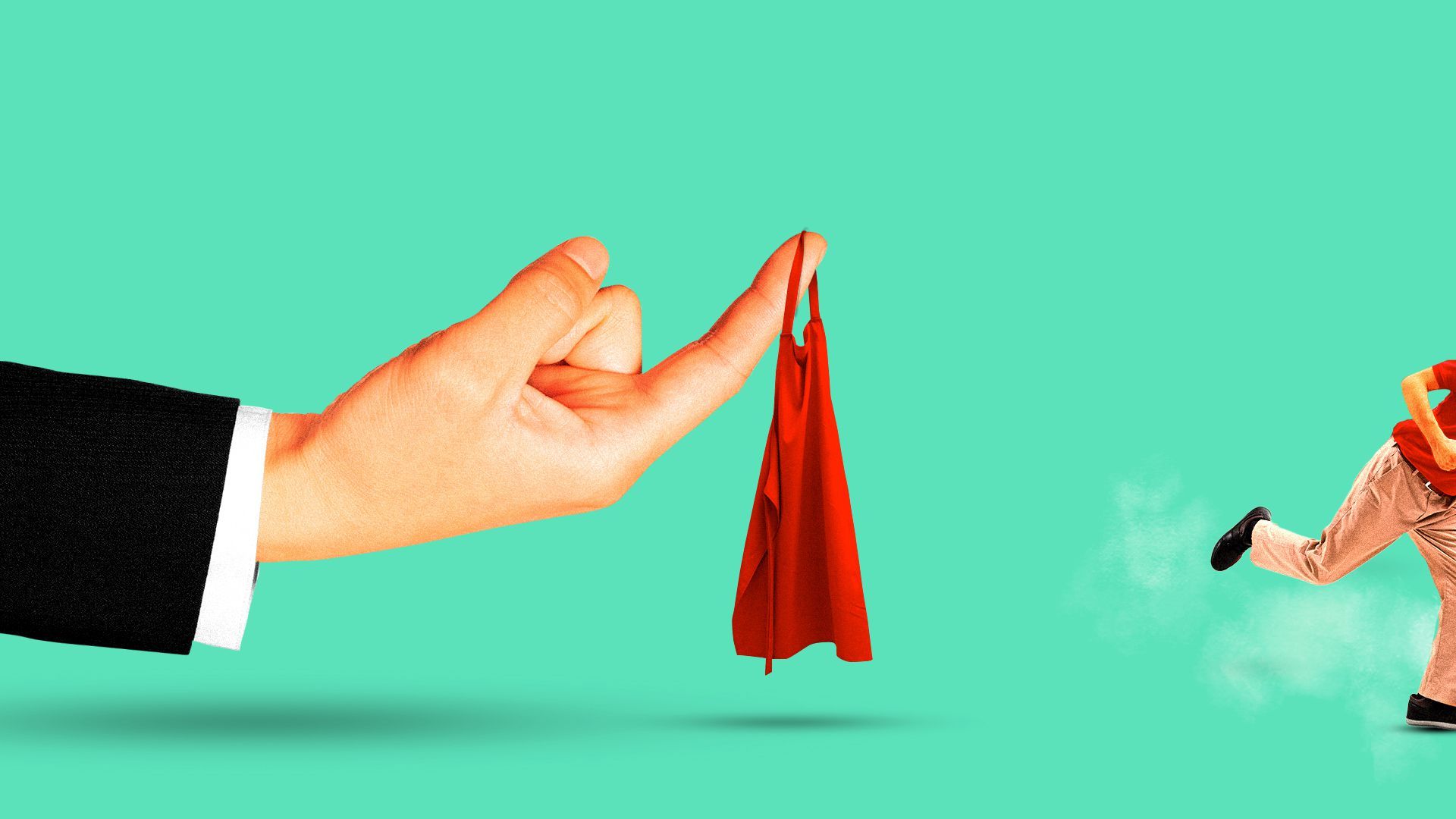
Illustration: Aïda Amer/Axios
Supporting and engaging employees remains top of mind for many comms leaders — especially as the holiday season puts extra strain on the already burned-out front-line workforce.
State of play: According to the 2022 Deskless Report, most front-line employees (67%) receive companywide information through spontaneous in-person conversations with managers or through personal channels like text or email.
- This informal cascade method doesn't allow for feedback, allows for messages to get lost and also doesn’t provide tracking of clear data on who the information has reached and whether they understand it.
By the numbers: Because the information is only flowing one way, 61% of front-line workers feel ignored or unheard by the organization's leadership.
- When employees feel unheard or disconnected from the company, they are more likely to quit.
- 49% of front-line managers report feeling burned out on a daily basis, and roughly half of front-line workers want to quit their jobs.
What they’re saying: Internal communicators recognize this challenge, and it's particularly top of mind during the holiday season.
- "On top of the holiday rush, it’s open enrollment and also peak cold and flu season — so this really touches every member of our front-line team," Matthew Perra, CVS Health vice president of internal communications, told Axios.
- "We launched a companywide gratitude campaign that leverages all of our internal communications channels — from C-suite outreach to recognition from local leaders to social media promotions and in-store activations — to show our front-line colleagues that the entire CVS Health team appreciates their commitment," says Perra.
The bottom line: Showing appreciation through intentional communication campaigns — and creating a strong feedback loop — is essential to keeping front-line employees engaged.
4. 🎄 1 fun thing: Holiday comms break

Illustration: Allie Carl/Axios
Many of you wrote in to share your coverage strategy for the holiday week between Christmas and New Year's.
Why it matters: A trend we noticed is that most agencies shut down and most in-house teams take shifts or stay on call in the event of a crisis.
Between the lines: If you are on call, there are ways to make the most of the quiet time.
- Bookers and reporters are often looking for expert voices or evergreen stories to run during this time period.
💡 Pro tip: If you have an expert, executive or spokesperson who is eager for a live radio or TV hit, now is a good time to pitch them because bookers' Rolodexes of guests are often slim during the holidays.
- The weeks leading up (ahem, now) are a great time to pitch evergreen stories to print and digital reporters so they can file them over the holidays.
- It's also a time to strategically dump negative stories (more on that next week).
- It's not ideal to pitch exclusives or new stories. Journalists like to take time off to celebrate the holidays too.
Yes, but: "I've found journalists are sometimes more inclined to respond to great pitches during slower news cycles. ... They may have more time to engage and write and they may have more space to fill while colleagues take time off," says Linda Zebian, director of communications at Muck Rack.
✅ Thanks to editor Nicholas Johnston, copy editor Sheryl Miller and you for reading!
Invite your friends to subscribe.
Sign up for Axios Communicators

Unpacking the topics and trends driving Communications.