Axios Communicators
May 28, 2026

Happy Thursday! Today's newsletter is led by Steve Dowling, who formerly led communications at Apple and was OpenAI's first comms hire, setting the lab's early communications and public policy strategy.
- He now co-hosts a weekly podcast, "Communication Breakdown."
- Today, he makes the case for engaging with the press in an era when going direct is often the default. Plus, breaking comms lessons from the Pope!
This edition of Axios Communicators, edited by Christine Wang and copy edited by Kathie Bozanich, is 1,238 words, 4.5 minutes.
1 big thing: Media scrutiny matters
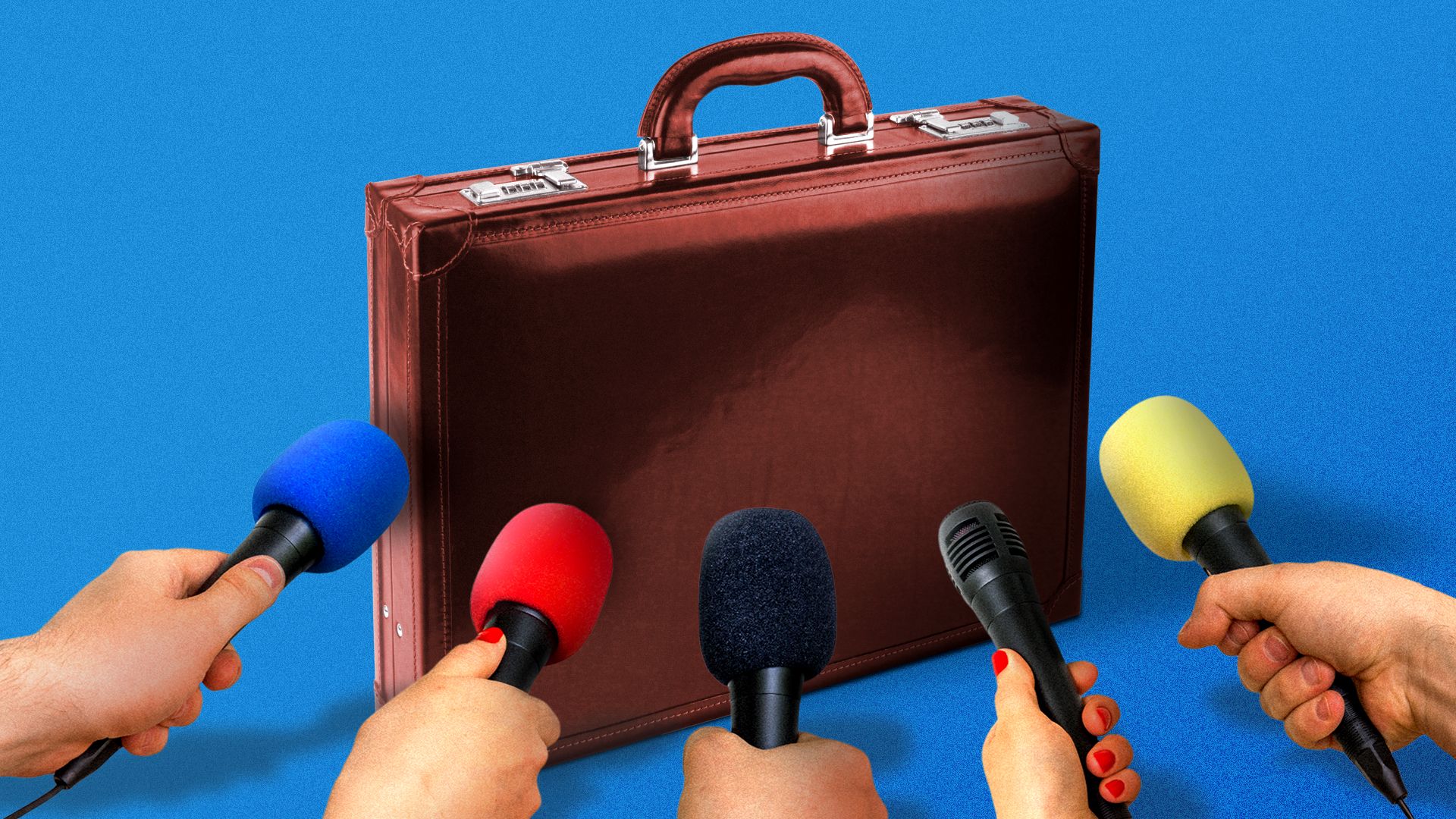
The social media revolution offered PR teams a rocket ride in visibility, presenting their version of events alongside, though often diverging from, journalists' accounts.
- As we enter social media's third decade of demands on our attention, going direct has gone too far.
Why it matters: Media scrutiny matters. It's healthy, and it makes us better.
- Companies and their leaders must show they are confident and competent enough not just to endure questions but welcome them.
- It's a muscle everyone needs to build, maintain and flex. But instead, many companies are finding creative ways to avoid the gym.
The big picture: The "direct approach" is dependent on algorithm-driven, text-based platforms that are in a toxic spiral.
- Offensive content and bot-fueled outrage are killing engagement and driving away audiences and advertisers.
- There's a reason you don't see many marketing tie-ins with cat litter. For brands still clinging (clumping?) to X, it's time to think outside the box.
- Company-owned podcasts are becoming a venue of choice for newsmaking, and their safe-space appeal is understandable. They're great for deep dives and recruiting. But they're no substitute for submitting to actual media scrutiny.
State of play: When business leaders and spokespeople do step out of their comfort zone to face journalists, too many revel in attacking the reporters who cover them, or criticize reporting rather than participate in it.
- Witness Meta's PR chief frequently zinging reporters, DoorDash — whose service helps customers stay home — telling journalists to "touch grass," and GameStop CEO Ryan Cohen's contentious responses to CNBC anchors' questions about his bid for eBay.
- These fits of pique might play to a small audience that already agrees, but to others, they come across as thin-skinned and unserious. It actively undermines their companies' credibility.
Zoom out: These trends spring from a kind of swagger that arrogantly and ill-advisedly challenges a basic truth of corporate communications: We need the press more than they need us.
- Leaders should embrace this fact rather than rail against it.
- Companies need — and, admit it, crave — the validation and credibility that comes when a storyline shines through the media filter. And it's a show of strength, not weakness, to play by the press' rules.
The bottom line: Engaging with the press helps us develop sharper storytelling skills and fine-grained sensitivity to the audiences we hope to influence.
- Over the long term, the pressure test of the editorial process is a gift to companies that have actual credibility, even if every story doesn't read as if you wrote it yourself.
- The press that asks the hard questions today is the press that gives our answers weight tomorrow.
2. 🇻🇦 Papal comms
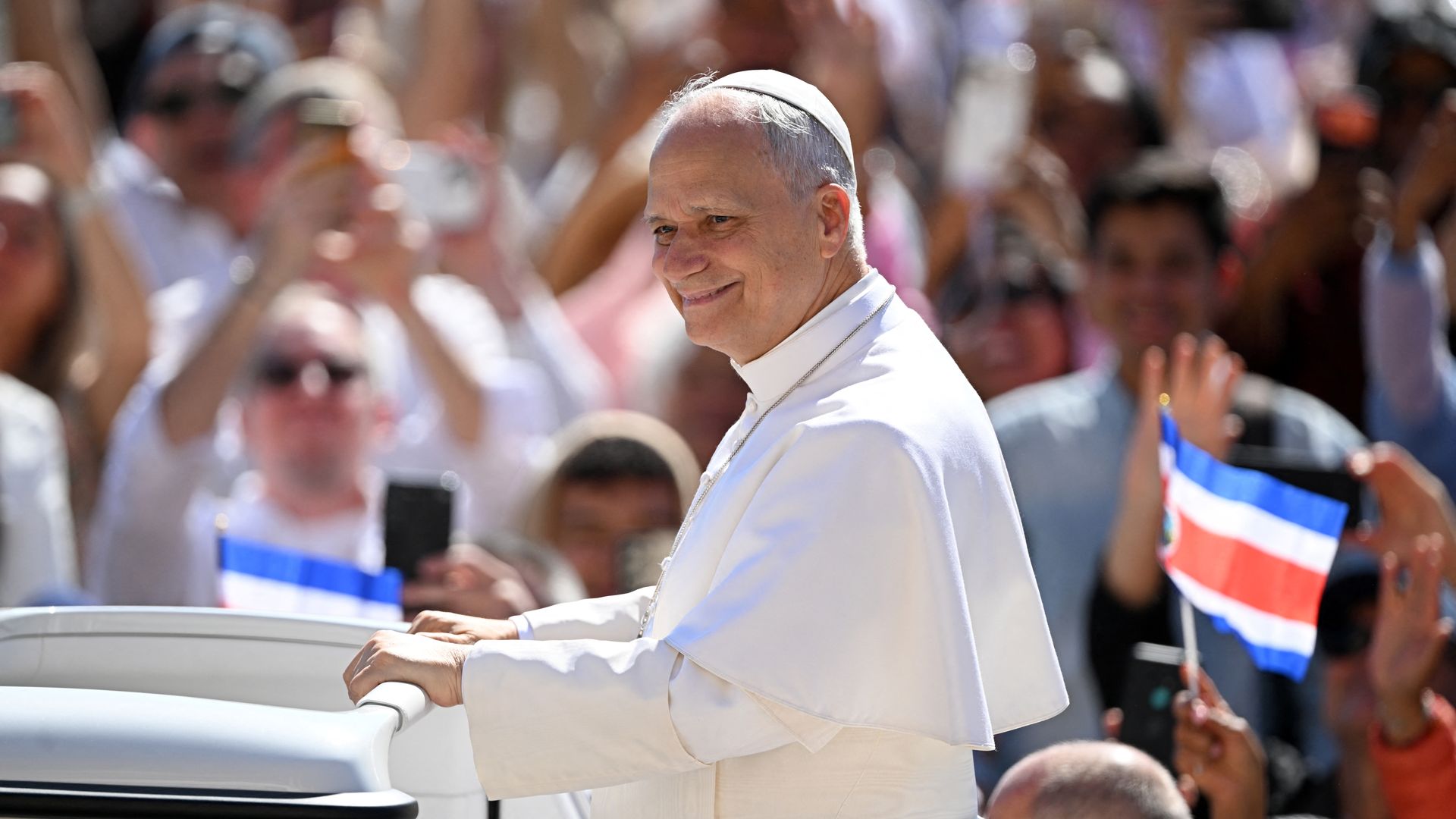
I've been watching Pope Leo XIV over the past year with patriotic curiosity and professional appreciation. He communicates with speed and surprise, hinting at a more nimble, media-fluent approach to the papacy.
The big picture: Every modern pope has spoken out on big issues of the day, but not with Leo's rapid-response cadence or his kinship with Americans.
- Just check out his latest encyclical over the weekend, urging Silicon Valley to put humanity first at a time when much of the tech industry has seemed reluctant to speak up on social issues.
- The current Bishop of Rome has perfected the papal mic drop at a critical moment — denouncing the rush to war in Iran and dismissing bombastic criticism from President Trump with calm, consistent messages of peace.
Driving the news: In early April, as the world was reeling from Trump's apocalyptic threat that "a whole civilization will die tonight," Leo strode toward a gaggle of reporters outside his residence in Castel Gandolfo.
- In Italian, he urged dialogue and condemned threats of war — nothing out of the ordinary from a sitting pope.
- Then, in a remarkable moment, Leo switched languages. "In English," he announced. "Search always for peace and not violence."
- Within a few sentences, his Chicago accent became unmistakable. He urged listeners to call their lawmakers and "tell them to work for peace and reject war, always."
Zoom out: Previous popes learned English as a second or third language. Leo's English is Father Bob from Riverdale.
- His U.S. audience hears the Vatican's message from a fellow American — one with a +25 favorability rating, dwarfing elected officials.
- The resonance of that April call to action clearly rankled Trump, who launched an online tirade against the pope.
- Again, Leo responded within hours, again in English, and again in a seemingly impromptu pull-aside during a flight to Algeria.
- "I have no fear of the Trump administration," he said. "Blessed are the peacemakers. It's a message the world needs to hear now."
The bottom line: He's not the first pope to work the Gandolfo gaggle or an in-flight interview, but Leo's voice, timing and precision make these moments more authentic and consequential.
- Leo stepped into his pontificate already a singular historical figure, as the first American to lead the Roman Catholic Church.
- More than a year later, he stands out as the most effective communicator of this perilous moment in geopolitics and the dawn of artificial intelligence.
3. Reading list
👀 Nvidia CEO Jensen Huang said blaming layoffs on AI by some chief executives is a "lazy" narrative and "doesn't make any sense." "It was just a way for them to sound smart, and I really hate that. I think we're scaring people and that's irresponsible," he said. (CNA)
🚙 Ferrari's first EV was quickly mocked and memed, drawing comparisons to the far cheaper Nissan Leaf. The Italian luxury automaker's stock fell after it revealed the $640,000, Jony Ive-designed Luce. (New York Times)
- Former Ferrari chair Luca di Montezemolo panned the design, saying, "If I were to say what I really think, I'd be doing Ferrari a disservice. We risk destroying a legend, and I'm truly sorry about that. I hope they at least remove the prancing horse from that car." (Motor1)
📊 More than half of the companies measured in the Axios Harris Poll 100 that appeared in the rankings last year saw their reputations improve year over year, Axios' Sara Fischer writes.
- Reputational elasticity is improving as a chaotic news cycle and fragmented news consumption habits make it easier for consumers to quickly forget and move on from scandals. (Axios)
🤖 OpenAI has reportedly interviewed several executives but has not filled the communications chief role vacated by Hannah Wong in December. The next leader would have to manage executives who have grown used to a "long leash" while bouncing back from a series of comms blunders. (The Information)
📸 The media machinery that once tracked movie stars and politicians is now tracking CEOs, Axios' Jim VandeHei writes. Bad behavior, dumb comments and company scandals that were once easy to contain are now viral content waiting to happen. And most comms teams are still thinking Bloomberg, not TMZ. (Axios)
- If you're a CEO or on a CEO's team: Ask to join Jim's new weekly Axios C-Suite newsletter.
Thanks for reading! Next week you'll hear from Upland Workshop CEO Adam Mendelsohn.
Sign up for Axios Communicators