Axios Closer

April 14, 2026

Tuesday β .
Today's newsletter is 900 words, a 3Β½-minute read.
π The dashboard: The S&P 500 closed up 1.2%, erasing losses since the start of the Iran war.
π₯ Today's stock spotlight: Novo Nordisk (+3.5%) is partnering with OpenAI to use AI tools to improve drug discovery. The GLP-1 maker has been struggling to keep up with rival Eli Lilly.
1 big thing: Bezos and Musk's space race
Amazon is getting deeper into the space race, agreeing to buy satellite-based telecom company Globalstar for around $11.6 billion.
- Why it matters: The space race is escalating between Jeff Bezos, Amazon and Blue Origin on one side, and Elon Musk and SpaceX on the other.
π°οΈ Zoom in: Amazon plans to use the Globalstar deal to expand its Amazon Leo low-Earth-orbit satellite network, with plans to deploy a next-generation system beginning in 2028.
- The company said it will provide service to the Apple iPhone and Apple Watch devices, extending "cellular coverage to customers beyond the reach of terrestrial networks."
- The new capabilities reflect Amazon's broader vision for space-based internet network. It plans to work with other mobile network operators and partners in the future.
π₯ Friction point: The Globalstar deal places Amazon in a position to potentially wrest market share away from SpaceX's lucrative Starlink network, just as SpaceX is barreling toward an IPO that some say could be valued at $1.75 trillion.
Yes, but: Globalstar is a fairly small operation.
- About 85% of its current capacity is devoted to Apple's emergency SOS services, according to Morgan Stanley analyst Adam Jonas.
By the numbers: Globalstar had 2025 revenue of $273 million, up only 9%.
- By comparison, Reuters reported that SpaceX had estimated revenue of $15 billionβ$16 billion in 2025.
The bottom line: SpaceX remains the industry leader in satellite connectivity, but competitors are racing to catch up.
2. Airline power play


The Big Four airlines in the U.S. could become the Big Three if United Airlines CEO Scott Kirby has anything to say about it.
Catch up quick: Kirby jolted the travel industry when he floated the possibility of a United merger with rival American Airlines in conversations with "senior government officials," Bloomberg reported late yesterday.
- Reuters reported today that Kirby even pitched it directly to President Trump in a meeting in February.
State of play: Together, United and American had 34.1% domestic market share in the 12-month period ending in January, according to the government data.
- That would be nearly double the current industry leader, Delta, at 17.8%.
π‘ The reaction: Consumer watchdogs recoiled at the prospect of such a deal, saying it would harm flyers.
- "A merger of the world's two biggest airlines would give us worse service, fewer flights, and higher ticket prices and fees," Robert Weissman, co-president of Public Citizen, said in a statement.
- A United rep declined to comment.
π Nathan's thought bubble: I'm old enough to remember when the Biden administration sued to block JetBlue from merging with Spirit Airlines β and their combined market share is only 8%.
- Spirit has since filed for bankruptcy ... twice β but United and American are facing no such risks.
Related: Delta CEO Ed Bastian said today that with jet fuel prices spiking, the company must "find ways to get that cost passed through to consumers."
3. What they're saying: "Complex set of risks"
"The U.S. economy remained resilient in the quarter, with consumers still earning and spending and businesses still healthy. ... At the same time, there is an increasingly complex set of risks β such as geopolitical tensions and wars, energy price volatility, trade uncertainty, large global fiscal deficits and elevated asset prices. While we cannot predict how these risks and uncertainties will ultimately play out, they are significant."β JPMorgan CEO Jamie Dimon in the company's Q1 earnings statement.
The big picture: JPMorgan, Citigroup and Wells Fargo all reported earnings today.
- As Barron's noted, "resilient" was the word used by all three to describe the U.S. economy.
4. Other happenings
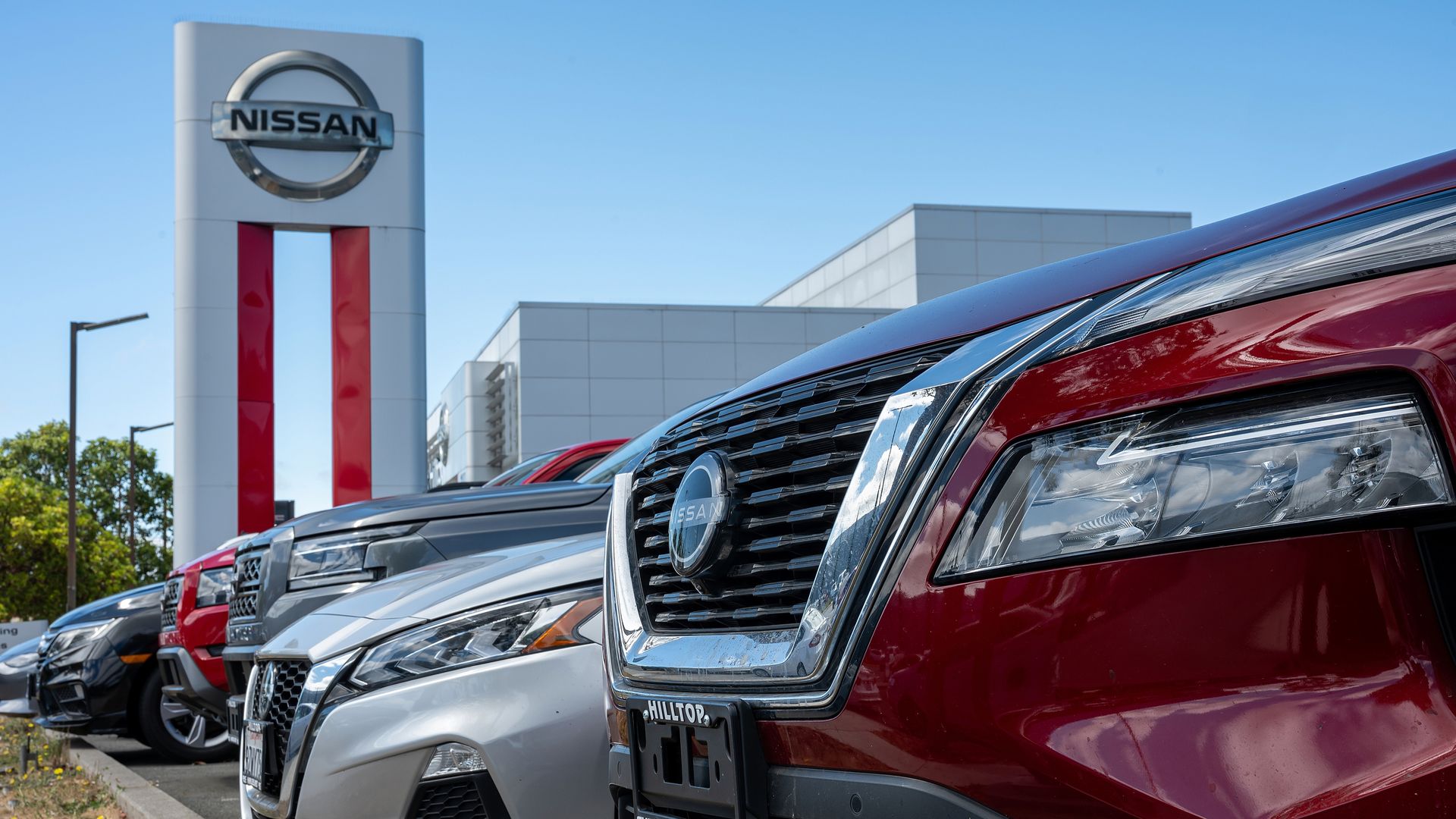
π Nissan plans to cut its global portfolio of vehicle models from 56 to 45 and refocus its efforts on the U.S., Japan and China as it continues to pursue a turnaround. (The Drive)
β‘οΈ EV startup Lucid Group named former elevator industry executive Silvio Napoli as its next CEO. The company also announced a $550 million investment from the Saudi Arabia Public Investment Fund, plus $200 million from Uber. (Bloomberg)
ποΈ The Pittsburgh Post-Gazette will be sold at the last minute to the Venetoulis Institute for Local Journalism, the nonprofit publisher of the Baltimore Banner. The Post-Gazette owner had previously announced plans to shut it down. (Axios Pittsburgh)
5. UPS goes to hands-free tracking
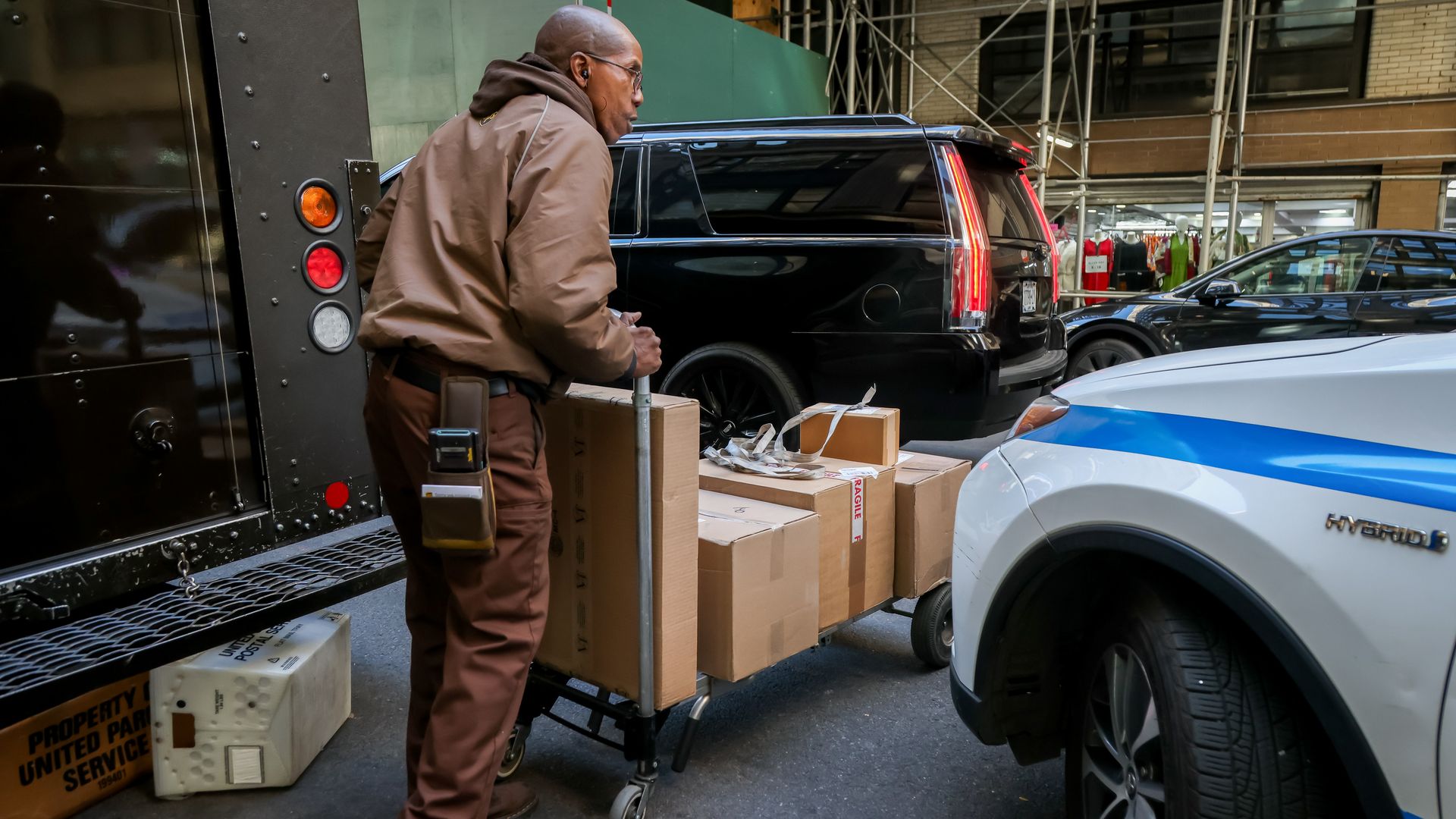
UPS is ditching manual scanning of packages for tracking purposes and switching to radio frequency identification technology.
State of play: UPS said today that it's making the transition at all of its vehicles, delivery facilities and stores throughout the country.
How it works: "Packages are automatically sensed as they move through the network," with RFID embedded in package labels, vehicles and loading bays, according to UPS.
- No manual scanning will be required.
The bottom line: The company says the new system will provide customers with even more information about the status of their packages.
ποΈ On this day in 1935, the "Black Sunday" dust storm ravaged Oklahoma and Texas β the worst single storm of the Dust Bowl era, which had already driven thousands of farms into foreclosure and displaced hundreds of thousands of residents.
Today's newsletter was edited by Pete Gannon and copy edited by Sheryl Miller.
- Did a friend forward this to you? Sign up here to get Axios Closer in your inbox.
Sign up for Axios Closer