Axios Closer

April 03, 2026

Friday ✅.
Today's newsletter is 734 words, a 3-minute read.
😴 Stock markets were closed today for the holiday.
1 big thing: United unbundles the front cabin
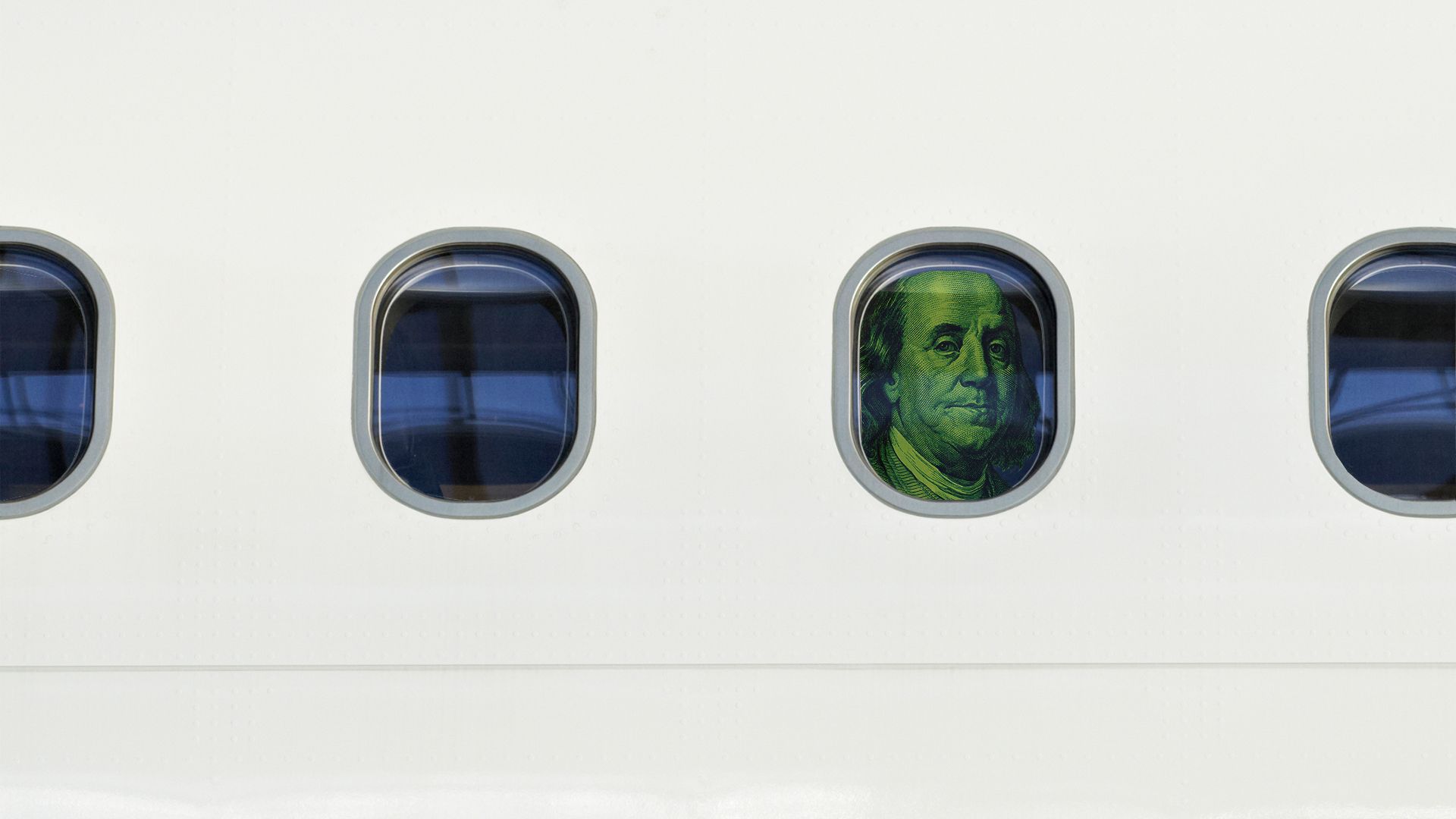
Now even first class is getting a first class.
- The big picture: United Airlines is introducing a new tier of premium options on long-haul flights — borrowing the unbundling playbook from coach and turning once-included perks into new fees.
💺 Zoom in: The company's front-cabin seats, called United Polaris on long-haul flights, will be split into multiple tiers on international, transcontinental U.S. and certain Hawaii routes:
- Base: won't allow for seat selection, flight changes, refunds or United Polaris lounge access.
- Standard: will include seat selection, flight changes and lounge access but no refunds.
- Flexible: includes all of the above.
✈️ Zoom out: It's the latest in a series of steps United has taken to squeeze more revenue out of its existing seats.
- Last week the airline announced plans for the United Relax Row, three seats in its economy section that it said "can transform into a lie-flat mattress-like space."
- And starting today, most travelers will pay an additional $10 to check their luggage.
Competitors are scrambling to find more revenue, as well.
- Alaska Airlines this week announced plans for its first lie-flat business class seats on international flights, featuring "privacy doors" and 18-inch HD screens.
- JetBlue raised checked baggage fees, according to multiple reports.
💰 Follow the money: Jet fuel accounts for about 30% of airline costs — and with prices rising from the Iran war, airlines are facing mounting pressure to create more revenue opportunities to offset higher costs.
The bottom line: Your next seat in business class might not come with the same perks as before.
2. Prediction market battle heats up

The jurisdictional battle over sports and election wagers and who controls prediction markets gained steam this week.
Driving the news: The CFTC yesterday sued three states — Arizona, Connecticut and Illinois — for what it calls "unconstitutional and invalid" applications of state anti-gambling laws to prediction markets, Axios' Dan Primack reports.
Catch up quick: Arizona filed criminal charges against Kalshi last month, alleging it was violating state law by operating a sports gambling business and providing election wagering.
- Connecticut and Illinois have both issued cease-and-desist letters to prediction market platforms.
The big picture: These cases could determine who really regulates companies like Kalshi and Polymarket.
- Sportsbooks also are paying close attention, including those that already have launched prediction markets in states where their "traditional" betting apps are banned.
3. Other happenings
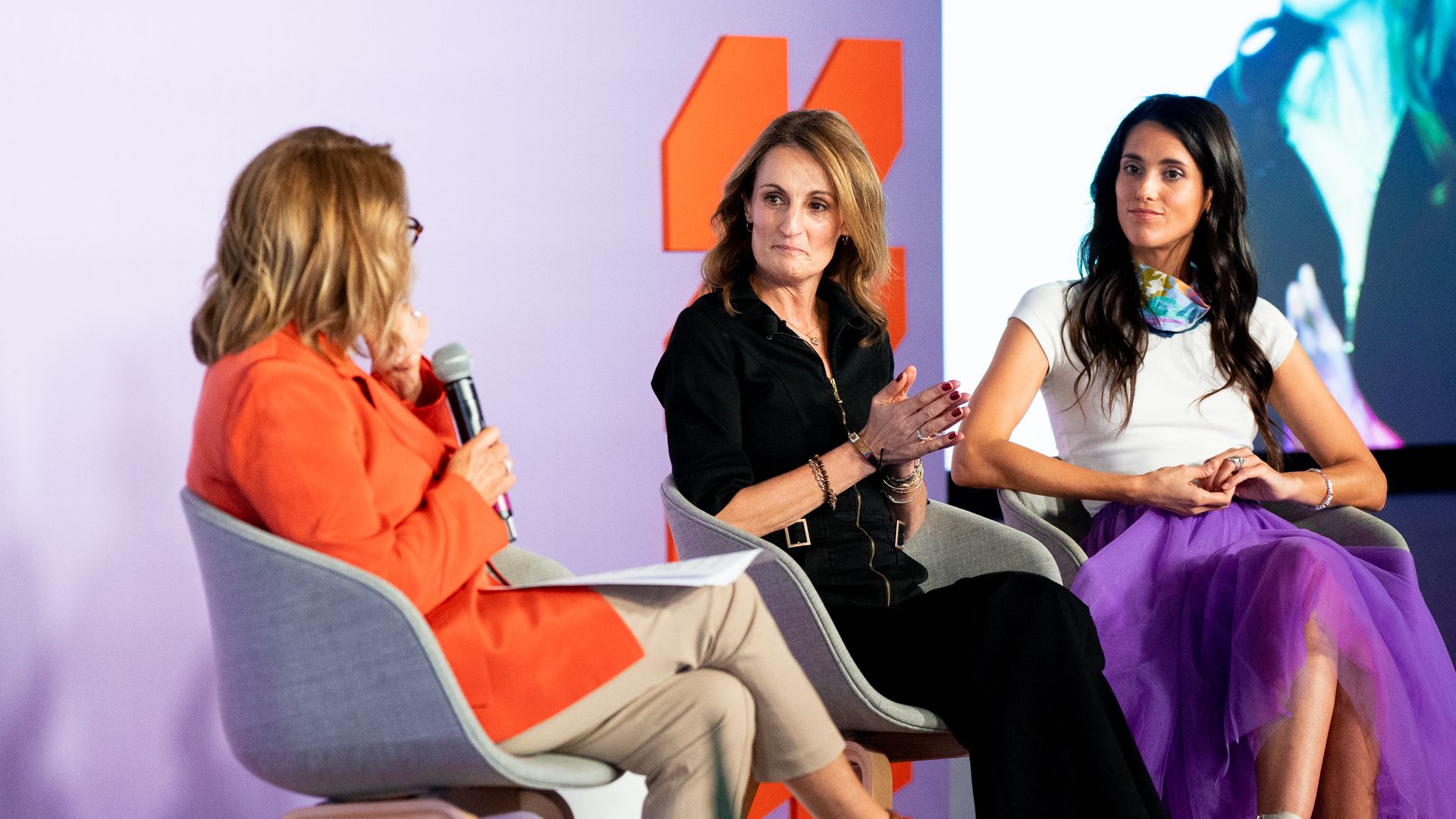
💼 WeightWatchers CEO Tara Comonte is out just over a year after taking the role. She guided the company through bankruptcy, but WW is still trying to find its footing as GLP-1 drugs shake up the weight loss industry. (Company announcement)
👀 More than 3 million bottles of eye drops sold at major retailers, including CVS and Walgreens, have been recalled due to "lack of assurance of sterility." (NBC News)
4. Cocoa is cheaper now — your Easter candy isn't
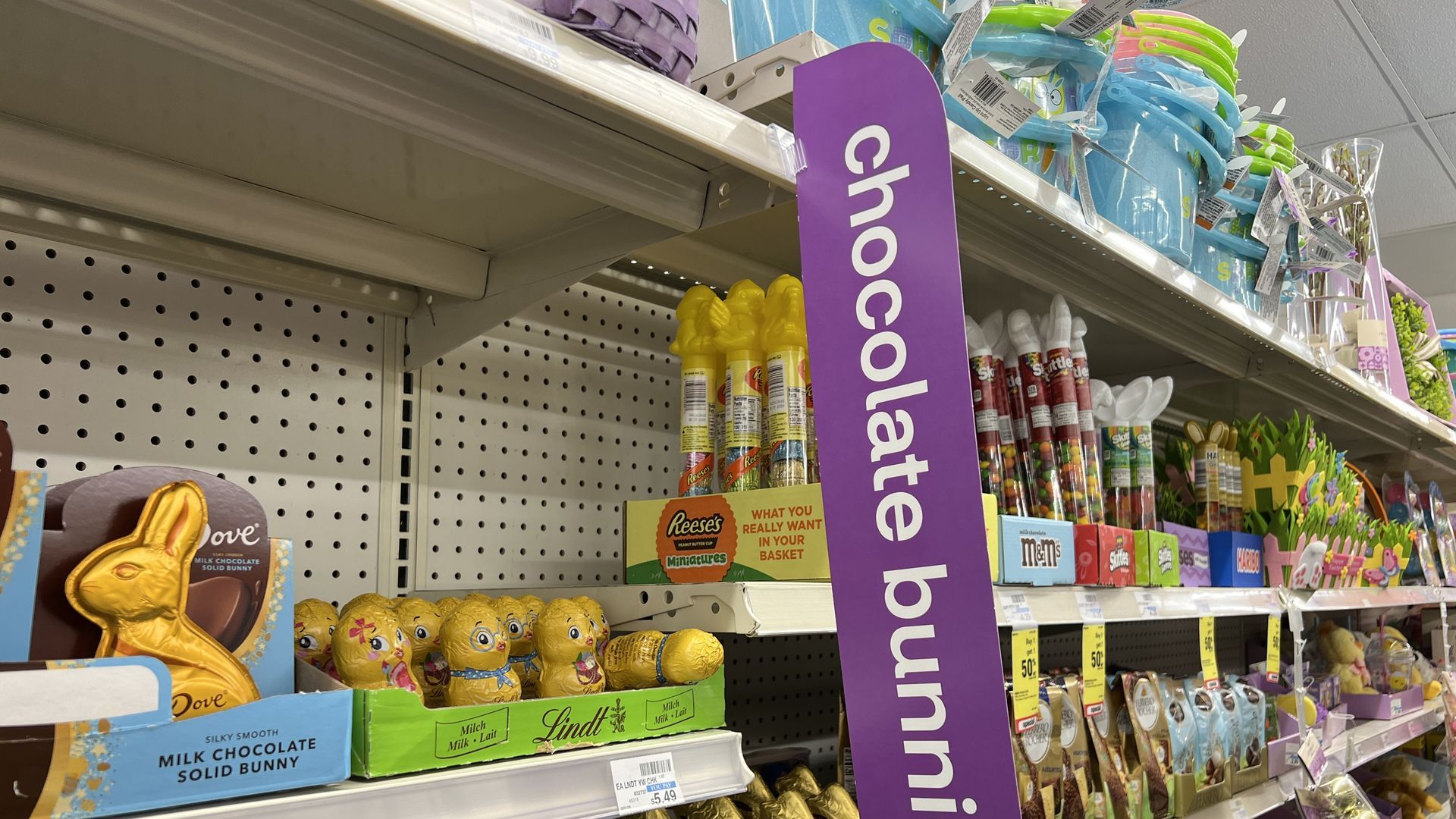
Cocoa prices have plunged from last year's record highs — but shoppers are still paying more for Easter chocolate, Wells Fargo says.
State of play: Major chocolate companies raised prices by up to 20% during the cocoa spike in 2024-2025, per a Wells Fargo Agri-Food Institute report, Axios' Kelly Tyko writes.
- For Easter, prices are up again — with chocolate costing shoppers about 14% more year over year in early 2026, according to Datasembly.
- Over the past five years, the cost of a full Easter basket has jumped 71%, with roughly three-quarters of that increase driven by candy, according to a CouponFollow analysis.
Cocoa prices have dropped from over $12,000 per metric ton in late 2024 to about $3,000-$3,300 today — but there are a number of reasons why chocolate prices haven't followed.
- Most Easter candy was made months ago, when cocoa was still far more expensive.
- Chocolate makers are also still working through higher-cost cocoa they locked in earlier — and protecting margins after the recent price shock.
The bottom line: Cocoa prices have cooled. Chocolate prices haven't — and consumers are still buying, with more than a quarter of adults purchasing Easter candy for themselves, according to a Ferrero survey.
🗓️ On this day in 1973, Motorola engineer Martin Cooper made the first public call using a cellphone. He placed the call to an engineer at rival Bell Labs, letting him know exactly what he was calling him from.
Today's newsletter was edited by Pete Gannon and copy edited by Sheryl Miller.
- Did a friend forward this to you? Sign up here to get Axios Closer in your inbox.
Sign up for Axios Closer