Axios Closer

March 18, 2026

Wednesday ✅.
Today's newsletter is 737 words, a 2½-minute read.
📉 The dashboard: The S&P 500 closed down 1.4%.
- 🛢️ Brent crude rose 7% to over $110 a barrel. Iran attacked an LNG site in Qatar, and President Trump formally waived a maritime shipping law in efforts to ease gasoline prices.
👀 Today's stock spotlight: Micron. After the bell, the company reported revenue nearly tripled in the latest quarter, driven by surging AI memory demand and tight supply. The stock is up more than 350% over the past year but is down about 3% today in extended trading.
1 big thing: Rates held in place, Powell may be too
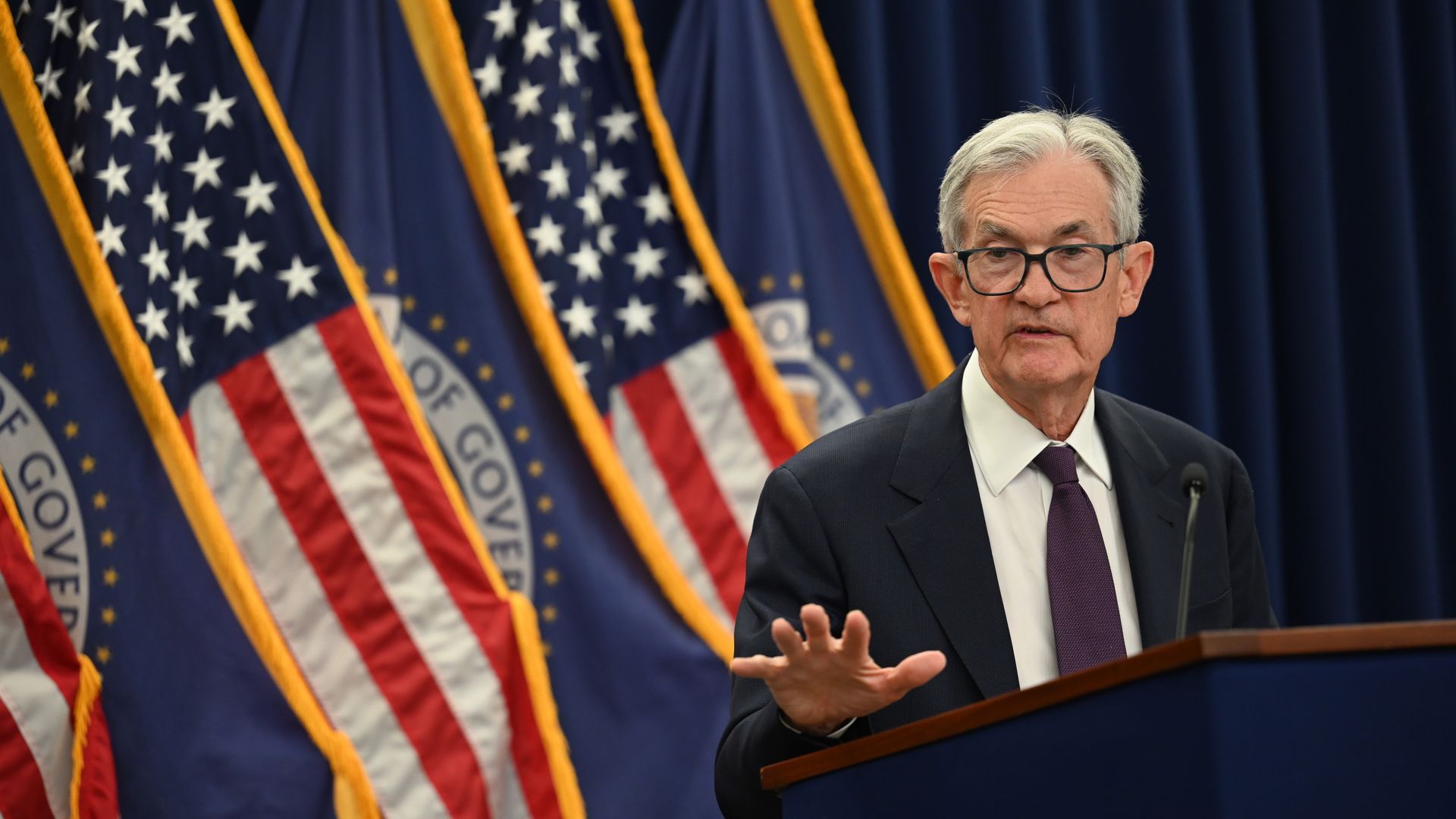
The Fed kept interest rates steady alongside hotter projections for inflation this year, with officials citing new "uncertainty" from the Iran war.
- 📉 Stocks declined, falling over half a percentage point after the announcement, with the Dow, S&P 500 and Nasdaq closing down 1.6%, 1.4% and 1.5%, respectively.
- 📈 Bond yields jumped, with benchmark 10-year Treasuries hitting 4.26%.
Zoom in: Fed officials voted 11-1 to hold rates where they are, Axios' Courtenay Brown and Neil Irwin write.
- Twelve of 19 officials now anticipate at least one rate cut this year. But there are signs of division beneath the surface: Seven expect just one cut — the same number who see rates holding steady through 2026.
🔎 What they're saying: In the Fed's closely parsed post-meeting statement, it removed language from January that said the unemployment rate "has shown signs of stabilization," noting instead that the jobless rate has been "little changed in recent months."
- 🗣️ Fed chair Jerome Powell, speaking to reporters, said that "in the near term, higher energy prices will push up overall inflation, but it is too soon to know the duration of the potential effects on the economy."
The intrigue: Powell said that he will remain in place — serving as "chairman pro tempore" — if his Trump-nominated successor, Kevin Warsh, has not been confirmed by the time Powell's term ends on May 15.
- Sen. Thom Tillis (R-N.C.) is blocking Warsh's confirmation pending resolution of a criminal investigation of the Fed chair. Tillis, Powell and a federal judge view it to be a blatant pretext to try to coerce Powell to lower interest rates.
What we're watching: A potential high-stakes standoff with the Trump administration over who will lead the world's most important central bank in less than two months.
2. Macy's grows, while getting smaller
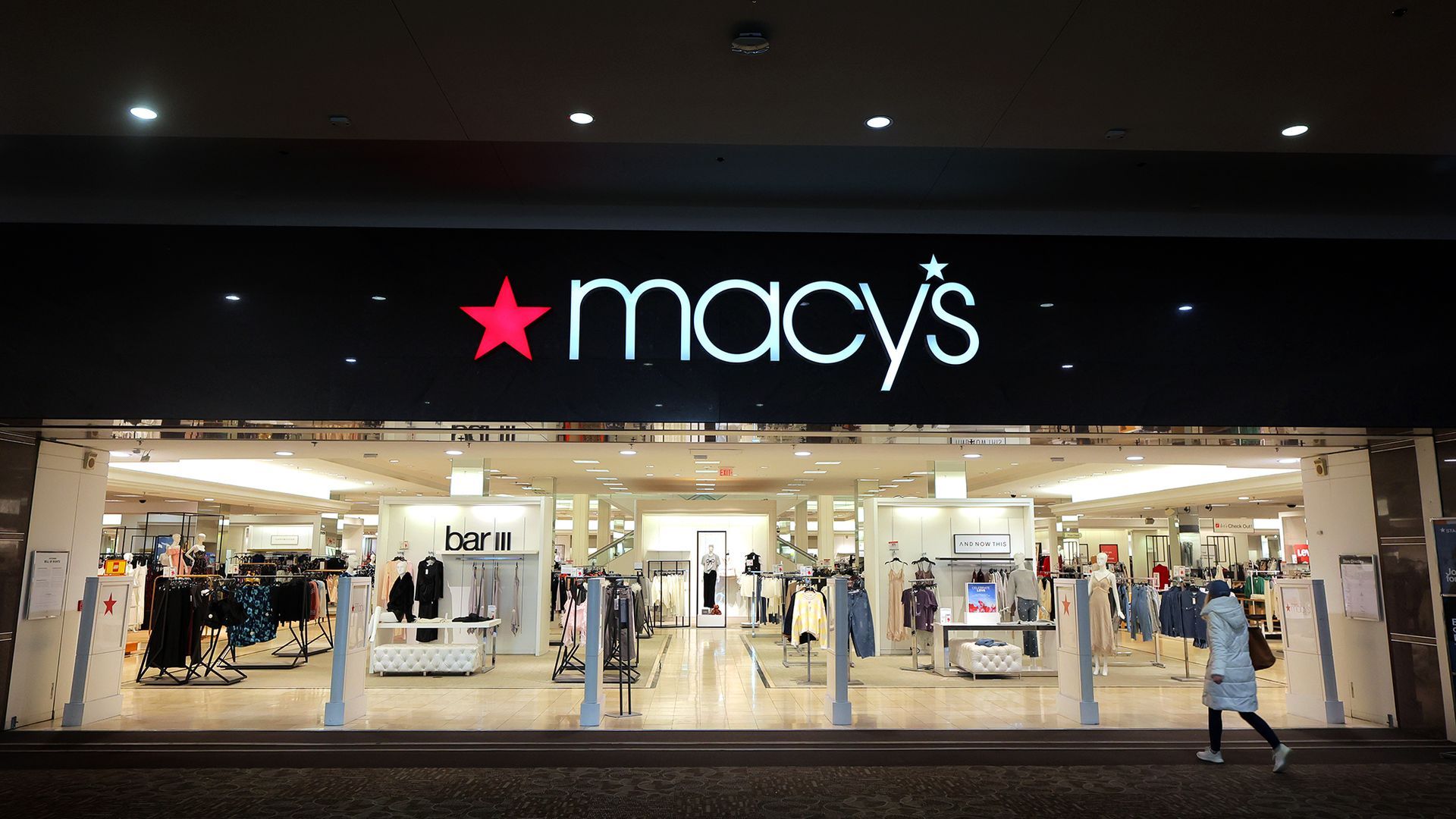
Macy's says its turnaround has hit an "inflection point," returning to growth after years of decline.
- Why it matters: The company is testing whether the department store model can survive by getting smaller, Axios' Kelly Tyko writes.
Driving the news: Macy's executives said this morning that the turnaround is gaining traction, driven by surviving stores and digital — even as the company extends its timeline for closing weaker locations.
- Comparable sales — a key measure tracking existing stores and online — rose 1.8% in Q4 and 1.5% for the year.
The big picture: Macy's is shifting toward a smaller fleet of stronger stores. The company is targeting about 350 namesake locations long term — down from more than 800 stores at its peak in the late 2000s.
3. Other happenings

🎸 Netflix is planning a global concert tour to showcase "KPop Demon Hunters" after the smash-hit animated film won multiple Oscars. (Bloomberg)
❄️ Snowflake, the cloud-based data storage company, is rolling out a new autonomous AI platform that will enable users to quickly access enterprise data and execute business functions. (Axios)
4. Predictions bar

Polymarket says it's planning to open a bar called "The Situation Room" in Washington, D.C.
State of play: The prediction market company today announced plans for the pop-up location, describing it as "the world's first bar dedicated to monitoring the situation."
- "Imagine a sports bar... but just for situation monitoring — live X feeds, flight radar, Bloomberg terminals, and Polymarket screens," the company said on X.
- The grand opening for the bar in downtown D.C. is Friday.
💭 Nathan's thought bubble: Any predictions on whether the drinks will be any good?
🗓️ On this day in 1968, the U.S. dropped the rule that at least 25% of its paper currency had to be backed by gold. The dollar wasn't fully free yet — foreign governments could still swap them for gold — but there were already far more dollars in circulation than the U.S. could realistically cover. Three years later, the link would snap for good.
Today's newsletter was edited by Pete Gannon and copy edited by Sheryl Miller.
- Did a friend forward this to you? Sign up here to get Axios Closer in your inbox.
Sign up for Axios Closer