Axios Closer

June 05, 2026

Friday ✅.
Today's newsletter is 734 words, a 3-minute read.
📉 The dashboard: The S&P 500 closed down 2.6% in a massive tech route. (See below)
🥶 Today's stock spotlight: Strategy (-6.9%), Michael Saylor's bitcoin treasury giant, as the price of bitcoin fell another 5% over the last 24 hours to around $60,000.
1 big thing: Chips sector bloodbath

Tech stocks plunged today amid rising bond yields and concerns about the massive growth expectations that have been fueling the AI trade.
Why it matters: It was a bloodbath for chip stocks — the physical infrastructure underpinning the promising AI economy.
Zoom in: The Nasdaq plummeted 4.2%, its worst session in 14 months, after a stronger-than-expected jobs report triggered the jump in yields — which would make it more expensive for AI companies to maintain their spending binge.
- Broadcom — which disturbed investors late Wednesday with its outlook for AI chips revenue — is now down more than 13% on the week.
- Nvidia tumbled 6.2% today, falling below the $5 trillion market cap threshold.
- The PHLX Semiconductor Sector index dropped over 10%, with Marvell Technology, Micron Technology, Intel and Advanced Micro Devices (AMD) all falling.
- And Meta declined 5.5%, with the FT reporting that the company is considering selling shares to help fund its massive AI build-out.
The downturn came as Washington is immersed in chatter over whether the government should take an ownership stake in individual AI companies.
- NOTUS reported last night that OpenAI CEO Sam Altman has reportedly discussed the idea with senior Trump officials.
Yes, but: The chips sector "remains significantly higher year-to-date, even after this week's pullback," Mona Mahajan, head of investment strategy at Edward Jones, told Bloomberg's "The Close."
2. World Cup jobs bump?
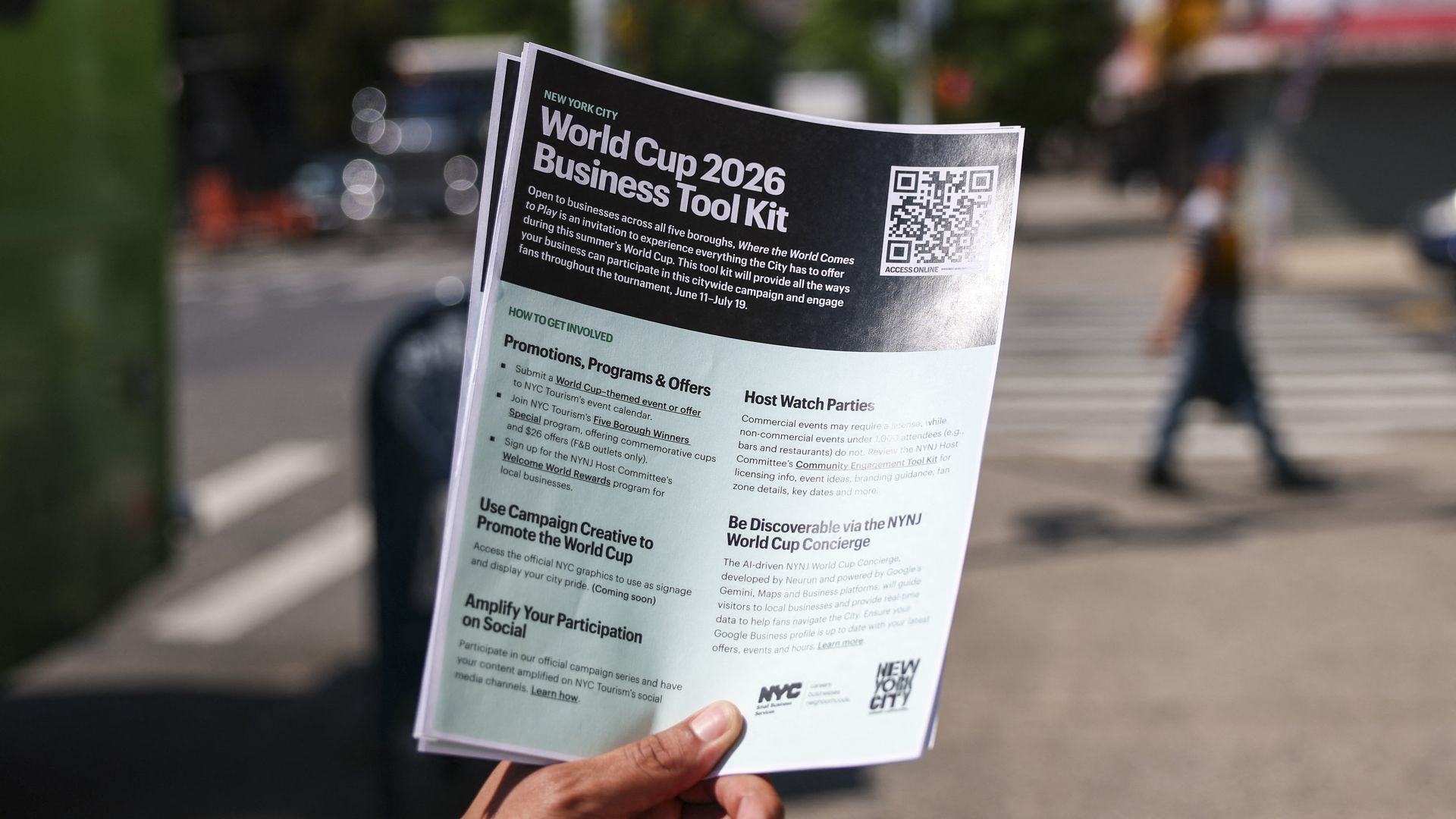
May's jobs report was undoubtedly hot, with the 172,000 jobs created more than double what economists were expecting — but some are giving the data a yellow card.
Intrigue: Many economists say the leisure and hospitality hiring burst was a one-time World Cup effect, Axios' Courtenay Brown writes.
- The sector — which includes hotels, restaurants, bars and entertainment venues — added 70,000 positions, well above the average monthly gain of 14,000 over the past year, according to the BLS.
- Employment in non-education local government roles (think jobs associated with security, infrastructure and more) rose by 50,000 last month.
What they're saying: "World Cup fever arrives early," economists at Bank of America wrote in a note, adding that the firm expected the temporary hiring boost to show up in June payrolls.
3. Lululemon's latest dip
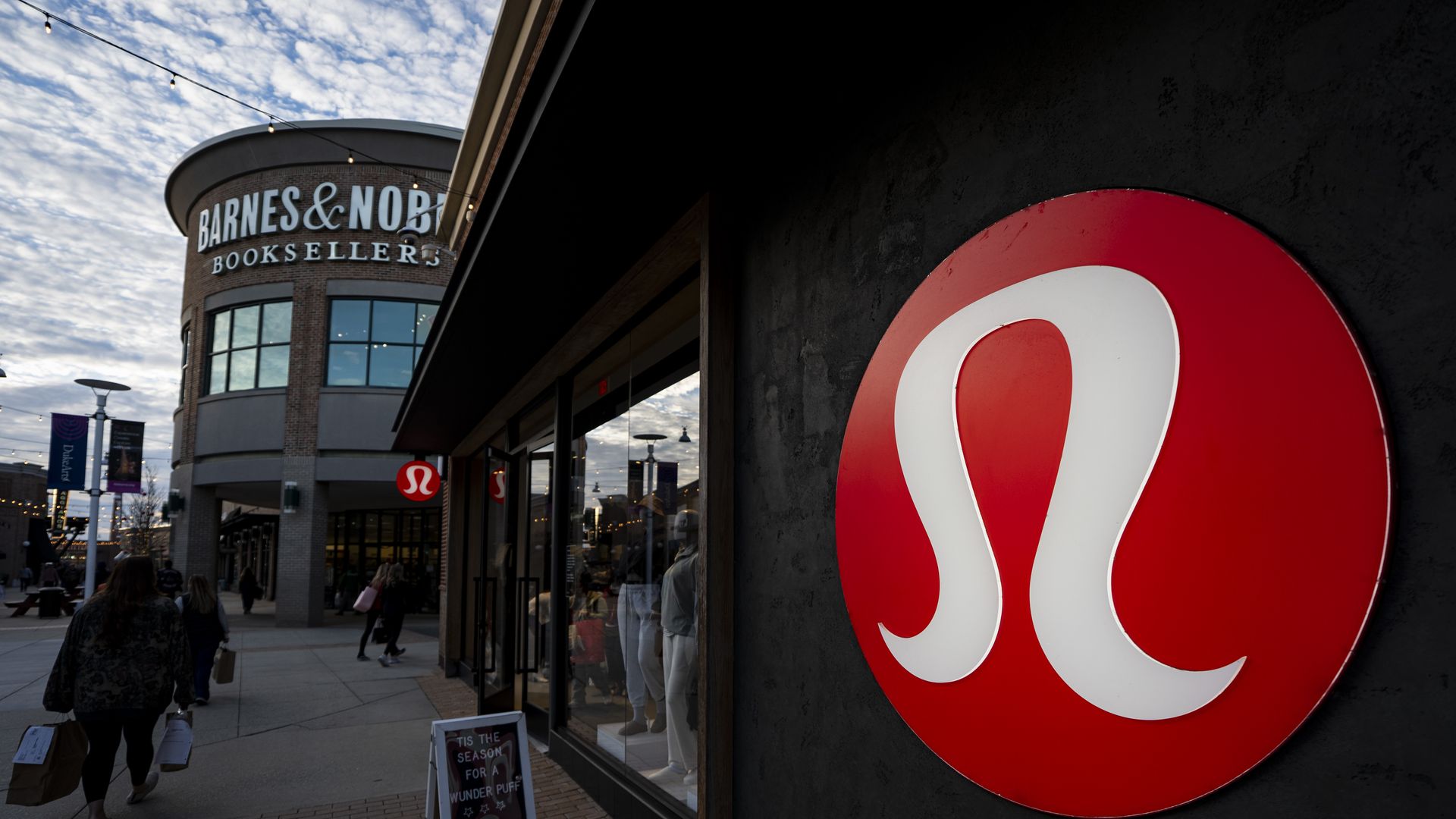
The sunset of America's leggings era continues to pummel Lululemon.
State of play: The athleisure retailer's stock slump deepened today after it lowered its earnings outlook yesterday afternoon.
- The retailer also reported that its comparable sales in the Americas fell by 5% in the first quarter.
- On an earnings call, interim co-CEO Meghan Frank bemoaned "spikes of negative commentary in the media and on social channels with regard to our brand."
The impact: The stock fell 8.6% today and is now down 45% for the year.
💭 Nathan's thought bubble: It's been 10 months since WSJ published a devastating quote from an NYC yoga teacher — "the legging's dead" — and it's getting increasingly harder to argue otherwise.
4. Other happenings

5. 👖Return-ageddon

Apparel retailers are fielding a sudden flood of returns from customers who are getting slimmer due to weight-loss drugs, WSJ reports.
The big picture: 14.6% of apparel exchanges in 2025 were due to the shopper sizing down, an all-time high based on a review of 38 retailers by returns manager Narvar.
- Budget suit retailer FlexSuits reported a 50% increase in returns.
The impact: For a $1 billion company, a 5- to 10-point increase in returns can reduce gross margins by $20 million, WSJ reported, citing Impact Analytics CEO Prashant Agrawal.
What we're watching: Retailers are "taking a harder line to keep returns in check," WSJ reports.
🗓️ On this day in 1883, the Orient Express left Paris on its inaugural run to Vienna. Run by the Belgian-founded Compagnie Internationale des Wagons-Lits, the route eventually stretched across the continent, connecting Paris to Istanbul — operating in various forms until 2009.
Today's newsletter was edited by Pete Gannon and copy edited by Amy Stern.
- Did a friend forward this to you? Sign up here to get Axios Closer in your inbox.
Sign up for Axios Closer