Axios Closer

April 24, 2026

Friday ✅.
Today's newsletter is 736 words, a 3-minute read.
📈 The dashboard: The S&P 500 closed up 0.8%.
🔥 Today's stock spotlight: X-Energy (+27%), the Amazon-backed nuclear energy company, jumped on its first day of trading after raising $1.02 billion in its IPO.
1 big thing: $1 billion Iran war headwind

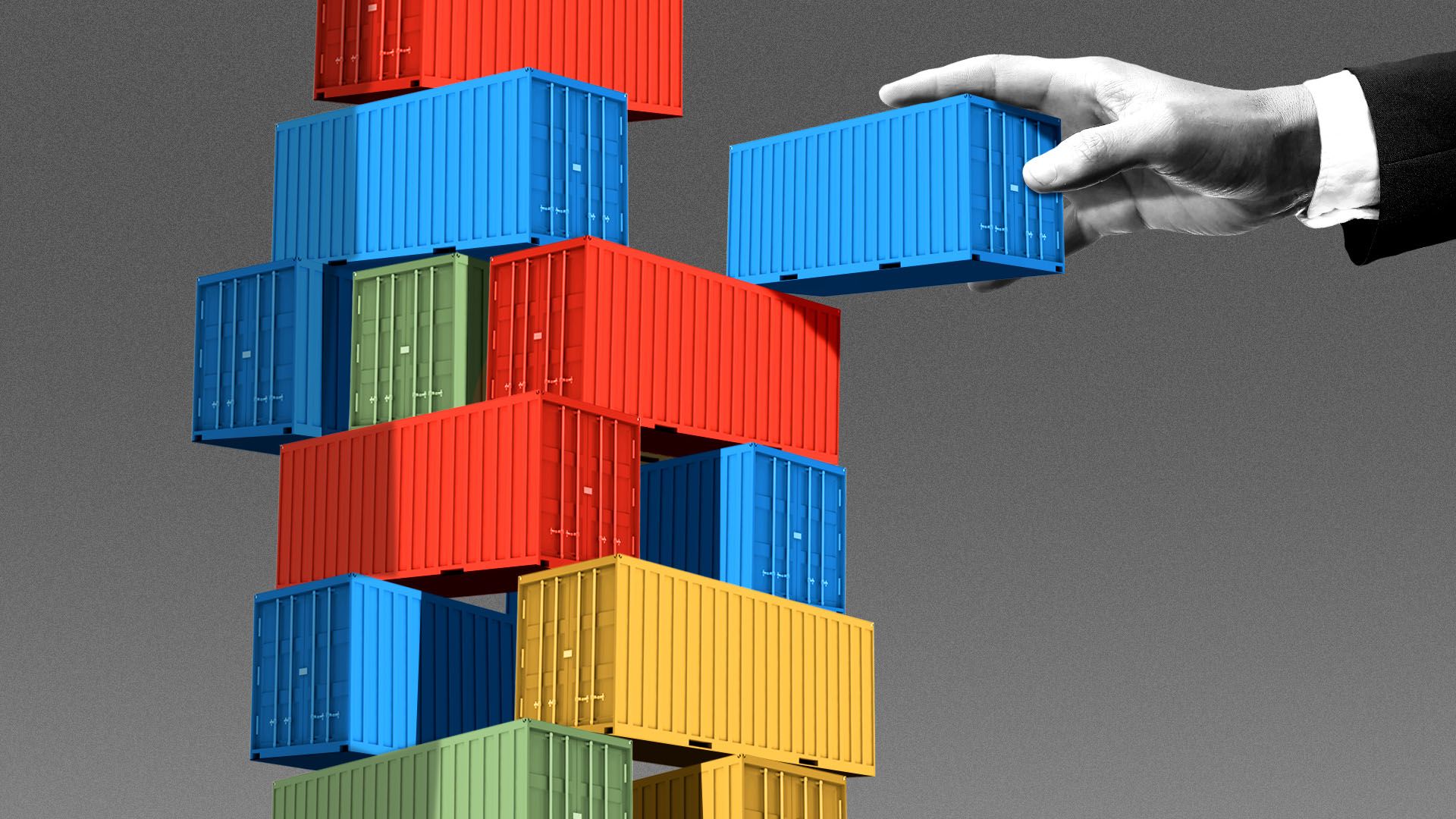
Procter & Gamble is bracing for a roughly $1 billion hit if oil prices stay elevated and the Iran war disrupts supply chains.
Why it matters: P&G is leaning on its COVID-era playbook to sustain momentum — and potentially widen the gap with smaller rivals.
🛢️ The big picture: The consumer goods behemoth today told investors that the annual cost impact of Brent crude at around $100 per barrel is roughly $1 billion after tax, compared with where it was before the war.
- In that scenario, transportation and logistics costs would rise.
- Inventory delays and storage costs would increase due to supply chain shifts.
- Higher oil prices would push up the cost of raw materials used to make ingredients and packaging, while production costs would increase as some materials become unavailable.
⚠️ Between the lines: "We [already] see some suppliers just not being able to supply at all. We see some manufacturing facilities that have been compromised by the war," CFO Andre Schulten said on an earnings call.
- "So it's not just the oil price, it's also the availability of product and input costs."
State of play: The company says that its business continuity plans "continue to perform well" and that it is developing multiple options to mitigate any ongoing cost and supply disruptions.
- "I think you've seen us excel in that space," Schulten said, noting the company's management of the COVID crisis.
💪 The intrigue: The CFO was asked on the call whether P&G's ability to handle these disruptions could serve as a competitive advantage.
- "We've seen other players struggle, especially if it's long supply chains, especially if it's heavily contract manufactured supply chains," he said.
Zoom out: P&G's quarterly results largely beat analyst expectations, headlined by 3% growth in organic sales.
- Shares closed up 2.5%.
2. Google bets big on Anthropic
Google will invest $10 billion in Anthropic, with the potential for an additional $30 billion — days after Amazon announced its own massive investment, Axios' Madison Mills writes.
Why it matters: Tech companies with their own AI ambitions keep betting on Anthropic.
Driving the news: Google is now committing a $10 billion cash investment at a $350 billion valuation for Anthropic.
- This expands the deal between Anthropic, Broadcom and Google to access additional compute capacity, Bloomberg first reported and Axios confirmed.
- Shares of Google hit session highs on the news, though tech stocks overall are rallying.
🔄 Between the lines: The AI financing circle keeps circling.
- Anthropic agreed to spend $100 billion to secure up to 5 gigawatts of compute from Amazon to train and run its Claude models.
- It will also get 5 gigawatts from Google as part of this latest deal.
3. Other happenings
4. Connecting bags, for connecting flights
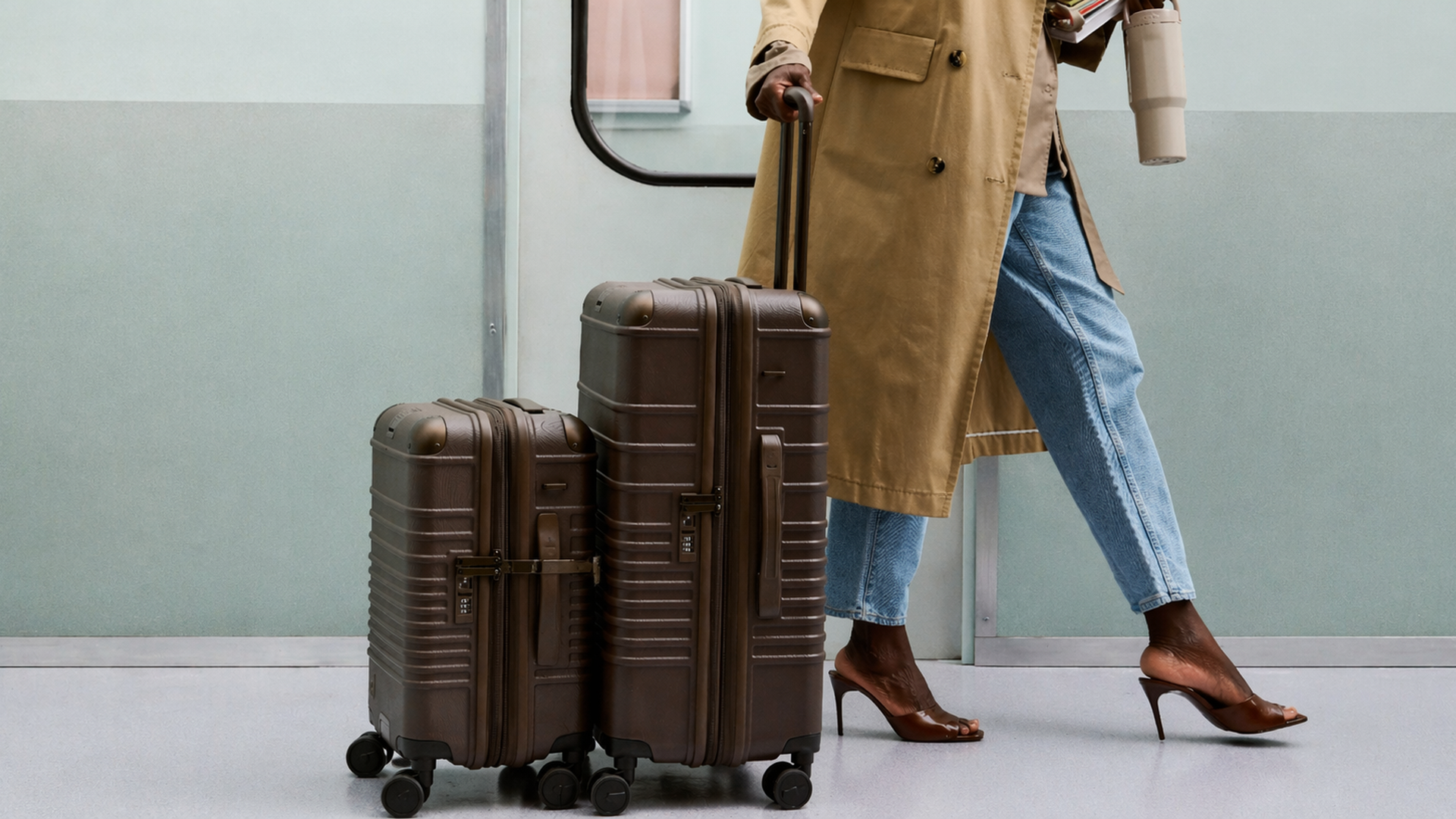
Travel gear is getting smarter — including how your bags move, Axios' Kelly Tyko writes.
- Travel brand Béis says it's tackling the hassle of juggling luggage with its new Hybrid Roller collection out this week.
- The suitcases "couple" together using built-in hooks and handles, so bags roll as one instead of veering off in different directions.
🧳 The big picture: Brands are racing to smooth out the small annoyances of flying as demand for travel remains strong.
- Away popularized built-in features like USB charging and compression systems, while Rimowa focused on durability and repairability.
Follow the money: About 62% of survey respondents aged 18–45 prioritize travel over other discretionary purchases, per Dataintelo.
- That translated to roughly $1.4 trillion spent by U.S. travelers in 2025, according to the U.S. Travel Association.
🏷️ Zoom in: Béis' new bags run $298 for a carry-on and $388 for a check-in, in line with other premium luggage brands.
🗓️ On this day in 1957, the Suez Canal was fully reopened to shipping following a roughly five-month closure stemming from the Suez Crisis. The closure disrupted global trade, drove up shipping costs and caused oil shortages across Europe.
Today's newsletter was edited by Pete Gannon and copy edited by Sheryl Miller.
- Did a friend forward this to you? Sign up here to get Axios Closer in your inbox.
Sign up for Axios Closer