Axios Closer

September 21, 2026

Monday ✅.
Today's newsletter is 841 words, a 3-minute read.
📈 The dashboard: The S&P 500 closed up 1.5%.
- The Nasdaq Composite rose 2.3% to a record close, driven by a surge in AI-related stocks.
🔥 Today's stock spotlight: Advanced Micro Devices (+10%), the chip maker, passed the $1 trillion mark for market cap.
1 big thing: Agentic turf war
The agentic shopping revolution is already running into a major roadblock: tension over who controls the experience and the related data.
- Amazon has blocked Meta's popular new Muse agent from perusing and buying products on its platform less than two weeks after Muse launched.
- Meta shares, meanwhile, closed up 11% as Muse rose to the No. 1 spot for free app downloads in Apple's and Google's app stores.
The big picture: The conflict suggests that AI-powered shopping could become a high-stakes battleground for retailers as a wave of consumer AI assistants emerge promising to simplify every aspect of users' lives.
Zoom in: "We think it's fairly straightforward that third-party applications that offer to make purchases on behalf of customers from other businesses should operate openly and respect service provider decisions about whether or not to participate," an Amazon spokesperson said in a statement.
- Amazon said it did not realize that Muse was going to access its store — and didn't authorize it to access customer accounts, scrape data or process transactions.
- The company cited concerns over customer security and user experience, and likened its decision to how food delivery and travel-booking apps operate in their industries.
Between the lines: Amazon — which recently introduced a shopping assistant based on its Alexa technology — has something to lose if people are using external agents instead of its own systems to shop on the platform.
- "That creates a fundamental question for agentic commerce: who owns origination and the customer relationship, and who simply fulfills the transaction?" Chris Jones, managing director at PSE Consulting, tells Axios in an email. "The answer is still very much up for grabs."
2. Aaaaand action!
Paramount Skydance agreed to a highly anticipated settlement today with 12 state attorneys general who sued to block its $110 billion acquisition of Warner Bros. Discovery, the company confirmed in a filing.
🎬 Why it matters: The settlement clears the path for the creation of one of the biggest TV and movie behemoths in the world and ends what has been one of the most expensive, drawn-out and dramatic merger fights in U.S. history, Axios' Sara Fischer reports.
🔍 Zoom in: As part of the settlement, Paramount has agreed to make a series of behavioral concessions — in the areas of film distribution, production and more — in exchange for not having to divest key assets, including WBD's lucrative cable networks.
3. Bitcoin's win-win


No Clarity, no problem.
- 📈 Bitcoin is up about 35% since Aug. 16 — and the crypto industry's latest legislative setback hasn't stopped the rally, Axios' Pete Gannon writes.
Catch up quick: Treasury Secretary Scott Bessent helped light the spark last month with plans to ramp up buybacks of long-dated government debt.
- Bitcoin has climbed another 9% since the Clarity Act, crypto's long-awaited market structure bill, stalled in the Senate on Sept. 15.
🏛️ Between the lines: Congress may be stuck, but regulators aren't waiting around.
- Two days after the vote, the SEC unveiled its "Innovation Exemption," opening a path for tokenized U.S. stocks to trade on blockchain-based venues.
- The CFTC also sent proposed crypto-market rules to the White House for review.
🗣️ The intrigue: Investors increasingly see friendly regulators as a powerful fallback if Congress can't deliver.
- "From a regulatory perspective, crypto was in a 'heads we win big/tails we still win' situation," Bitwise CIO Matt Hougan said last week on X.
4. Other happenings
5. Google's next chapter
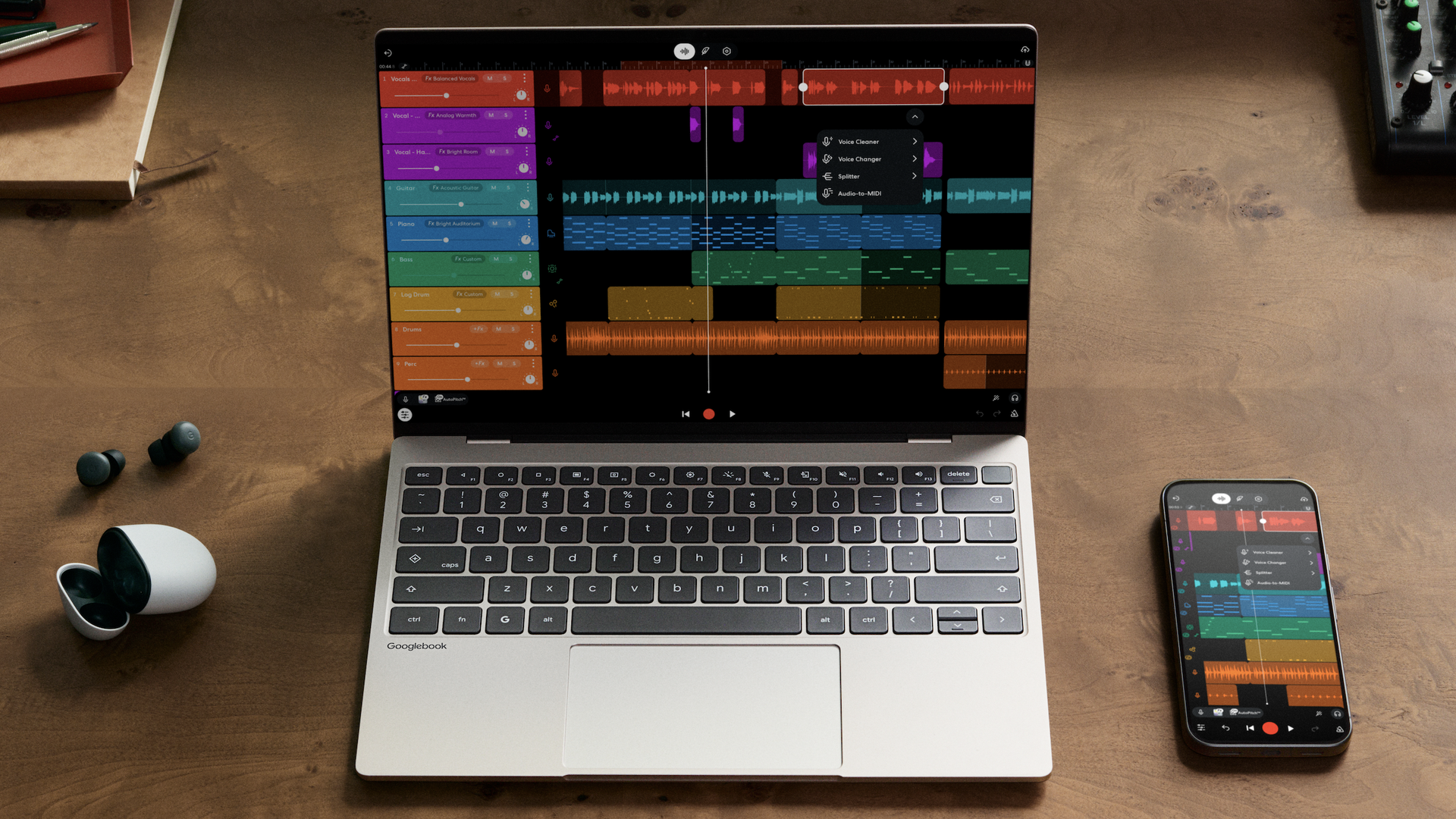
Google is launching a new line of laptops with a starting price of $899, aiming to rethink the laptop for an AI world where people move constantly between phones and computers, Axios' Ina Fried writes.
Between the lines: The tech giant is trying to build a laptop that works as smoothly for premium Android phone users as Apple's MacBook works with the iPhone.
- Top Android executive Sameer Samat described Googlebook in an interview as the beginning of a "multiyear endeavor."
- "The first version of Googlebook is really about building an amazing laptop for the Android community," he said.
Zoom out: The company said today it is opening preorders for five Googlebooks from Acer, Asus, Dell, HP and Lenovo, with starting prices ranging from $899 to $1,299. The first devices hit store shelves Oct. 4 in the U.S.
🗓️ On this day in 1937, JRR Tolkien's "The Hobbit" was published. Tolkien first started dreaming up Middle-earth after a hiking trip in Switzerland when he was just 19.
Today's newsletter was edited by Pete Gannon and copy edited by Carlos Cunha.
- Did a friend forward this to you? Sign up here to get Axios Closer in your inbox.
Sign up for Axios Closer

Catch up on the day's biggest business stories and look ahead to important trends. Led by Nathan Bomey.