Axios Chicago

December 10, 2024



☃️ Happy Tuesday! Ninety years ago today Chicago was hit with a huge snowstorm that stretched from Northwest Indiana to Wilmette and dropped 6-12 inches of snow.
- Today's weather: Colder and cloudy with a high of 33.
🧩 Become a core piece of our newsroom when you become a member today.
🎂 Happy birthday to our Axios Chicago members Michele Judge and Christine Kandaras!
Today's newsletter is 846 words — a 3-minute read.
1 big thing: Deportations could starve restaurants
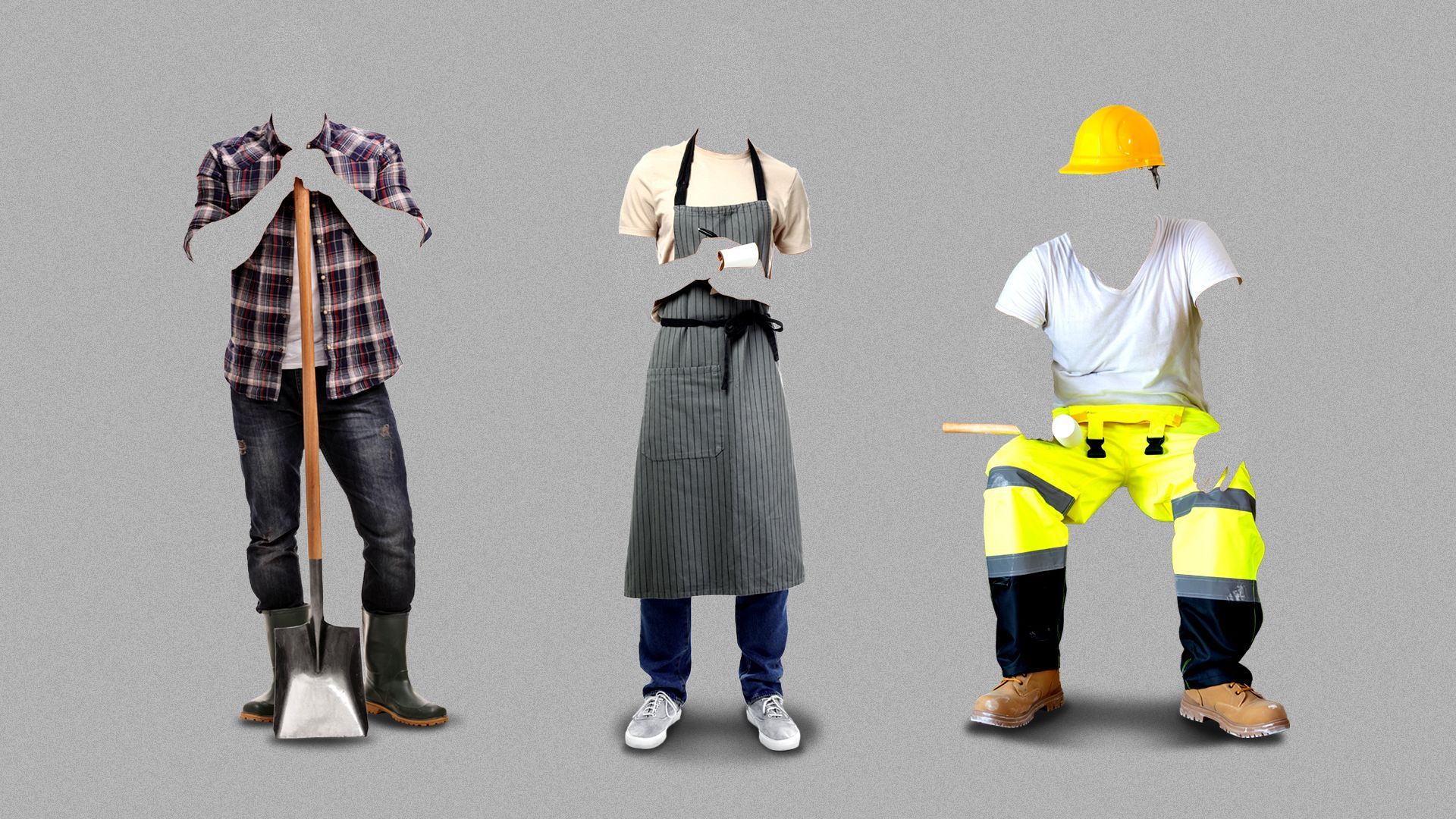
President-elect Trump's plan for mass deportations could hurt local restaurants, meat packers and farmers who rely heavily on immigrant workers, according to data and local experts.
Why it matters: The resulting labor shortages could spike food prices, shutter restaurants and leave produce rotting on the vine.
Between the lines: The undocumented labor force undergirds much of the U.S. food industry, helping keep prices lower than they would be without those workers, according to data analyses and industry leaders.
What they're saying: "This is the elephant that everybody's trying to hide but everybody knows it," Chicago restaurant owner and executive director of the Illinois Restaurant Association Sam Sanchez tells Axios.
- "Without the [undocumented] labor force, restaurants will shut down."
The other side: "While we deeply sympathize with the plight of those seeking a better life, compassion must be balanced with practical governance," Republican Cook County Commissioner Sean Morrison said in a statement.
- "It is imperative that we develop and implement a plan to address and work toward the immediate repatriation of migrants to their nations of origin."
The intrigue: Sanchez says many restaurateurs didn't know how much of their staff was undocumented until COVID-19 arrived.
- "Everyone eligible for unemployment was collecting $1,000 a week and off traveling [during COVID]," he says. [But] "the undocumented showed up and kept our businesses going."
Yes, but: Deportation proponents argue that restaurateurs could hire documented people for the same jobs at higher wages.
Reality check: "Restaurants can't afford to pay more and no one is gonna pay $30 or $40 for a burger," Sanchez says, predicting that menu prices would have to rise to compensate.
- Plus, he says few people actually want to do kitchen labor because it's so taxing.
By the numbers: The loss of millions of cooks, agricultural workers, meat processors and servers across the country would rob the treasury of billions.
- In 2022, Illinois raised $1.5 billion in tax revenue from undocumented workers.
Other food industries: The Department of Labor estimates 42% of crop workers are unauthorized, leaving farmers in nearby southwest Michigan bracing for "massive interruptions."
- The Illinois Association of Meat Processors is also seeking help from the federal government to legalize their workers.
What we're watching: If and when deportations start, Sanchez says he worries that undocumented people will "fear to go to work, and will ask their kids to stop going to school."
2. Falling undocumented population in Illinois


Illinois has the sixth largest undocumented population in the nation, according to Pew, ranking behind:
- California (1.8 million)
- Texas (1.6 million)
- Florida (1.2 million)
- New York (650,000)
- New Jersey (475,000)
Zoom in: About 70% of Illinois' 400,000 undocumented immigrants have lived here for more than a decade, per the Migration Policy Institute.
3. Tips and hot links: A new addition to Michelin
⚖️ A federal grand jury in Chicago charged two top Syrian officials under the Assad regime with war crimes against Americans and others, according to a U.S. indictment that was unsealed yesterday. (Axios)
⭐️ Cariño in Uptown is the newest Chicago restaurant to receive a Michelin star, the prestigious guide announced yesterday. Moody Tongue in the South Loop is one of four local spots that lost a star this year. (Crain's)
🛒 The Garfield Park Community Council has reopened a pop-up grocery store that's intended to help fill the need for fresh foods after Aldi closed in the West Side neighborhood. The pop-up is open through the end of the month. (Block Club)
4. 100 years of Chicago's fight for gay rights
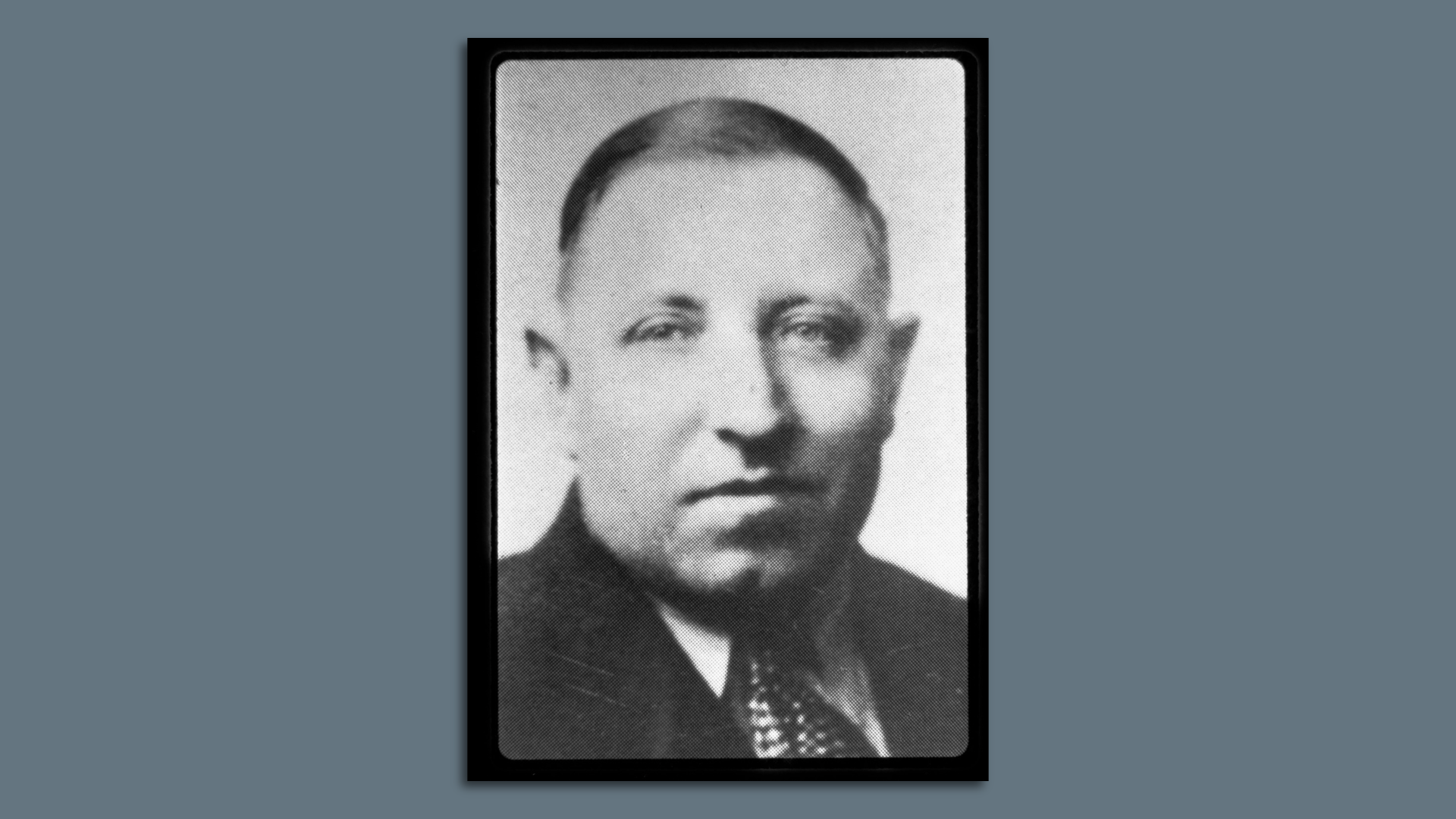
December marks the 100th anniversary of a Chicagoan's pivotal role in the fight for equal rights.
Why it matters: While the 1969 Stonewall Riots in New York City are generally seen as sparking the modern fight for LBGTQ+ rights, Chicagoan Henry Gerber started the country's first gay rights group here in 1924.
Driving the news: The Chicago History Museum and the Gerber/Hart Library and Archives are hosting "100 Years of LGBTQIA+ Rights: Henry Gerber and the Society for Human Rights" at 6 tonight at the museum.
Flashback: Gerber started the Society for Human Rights (SHR) after experiencing the German homosexual emancipation movement while stationed there for the U.S. Army.
- SHR created the first American publication for homosexuals, called "Friendship and Freedom."
- In 1925, Gerber and members of the group were arrested on "obscenity" charges, according to the Legacy Project.
Lasting legacy: Gerber's home in Old Town is designated a national historic landmark, and the Gerber/Hart Library and Archives in Rogers Park houses a lending library, research institute and archive of LGBTQ+ history in Chicago and the Midwest.
What they're saying: "[Gerber] and his fellow SHR members laid the groundwork for more official recognition of sexual and gender minorities later in history and that all started here in Chicago," Greg Storms from the Chicago History Museum tells Axios.
- "Unfortunately, this history — like a lot of pre-Stonewall activism — has been forgotten by the general public and our goal is to help raise awareness about the long history the fight for queer rights has in our nation and worldwide."
5. Where in the world is ... Monica?

Can you guess where Monica is this week? Here's a hint:
Opened for worship in 1914
This Gothic cathedral's a sight to be seen
Today it's an anchor of the Magnificent Mile
And hosting a Bird who's whistling in style
Edited by Lindsey Erdody.
📺 Carrie is sad that "Somebody Somewhere" is over, but loves this "Modern Love" episode with star and creator Bridget Everett.
🍻 Monica looks forward to a trivia extravaganza Thursday at Skylark Restaurant and Lounge featuring Chicago historians Paul Durica and Tim Samuelson.
🏖️ Justin is on vacation.
Want more Axios Chicago content? Check out our Instagram for extra stuff to do, behind the scenes photos, videos and more!
Sign up for Axios Chicago
