Axios Boulder
October 16, 2026

🌈 Happy Aloha Friday, everybody!
- 🎵 Sounds like: "Never Get There" by Claire Wright and Iam Tongi
☀️ Today's weather: Our dalliance with winter is over … for now.
- We should see sunny skies all weekend, with highs in the 50s today and the 70s tomorrow and Sunday.
🔥 Situational awareness: All that rain did us some good. Boulder County has rescinded all remaining fire restrictions.
Today’s newsletter is 860 words — a 3.5-minute read.
1 big thing: Boulder hits Sundance rental goal

Boulder's already beaten its short-term rental licensing goal, three months before Sundance makes its Colorado debut.
Why it matters: More rentals could help keep festivalgoers — and their cold hard cash — in town while giving residents an opportunity to cash in.
Driving the news: As Sundance tickets went on sale this week, Boulder had 1,848 short-term and festival lodging rental licenses issued or pending as of Oct. 1, according to the city and Visit Boulder.
- Of those, 1,525 properties are cleared to advertise, already exceeding the city's goal of 1,500 licenses.
State of play: Applications picked up in September, and Visit Boulder CEO Charlene Hoffman expects that to continue as the festival approaches.
- Airbnb says searches for Boulder stays during Sundance have jumped 500% compared with last year.
Catch up quick: Boulder created a special festival lodging license to make it easier for homeowners to rent their homes during the event.
- The license allows residents and approved tenants to rent their properties for up to 29 days annually during major city-approved events, with fewer requirements than a traditional short-term rental license.
- Airbnb also announced a $200 bonus to qualifying first-time hosts who list their entire home and secure bookings by Dec. 31.
By the numbers: Visit Boulder suggests charging $250–$300 per night for a one-bedroom condo and $1,100 to $1,400 for a four-bedroom house.
- Those estimates draw on two years of booking data from Park City, Utah, Sundance's former home, along with Airbnb and VRBO pricing benchmarks from January.
Reality check: Boulder has fewer than 4,000 hotel rooms, a fraction of what's available in Park City, which hosted roughly 85,000 Sundance attendees in 2025.
- Boulder officials have long acknowledged that many visitors will likely stay in surrounding communities, but hope more rentals will keep festivalgoers close to the action.
2. Weiser woos Republicans
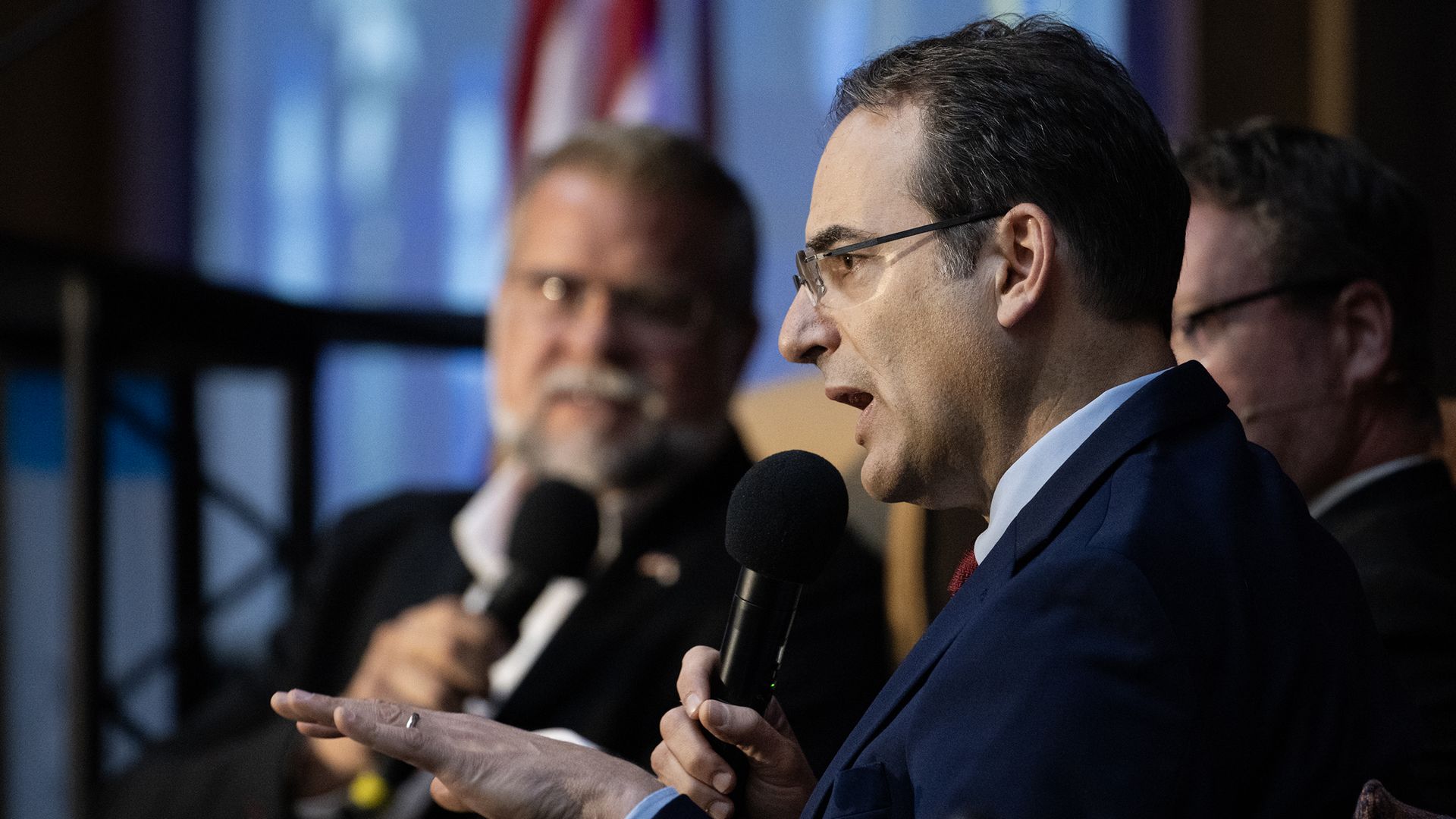
Last month, in the back of a bustling Grand Junction bagel shop, Democratic gubernatorial candidate Phil Weiser spent an hour courting a key Republican budget writer.
The intrigue: The meeting with state Rep. Rick Taggart didn't appear on Weiser's public schedule — and it's not the only time he's quietly reached across the aisle.
Why it matters: Weeks before the Nov. 3 election, Weiser — the runaway favorite — is acting like the winner and looking ahead to build a bipartisan coalition.
State of play: The two-term attorney general has promised to tap diverse leaders across the state for his administration — and he's seriously considering appointing a Republican to his cabinet.
- In addition to Taggart, Weiser name-dropped state Sen. Barbara Kirkmeyer, a former Republican candidate for governor, and Senate GOP leader Cleave Simpson at a recent forum with business leaders.
What he's saying: "We are absolutely better together," Weiser said at the race's lone candidate forum, hosted by the Colorado Chamber of Commerce.
The latest: Weiser on Wednesday revealed endorsements from more than a dozen prominent Republican leaders, lobbyists and local officials, notably former Attorney General Cynthia Coffman and former U.S. Rep. Ken Buck, who also served as state GOP chair.
- He also landed the endorsement of the state's largest police union, the Colorado Fraternal Order of Police.
- Weiser is "the kind of leader who's going to include everyone from all four corners of this great state," Buck said.
3. The Bubble: Louisville hospital breaks ground

🏥 AdventHealth's new Avista hospital in Louisville's Redtail Ridge district broke ground Wednesday and is expected to open in early 2029. (BizWest 🔑)
🥫 Colorado families are struggling to afford groceries as rising food costs put pressure on household budgets and leave more residents facing food insecurity. (Denver Post 🔑)
⚛️ Boulder-based EMode Photonix has raised $1 million in pre-seed funding to develop simulation tools that could accelerate the development of photonics technology for quantum computers. (BizWest 🔑)
4. 🙏 Faith and AI
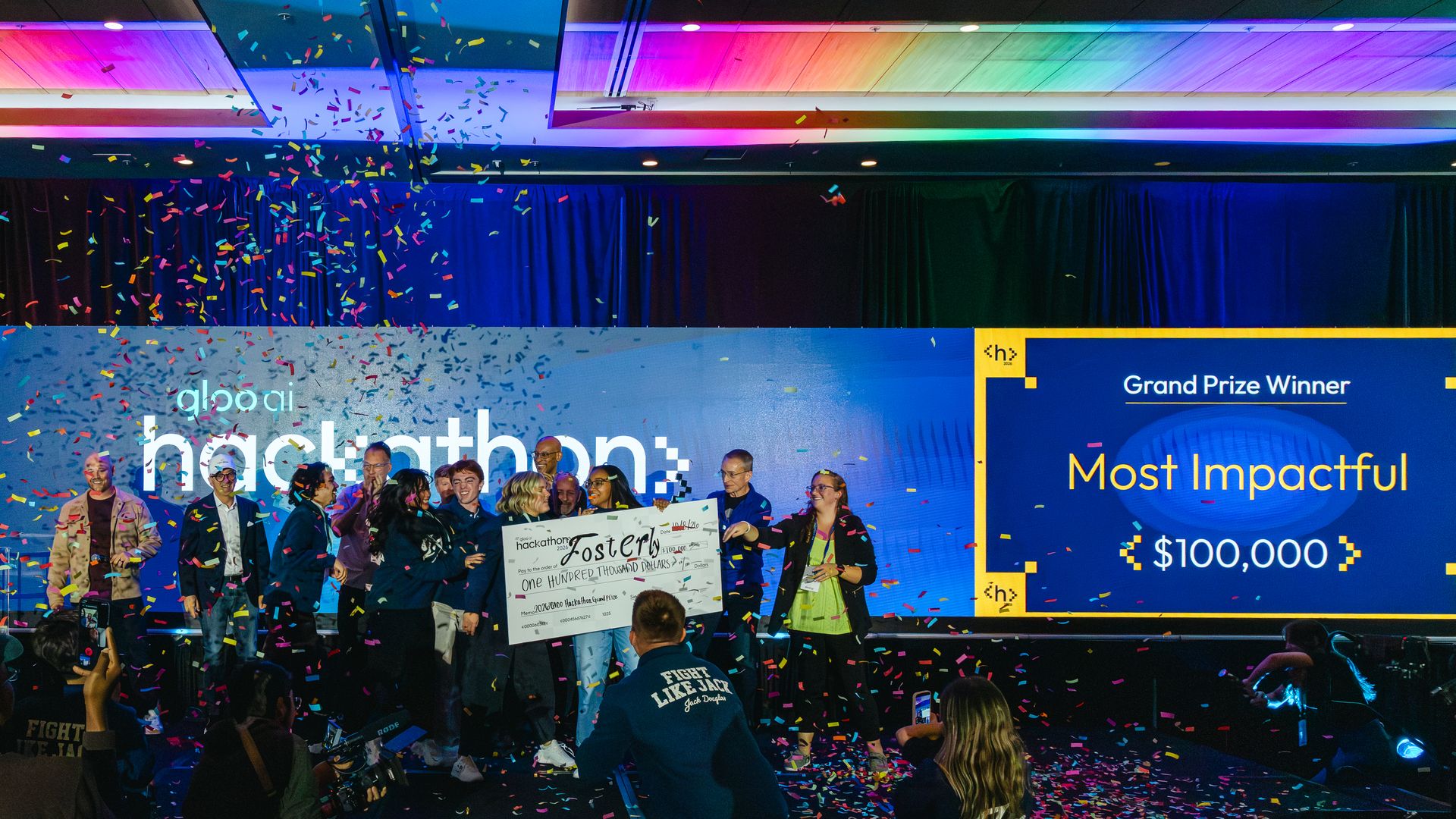
A little faith in AI went a long way in Boulder last week, as more than 1,000 innovators competed for $200,000 in prizes by putting AI to work for good.
State of play: Boulder-based Gloo, a technology company that develops AI tools and other resources for churches, ministries and nonprofits, hosted its annual AI Hackathon last week at the Limelight Hotel.
Driving the news: A team from Austin Christian University won the $100,000 grand prize for Fosterly, a tool designed to connect young people aging out of Texas' foster care system with support services.
- Three other teams each won $20,000 for projects ranging from nonprofit management software to tools supporting missionaries and religious communities.
What they're saying: "At Gloo we believe AI should be shaped for good, reflecting the needs, values and aspirations of the faith and flourishing ecosystem," said Scott Beck, co-founder and CEO of Gloo.
🎸 Mitchell discovered Josh Ross on the radio in Michigan.
Thanks to Gigi Sukin for editing.
Sign up for Axios Boulder
Get smarter, faster on what matters in Boulder with Mitchell Byars.