Axios Boston

May 04, 2025

It's Sunday — surprised to hear from us?
Boston's economy faces unprecedented upheaval as the new Trump administration exerts its will, while pre-existing challenges — like housing affordability — stubbornly persist.
- Today, we're diving deep into these issues.
🔍 Find these stories on our new Business Brief page.
Today's newsletter is 861 words — a 3.5-minute read.
1 big thing: Eds and meds in the crosshairs

The economic headwinds blowing into Boston are all coming from Washington, as the Trump administration targets the state's core sectors: higher education and healthcare.
Why it matters: Policy changes and funding cuts from the Trump White House threaten the greater Massachusetts economy, which is fueled by higher-paying research and teaching jobs, investment in life sciences and the influx of international spending.
- The combination of research funding cuts, threats to end tax-exempt status for universities and visa revocations for international students could rock not just the medical and university systems, but the region's identity and economic stability.
What they're saying: "Universities and teaching hospitals are to Boston what cars are to Detroit, what energy is to Houston or finance is to New York," Lawrence Bacow, a former president of both Harvard and Tufts, told the New York Times.
Catch up quick: Harvard is at the epicenter of Trump's war against higher education. At the same time, Massachusetts' progressive culture has come under fire from Republicans in power.
- Trump has attempted to freeze $2.2 billion in research funds for Harvard and rescind schools' ability to enroll foreign students.
- Massachusetts universities received more than $2 billion in federal research grants last fiscal year, with $686 million going to Harvard.
- "Sanctuary City" communities like Chelsea and Somerville have taken the White House to court over cuts to federal funding.
- Boston Mayor Michelle Wu — already struggling with a tight city budget — was called before Congress over immigration policies in March. On the line are $300 million in federal funds for the capital.
Threat level: The state receives roughly 31.7% of its annual revenue, $25.7 billion in 2022, from the feds.
Massachusetts leads the nation in federal science funding from the NSF and NIH — spending Trump is looking to cut.
- Mass General Brigham, Harvard Medical School's teaching hospital partner, received over $1 billion from NIH.
- The already-high cost of living in New England is being exacerbated by inflation, which hit 4.5% in the region in February, higher than the national rate of 2.8%.
Zoom in: The impacts are already hitting local workers.
- Harvard, MIT, Brown, and several other schools have frozen hiring.
- UMass Chan Medical School has rescinded Ph.D. admission offers and anticipates layoffs to come.
- Boston and Cambridge's biotech sector has a record 16.1 million square feet of unleased lab space to fill.
What we're watching: Tourism — a roughly $25 billion sector for Mass. — is another area that could see a downturn if international visitors avoid the U.S.
Keep reading: Economic woes go beyond higher ed
2. Zoom in: 💸 LGBTQ+ health center gutted
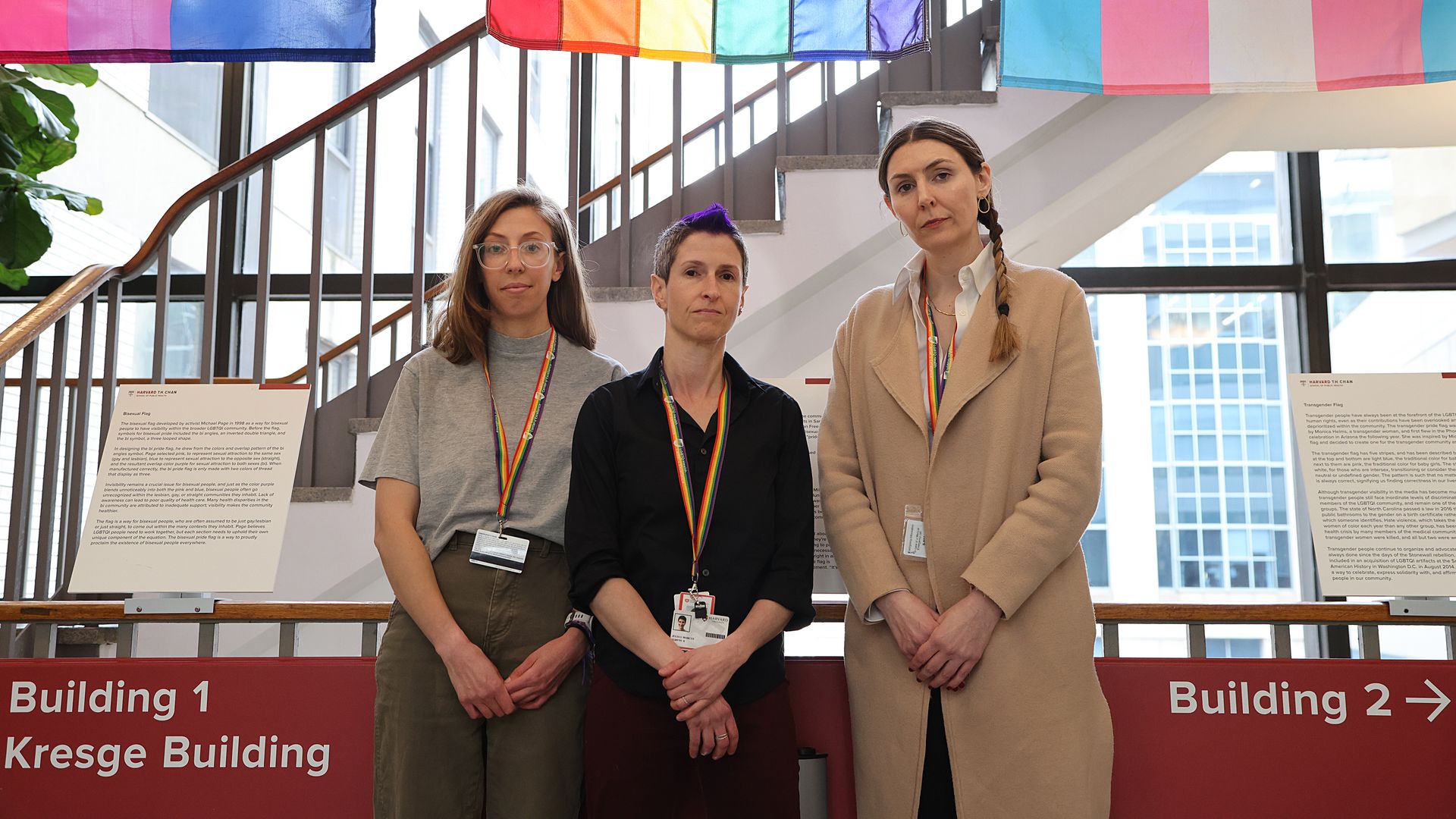
One Boston victim of recent federal research cuts is the newly opened LGBTQ+ Health Center of Excellence at Harvard University.
State of play: The NIH clawed back the remaining $5.9 million of nearly $16 million in research funding, founder Brittany Charlton said.
Threat level: The cuts have killed research on over-the-counter PreP, health outcomes for pregnant lesbian, gay and bisexual women, and youth mental health.
What they're saying: "We were already not investing enough (in LGBTQ+ health research)," says Charlton, who last month joined a federal lawsuit challenging the cuts.
- "Now with all of these terminations coming down in seemingly very targeted ways ... our science is under attack."
3. 🛍️ One retailer that isn't sweating tariffs

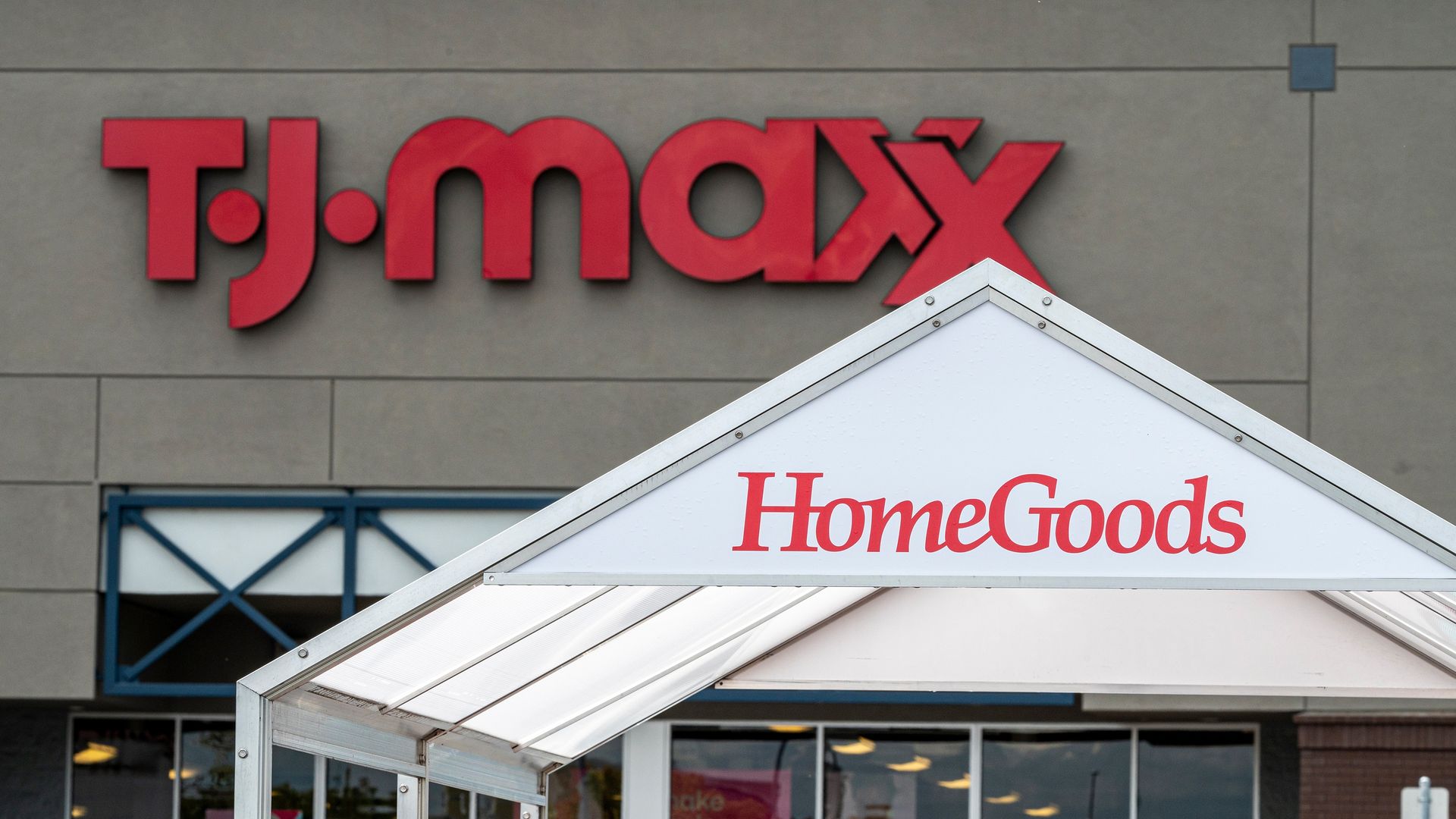
The effects of tariffs aren't expected to slow down the "treasure hunt" at the Boston-based parent company of T.J. Maxx, Marshalls and HomeGoods.
Why it matters: Some retailers are growing increasingly worried President Trump's trade war and volatility will lead to empty shelves, higher prices and more store closures as Chinese imports screech to a halt.
- But TJX and the off-price retail sector are "relatively insulated from tariffs," according to a recent Bank of America analyst report.
Why is off-price retail insulated from tariffs?
Off-price retailers, which also include Ross and Burlington, typically stock up on merchandise that other retailers already imported and previously paid tariffs on but could not sell themselves.
- Off-price retailers are continuing to "gain share as consumers feel increasingly stretched by inflation," the Bank of America report said.
- "We view off-price as a relatively better performer versus the rest of retail in a macro slowdown," the report said.
- UBS analysts said in a recent report that they view "TJX as capable of taking major market share from Department Store peers over the next few years."
Go deeper: How big is TJX's business?
4. 🏘️ Small apartments get smaller


Boston's tiny apartments are getting tinier.
Why it matters: The average size of newly built apartments in Boston has shrunk 11% over time, data shows, even though rents have soared.
By the numbers: Apartments built in Boston between 2015 and 2024 averaged 772 square feet — among the most cramped in the U.S., according to a report by RentCafe.
- That's a drop of 94 square feet from the previous decade, the apartment-search website found.
Driving the news: In many cities where apartments are downsizing, developers are prioritizing smaller floor plans, per the report.
Reality check: High prices and small spaces aren't stopping renters from moving to Boston.
- It ranks among the top U.S. cities for apartment hunters this year, according to search data from Apartments.com.
Deehan is in Florida today, talking about anything but the higher ed death spiral.
Steph has enough Costco coffee to withstand at least the initial impact of tariff-related price hikes.
This newsletter was edited by Jeff Weiner.
Sign up for Axios Boston