Axios Austin

December 03, 2024




2. Charted: Paxton's evidence
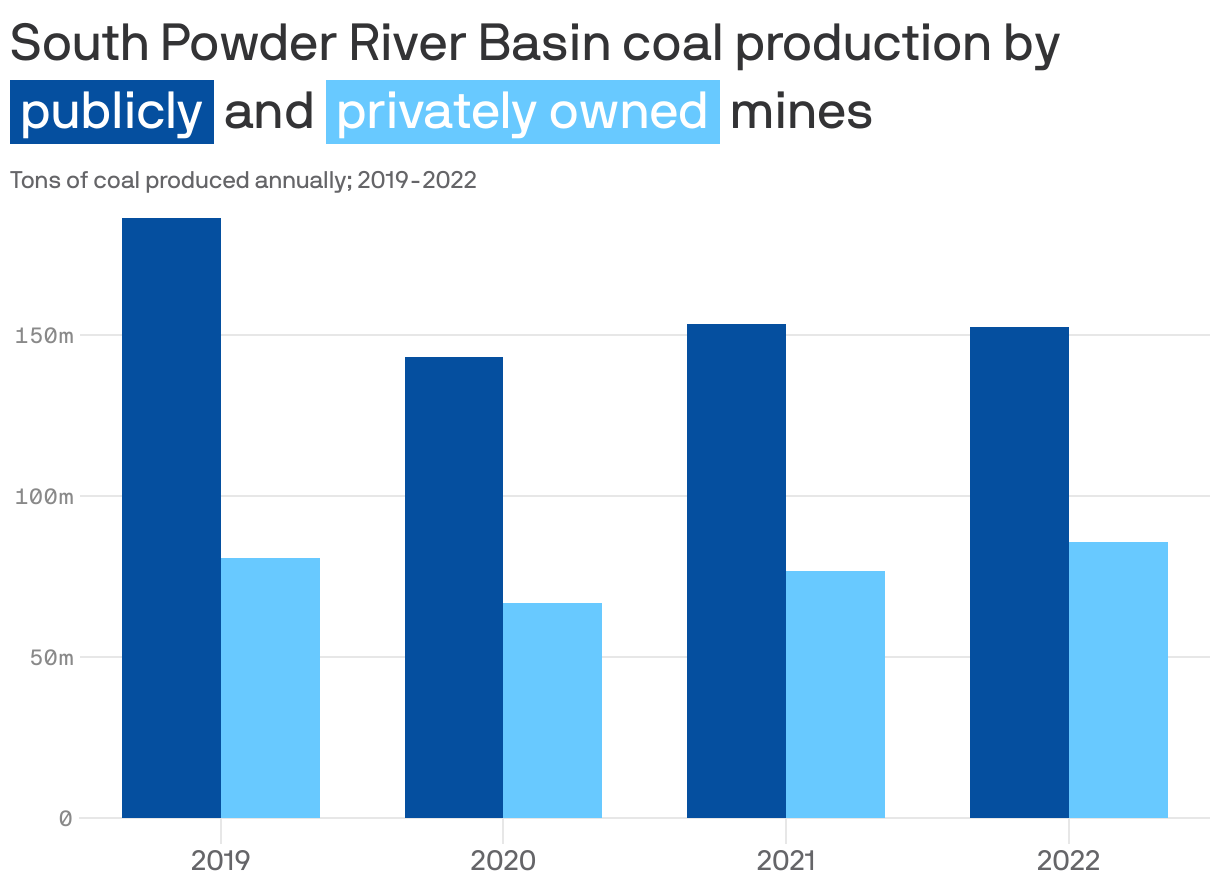
"The anticompetitive effects of Defendants' conduct has been pronounced and unmistakable," claims Paxton in his complaint, adding that "this dynamic is particularly clear" in the South Powder River Basin market.
The big picture: Production of SPRB, a particular grade of coal mined principally in Wyoming, fell in 2020 when the pandemic hit electricity demand.
- Paxton's claim is that, the pandemic notwithstanding, public coal miners — pressured by their shareholders — reduced production even as private coal production went up.
Zoom in: The Fayette Power Project, the coal-fired power plant that the city of Austin co-owns with the Lower Colorado River Authority, a state-created utility, runs on Powder River Basin coal.
Yes, but: The reduction in coal production makes sense given the decline in the number of coal-burning power plants. Without demand from those plants, there's no one for the miners to sell their coal to.
- In turn, the reduction in coal-fueled plants is mostly a function of the fact that natural gas is now a cheaper fuel source than coal.
3. 🤠 The Roundup: Wrangling the news

4. 📊 Bonus: Where our electricity comes from


As a matter of city policy, Austin Energy has been cutting back the portion of its energy generation from coal.
By the numbers: A decade ago, Austin Energy got 26% of its power from coal, 16% from natural gas, 23% from nuclear and about 35% from renewables.
- Now renewables make up about 50% of the portfolio.
Yes, but: Pulling the plug on its co-ownership of the coal-fired Fayette Power Project has proved elusive for the city.
- The Austin City Council had called for Austin Energy to shut down its portion of the plant by the end of 2022.
- But its co-owner, the Lower Colorado River Authority, has said it plans to continue operating the plant as long as it's reliable and cost-effective.
- Meanwhile, power from the coal plant can still be lucrative for the city-owned utility, generating as much as $11 million on a hot summer day.
5. Where to find holiday pop-up bars in Austin
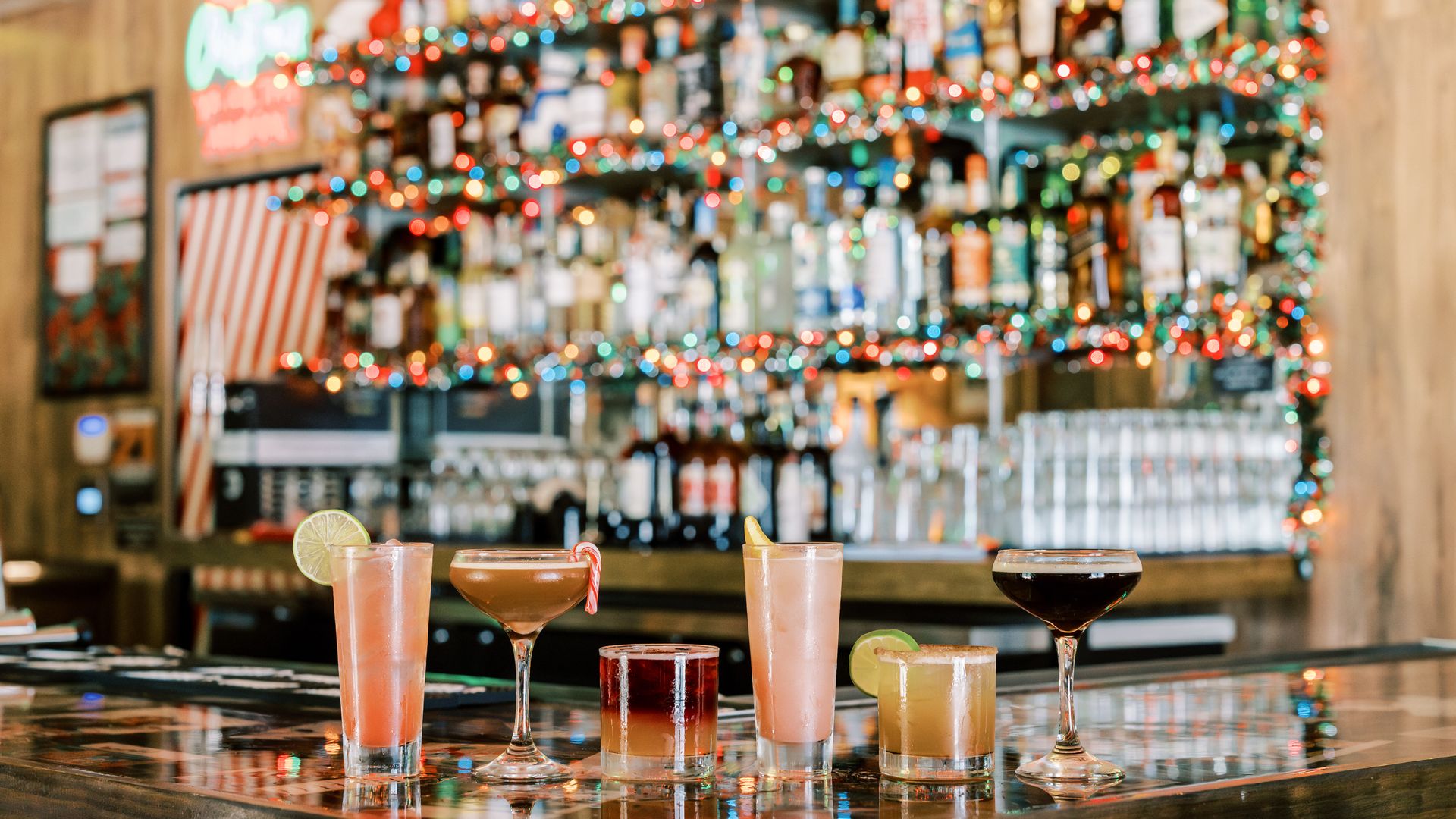
A growing number of Austin bars are getting into the holiday spirit with Christmas-themed takeovers and pop-ups.
Why it matters: We may not see snow in Austin, but at least we can sip a hot toddy on a 70-degree day.
Here are some of the festive pop-up bars in Austin this holiday season:
Stephen F's Bar and Terrace
The Stephen F. Austin Royal Sonesta Hotel will transform its bar and terrace into Ralphie's on Congress, a holiday pop-up inspired by the holiday classic "A Christmas Story."
- Enjoy plenty of nostalgic holiday decor — including leg lamps — and specialty cocktails starting Thursday through Dec. 31.
Lala's Little Nugget
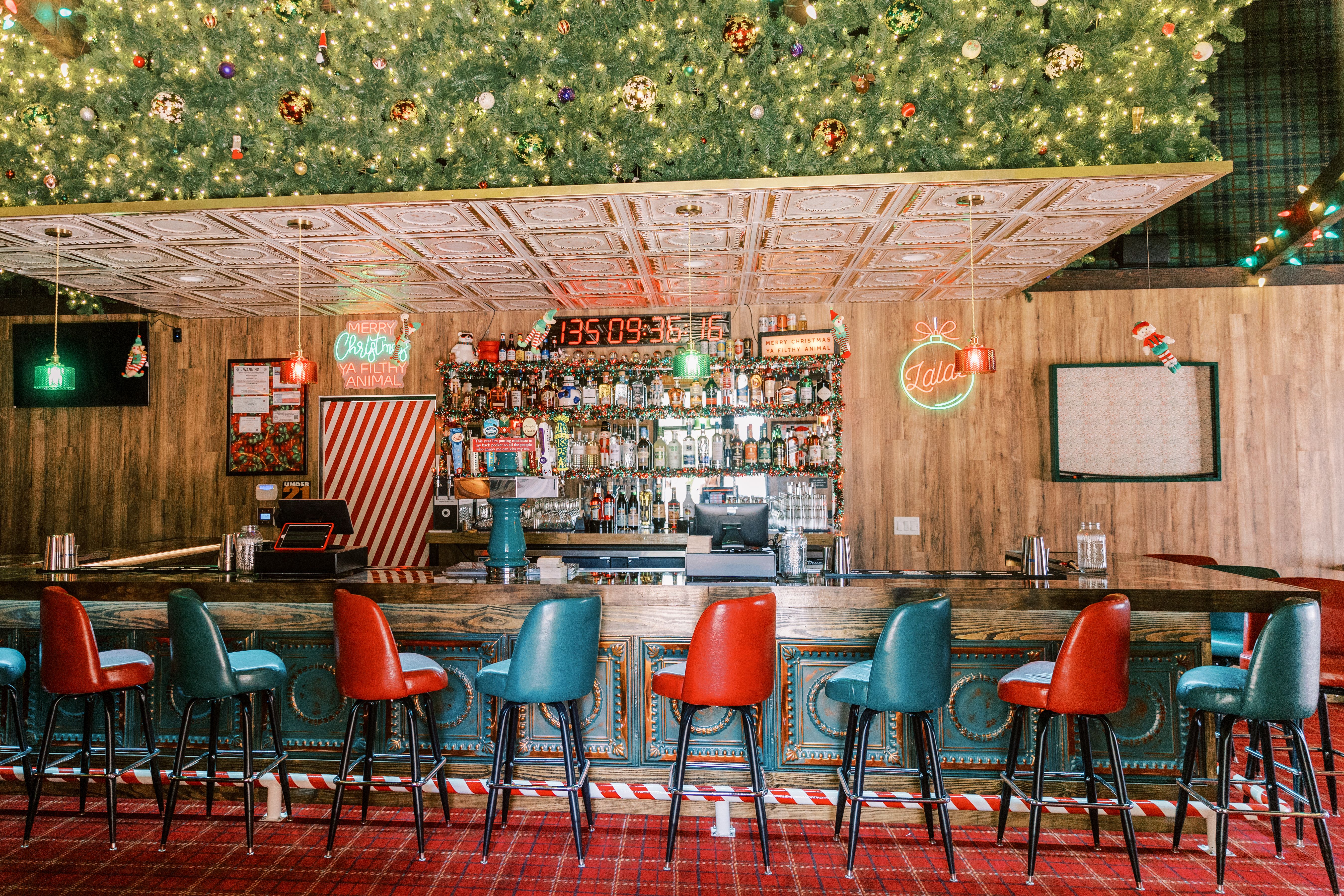
You can't miss this year-round Christmas bar in North Austin, and don't forget that there's a new location, Lala's South Pole.
- Try their boozy eggnog, peppermint hot cocoa and Prancer's punch during the winter season.
Austin Motel
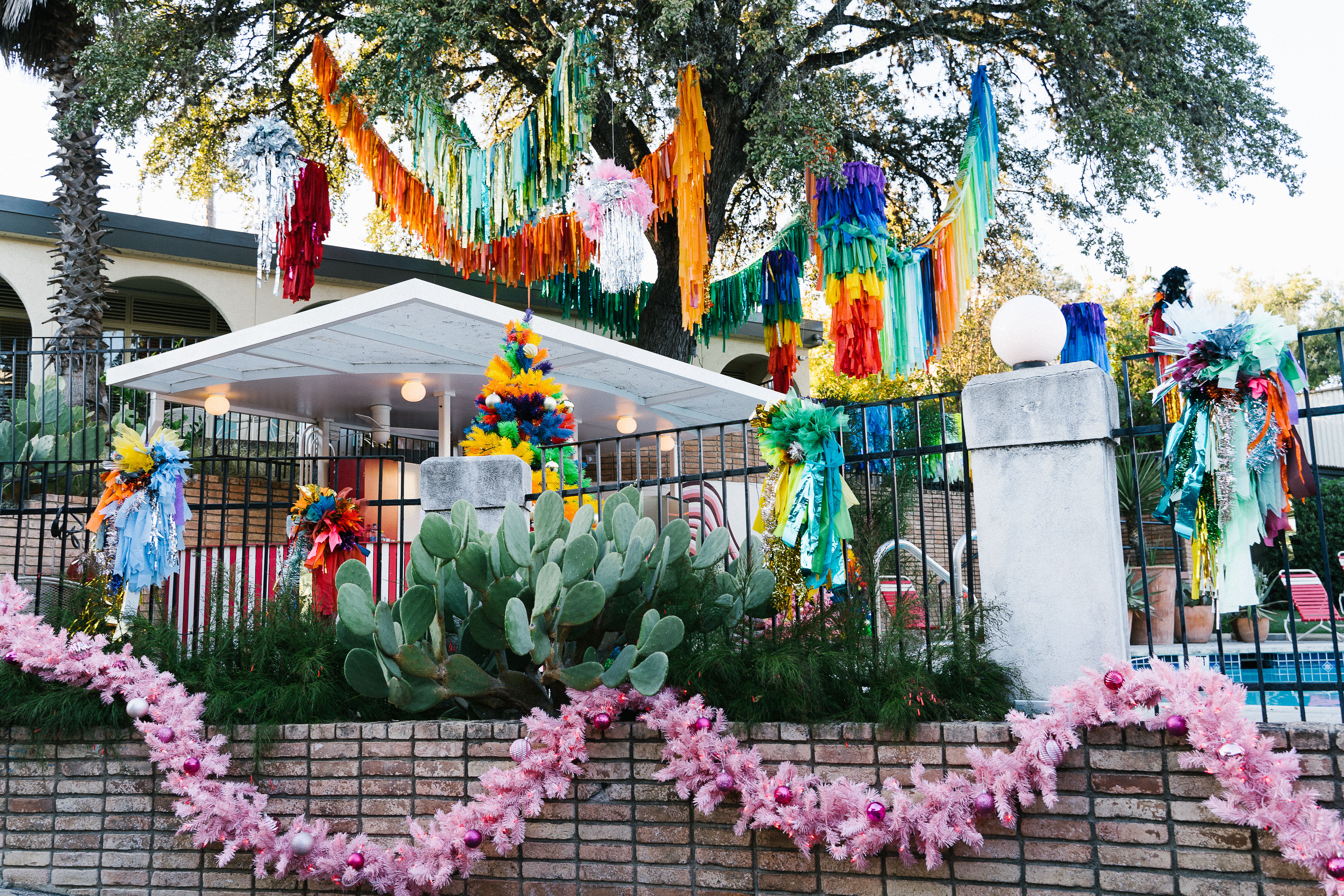
The Austin Motel is bringing back its "Winter Wanderland" experience, with a forest of colorful trees and festive cocktails at their brand-new Ski Lodge Bar through Dec. 25.
- Don't miss festive film floats every Friday, with "Love Actually" on Friday, "National Lampoon's Christmas Vacation" on Dec. 13 and "Elf" on Dec. 20.
Axios Austin
