Axios AI+ Government
September 25, 2026

👋 One last thing: This is the final edition of AI+ Government. Our newsletter is ending, but our coverage isn't. Look for AI policy news throughout the week in AI+, and thanks for reading!
Today's newsletter is 912 words, a 3.5-minute read.
1 big thing: Khanna offers U.S.-China AI playbook
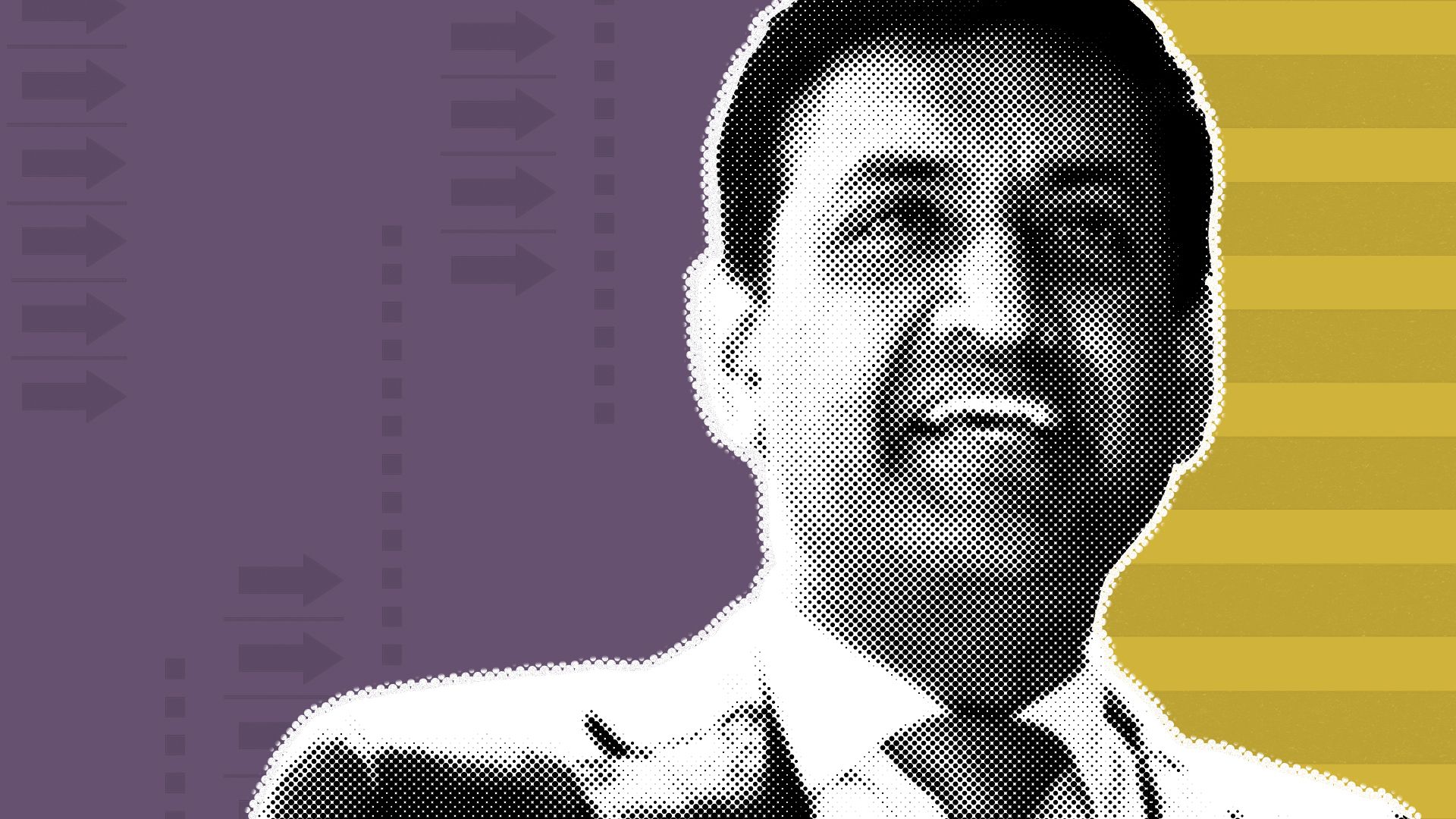
Potential 2028 presidential contender Rep. Ro Khanna (D-Calif.) spells out how he would tackle AI safety collaboration with China in a new letter to Secretary of State Marco Rubio shared exclusively with Maria.
Why it matters: Khanna is offering a sharply different approach to managing AI risks with Beijing, pushing for a binding treaty and international inspections as President Trump signals little inclination to pursue AI safeguards.
Driving the news: Khanna's letter comes after Trump entered AI discussions with Chinese President Xi Jinping showing little interest in doing much and as meetings in Washington come to an end with no major breakthroughs.
- Khanna, the ranking member on the House China Select Committee, laid out five provisions he wants in a U.S.-China AI agreement.
- He calls for a global pause on recursive self-improvement — a process in which AI systems build, test and improve themselves — and a separate global pause on superintelligence.
The U.S. and China should also agree on protocols for "kill switches" across advanced AI models, Khanna writes.
- He wants every AI company to be required to audit its models before release.
Between the lines: Trusting Beijing has become a major sticking point for policymakers seeking AI coordination with the adversary nation.
- Khanna says a U.S.-China agreement should be backed by verification technologies and inspection regimes.
- He recommends an international inspection agency or nongovernmental organization "that could inspire trust from both sides."
The big picture: Washington under Republican leadership is under fire for not doing enough to regulate AI. Democrats are looking to take advantage.
- Khanna is among a crop of potential 2028 contenders seizing on AI safety as a key policy issue.
- His proposal takes that debate international, drawing a parallel to Cold War nuclear arms control.
- "Just like America and the USSR set aside our vast differences to save the world from nuclear war, the U.S. and China share a common interest in ensuring humans never lose control of AI," Khanna writes.
2. Exclusive: Pro-AI super PAC picks Dems to back

Leading the Future, through its associated PAC Think Big, announced the first group of Democrats it will support in the general election as pressure to regulate the AI industry mounts.
Why it matters: Leading the Future is backed by tech executives and investors and is spending big on AI messaging ahead of the midterms.
Driving the news: The group plans to spend six figures in each district, it told Maria.
- The group will support Reps. Emilia Sykes (D-Ohio), Steven Horsford (D-Nev.), Joe Morelle (D-N.Y.) and Greg Stanton (D-Ariz.).
The big picture: Leading the Future supported more than a dozen Democrats in the primaries and backs Republicans as well.
- More than 170 Democratic organizers and campaign staff members this month called on party leaders to refuse Leading the Future money.
- The super PAC had $31 million at the end of the second quarter after transferring $20 million to affiliated groups, including $10 million to Think Big PAC.
The bottom line: Leading the Future is spending ahead of the next Congress as lawmakers in both parties are eager to regulate AI.
- The group says it supports "a strong and thoughtful national regulatory framework."
3. Top White House tech adviser Baasch to depart

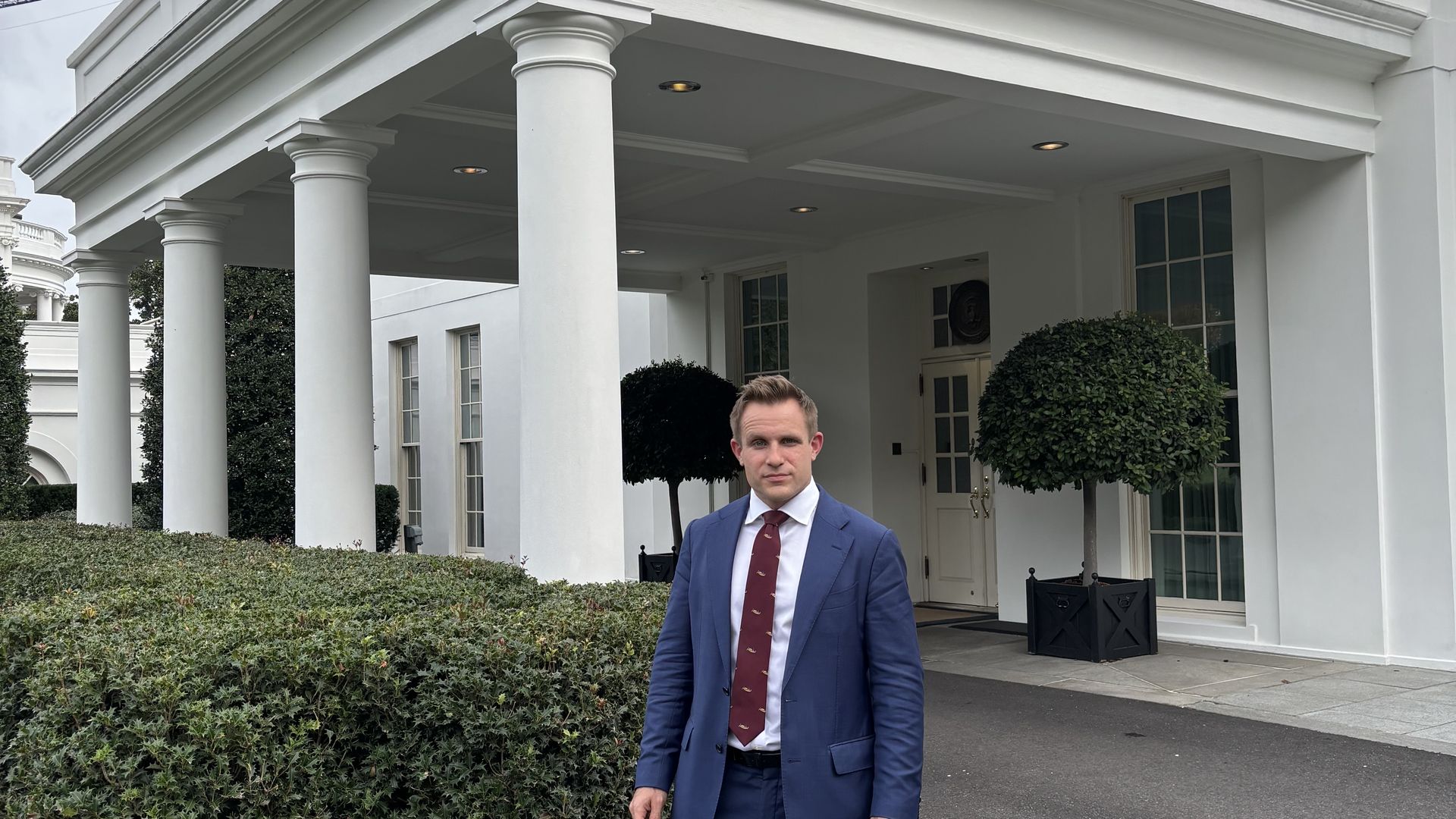
Ryan Baasch, a White House AI adviser and top deputy to National Economic Council Director Kevin Hassett, is leaving the White House for a private-sector job.
Why it matters: Baasch served as an aide to former AI and crypto czar David Sacks and played a lead tech policy role at the National Economic Council under Hassett.
Zoom in: Under Sacks, Baasch played a critical role devising the White House's AI policy framework.
- Baasch worked alongside Sacks to influence AI policy on Capitol Hill and to push federal preemption of state AI laws.
- Baasch leaves his official posts — deputy assistant to the president for economic policy and deputy director of the National Economic Council — at the end of the month.
Zoom out: Baasch's departure follows numerous others in the administration as Trump faces his final midterm and last two years in office.
4. The Output: AI exports, safety and more
Here's our guide to catch you up on the AI policy news you may have missed this week:
👀 AI meeting scoop: President Trump, House Speaker Mike Johnson and tech CEOs will hold an AI meeting on Sept. 29, a source familiar told Maria.
⚠️ States demand safety: Attorneys general from 23 states, along with D.C. and American Samoa, sent congressional leaders a letter calling for "comprehensive federal regulation and safety protocols" for AI, per ABC News.
🌎 AI exports go global: White House science and technology adviser Michael Kratsios put the Trump administration's struggling American AI Exports Program at the center of his pitch against global AI regulation at the UN this week.
- "The U.S. is the only technology superpower willing and able to truly empower partner nations in your pursuit of a sovereign superintelligence capability," he said.
🏛️ AI regulator pitch: Sens. Michael Bennet (D-Colo.) and Peter Welch (D-Vt.) this week announced the AI Regulator Act, which would create a federal regulator with power to pre-certify advanced models and pause some releases for up to six months.
🐻 California AI watch: Gov. Gavin Newsom (D) tapped experts to advise on his recent executive order on advanced AI safeguards, including an independently verified "kill switch" for emergencies.
Thanks to Mackenzie Weinger for editing and Matt Piper for copy editing.