Inside the system that safeguards San Diego County's water

A message from: San Diego County Water Authority
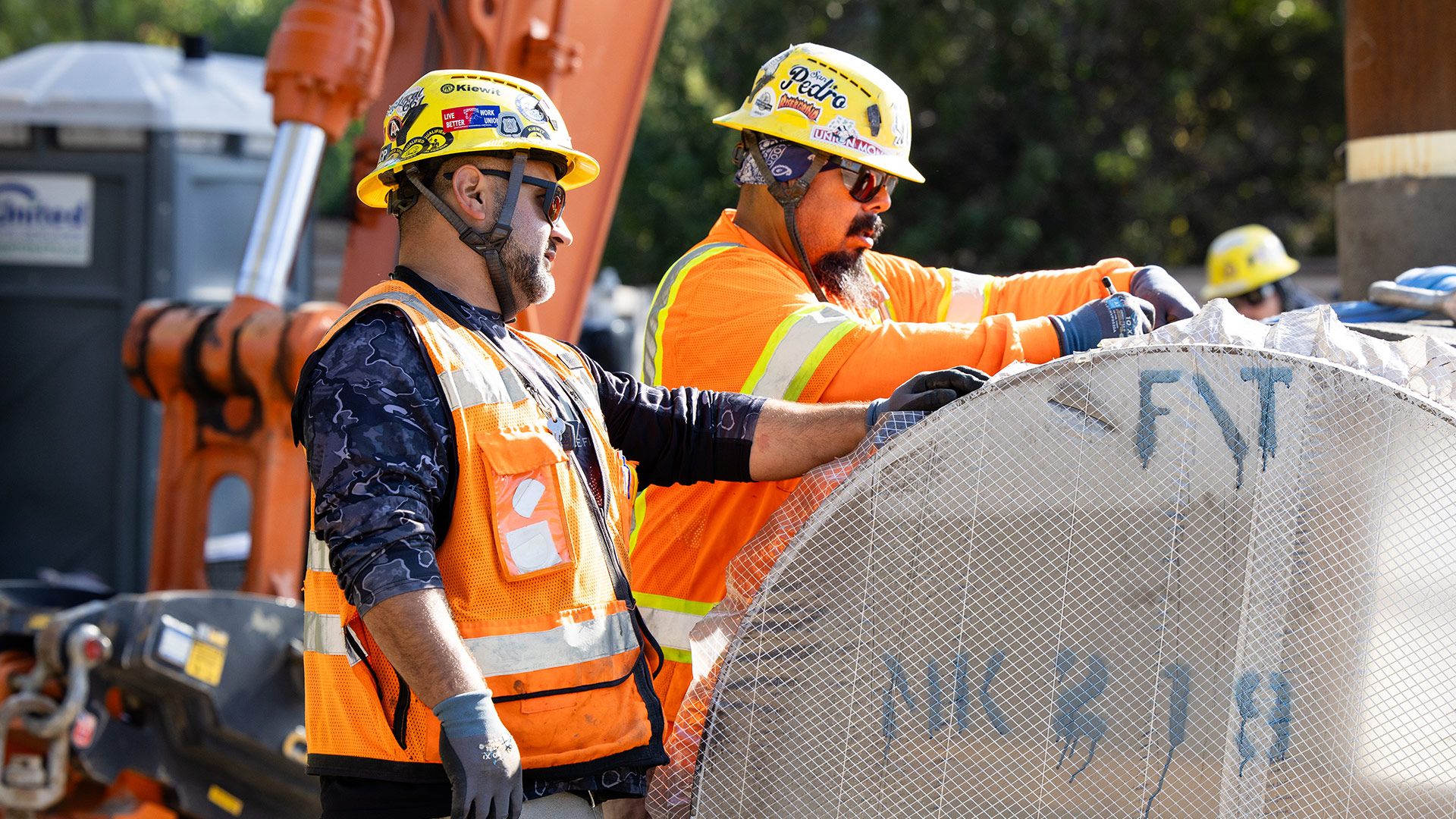
San Diego County's water treatment and delivery system is built to withstand extremes, like long droughts and aging infrastructure — but its success hinges on a complex behind-the-scenes network that prevents problems before they begin.
The background: The San Diego County Water Authority manages more than 300 miles of large-diameter pipelines ranging from 4 to 10 feet in diameter.
- It's a vital network that moves water from distant sources to 3.3 million residents.
Why it's important: Water rates are rising statewide, driven by inflation, energy costs and climate pressures. But San Diego's reliability-focused investments and strategic maintenance program help prevent the extreme costs of emergency infrastructure repair caused by neglect.
Key numbers:
- 64% of the Water Authority's budget goes towards water purchases and treatment.
- 10% supports capital improvement program expenditures.
- Just 7% covers operating costs, including staff.
How it's done: The Water Authority prioritizes proactive maintenance over emergency repairs.
- Teams constantly monitor pipelines and system performance.
- Crews inspect 1,600 structures, almost 100 flow-control facilities, and 1,400 acres of right-of-way across the county.
- They repair small defects early — before they turn into major failures.
Here's why: Proactive repairs extend the lifespan of infrastructure and reduce the need for large-scale replacements.
- Waiting until a pipe bursts can cost millions in damage and lost service — finding and fixing a flaw early instead saves money in the long term.
The result: Despite intense weather cycles, including long dry spells and heat waves, San Diego's water system meets demand without having to ration water — thanks in part to a system built for resilience and managed with precision.
An example: Engineers sourced and deployed a custom leak-detection ball that travels inside active pipelines with the water.
- It listens for acoustic anomalies, or tiny signals that might point to hidden cracks.
A single undetected leak can cost ratepayers, disrupt neighborhoods and waste precious water — a leak-detection device is a smart solution that saves money before it's wasted.
- Plus, plus, plus: This project was funded through grants, eliminating the need for third party-provided detection services.
The impact: This work isn't visible to most San Diegans, and that's the point.
- Strategic maintenance extends the life of existing infrastructure and keeps big capital expenses at bay.
- These reliability-focused investments help stabilize long-term costs and support San Diego's $262 billion economy by keeping water flowing to homes, businesses and critical services.
Whether water is traveling 1,000 miles from the Rockies or 50 miles from the Carlsbad Desalination Plant, it reaches local taps thanks to 24/7 monitoring and maintenance.
Worth a mention: Increasingly, San Diego water also comes from local sources, including desalinated seawater, recycled water and brackish groundwater. These local sources help…
- Reduce dependence on imported water.
- Strengthen resilience during droughts.
- Protect against climate-related disruptions.
The takeaway: San Diegans don't need to worry about whether they'll have access to water — because the Water Authority already is.
- From real-time monitoring to homegrown tech, their work keeps water flowing safely, efficiently and affordably.