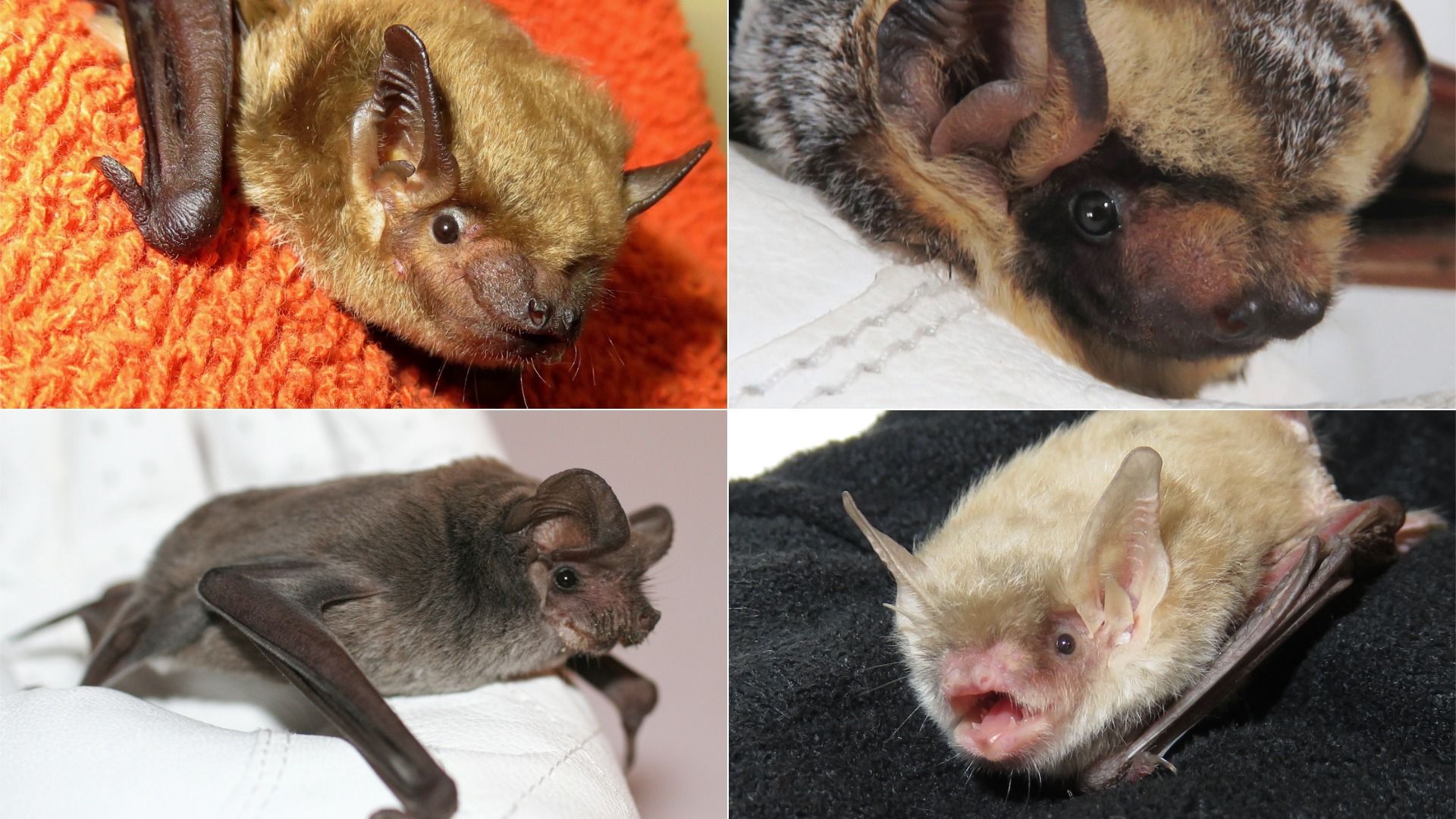
Fake cobwebs are Halloween hazard for San Diego bats

Add Axios as your preferred source to
see more of our stories on Google.
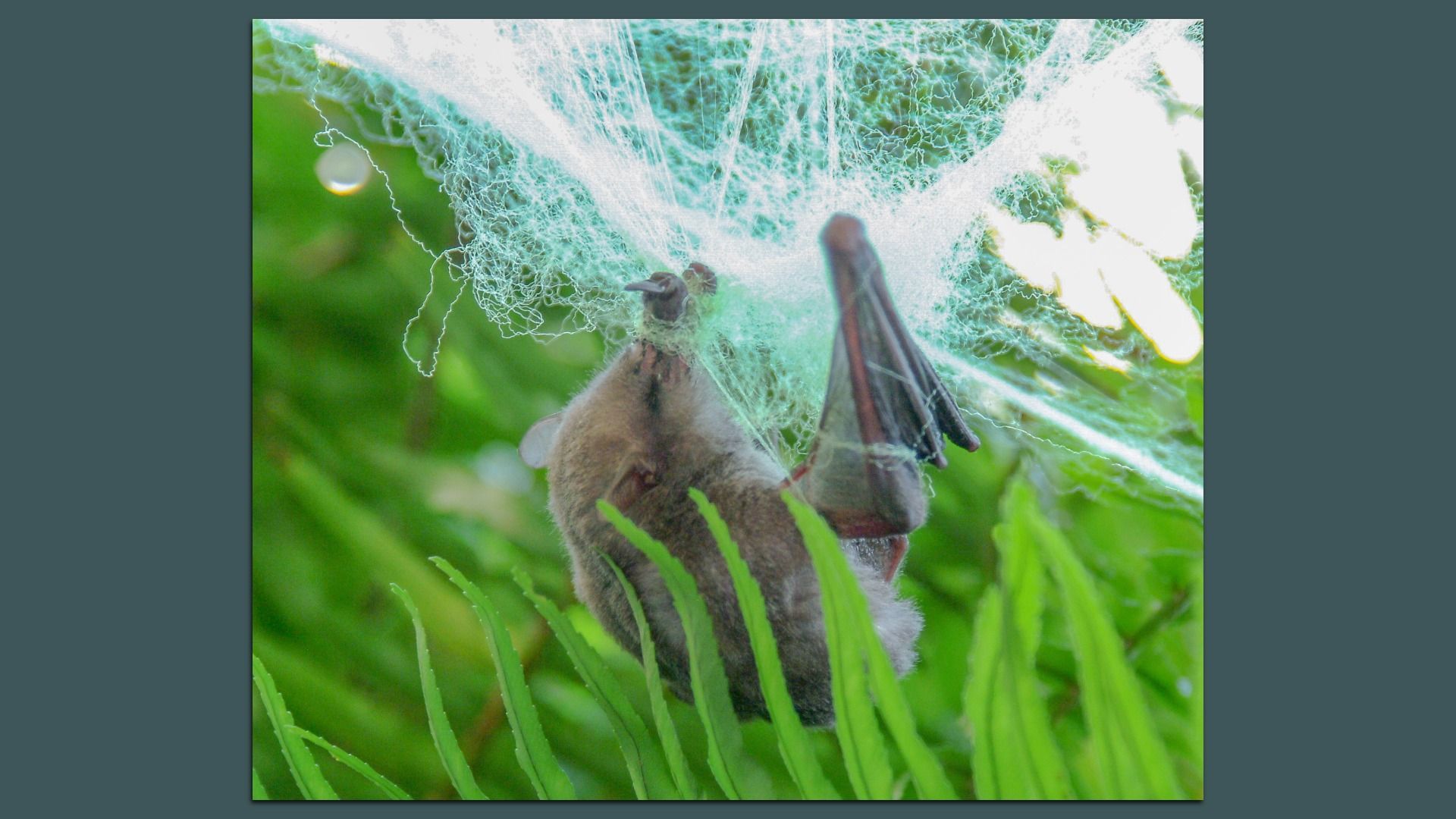
A Mexican long-tongued bat tangled in fake cobwebs. Photo: Courtesy of Dick Wilkins
It's a batty time of year in more ways than one as more bats are swooping through our skies during this spookiest of seasons.
The big picture: But our Halloween decorations can be bad for bats, as their wings can get stuck in sticky fake cobwebs, experts told Axios.
- "We've been called to do rescues of bats," Cindy Myers, bat expert at the San Diego Humane Society, told Axios. "The poor little thing. It was totally wrapped up in the cobwebs."
Threat level: To avoid trapping a bat in your seasonal decor, Myers advises choosing fabric or rope cobwebs instead.
- And regardless of the season, if you see a grounded bat, do not touch it. It could have rabies. Call the San Diego Humane Society for guidance or check its website.
The intrigue: Bat sightings around here usually peak in the summer. But the unseasonably warm weather this fall could be one reason we're seeing bats closer to Halloween, Nicole Rose, a bat expert at the Natural History Museum, told Axios.
Spooky season: While it's almost Halloween, there's no need to fear local bats, Rose said.
- They don't drink blood. Of more than 1,500 species worldwide, only three (called "sanguivores") do, she said.
- "They don't want to fly around and bite you," Myers added. "They just have no interest in interacting with humans."
- Even on Halloween.
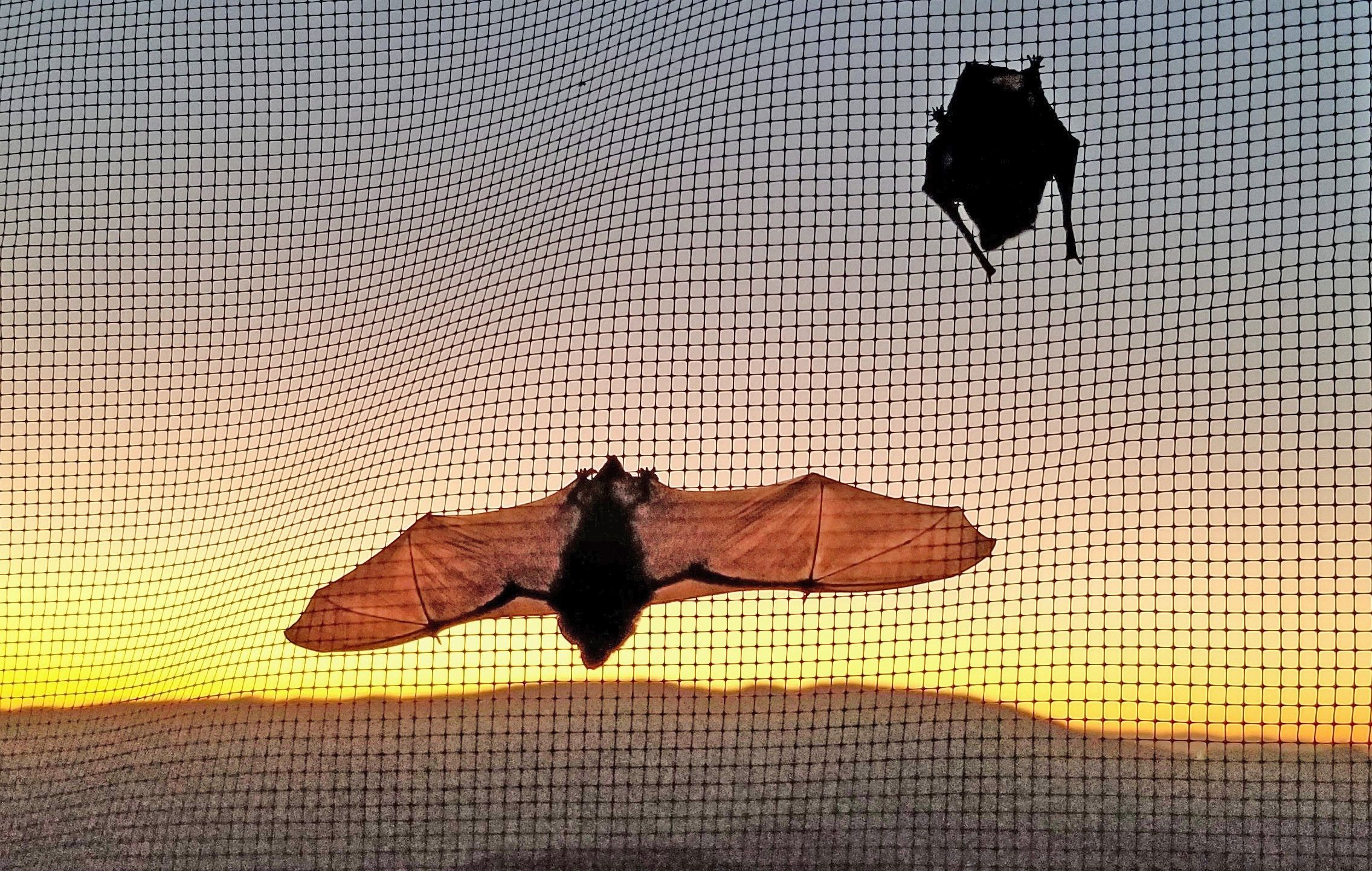
Zoom in: Here are some other things to know about our bat neighbors.
🦇 There are 47 species of bats in the country, and San Diego is home to 22 of them, Rose said. Our mix of deserts, mountains, coastal areas and plants creates lots of different habitats for them.
📏 We have the biggest and smallest bats in the country. The western mastiff bat has a wingspan of 2 feet (!!), while the tiny canyon bat weighs about as much as a Hershey's Kiss, Myers said.
👂 You might hear bats hunting. Western mastiff bats echolocate at a frequency low enough for human ears to hear.
- It would sound like a sonar ping overhead, Myers said.
🦟 They're serious insect eaters. A bat can eat up to 1,000 mosquito-sized insects an hour, Myers said.
🦂 And the pallid bat, which is the state bat, eats scorpions.
Inside the cave: Despite what Batman tells you, bats don't need to live in caves, Rose said.
- That's a good thing, because caves are hard to come by in San Diego.
- Instead, bats roost under bridges, in culverts, in trees and under palm fronds. The smallest bats can squeeze into cracks or crevices just a quarter-inch wide, Rose said.
Bats aren't threatened or endangered around here, but they are impacted as we expand into their territory, Myers said.
- And they can be hurt by drought.
- Bats swoop across open water to get a drink. During droughts, they may try to drink from swimming pools, where they can become trapped, she said.