"Under the Perfect Sun" revisits San Diego's hidden past

Add Axios as your preferred source to
see more of our stories on Google.
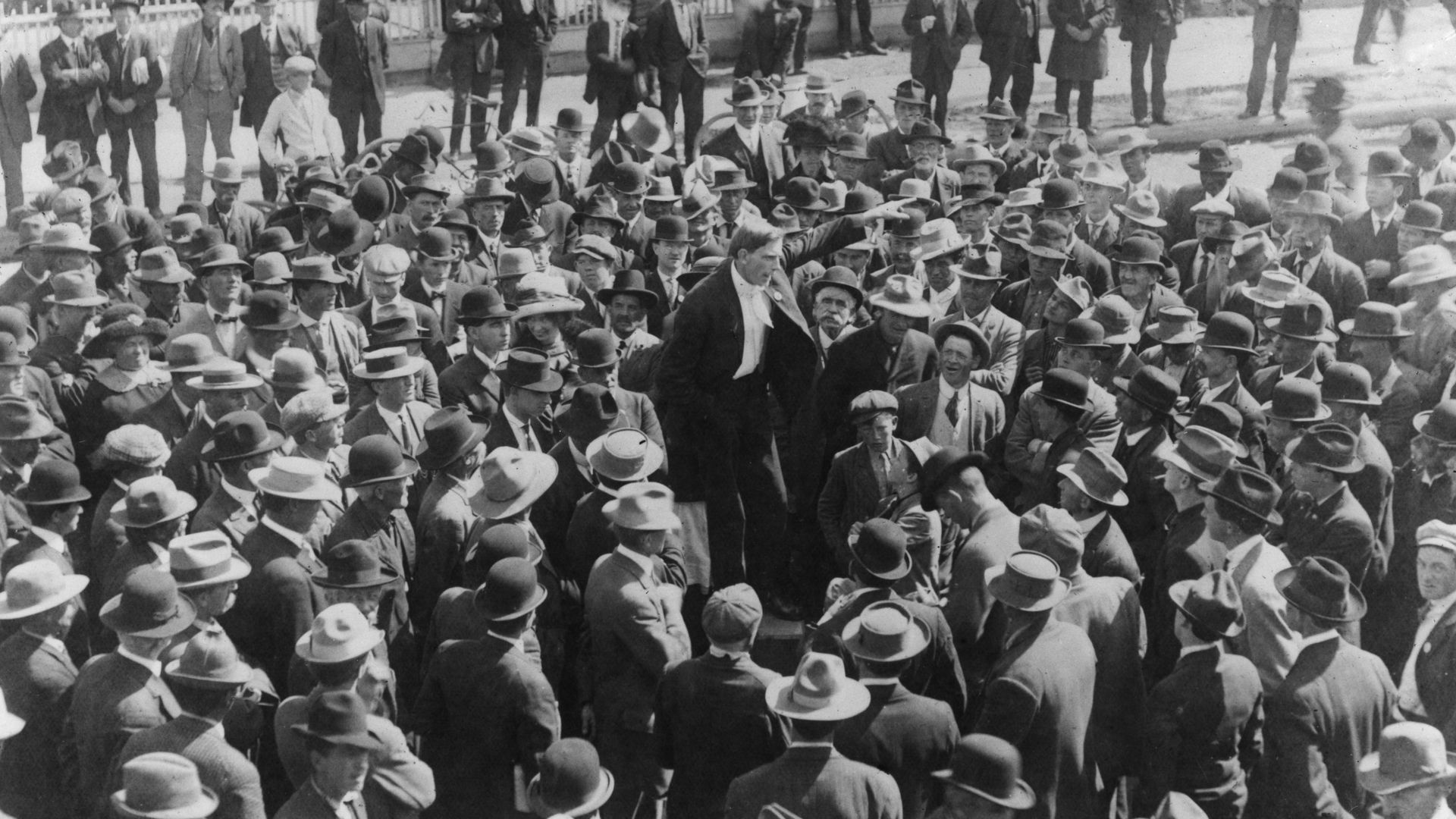
Industrial Workers of World protest in 1912. Photo: Courtesy of San Diego History Center
There's a lot more to San Diego than palm trees and beaches, and "Under the Perfect Sun: The San Diego Tourists Never See" explores that hidden history.
Why it matters: The book is a people's history of our city through the lens of workers' rights, immigration and civil rights activists.
- It was first published 22 years ago, but two of its authors just released an updated version and told Axios that history is even more relevant today.
- The third author, Mike Davis, passed away in 2022.
What was the reaction when the book first came out?
Kelly Mayhew: At the time, almost every history of San Diego was basically a booster history.
- I used to work at the bookstore in Old Town that sold glossy coffee table books celebrating how wonderful San Diego was.
- There weren't really histories centered on working-class people, immigrants or everyday residents.
Jim Miller: San Diego has long been dominated by boosters and tourism promotion. The city is almost professionally allergic to grit.
What made you decide to update and re-release the book now?
Miller: In some ways, San Diego has made remarkable political progress. Twenty or 30 years ago, the idea of a San Diego City Council dominated by Democrats, with more women, LGBTQ leaders and people of color in power, would have seemed impossible.
- At the same time, many of the city's contradictions remain.
- San Diego has become almost completely unaffordable for working people. The workers who sustain the tourism industry increasingly struggle to survive here.
Mayhew: Given how dramatically the city has changed over the last two decades, we thought this was the right moment to revisit it.
Miller: The timing ended up feeling strangely perfect.
- We announced the re-release during another major budget crisis that's forcing San Diego to ask fundamental questions about what kind of city it wants to be.
What are some lesser-known parts of San Diego history you wish more people knew about?
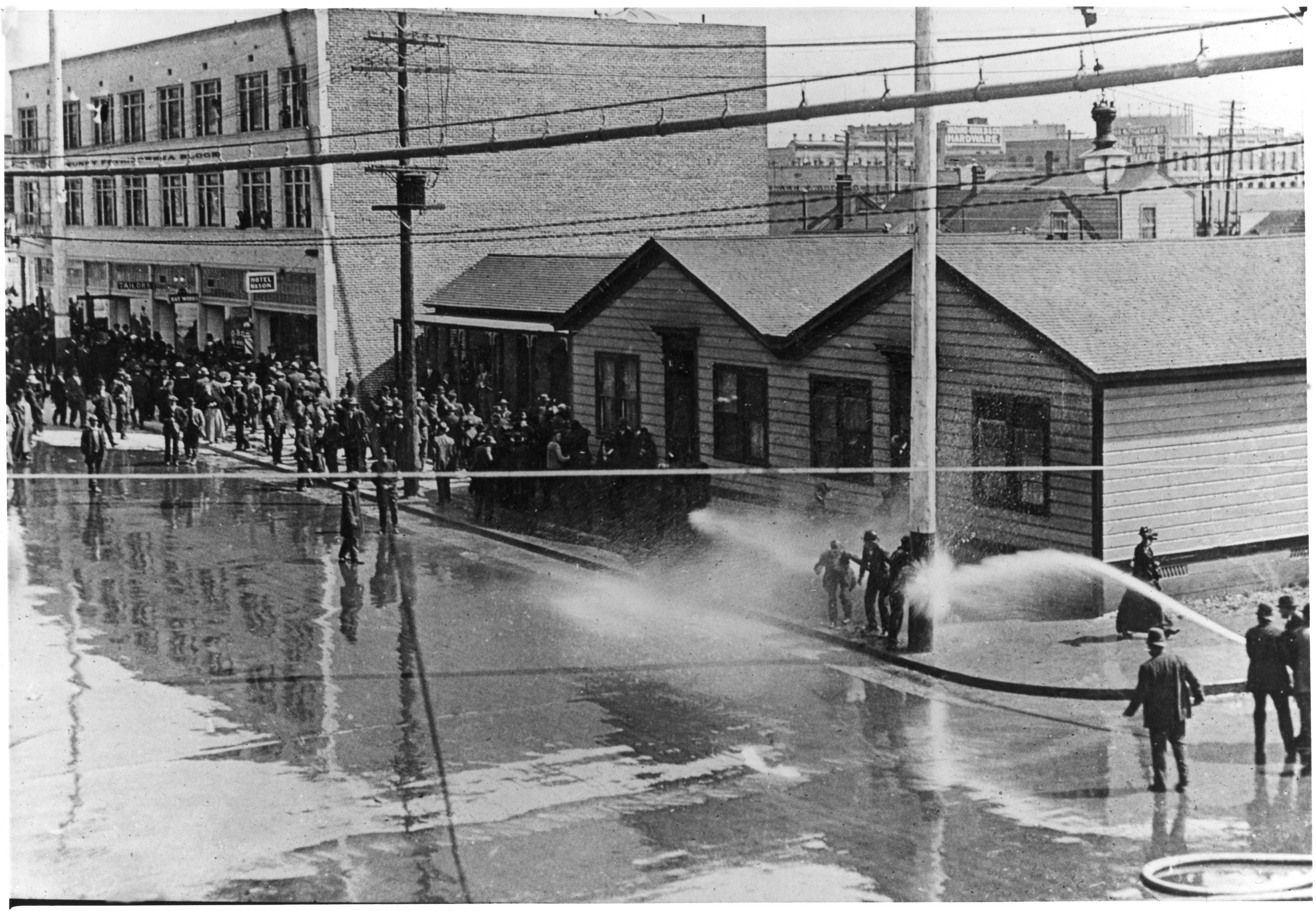
Miller: One major example is the San Diego Free Speech Fight. It's still not widely known, but it was a seminal moment in American labor and civil liberties history.
- The Industrial Workers of the World, the Wobblies, were organizing workers downtown in 1912.
- The city responded by effectively banning public speech in parts of downtown. Organizers were beaten, jailed and even killed.
- What started as a labor fight became a broader battle over free speech and public assembly rights.
- That struggle helped inspire what eventually became the ACLU.
Do you think this moment feels uniquely relevant for the book, or have there been similar moments over the past 20 years?
Miller: Some of these struggles are recurring. The city is again debating austerity, privatization and budget cuts.
- There's a long anti-tax tradition in San Diego politics, even though the city actually generates less revenue than comparable California cities.
What do you hope readers take away from the book?
Mayhew: Our goal has always been to improve life for the people who actually live and work here, especially the people who don't fit the postcard image of San Diego.
Miller: The point isn't to wallow in the city's history of exclusion or oppression. The point is to confront those realities so we can build something better.
What's next: The updated book is out now.
- Anyone can attend their release event June 4 at 6pm at UCSD Park and Market.