The life of a San Diego rattlesnake tracker

Add Axios as your preferred source to
see more of our stories on Google.
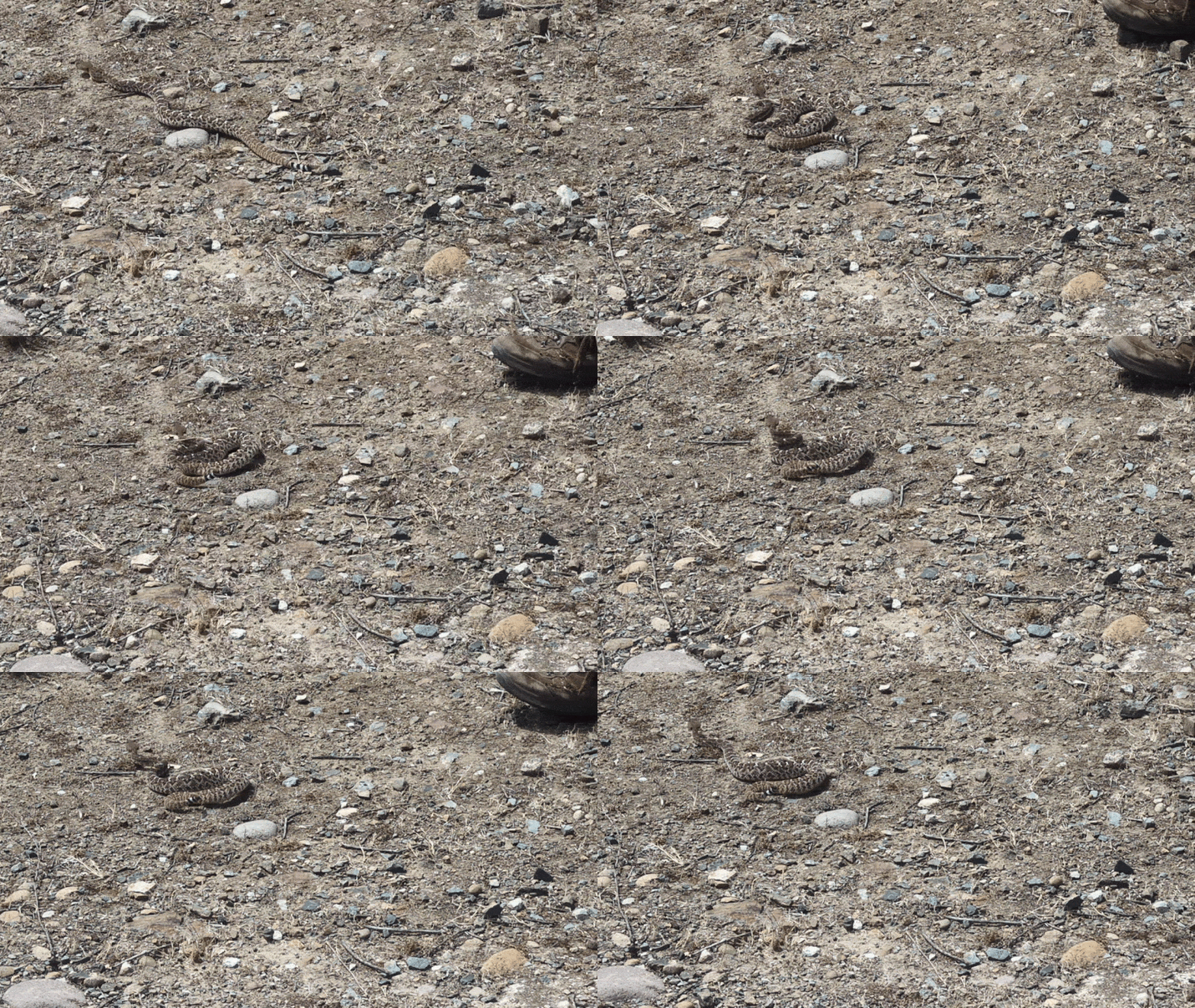
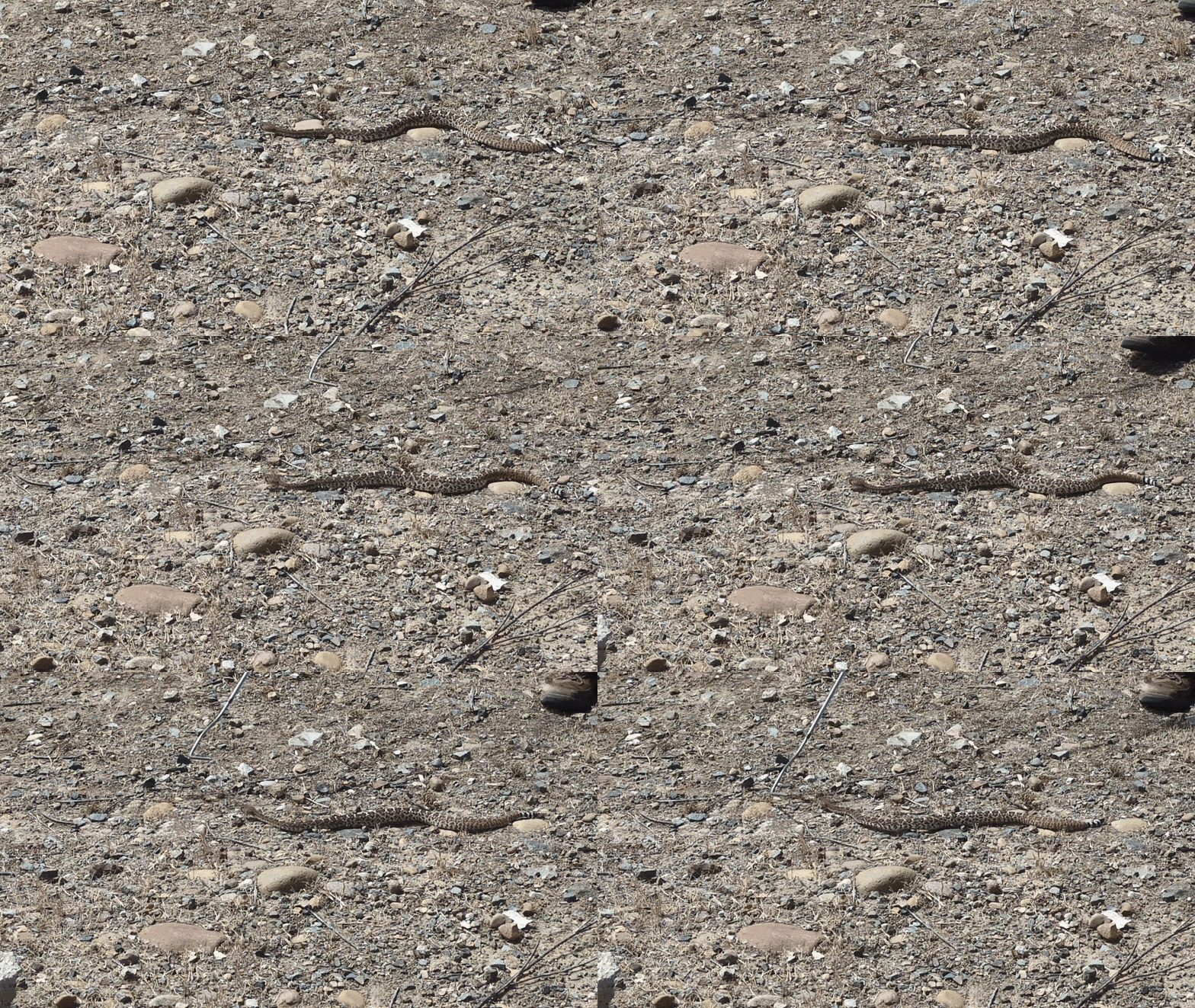
Scared baby rattlesnake. GIF: Claire Trageser/Axios
Indiana Jones would not want Vincent Marcantonio's job. The SDSU graduate student spends his days in Mission Trails tracking rattlesnakes.
The big picture: Marcantonio implants snakes with small radio transmitters so he can study how they spend their days.
- That will tell him how the snakes respond to places with lots of hikers and big construction projects, including the nearby pipe replacement in Mission Trails.
On the trail: Marcantonio and two undergrad helpers were bushwhacking through the brush looking for rattlers to tag on a warm and sunny morning last week.
- They were looking for a specific red diamond rattlesnake nicknamed Pigpen, who got the name for pooping four times in the lab after they'd first caught him.
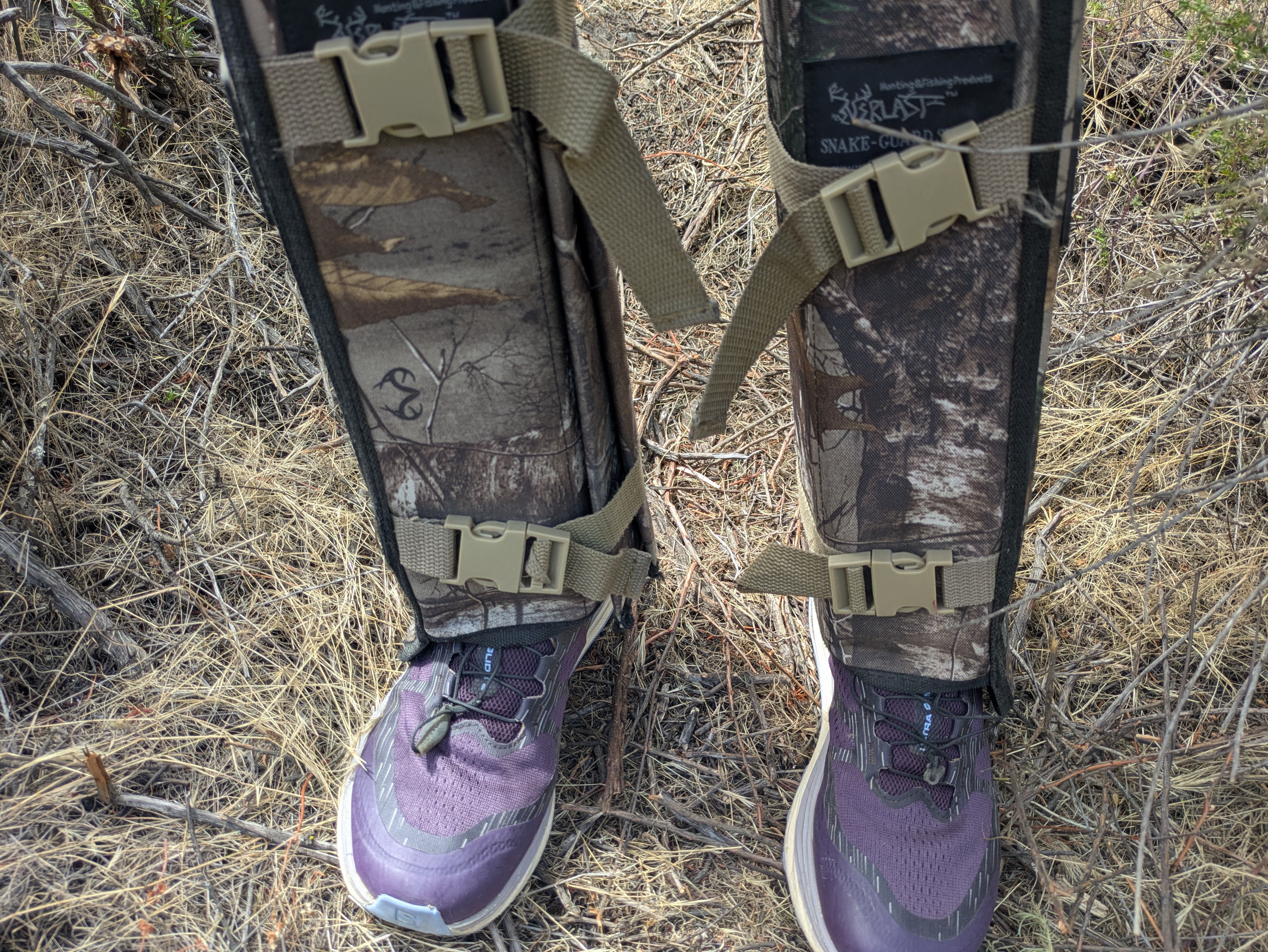
I was along for the wrangle. We all wore wraparound shin guards for safety, but Marcantonio has never had any close calls, he said.
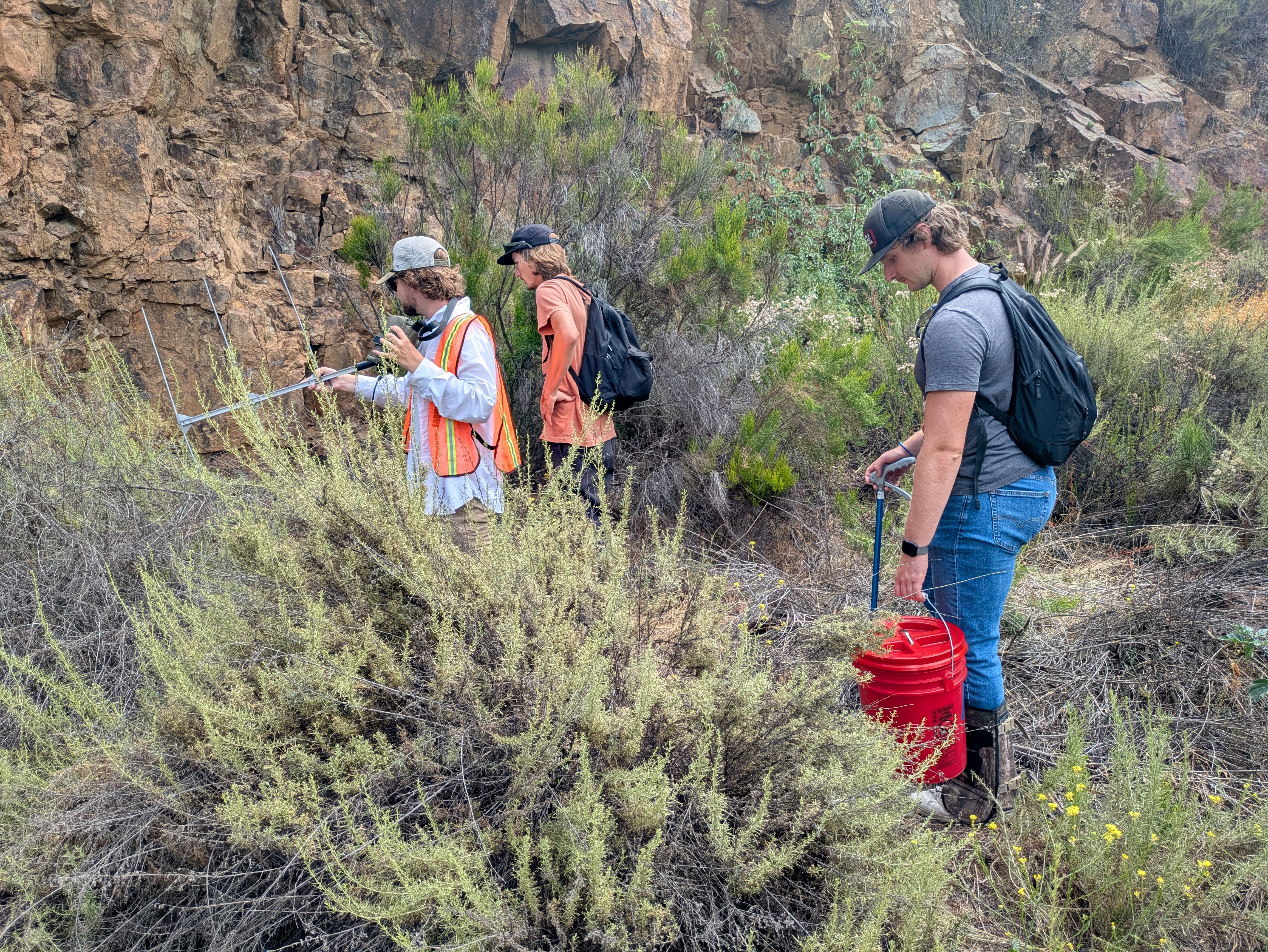
How it works: Marcantonio has caught 10 red diamond rattlesnakes using a super high-tech method. (Not really — he just uses tongs.)
- He then puts them in a high-tech container. (Not really — just a bucket.)
- They then head back to the lab, where he tranquilizes them before implanting the transmitter below their bellies.
- It's a reptilian Fitbit of sorts.
That device, called an accelerometer, tells him whether the snake is moving up or sideways or down.
- AI uses that data to make models to show what the snake is doing, SDSU biology professor Rulon Clark told Axios. He leads the lab where Marcantonio is doing his work.
- Through the computer modeling, they've seen snakes sitting still, of course, but also fighting each other, hunting and even swimming.
Inside the snake room: All of this serpentine intel is important because snakes are so hard to observe, Clark said.
- "You can't go snake watching because they're extremely cryptic and secretive, and spend most of the time hiding," he said.
- And when you're out looking for snakes, they know you're there long before you spot one, and that changes their behavior.
- "They're just going to sit there and not do anything and wait for you to leave," Clark said.
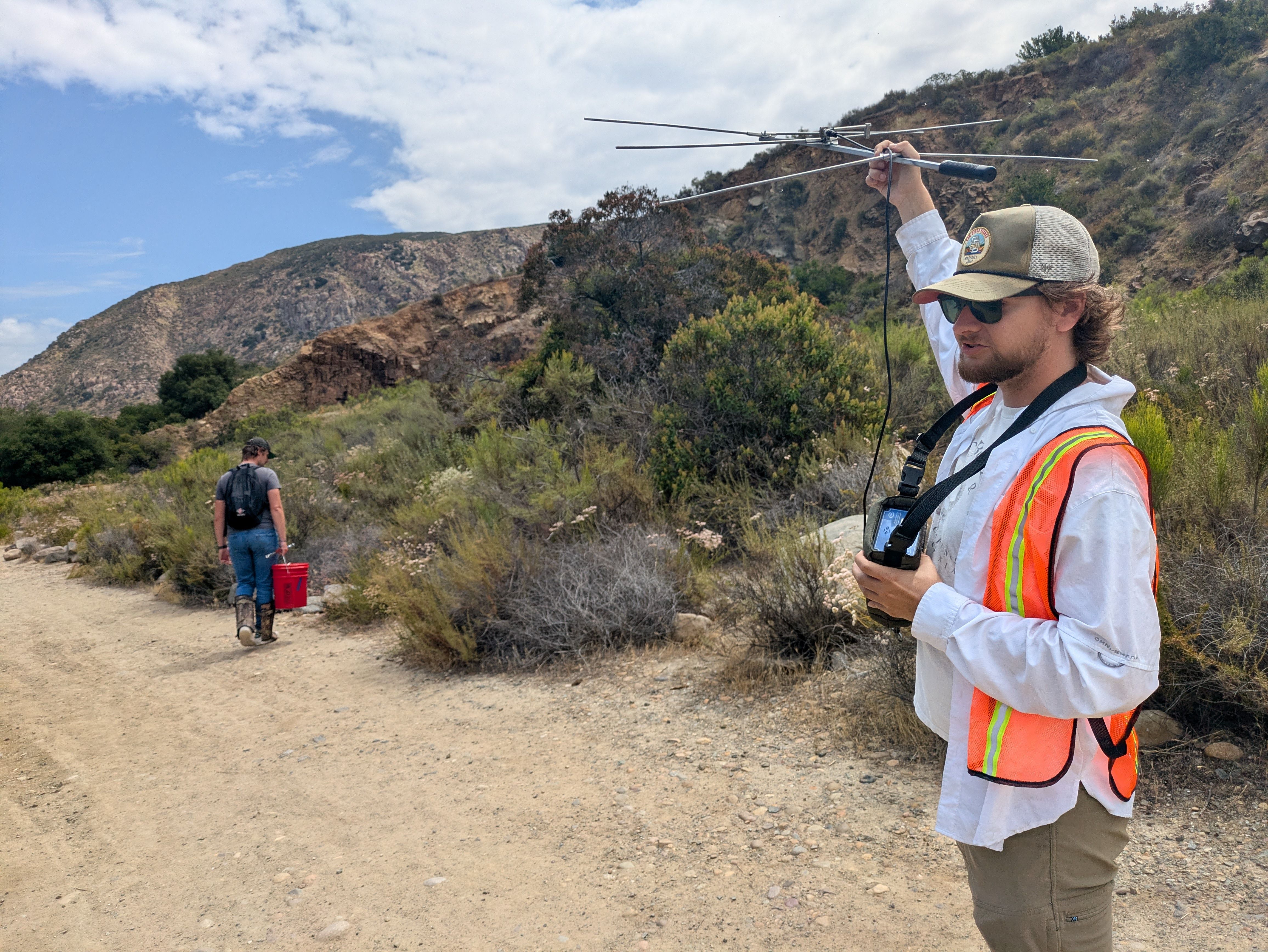
Which leads us back to Marcantonio on the trail. He used a handheld radio antenna to find Pigpen, the incontinent snake.
- A receiver around Marcantonio's neck beeps more quickly as he gets closer to his slithering friend.
- Marcantonio then does the opposite of what most of us would do — heads deeper into the bushes to find a snake.
Yes, but: Before he finds Pigpen, Marcantonio spots another rattlesnake he's never seen before. He uses his tongs, catches it and puts it in the bucket.
- This snake won't get a radio transmitter, but Marcantonio will still bring it back to the lab and implant it with a small microchip (like what we give to dogs).
- That helps him count how many snakes are in Mission Trails.
- He doesn't have a precise count, but guesses it's in the thousands.
A few minutes later, Marcantonio spots Pigpen. He's deep in the bushes, basking in dappled sunlight near a rock.
- Marcantonio notes all of that information and leaves him be.
The bottom line: There are two other kinds of rattlers in Mission Trails, but Marcantonio is focusing on red diamonds because they're losing habitat as cities expand.
- He aims to compare the behavior of the Mission Trails snakes with snakes on an untouched reserve in Escondido.
- Mission Trails snakes are dealing with lots of foot traffic plus the pipeline construction project, so Marcantonio's data will show how that changes their behavior.
What's next: Marcantonio heads back to the lab with his new snake.
- After giving that snake the microchip, he'll release it back where he found it.
- Indiana Jones could only wish for such ssssssteadinessssss.