How San Diego is a runway for the future of air travel

Add Axios as your preferred source to
see more of our stories on Google.
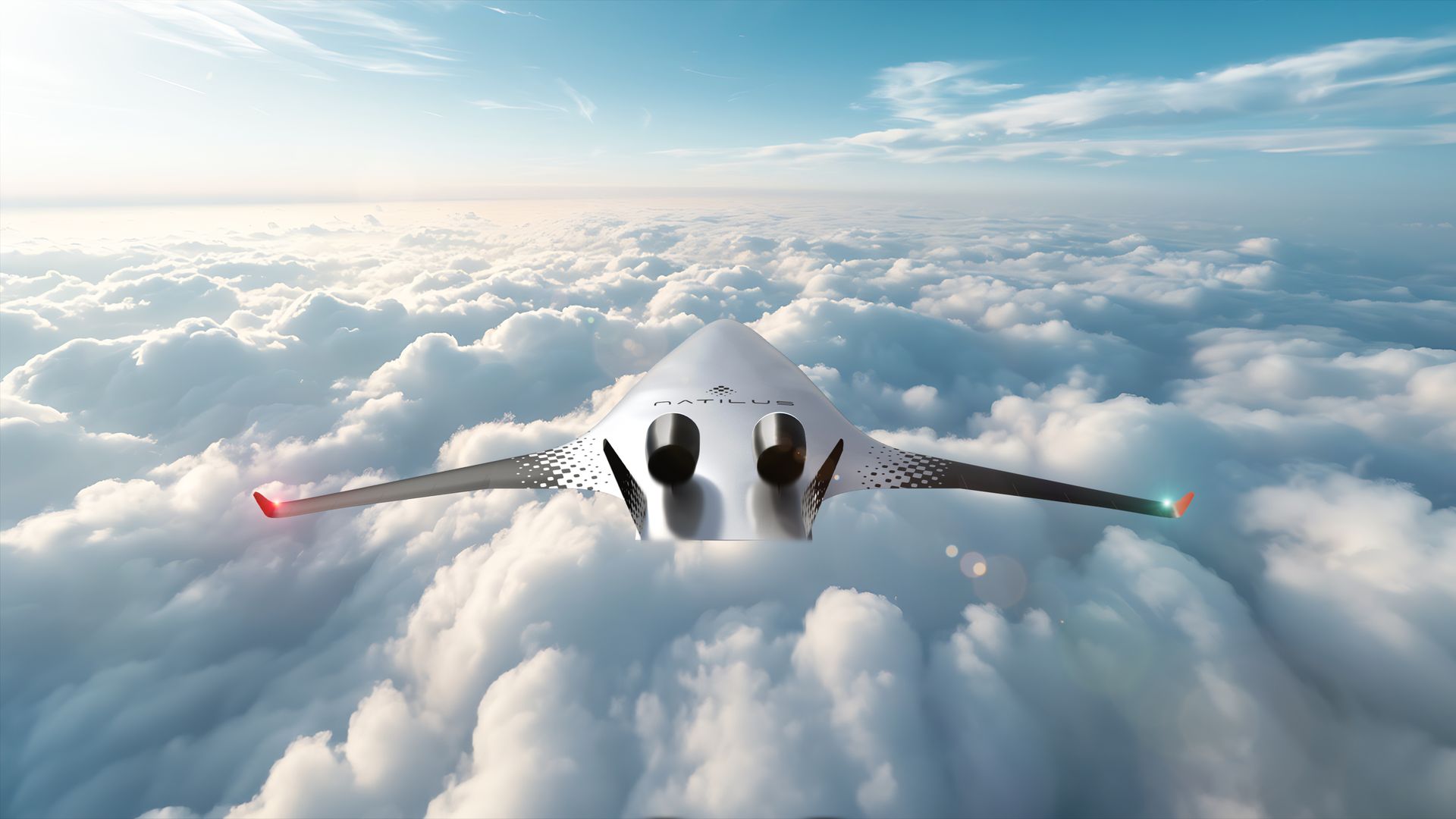
Air travelers could be riding in one of these futuristic-looking planes in the next five years. Photo: Courtesy of Natilus
A San Diego-based aerospace company is developing futuristic fuel-efficient planes that the founders and industry watchers think could upend the airline industry.
Why it matters: Natilus chose to design, test and build its aircraft here because of the city's business and education ecosystem, unique infrastructure and aviation legacy, CEO and co-founder Aleksey Matyushev told Axios.
Driving the news: Natilus is building its first cargo plane, the Kona, in Otay Mesa, and recently released designs for a dual-deck commercial passenger plane, the Horizon Evo.
- Test flights are scheduled for 2028 and 2029, with plans for takeoff in the early 2030s, the Union-Tribune reported.
- The company will enter the market with cargo planes to generate revenue and prove its concept before getting its passenger planes off the ground.
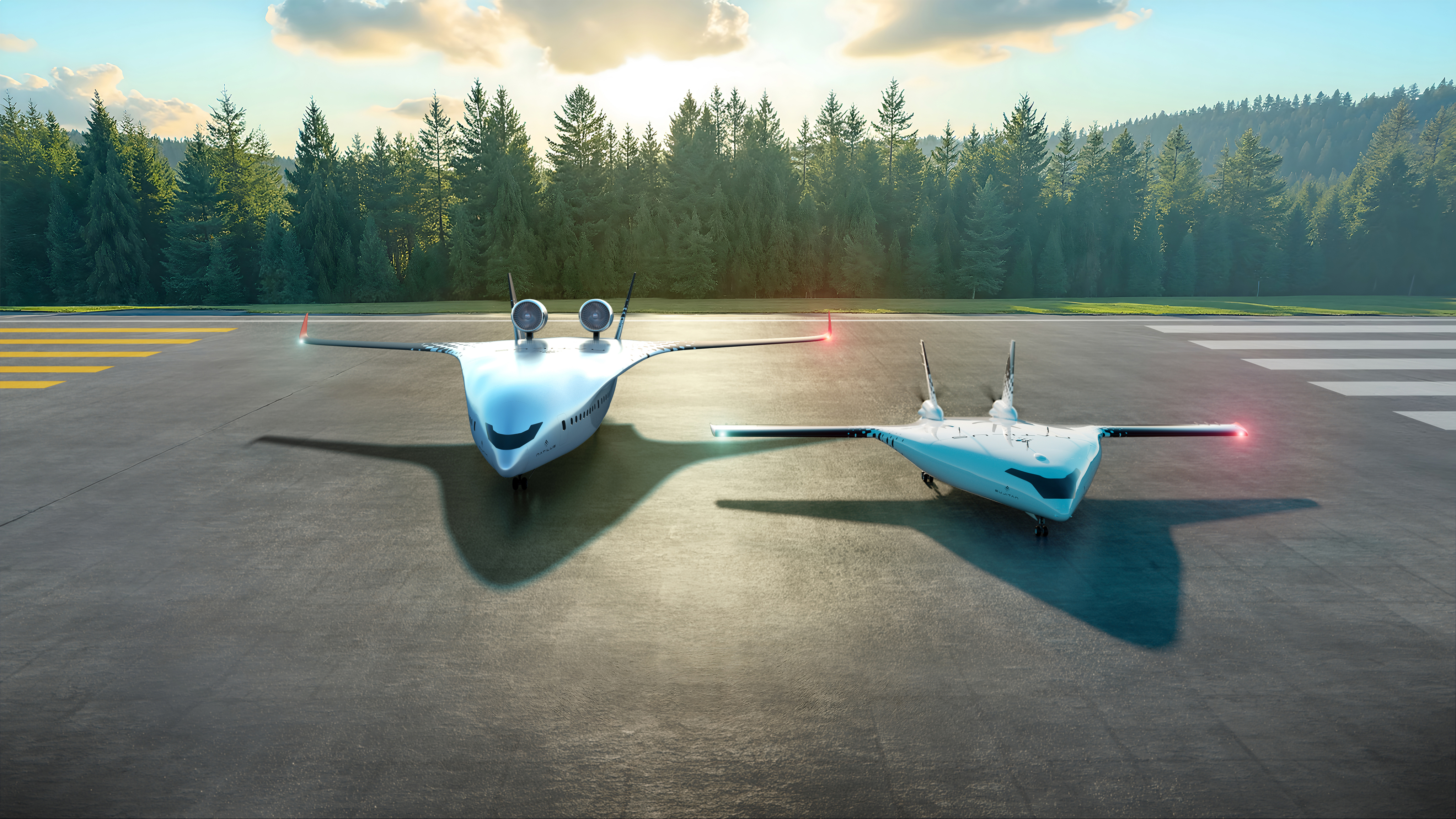
The aviation world has noticed. Natilus' blended wing body represents "radically new thinking" in commercial aviation and poses a credible challenge to the Boeing and Airbus duopoly, according to Henry Harteveldt, airline industry analyst at Atmosphere Research Group.
- "When this plane enters commercial service … it will stop people in their tracks," he told Axios.
- The blended-wing design has been floated for decades, and the U.S. military and major defense companies are actively pursuing it, but it hasn't made it into the commercial space yet.
Zoom in: While the aircraft's futuristic triangular look is exciting, the performance is what's most appealing to customers, Matyushev said.
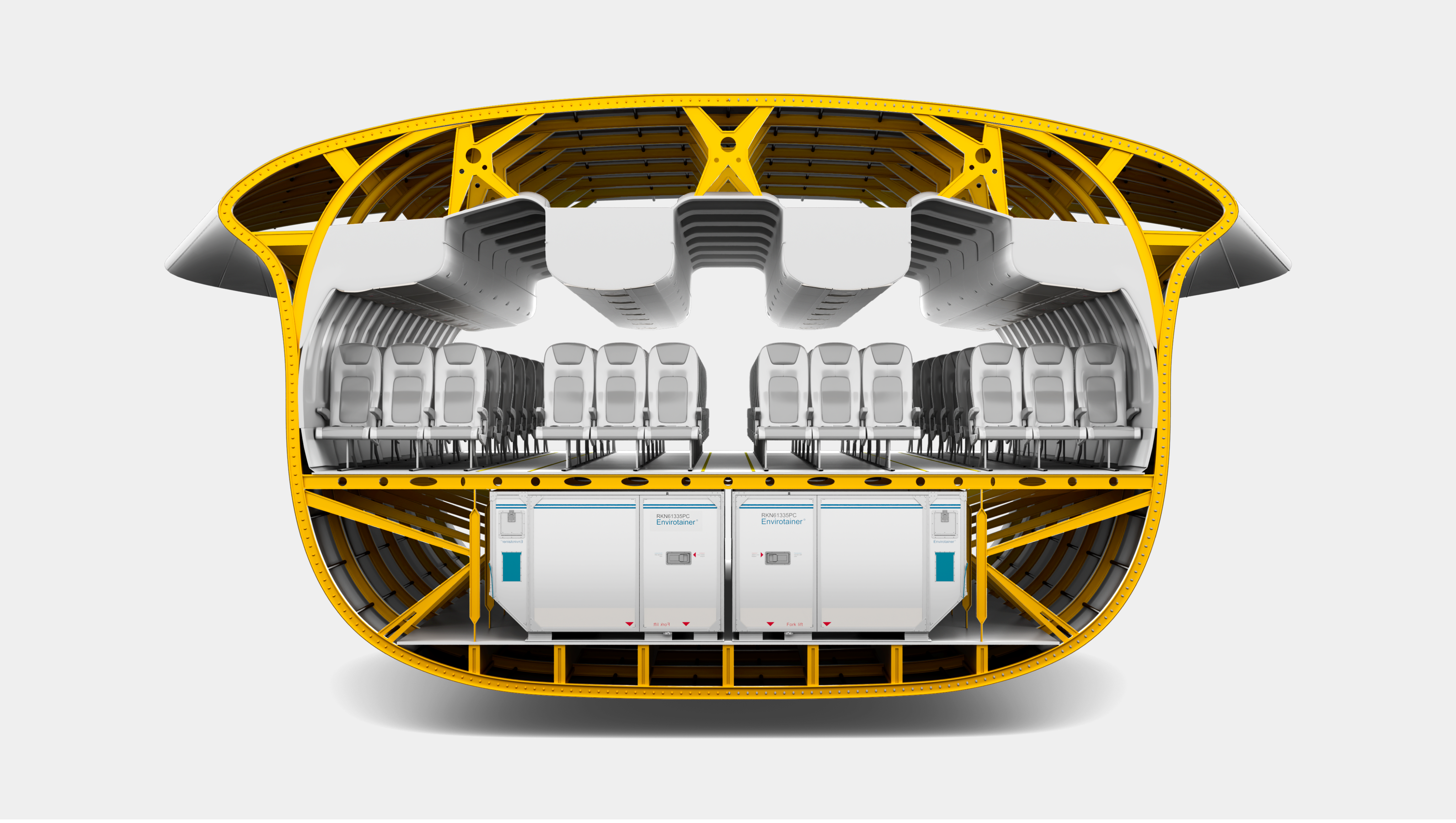
- Natilus planes will use existing engine technology but will offer 30% less drag and 30% lower fuel burn and can carry 40% more passengers or cargo because of their shape and interior configuration, according to Matyushev.
- That's critically important for airlines now and in the long term, not just with cost and consumption of fuel but for environmental and sustainability reasons, Harteveldt said.
Between the lines: Natilus moved its headquarters to San Diego from the Bay Area in 2022 because it's a better place for an aerospace startup to grow, Matyushev told Axios.
- The city is home to major defense companies, a steady stream of suppliers for carbon fiber manufacturing, a world class wind tunnel for testing and a talent pool fueled by local universities and the city's natural appeal.
- Natilus set up its engineering and manufacturing facility at Brown Field Airport, which has an 8,000-foot runway "that's just unheard of," Matyushev said.
- With a long runway and cleaner, less restrictive airspace than other major cities, it's easier to perform flight tests here, he said.
Yes, but: The cost and availability of land in California can make manufacturing at scale challenging, so the company is evaluating sites in other states to build a mass production facility for its fleet.
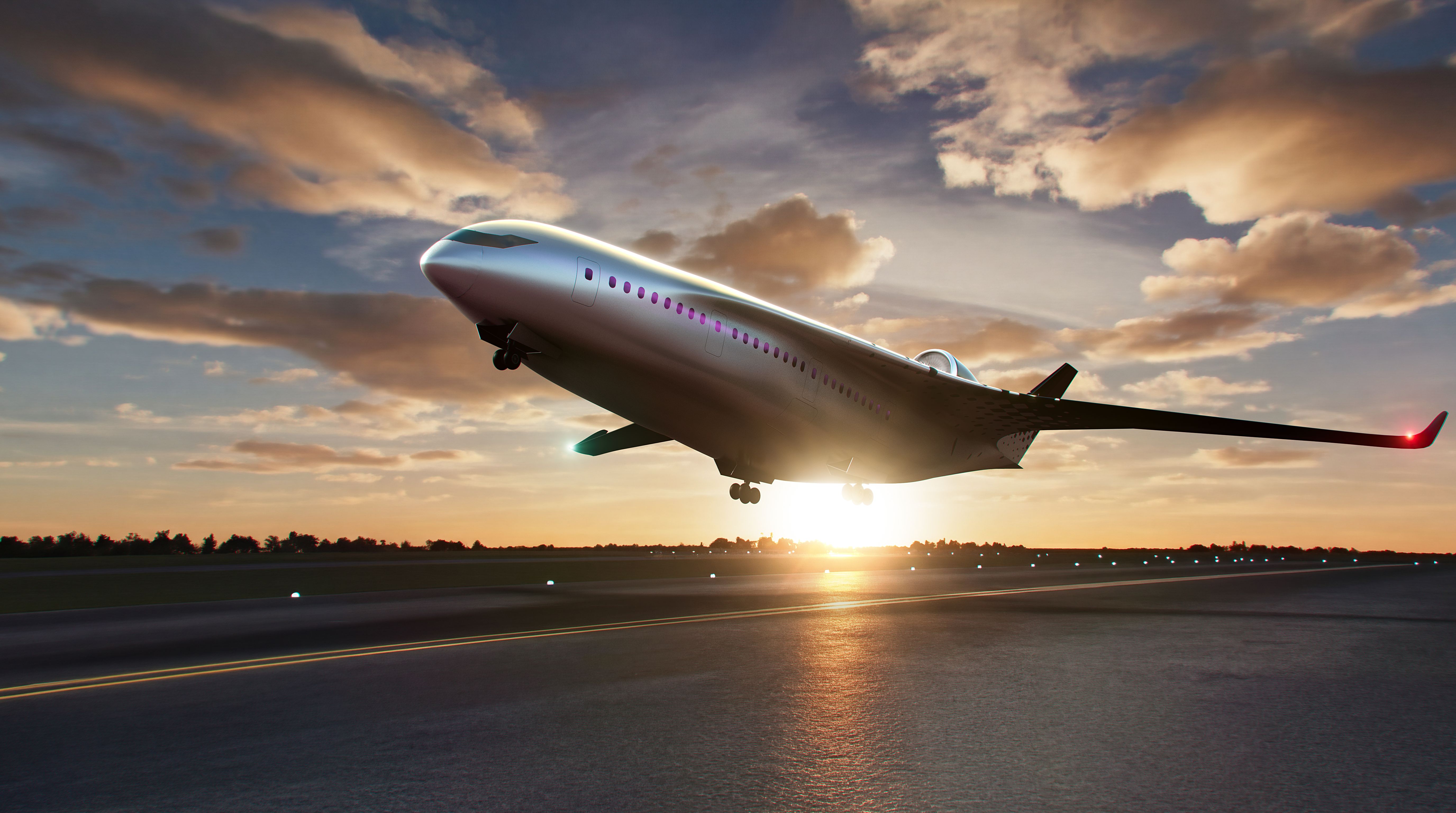
Reality check: The startup is still in the early stages of raising the hundreds of millions of dollars needed to build, test and get these cargo planes onto runways at scale.
- Natilus is also still in the developmental phase of the commercial aircraft. It will need to get airlines on board, airport logistics worked out and further FAA approvals before passengers are booking flights.
What's next: About 40,000 new commercial airplanes need to be built over the next 20 years, and the industry needs another manufacturer to meet that demand, according to Matyushev.
- "If we can do it with innovative product that actually, you know, pushes the needle on sustainability and operational efficiency … that's where the market is heading," he said.