Tijuana River is fueling San Diego air pollution, study finds

Add Axios as your preferred source to
see more of our stories on Google.

Photo illustration: Lindsey Bailey/Axios; Photo: Patrick T. Fallo/Getty Images
Almost a year ago, a team of San Diego scientists raised the alarm that the polluted Tijuana River was releasing toxic gas into the air. Now, their newly published findings show residents are being exposed to high levels of hydrogen sulfide.
Why it matters: The study validates the concerns of South Bay communities, where residents have complained for years about the strong rotten egg and sewage smells and reported respiratory and other health issues.
- Researchers also say the poor water quality is worsening air quality throughout the region, in addition to affecting beaches and South Bay cities and neighborhoods.
Driving the news: The study, published Thursday in Science, connects water quality to air quality for the first time, according to the team of researchers, from UC San Diego, UC Riverside, San Diego State University and the National Center for Atmospheric Research.
- While previous research showed chemicals from drugs, tires and personal care products carried by the river were getting into the air via sea spray, this study focuses on gases.
Zoom in: The scientists set up air-quality monitors in the Nestor neighborhood and tracked air pollution coming from a foamy, turbulent section of the river identified as a "hot spot."
- At the peak, researchers measured concentrations of hydrogen sulfide that were 4,500 times what is typical for an urban area.
- Residents were exposed to levels exceeding the California standard for five to 14 hours a day, with spikes at night, they found.
- They detected more than 1,000 other gases spreading in the air.
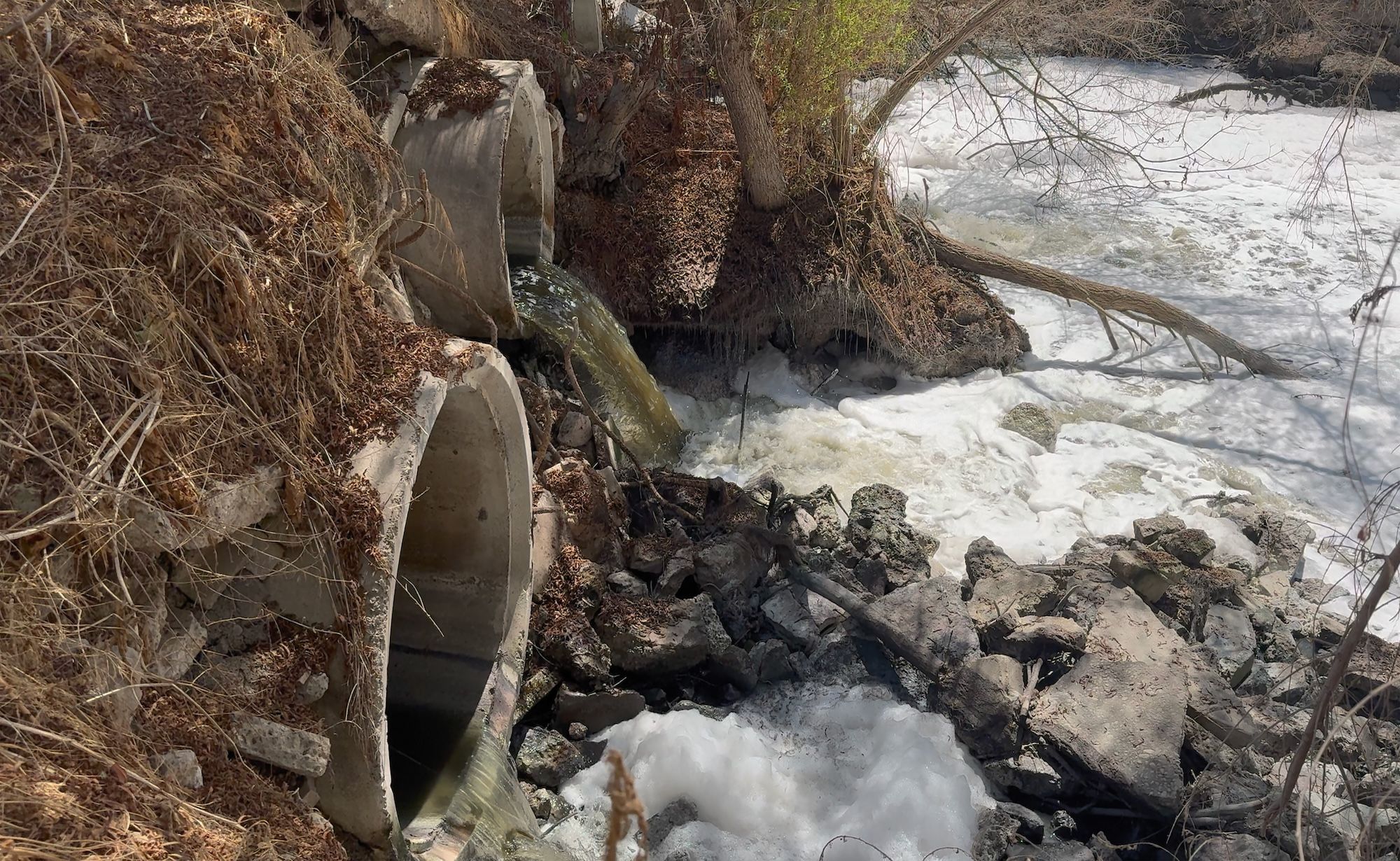
What they're saying: "This is the first study that has shown this many gases coming out of a river, and these types of gases at these levels," study co-author Kimberly Prather, an atmospheric scientist at UCSD's Scripps Institution of Oceanography, said during a media briefing.
- "I hope it opens up research around the world to protect people from breathing other things that are coming out of polluted water bodies."
Flashback: Last September, the researchers held a press conference warning they had recorded harmful levels of gases in the air while conducting this study.
- A day later, then-County Supervisor Nora Vargas held her own press conference suggesting there was no immediate threat to public health.
The intrigue: That same day, the river's flow rate dropped from 40-80 million gallons per day to less than 5 million gallons per day. That reduced, but did not eliminate, the concentrations of hydrogen sulfide and other gases during the rest of the study.
- The decline helped researchers determine the river was the main source of the air pollution.
- While officials didn't announce changes to how the river is managed, researchers suggest that a pump station in Mexico was activated, diverting the wastewater.
State of play: New warning signs were installed near "hot spots" this month, alerting the public to avoid areas where they could be exposed to the gas.
- The county provides free air purifiers for families affected by the smell.
- The Environmental Protection Agency has called for infrastructure fixes, and the U.S. and Mexico recently signed an agreement to expedite projects.
What's next: Prather said researchers are still studying the long-term health effects of chronic exposure to the gases, effects that remain largely unknown.