How San Diego's Frozen Zoo is saving endangered species

Add Axios as your preferred source to
see more of our stories on Google.

Frozen Zoo curator Marlys Houck (left) and researcher Ann Misuraca work with specimens. Photo: San Diego Zoo Wildlife Alliance
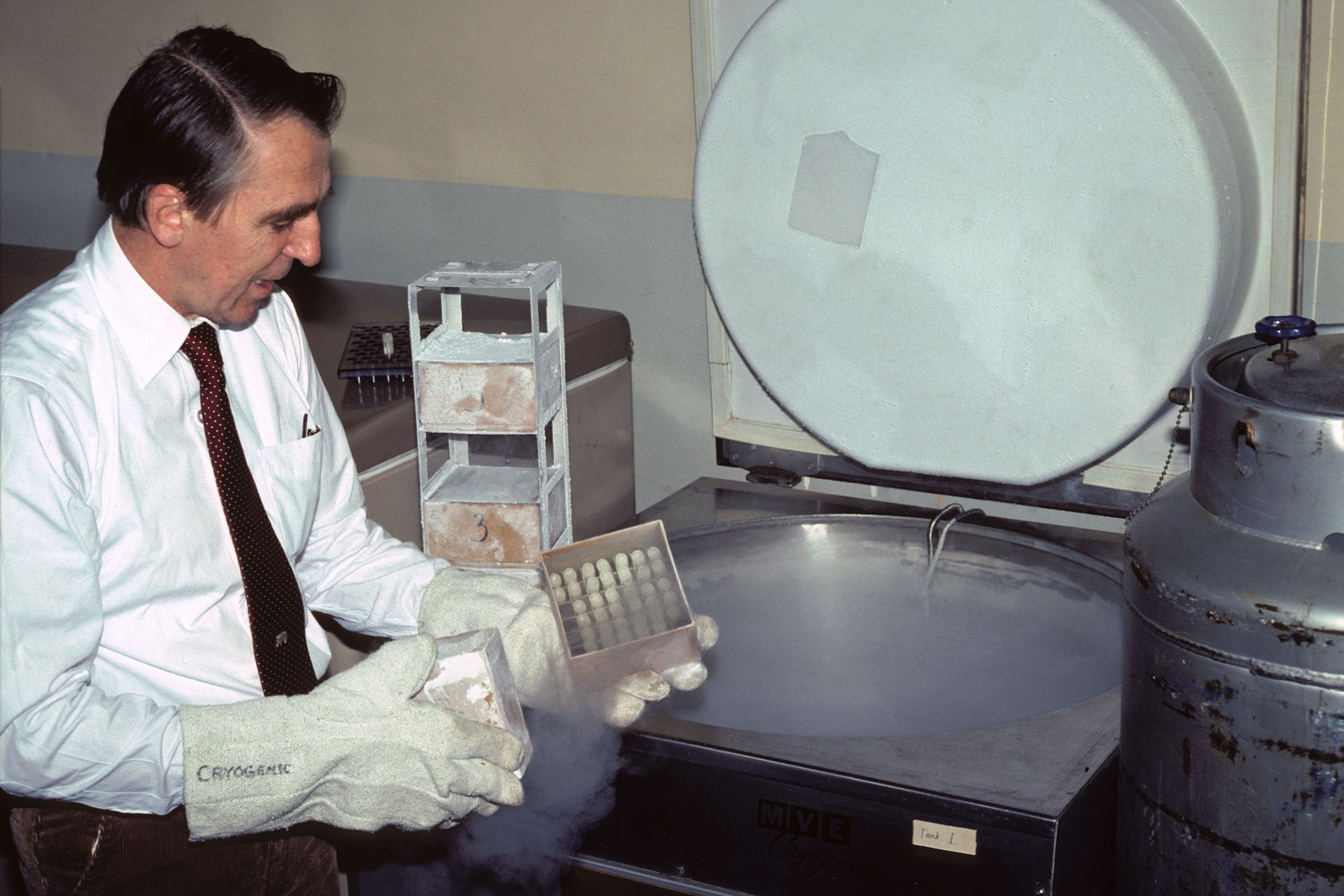
For 50 years, the San Diego Zoo Wildlife Alliance has been preserving animals' genetic material in its Frozen Zoo, and recently added plants to the biobank.
Why it matters: The vast collection of cryopreserved living cells and reproductive material can help revive endangered species and protect them from going extinct.
Zoom in: More than 11,500 mammals, birds, reptiles, amphibians and fish (representing 1,337 species) are banked — almost double the number of animals living at the zoo and safari park combined, according to the zoo.
- Stored in liquid nitrogen at -320 degrees Fahrenheit, their cells, embryos and gametes can create new life to repopulate endangered species like the northern white rhino or California condor.
How it works: In 1980, scientists stored frozen cells of a male Przewalski's horse that was extinct in the wild. In 2020, they used those cells to clone a foal named Kurt, and a second cloned foal, Ollie, was born in 2023.
- Also in 2023, researchers thawed frozen sperm from the endangered sunflower sea star and fertilized eggs to reproduce dozens of baby sea stars.
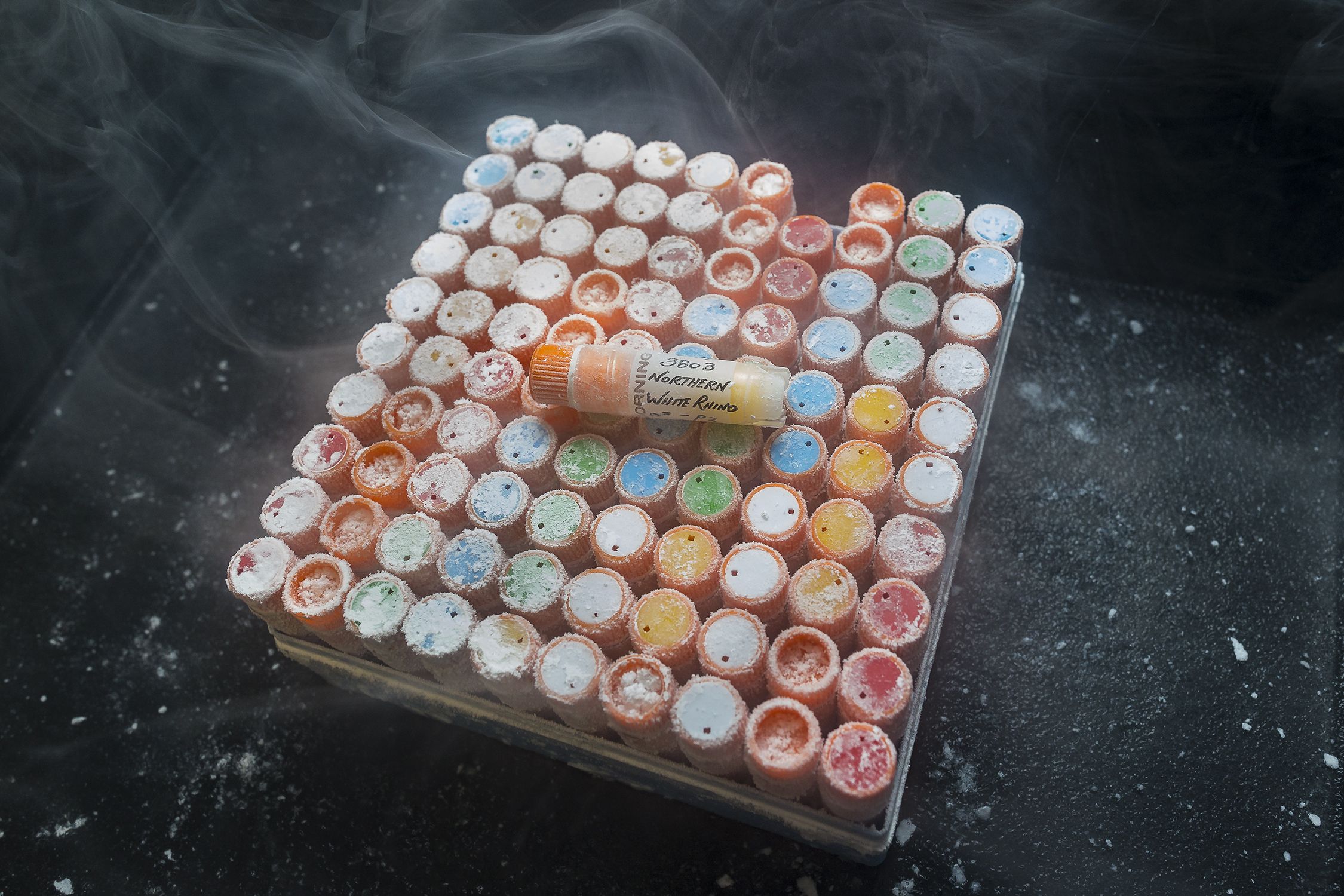
What they're saying: This technology can not only help rescue endangered species but also enable scientific discovery and critical research on extinction risk and cancer in humans, program officer Katie Heineman told Axios via email.
The intrigue: The endangered Nuttall's scrub oak, native to San Diego, was the first plant species added to the Frozen Zoo last summer.
- Because oaks can't be stored in a traditional seed bank, cryopreservation could help it survive, and offer a blueprint for rescuing other plants.
- Nearly one-third of the world's 450 oak species are at risk of disappearing due to threats like fires and invasive pests, according to the zoo.
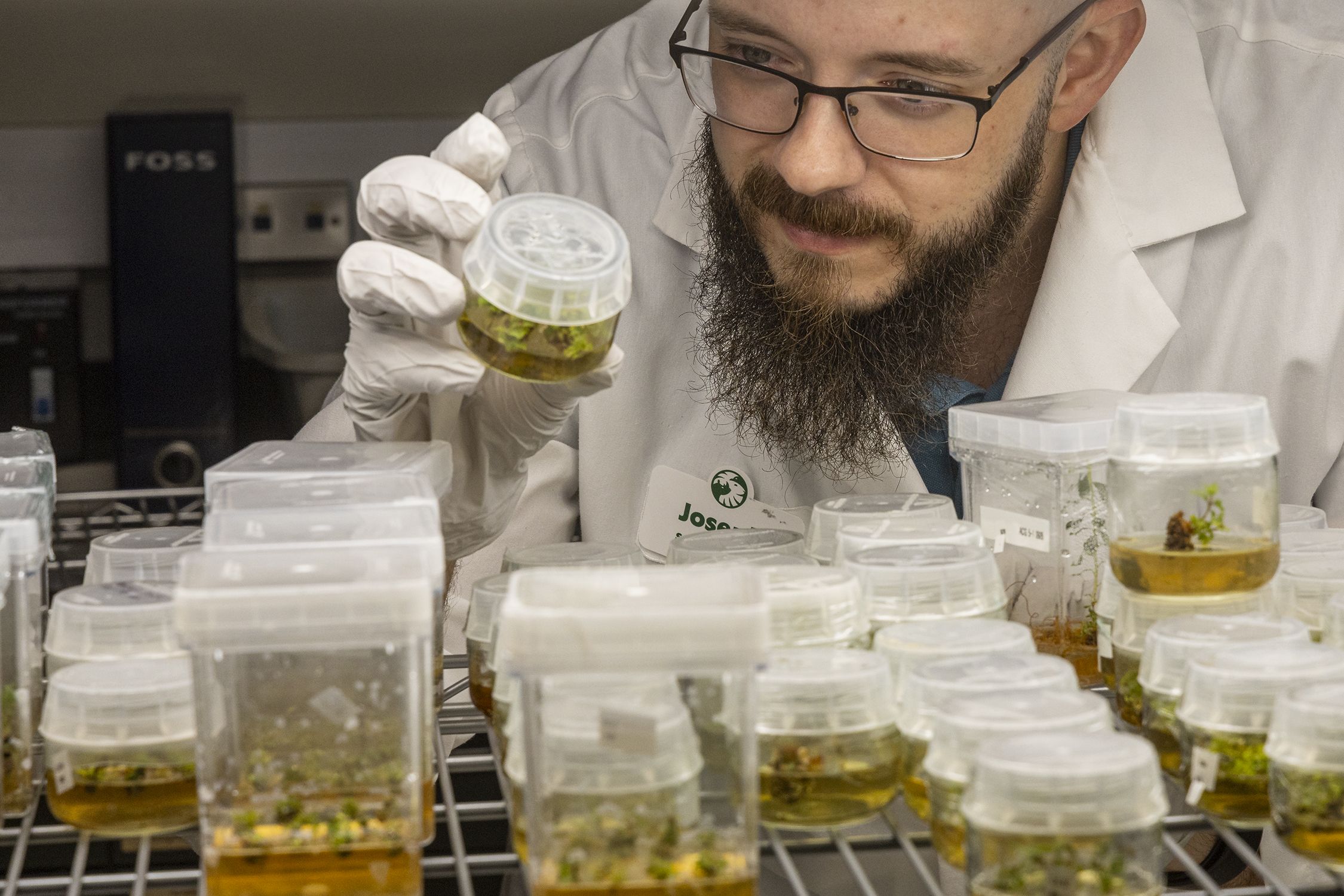
Threat level: Globally, more than 100 species are lost daily due to growing environmental and human-driven pressures, according to Megan Owen, the zoo's vice president of wildlife conservation science.
- Biobanking is a tool to slow or reverse that trend, along with habitat restoration and other conservation efforts.
What's next: The San Diego Zoo Wildlife Alliance is helping build a network of biobanks with the goal of preserving all endangered species by 2075 — supporting facility construction and providing training with conservation partners in Kenya, Vietnam, Peru and Hawai'i.
Editor's note: This story has been corrected to reflect that cells from more than 11,500 (not 1,300) mammals, birds, reptiles, amphibians and fish are banked.