Why San Diego is sinking, along with other major U.S. cities


Add Axios as your preferred source to
see more of our stories on Google.
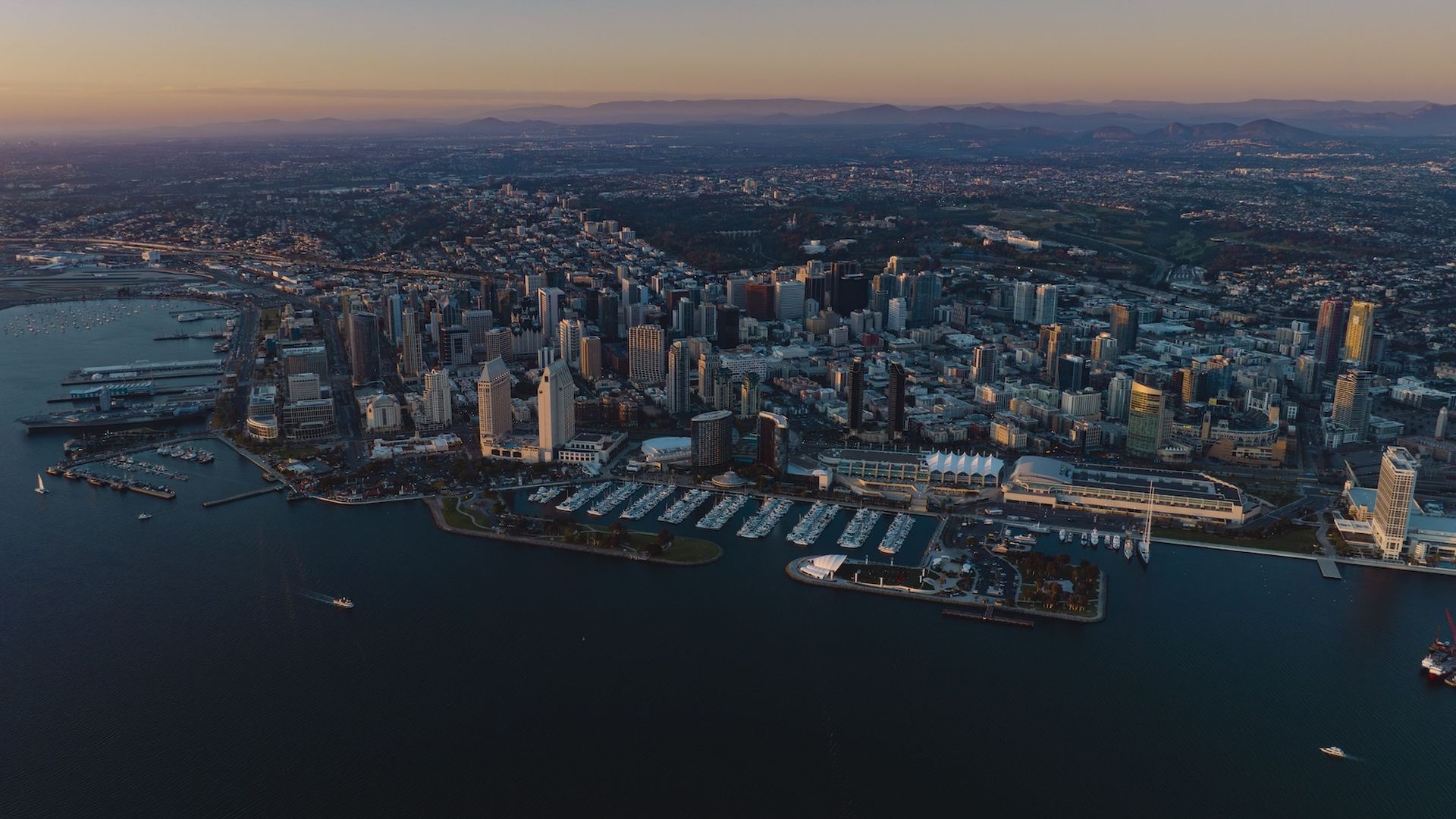
An aerial view of the city. Photo: Joe Sohm/Visions of America/Universal Images Group via Getty Images
San Diego is sinking by the millimeter, and new research shows it's more widespread — and riskier — than once suspected.
Why it matters: Land subsidence is an invisible but growing threat to urban infrastructure — cracking roads, destabilizing buildings and bridges, and raising flood risks.
- In San Diego, it amplifies the impacts of sea-level rise, which can worsen coastal flooding and erosion, particularly during storms.
The big picture: A peer-reviewed study published this month in Nature, found that 25 of the 28 most populous U.S. cities are subsiding, affecting more than 33 million people — over 10% of the U.S. population — who live on sinking land.
- The most affected areas are in Texas, particularly Houston, Fort Worth and Dallas.
Zoom in: San Diego is sinking about 1 millimeter per year — the highest rate of the four California cities analyzed.
- About 90% of the city's land is sinking, but it's more severe (as much as 7mm) in South San Diego, parts of Point Loma and southeastern city neighborhoods.
- Most of the buildings here have a low risk of serious structural damage, with only a small fraction falling into the "high" or "very high" risk category.
State of play: Groundwater extraction for drinking and agriculture is the primary cause of land subsidence nationwide and in San Diego, according to the report.
- When water is pumped from the ground, the pressure in aquifers or wells decreases and can cause the ground to sink.
- San Diego is particularly sensitive to groundwater depletion due to its geology and a history of extraction, so it's at greater risk of sinking when those levels drop.
Between the lines: California has struggled to replenish its groundwater stores, in part because of overpumping and a lack of infrastructure, Cal Matters reports. That's true despite wet winters and a state law intended to protect and restore the state's groundwater.
What's next: Researchers urge cities to factor subsidence into zoning, infrastructure upgrades and flood planning.
- They also call for long-term ground monitoring and public outreach to ensure communities are prepared for slow but damaging shifts.
The bottom line: "We need to start treating subsidence like the slow-moving disaster it is," researcher Manoochehr Shirzaei told New Scientist.