The cutest baby animals at the San Diego Zoo

Add Axios as your preferred source to
see more of our stories on Google.
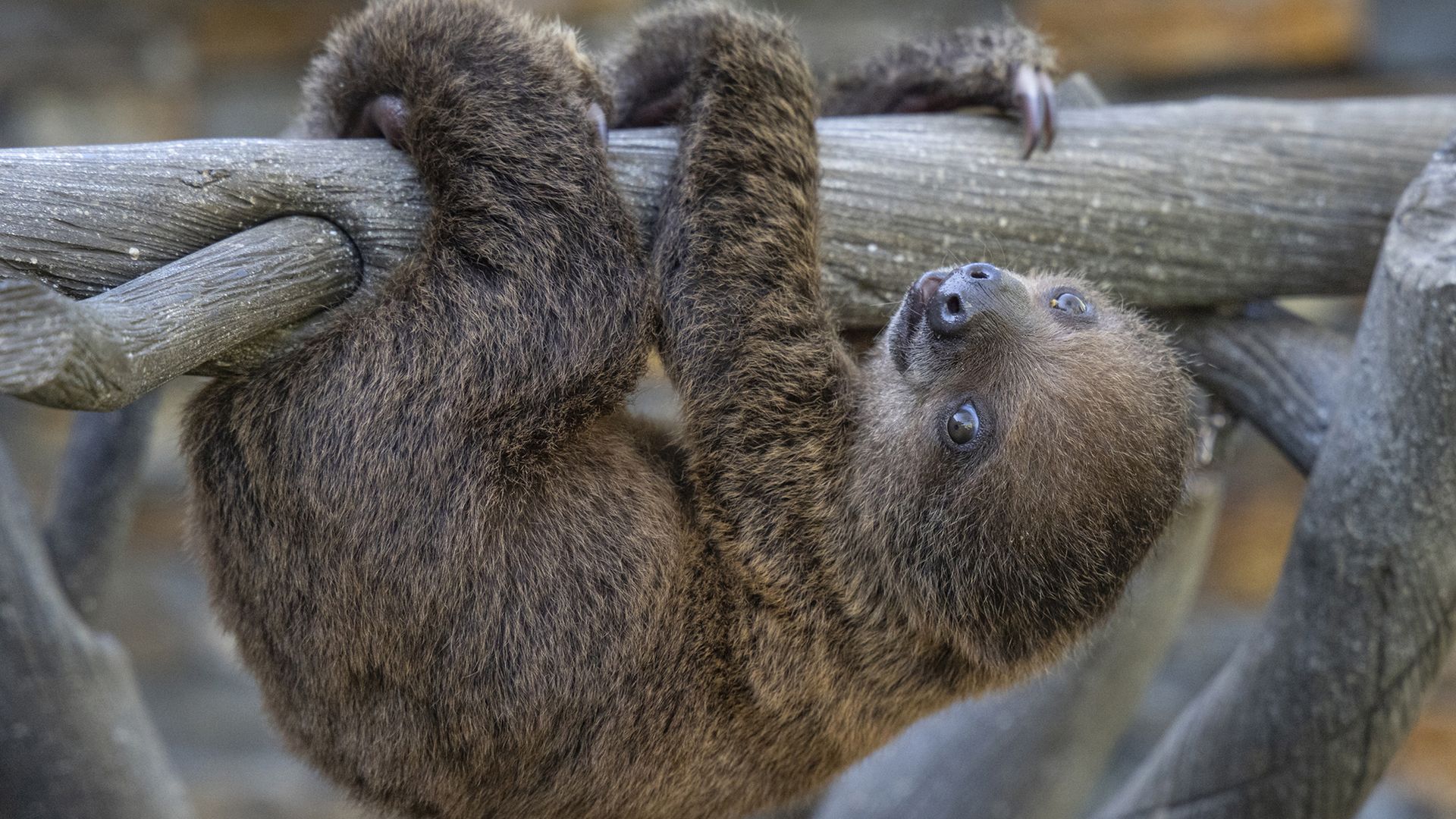
A baby sloth "hangs out" at the San Diego Zoo. Photo: Courtesy of San Diego Wildlife Alliance
A growing number of babies have joined more than 14,000 rare and endangered animals at the San Diego Zoo this year.
Zoom in: Here's a look at some of the cutest new arrivals and others who've been hanging at the zoo for a while.
Amur leopard cubs
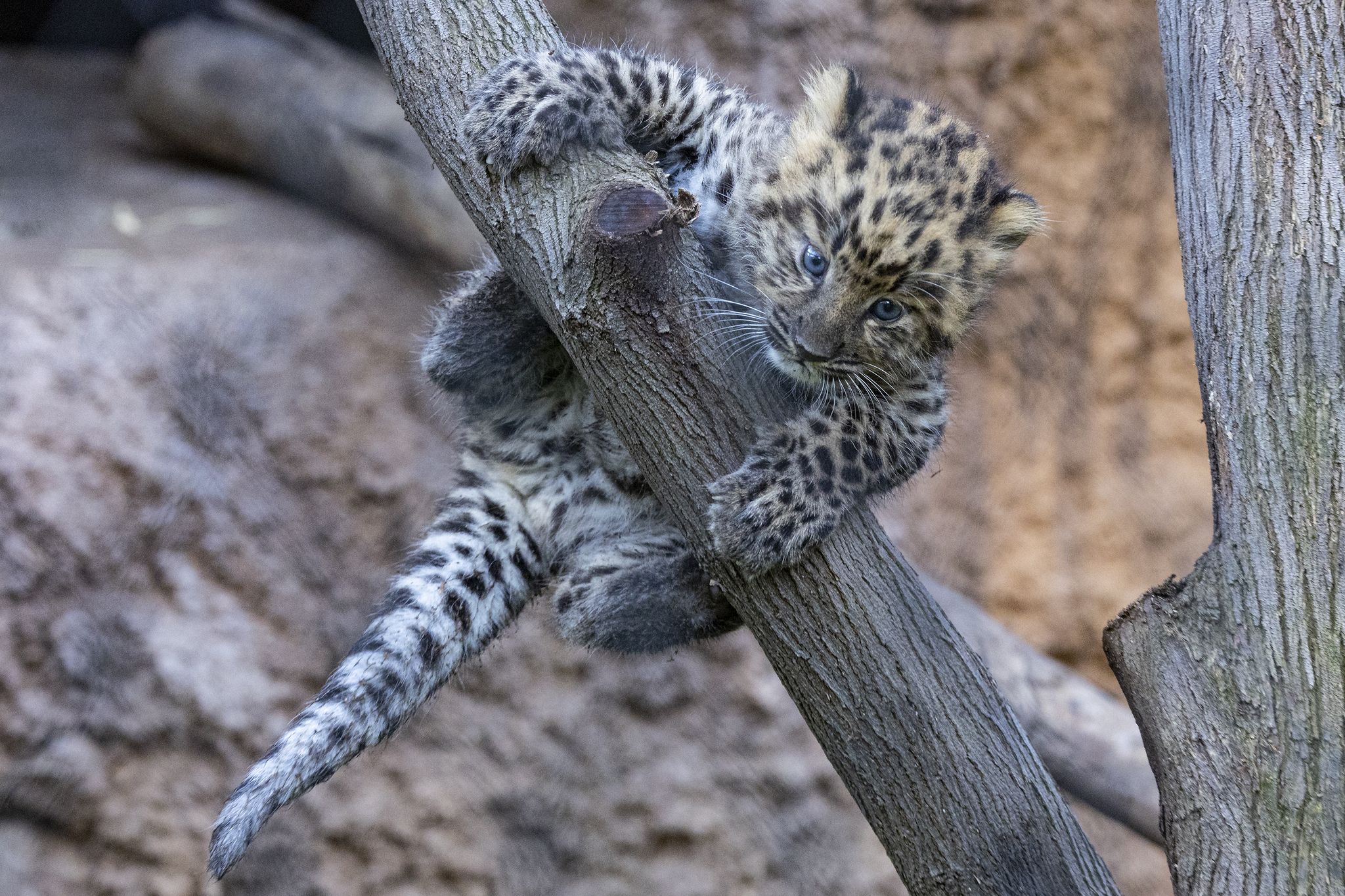
Twin amur leopard cubs, born in March 2023, and their mother, Satka, can be spotted mornings and late afternoons, when they're most active.
- One is named Ulybka, which means “smile” in Russian, and the other is Zorinka, which means “little star” in Russian.
The intrigue: Amur leopards are the most critically endangered of all leopards and one of the rarest big cats in the world, according to the zoo.
Two-toed sloths
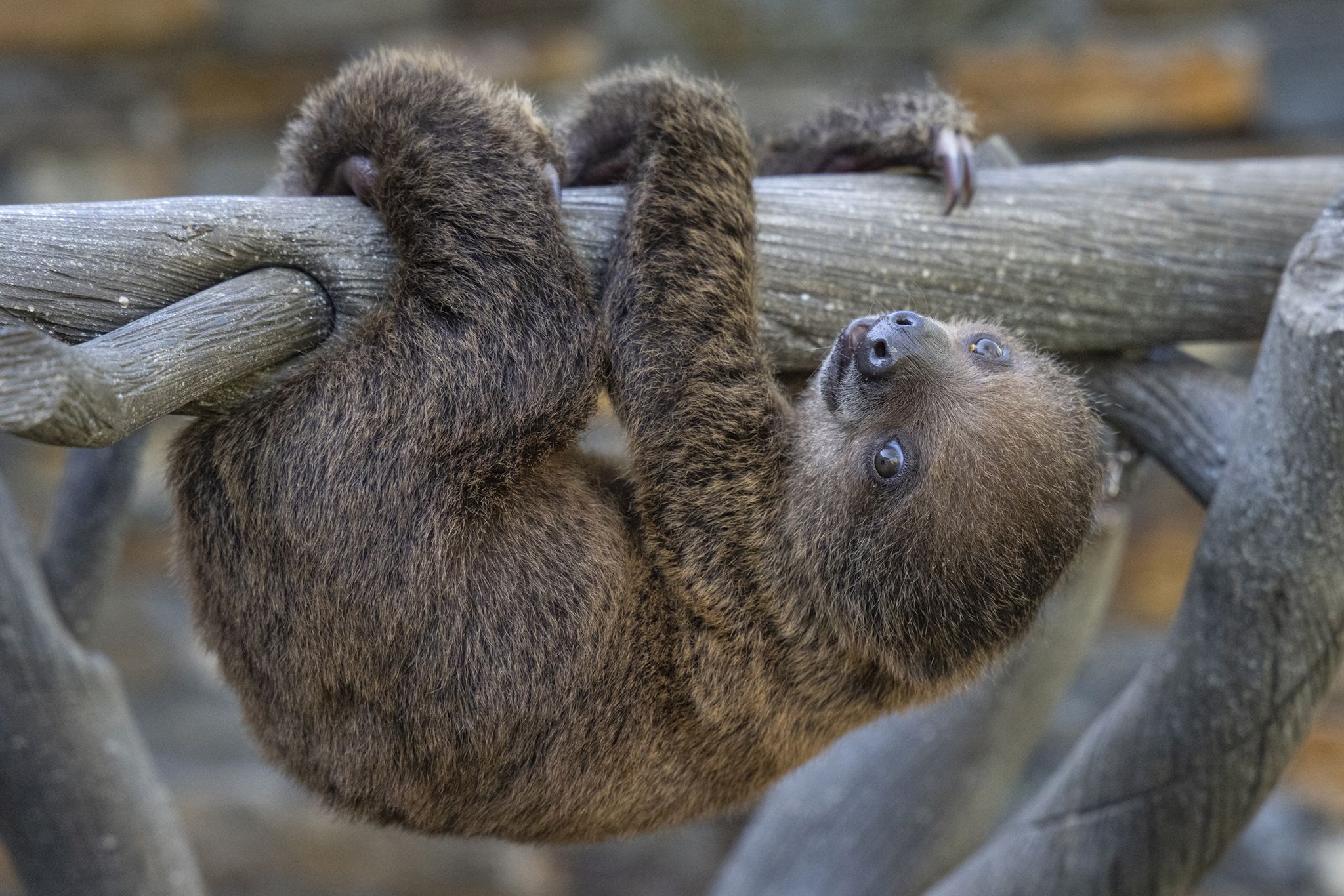
Swoon over the soft smile or the sleepy nature of this snuggly looking baby sloth, which was born in June 2022.
- Colheita, affectionately called Coco, was hanging upside down on her own before she was a month old. As you might know, sloths spend almost their entire life upside down in the trees — whether eating, sleeping, mating or even giving birth.
If you go: The sloths can only be seen in daily wildlife presentations at Wildlife Explorers Basecamp and Wegeforth Bowl.
Andean bear cubs
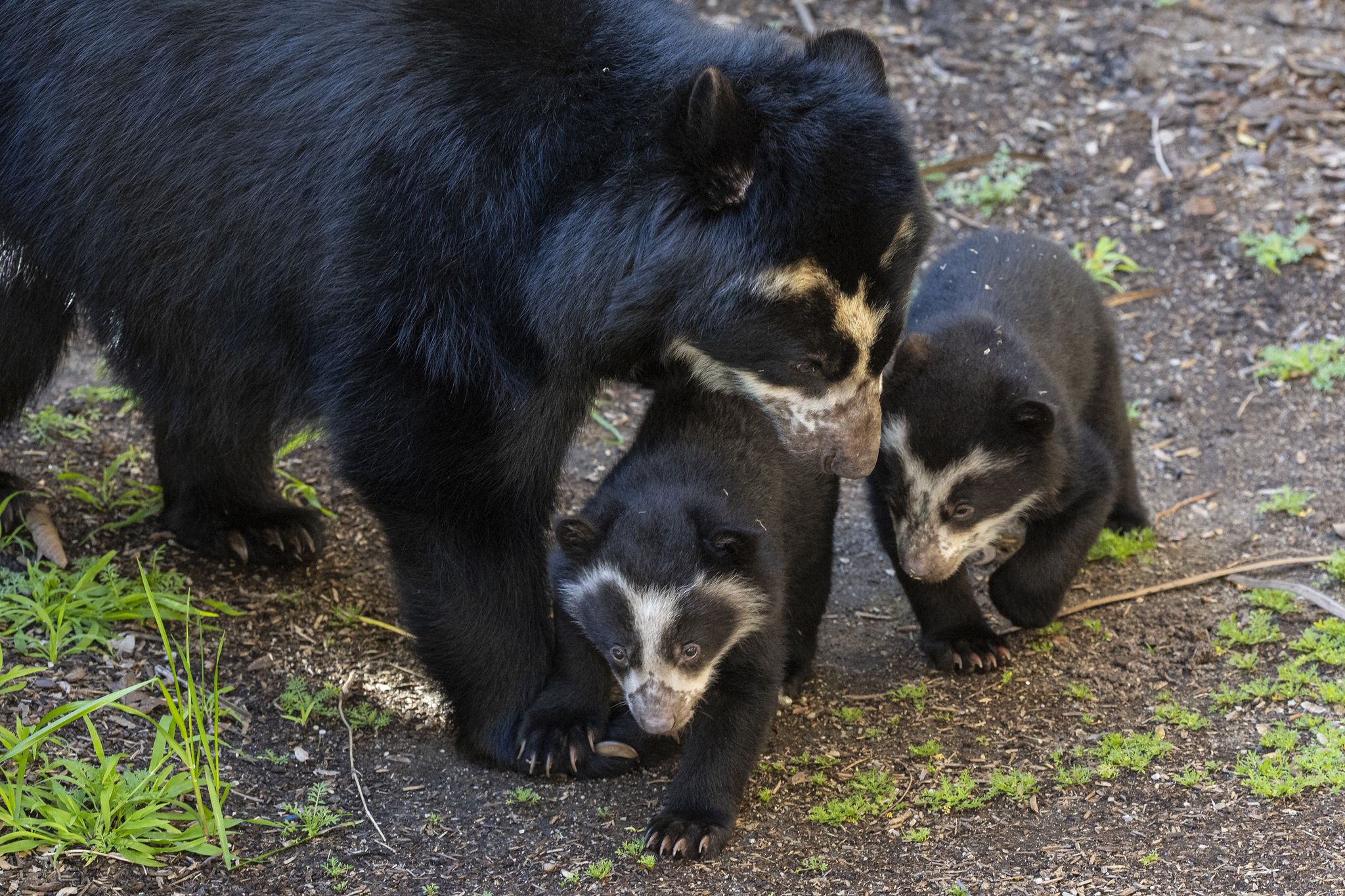
These twin Andean bear cubs might be missing blue coats and red bucket hats (and probably shouldn’t eat marmalade sandwiches), but they’re the same species as the storybook character, Paddington.
Fun fact: Andean bears are also called spectacled bears because of the unique white fur around their eyes that can make them appear to be wearing glasses.
Red pandas
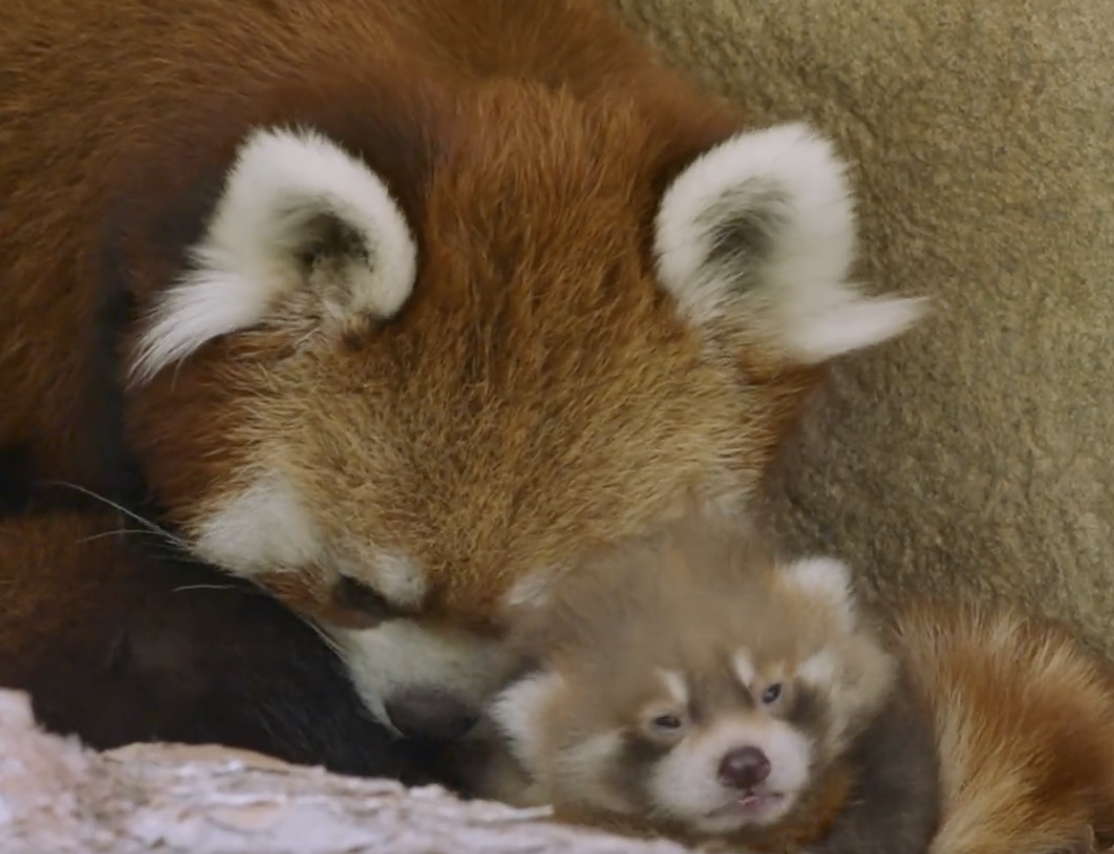
Pavitra the baby red panda was the first of its species born at the San Diego Zoo in nearly two decades — a milestone for the endangered species.
- The global population of red pandas has dropped by 40% over the last 50 years due to a variety of threats, including habitat loss from increased human encroachment and climate change, according to the zoo.
The intrigue: San Diego Zoo Wildlife Alliance partners with the nonprofit Red Panda Network to identify unprotected red panda habitats and train locals in Nepal to help monitor populations, preserve those areas and educate the community.
Koalas
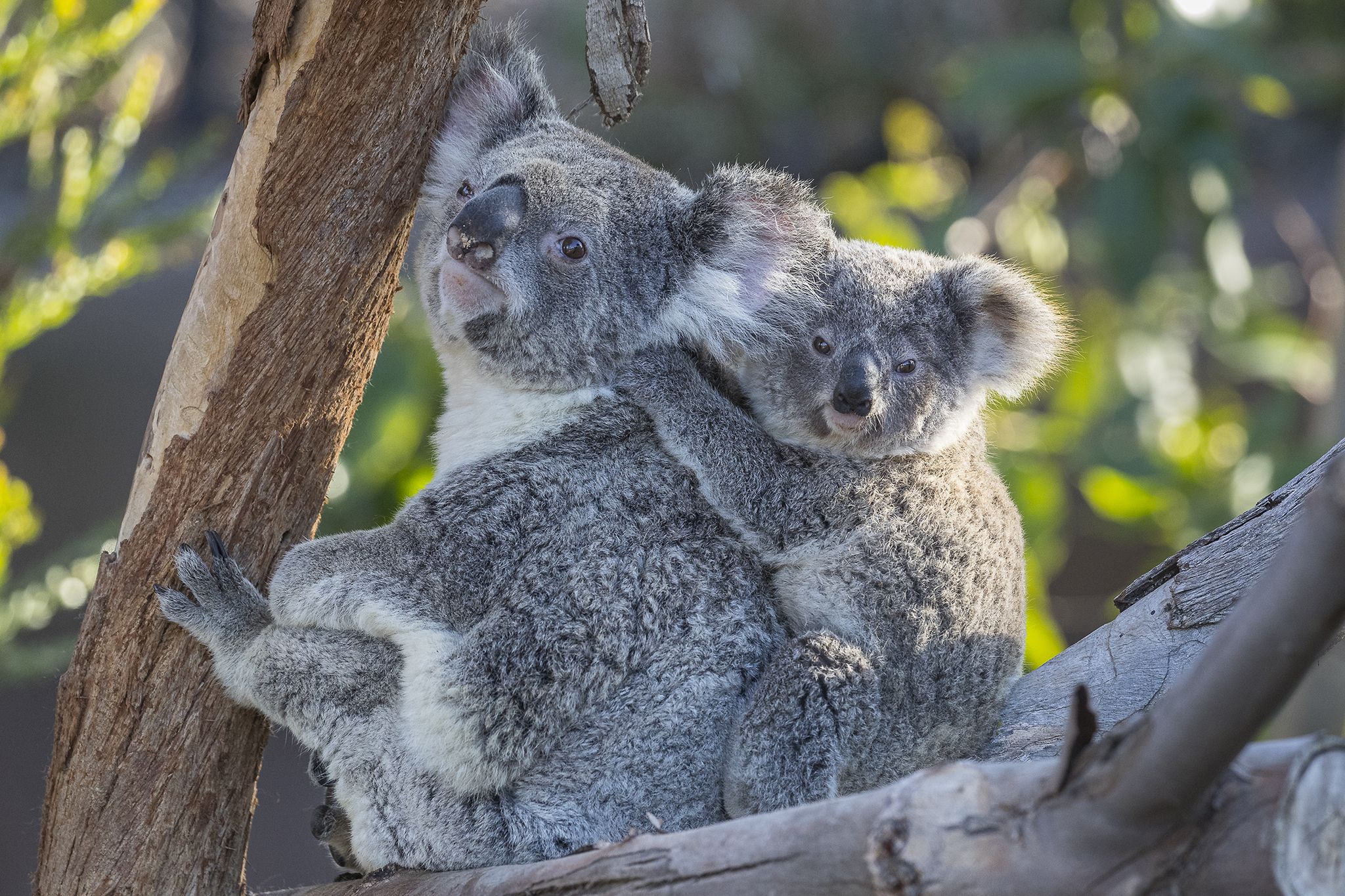
Snugglepot and Cuddlepie were the first koalas at the San Diego Zoo in 1925, and those seem like the perfect names for these cuddly looking creatures.
- Perched in their eucalyptus forest, the koala moms and their babies, called joeys, love to socialize.
- Visitors can see them in person or on a live cam.
Fun fact: This zoo has the largest koala colony and most successful breeding program outside of Australia.
Dik-diks
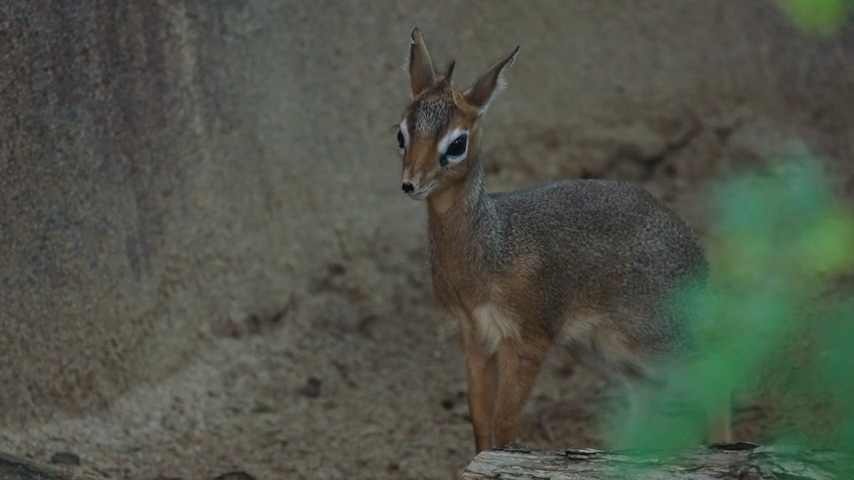
Abeba, which means "flower" in Amharic, an Ethiopian Semitic language, was born in February to parents Chloe and Shaggy.
- Dik-diks are one of the world's smallest antelope species, growing to about 16 inches tall at the shoulder and weighing 6-14 pounds, according to the San Diego Zoo.
Fun fact: Dik-diks' noses are prehensile, meaning they can grasp and pull leaves and stems from plants to eat.
At the Safari Park
Okapis
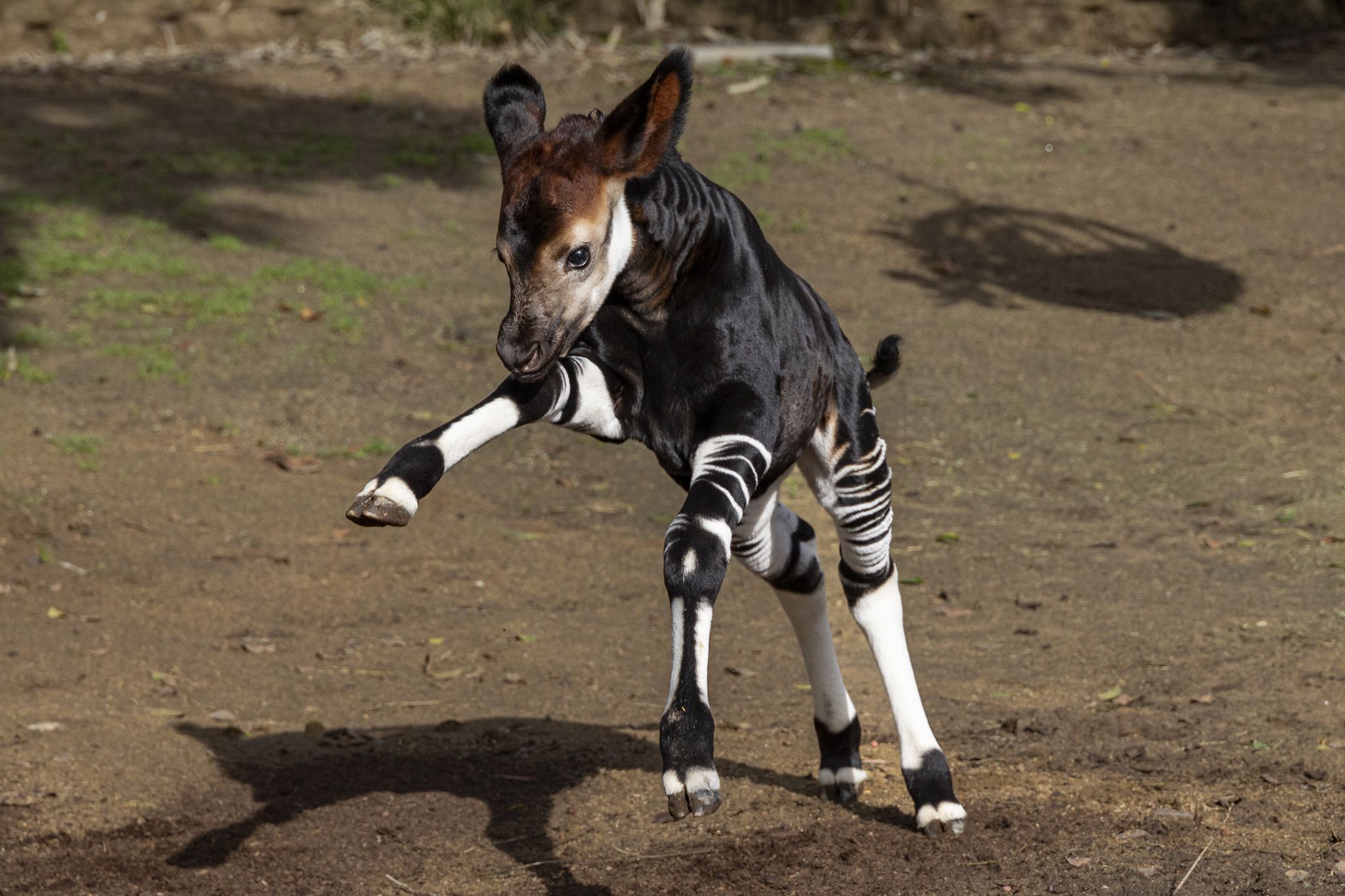
Meet Upepo, the newest okapi calf at the San Diego Zoo Safari Park.
- Usually found in the dense rainforests in central Africa, wildlife care specialists say he’s spunky and curious and has quite the appetite.
Fun fact: The black-and-white stripes might make the okapi look like some type of zebra, but actually, it is the only living relative of the giraffe.
Tiger cubs
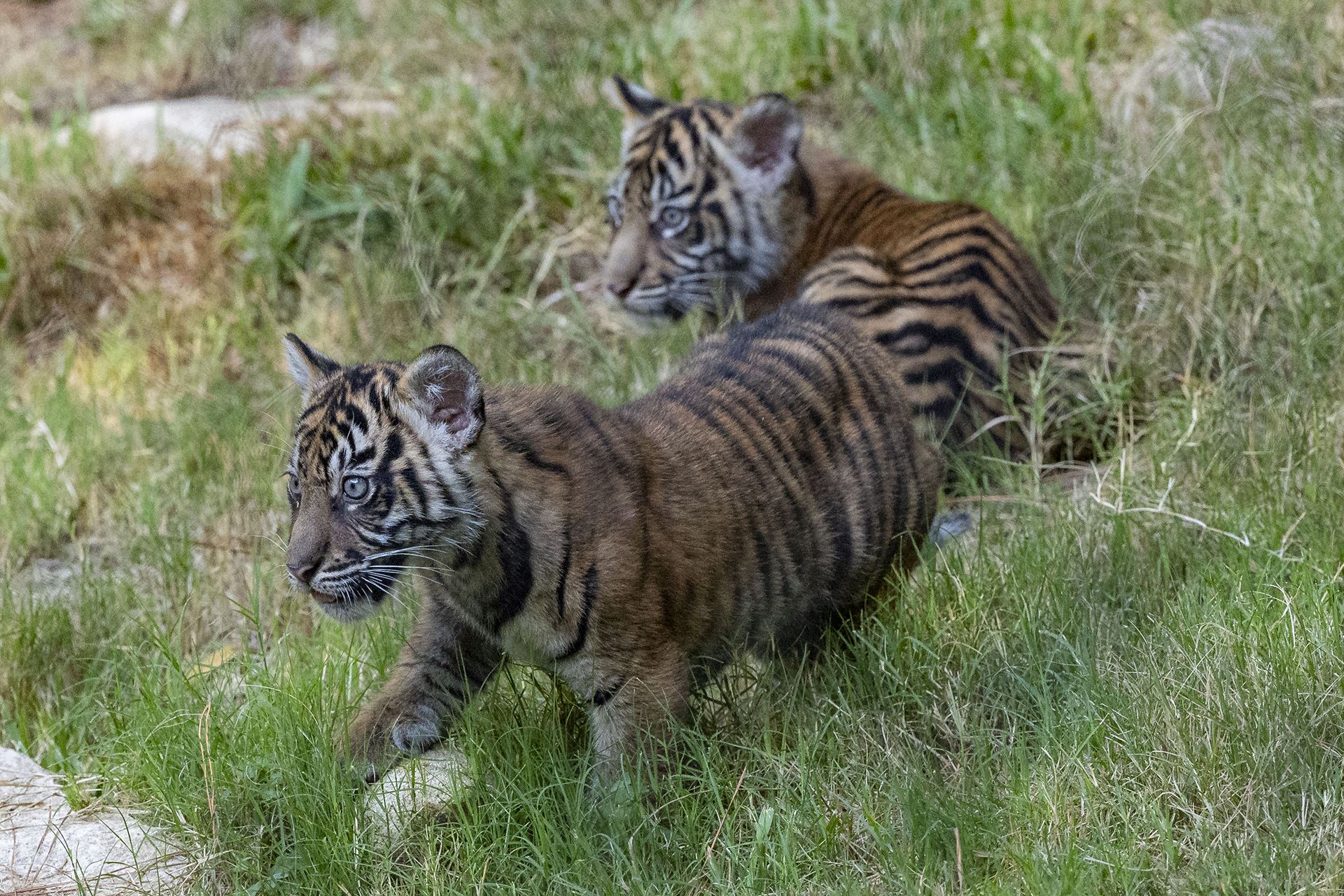
The Safari Park's Sumatran tiger cubs, Puteri and Hutan, stepped out of their den for the first time in October 2023.
- They were born last July — the first cubs of their species to arrive at the Tull Family Tiger Trail habitat in seven years.
Threat level: Only an estimated 400-600 of the critically endangered Sumatran tigers remain on Earth, according to the zoo.
Tree kangaroos
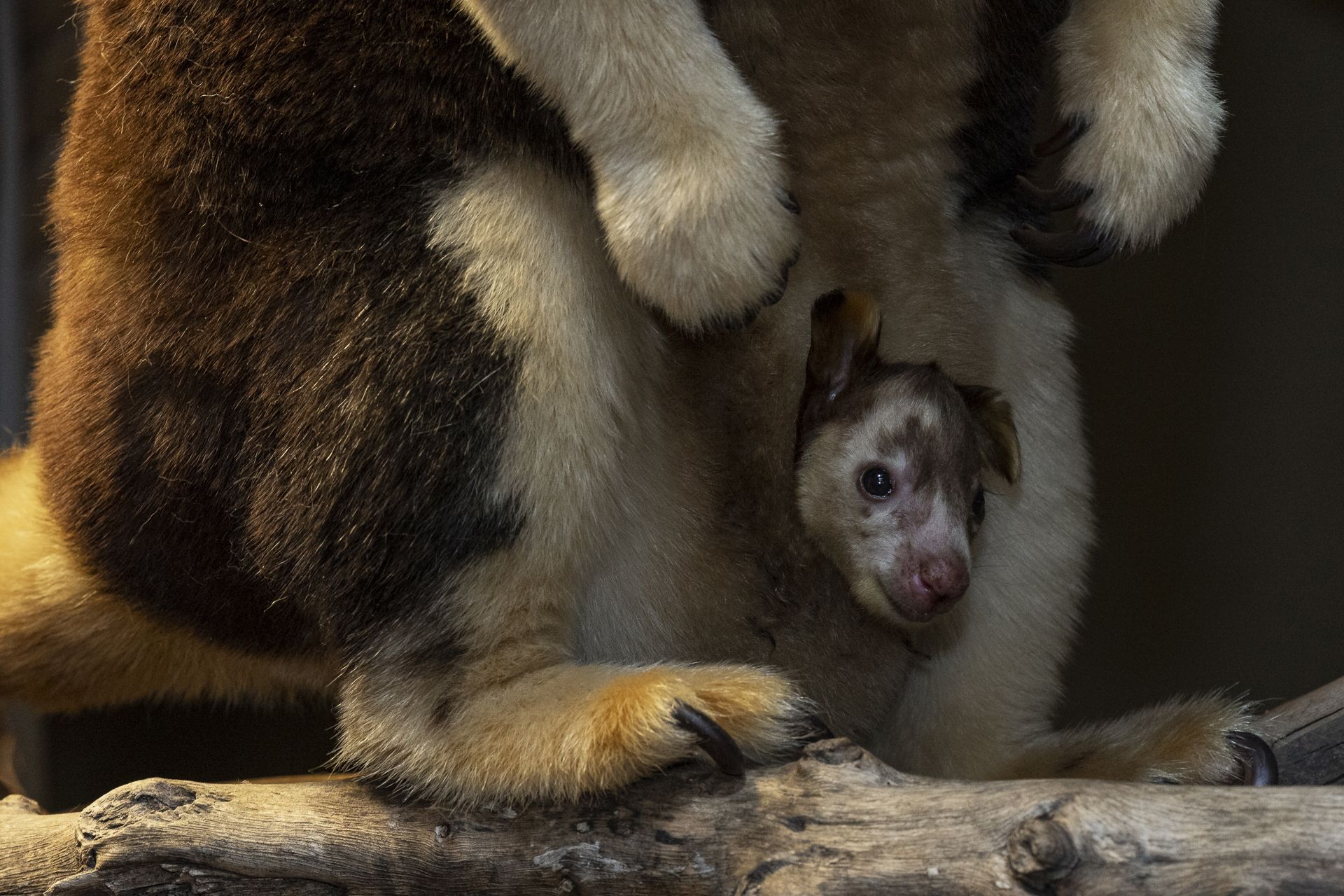
This endangered Matschie’s tree kangaroo named Kikori was born at the Safari Park last summer, arriving at about the size of a jellybean.
- Baby tree kangaroos, called joeys, crawl into their mother’s pouch to eat and grow until they’re about six months old. They pop their heads out at about seven months old.
The intrigue: Matschie’s tree kangaroos are native to Papua, New Guinea, and they can sometimes be found in Australian rainforests.
- As their population declines, there are fewer than 2,500 adult Matschie’s tree kangaroos left in their native habitats, according to the Safari Park.
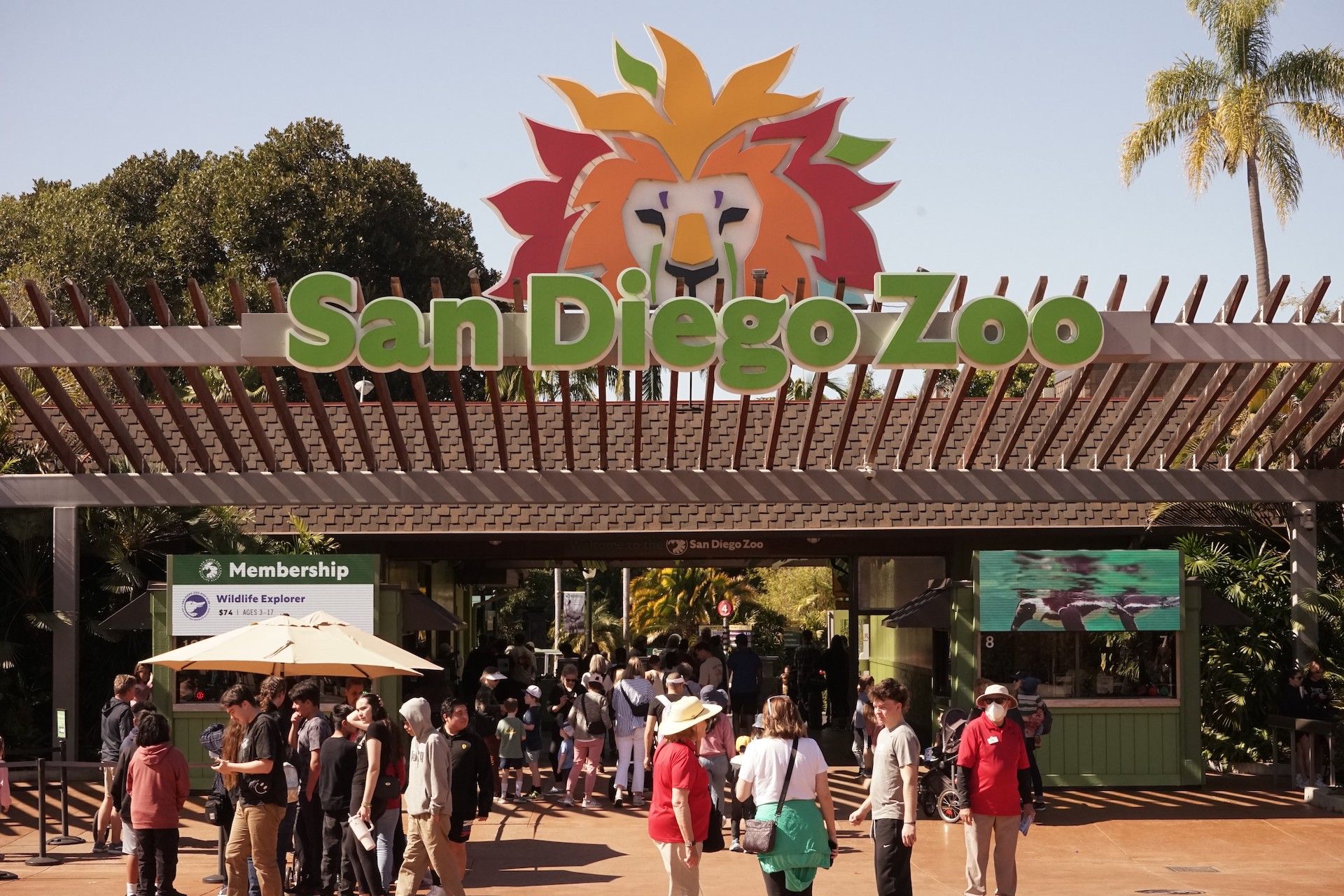
If you visit: The San Diego Zoo is located in Balboa Park, minutes from downtown San Diego.
- Tickets start at $67 for adults and $57 for children ages 3-11.
- Parking is free in the lot in front of the zoo and throughout Balboa Park, including Inspiration Point, where one can catch a ride on the free shuttle.
- Check out the map of the 100-acre park.
Worthy of your time: Check out the zoo’s Safari Park less than an hour away in Escondido. You can hop into a covered, open-air safari truck for an up-close and personal experience with African rhinos, giraffes, elephants, lions and other animals.