Archiving San Diego's lowrider legacy

Add Axios as your preferred source to
see more of our stories on Google.
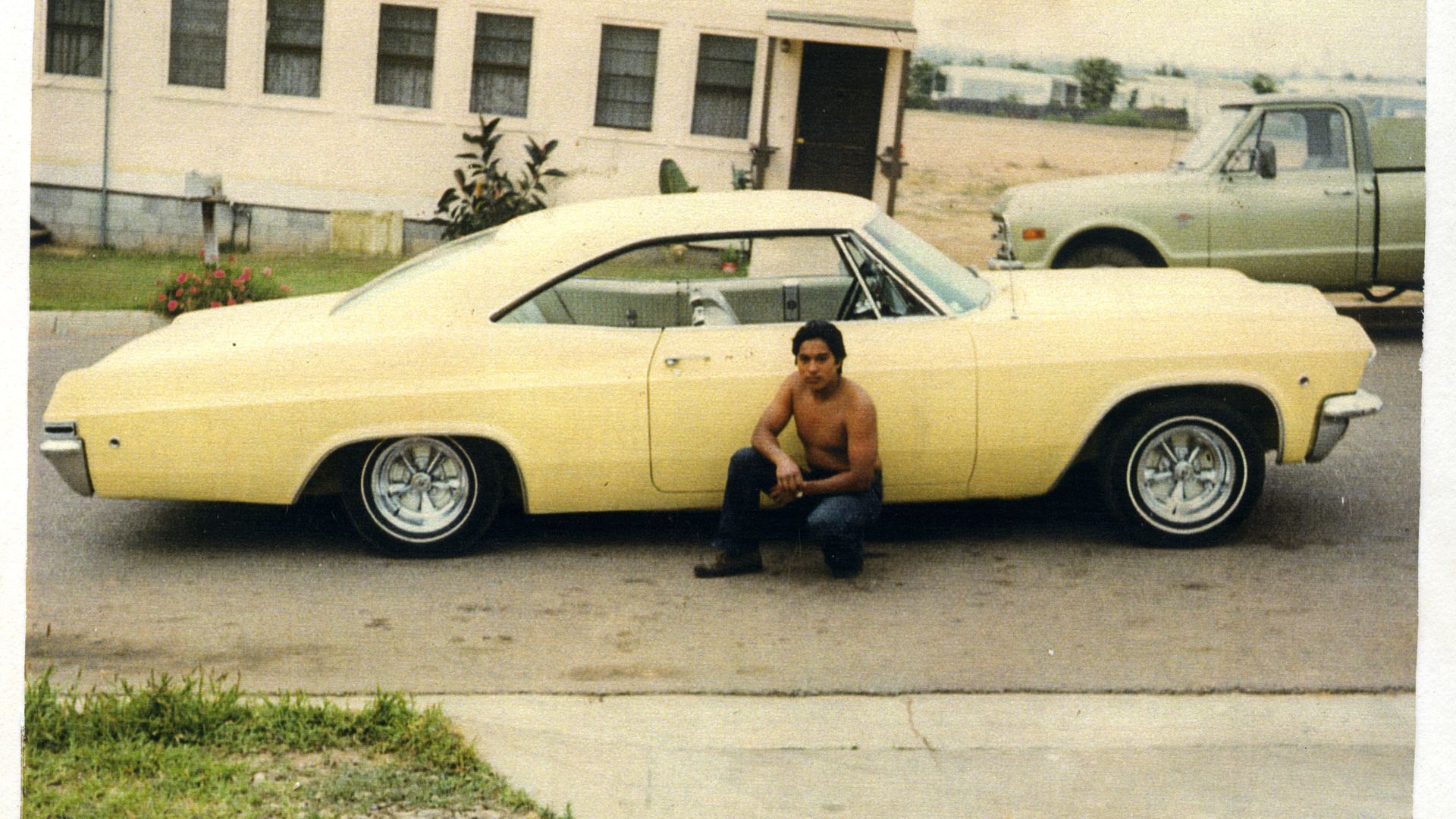
David Aguilar from the Chicano Brothers Car Club with a 1965 Chevrolet in 1980. Photo: Josue Aguiar/Courtesy of San Diego Lowrider Archival Project
Cruising is no longer a crime in California, but a local professor who's archiving the legacy of lowrider culture in San Diego is holding his applause.
Driving the news: Gov. Gavin Newsom legalized cruising statewide earlier this month when he signed AB 436, authored by San Diego Assemblymember David Alvarez. It revoked two types of lowrider restrictions.
- The law amended the state vehicle code to remove restrictions that prohibited the bodies of cars from riding too close to the ground.
- It also revoked cities' abilities to prohibit coordinated displays of lowriders, or cruises.
Flashback: Until National City reversed its own cruising ban this year, it was illegal for a car to circle a city street two or more times within four hours in the city.
- The United Lowrider Coalition kickstarted the repeal of National City's ban, which grew into AB 436.
Why it matters: Lowriding grew out of Chicano and Chicana culture after World War II, and developed significant artistic and historic legacies across San Diego and the rest of the state. The cruising bans adopted have been described as racially motivated or based on negative stereotypes.
- Professor Alberto López Pulido, founding chair of the Department of Ethnic Studies at the University of San Diego, is creating a repository for that legacy with the San Diego Lowrider Archival Project, which collects everything from photographs to car club meeting minutes from the 1950s through today.
Yes, but: Pulido said he hopes the legislation makes more people aware of the injustice of lowrider bans, but he remains apprehensive.
- "Maybe this will establish cruising as a community and family event, and not one of gangbanging, which has always been the prevailing view," he said.
- "It's going to be law enforcement that has to step up," he said. "Even after the legislation, at the local level there has to be a trust and a relationship between the lowrider community and law enforcement.
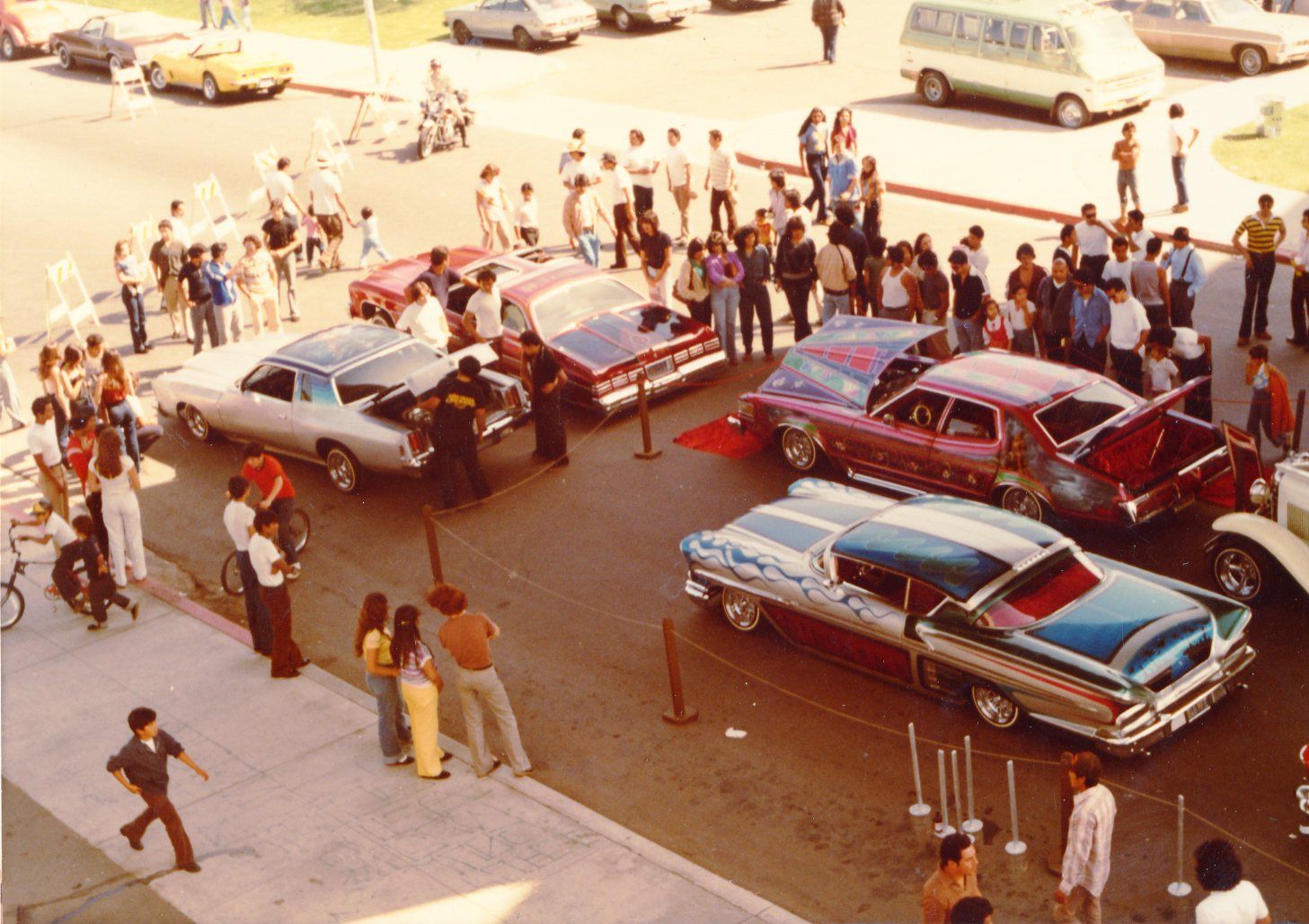
Context: Pulido, who also created the 2014 documentary about lowriding in San Diego "Everything Comes from the Streets" and who wrote the book "San Diego Lowriders: A History of Cars and Cruising" with Rigoberto Reyes, said the 1979 film "Boulevard Nights" had a devastating effect on the public's view of lowrider culture.
- "That's what got traction, and racialized this action of cruising," he said.
What's next: Cruising takes place on public streets, Pulido said, so even after legalization, questions remain about how law enforcement will provide access to the lowrider community.
- "This is a street culture that must be recognized and affirmed," he said. "If you end the street culture, you move to a car show scene."