Step into 19,000 years of human history near Pittsburgh

Add Axios as your preferred source to
see more of our stories on Google.
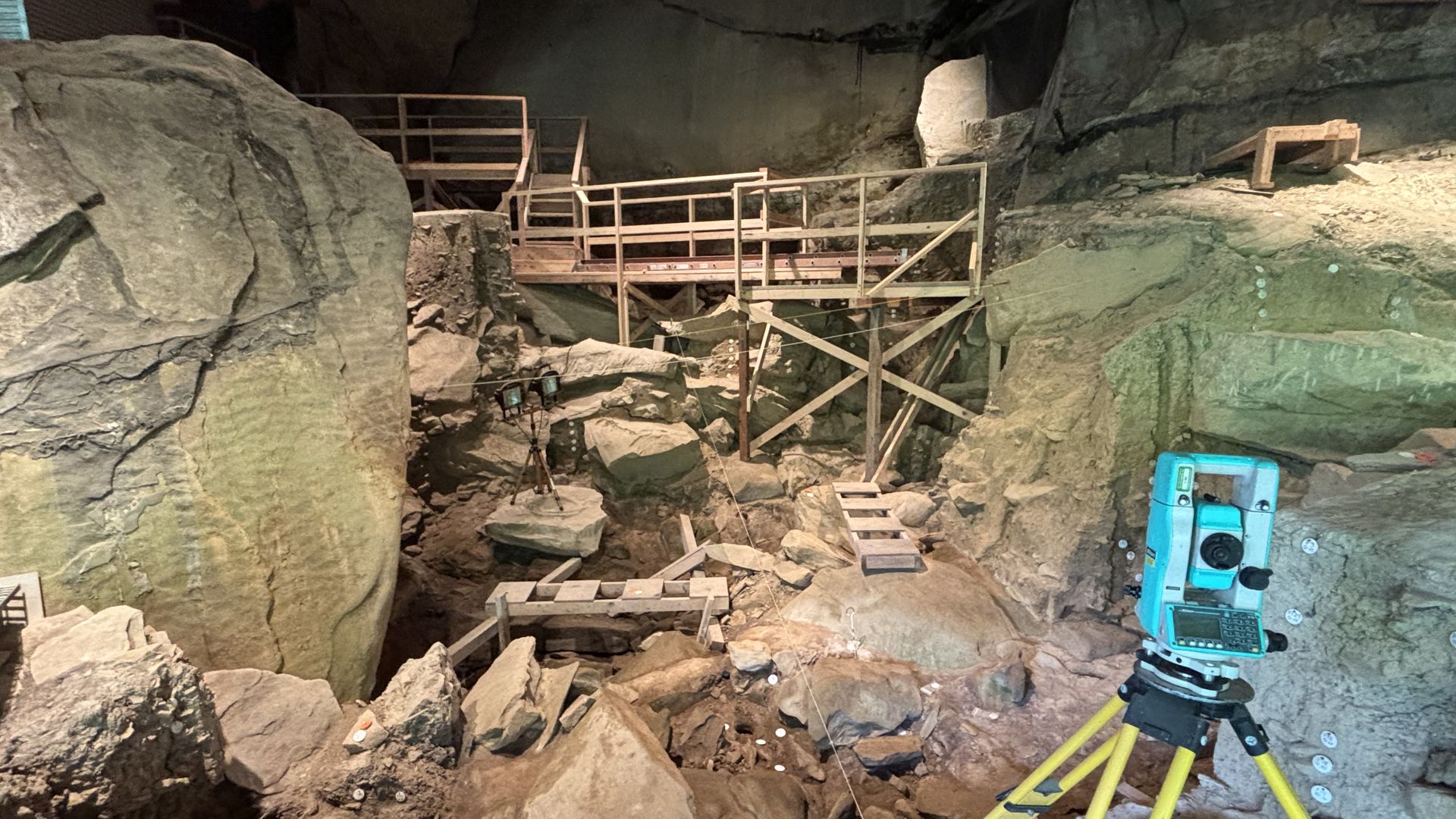
See Meadowcroft's prehistoric rock shelter with expert guides. Photo: Chrissy Suttles/Axios
A chance discovery in a Pennsylvania groundhog hole rewrote the story of the earliest Americans, and you can explore the site just an hour from Pittsburgh.
Why it matters: Few places in the U.S. offer a deeper connection to the past than Meadowcroft Rockshelter and Historic Village, one of the oldest sites of continuous human habitation in North America.
- The National Historic Landmark in Washington County is a natural pick for our next PA Bucket List stop.
The big picture: In 1955, farmer and local historian Albert Miller discovered flint flakes, burned bone and a flint knife in a groundhog burrow on his property.
- Nearly two decades later, archaeologist James Adovasio and a University of Pittsburgh team started excavating the site.
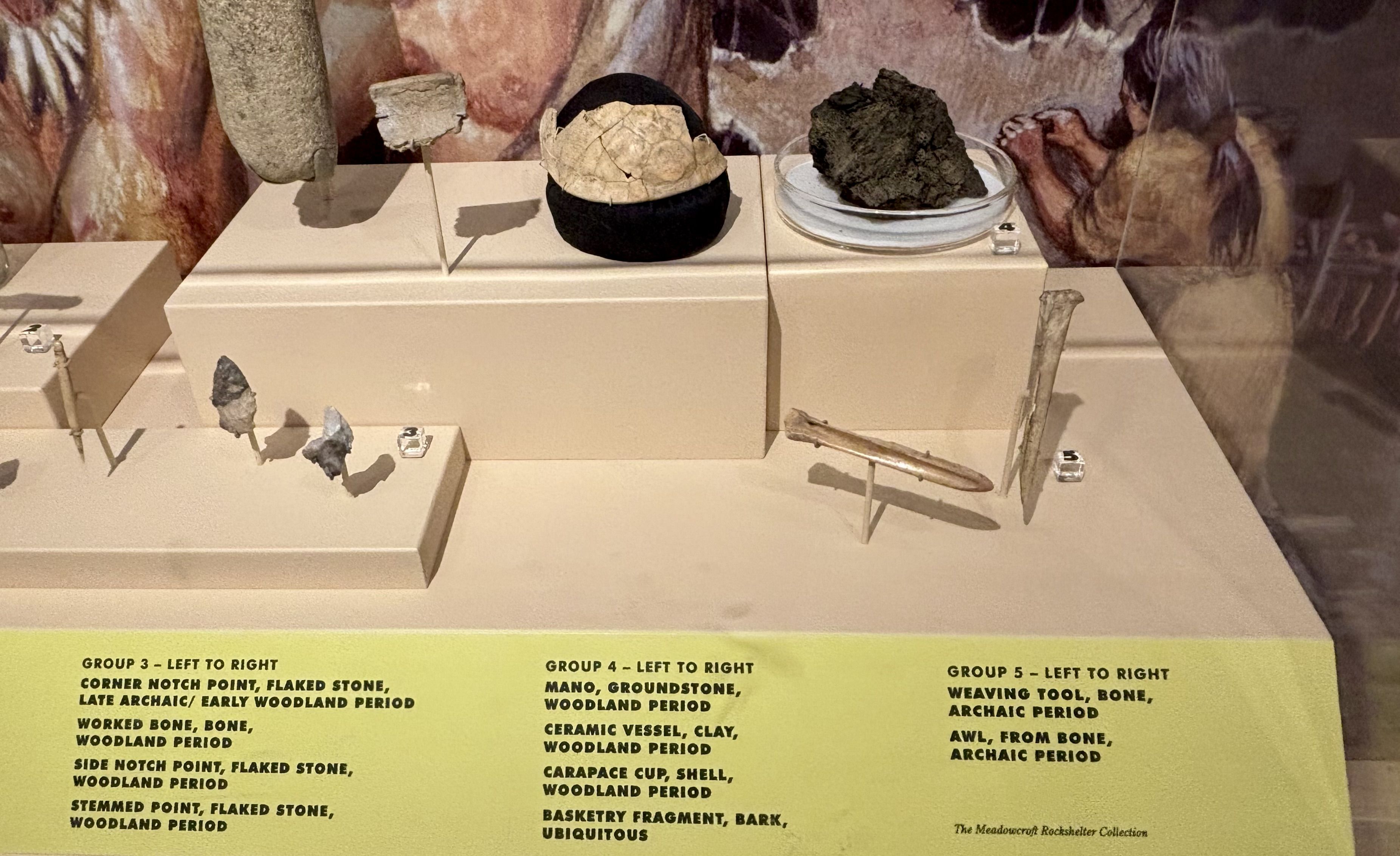
- They uncovered a trove of artifacts, including stone tools, pottery fragments and wooden instruments. Carbon dating showed some were more than 16,000 years old, with one artifact dating back nearly 19,000 years.
- The groundhog, dubbed "Rocky," now serves as Meadowcroft's unofficial mascot.
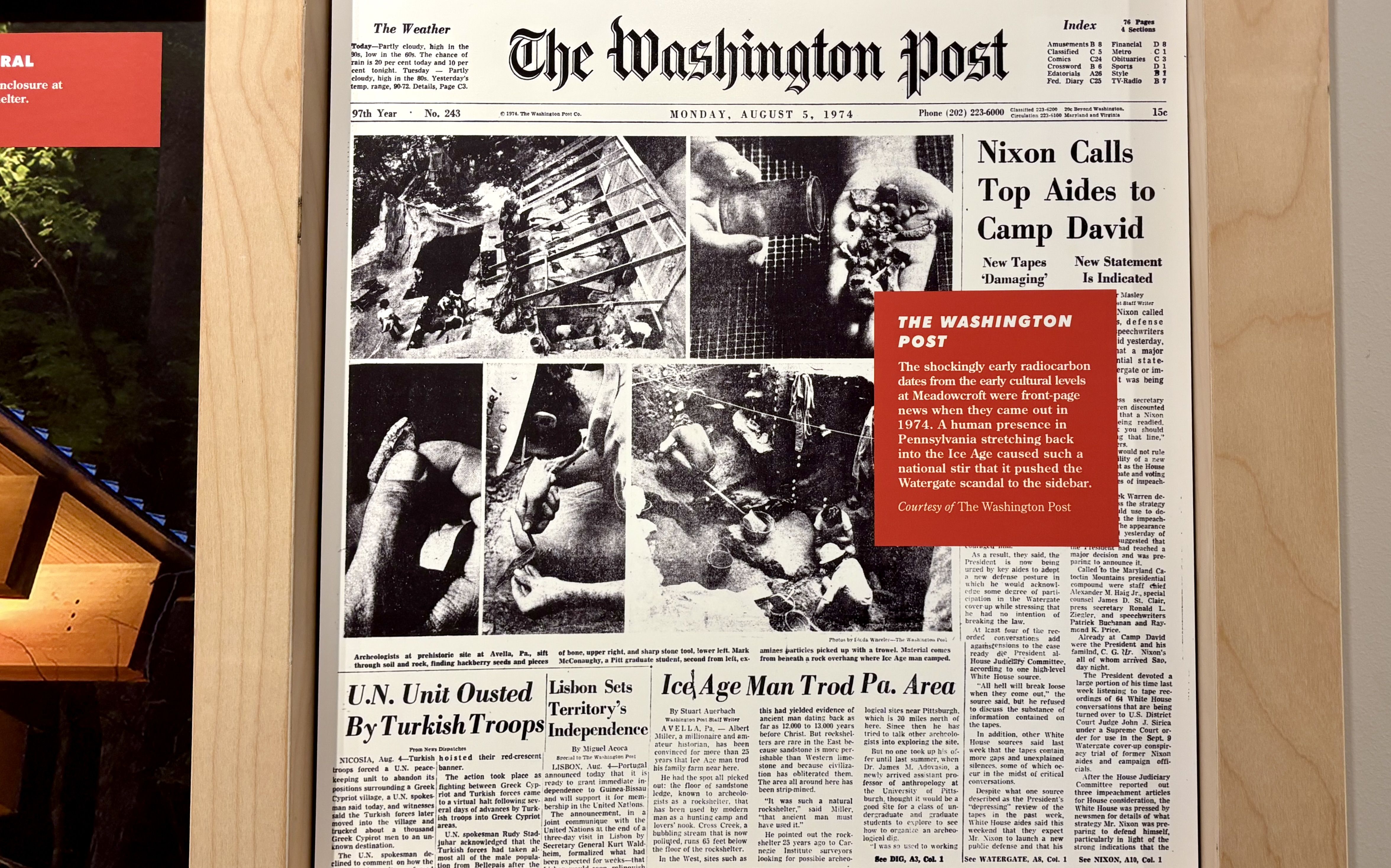
Friction point: Before Meadowcroft, archaeologists believed the people of the "Clovis culture" were North America's first inhabitants, arriving roughly 12,000 years ago.
- Meadowcroft challenged that theory and drew fierce criticism, but subsequent discoveries at other sites ultimately reinforced the new findings and shattered one of archaeology's core assumptions.
Zoom in: Now, you can tour Meadowcroft's prehistoric rock overhang with expert guides and an observation deck.
- Check in at the Barensfeld Center to sign up for a tour. The center houses artifacts recovered from the site — from Pleistocene hunter-gatherers to prehistoric farmers, alongside a gift shop, a shaded picnic pavilion with a wood-burning fireplace, and a library for research.
- Behind the center, living-history villages span three centuries of regional history. Try an atlatl (spear-thrower) at a recreated 16th-century Monongahela village, tour an 18th-century trading post, and watch a blacksmith at work in the 19th-century historic village.
Pro tip: Ask the guides lots of questions for fascinating tidbits. One favorite: "Buck" became slang for money in the 1700s, when deerskins were commonly used in trade.
If you go: 401 Meadowcroft Road in Avella, Washington County
- Buy advance tickets online via the Heinz History Center. $15 for adults; $7 for kids 6–17; free for kids under 6.
- Open seasonally from May through Nov. 23. Summer hours are 10am–4pm Wednesday–Sunday. Full hours here.