Plastics maker to pay $2.6 million for nurdle pollution


Add Axios as your preferred source to
see more of our stories on Google.
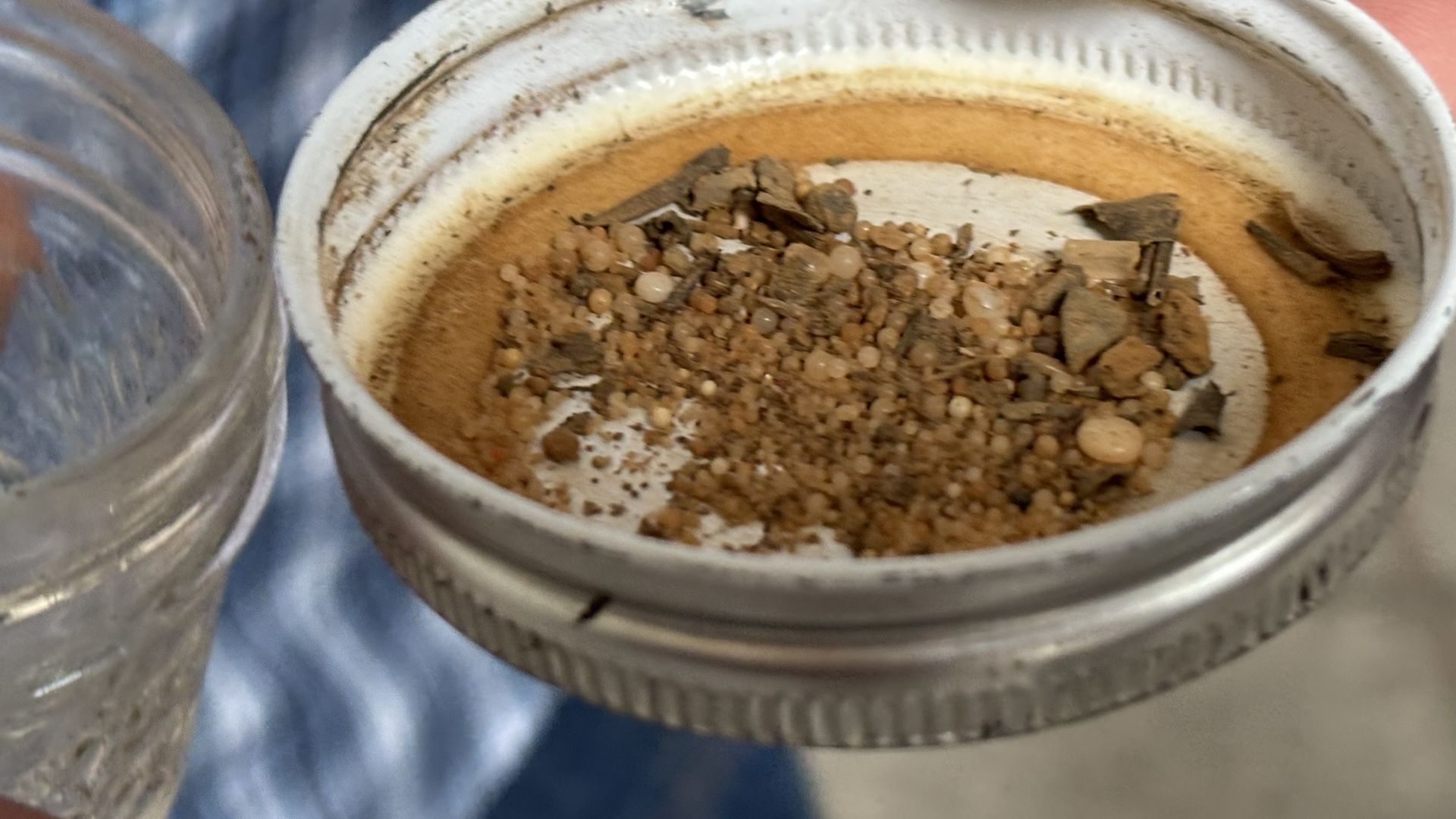
Hundreds of nurdles discolored from mud collected in 2022. Some are smaller than a grain of sand and pulled from 1 gallon of mud in Raccoon Creek. Photo: Ryan Deto/Axios
Owners of an idled Pittsburgh-area plastics plant have agreed to pay $2.6 million to settle a citizen-led lawsuit accusing the company of polluting local waterways with microplastics.
Why it matters: The deal "demonstrates the crucial role that citizen lawsuits play in the enforcement of our core environmental laws," says Matthew Donohue, the National Environmental Law Center attorney who represented the plaintiffs.
- The lawsuit is a blueprint for cases against industrial plants and a model for addressing pollution, says PennEnvironment director David Masur.
The latest: Nonprofits PennEnvironment and Three Rivers Waterkeeper, joined by Pennsylvania's Department of Environmental Protection (DEP), filed a proposed court settlement Thursday with Styropek — a maker of styrofoam-like beads called nurdles.
- The agreement resolves a federal lawsuit over the company's past discharge of nurdles from its Beaver County plant into Raccoon Creek and the Ohio River.
Threat level: Wildlife can ingest the plastic, spreading toxic chemicals through the food chain, per Heather Hulton VanTassel, executive director of Three Rivers Waterkeeper.
- The nurdles can break down into smaller microplastics that pose health risks in humans, she adds.
Catch up quick: Environmental groups sued Styropek in late 2023, alleging the company violated the Clean Water Act by discharging over 120,000 tons of nurdles into waterways near its Monaca plant for more than a year.
- During regular "nurdle patrols," Three Rivers Waterkeeper found the plastic in the creek and coating the banks near the plant, per the lawsuit.
- DEP inspectors in a Wednesday news release said they later found plastic pellets scattered across the Styropek facility and traced downstream pollution directly to the plant.
The other side: Styropek said in a statement the agreement "reflects the company's commitment to environmental responsibility."
- The company shut down production at the site earlier this year, citing shifting business priorities.
Yes, but: Donohue says nurdles are still discharging from the facility, particularly during heavy rainstorms, and the settlement requires the plant to install capturing technology within three years in case it restarts production or is sold to a new owner.
- Owners must pay between $750-$1,500 per discharge instance, he says. Fines double after the first year.
Zoom out: The case joins a growing number of successful citizen suits in the region. PennEnvironment, Clean Air Council, and the Allegheny County Health Department last year settled a Clean Air Act lawsuit against U.S. Steel stemming from a 2018 fire that knocked out pollution controls at its Mon Valley Works plants.
- The deal required millions of dollars in plant upgrades and a $5 million penalty, one of the nation's largest citizen-led Clean Air Act cases, AP reported.
What's next: Most of the Styropek settlement money, still subject to court approval after a 45-day review period by the U.S. Department of Justice, would fund plastic bead cleanup near the Beaver County plant and improvements to the Ohio River watershed.