"Fibermaxxing" is trending, but don't overdo it


Add Axios as your preferred source to
see more of our stories on Google.
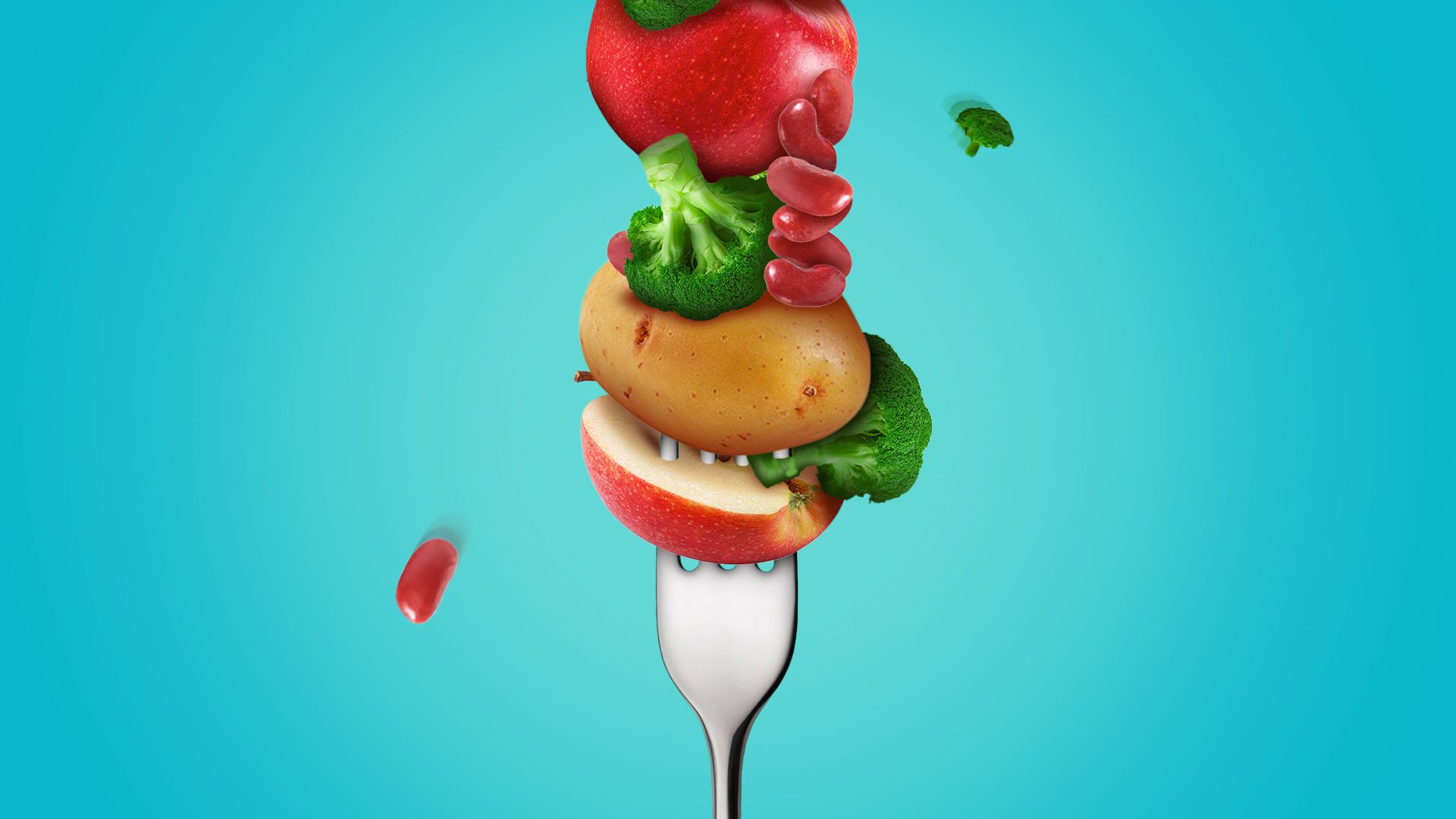
Illustration: Aïda Amer/Axios
TikTok users are eating a ton of dietary fiber, but making it sound cool: They're "fibermaxxing."
Why it matters: Most Americans fall short of their daily fiber needs, so a viral push to increase intake could help close the gap.
- That said, "you can get too much of a good thing," says registered dietitian nutritionist Janet Helm.
By the numbers: In the Pittsburgh region, supplements and powders containing fiber are a $76 million industry, up nearly 11% today compared to two years ago, per consumer intelligence firm NielsenIQ.
What's happening: Content creators are suggesting ways to add fibrous foods like beans and chia seeds to meals, in order to be fuller, more regular and manage weight.
State of play: "Fiber is beginning to have a moment," says Sherry Frey, VP of total wellness at NielsenIQ.
- Along with being good for your bowels, blood sugar and heart — fiber lowers the risk of colorectal cancer, a disease that's seeing more early-stage diagnoses.
- And it's the latest topic in the gut health conversation, popular among wellness influencers and GLP-1 users changing their diets.
Yes, but: "Where the trend has gone too far for me" is when people are consuming more than the recommended 25 to 38 grams for adults, Helm says.
- Eating too much too fast could cause bloat, gas and diarrhea, she says.
To healthfully introduce more fiber into your life, start slowly, stay hydrated and look for both soluble and insoluble fiber sources in whole foods.
- "Choose your fiber by the company it keeps," Helm says.
- She says eating an apple or potato, peel and all, contains fiber plus other vitamins and minerals — compared with a manufactured food with added fiber "that might not have much else to offer."
The bottom line: Instead of "maxxing" out on fiber, just make sure you're getting the right amount — and not ignoring other nutrients.