Stomp till they drop: Lanternflies return

Add Axios as your preferred source to
see more of our stories on Google.
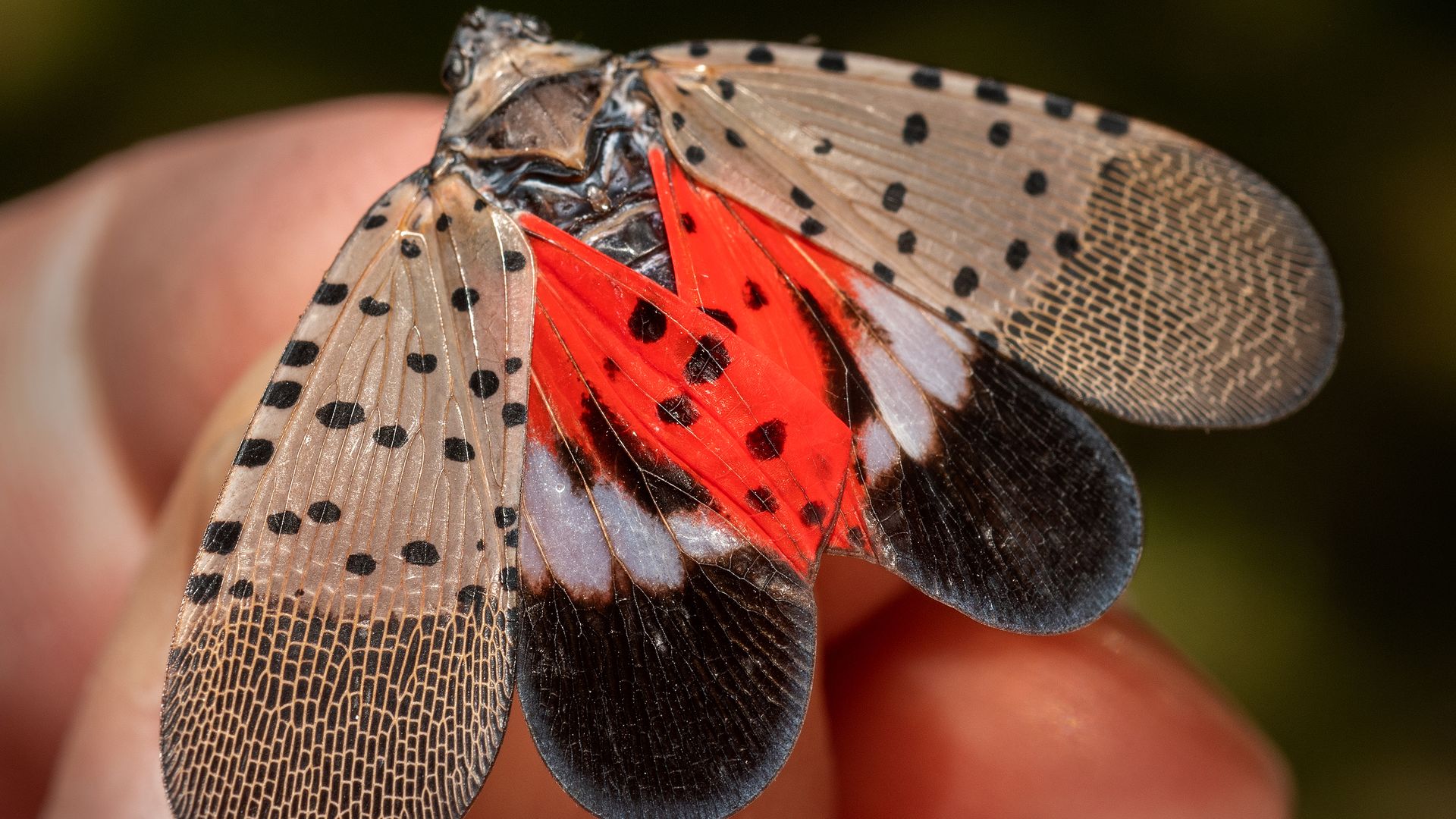
Spotted lanternflies are now in more than a dozen states. Photo: Andy Lavalley/Tribune News Service via Getty Images
It's Year 6 of Allegheny County's spotted lanternfly invasion.
Why it matters: Spotted lanternflies damage vineyards, hops and nurseries, and leave behind sticky residue that breeds mold and attracts stinging insects.
The big picture: These sap-sucking invasive pests, native to Asia, have spread to most Pennsylvania counties since first appearing in 2014.
- Check your gear — they hitch rides on everything from boats to lawn chairs, camping equipment and cars.
The latest: They've hatched and are starting to reach maturity.
If you see one: Squash it and scrape egg masses into a plastic bag filled with hand sanitizer.
- Lanternflies struggle to jump backward, so coming at them from the front gives you the advantage.
By the numbers: Lanternfly reports in Allegheny County plunged 90% from 2023-24, but the county still led Pennsylvania in sightings with more than 2,000, per the Pennsylvania Department of Agriculture.
- Experts say the planthopper persists. The Department of Agriculture tells Axios that the number of reports tends to reflect public vigilance rather than actual lanternfly numbers.
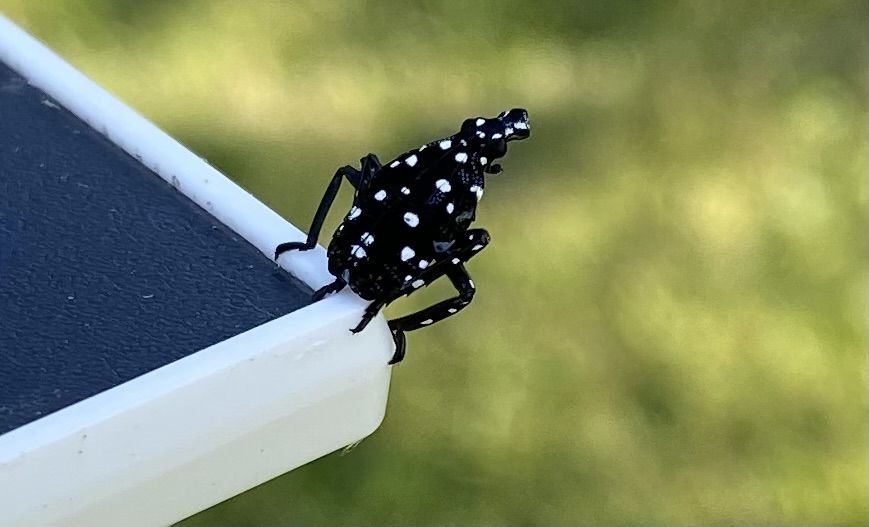
Zoom out: Spotted lanternflies are now in more than a dozen states.
Flashback: Lanternfly swarms were so dense in Western Pennsylvania last summer that they appeared on the weather radar.
Threat level: Grapes, hops and young trees are most vulnerable. Erie County, home to a large share of Pennsylvania's $1.77 billion wine and grape economy, would be disproportionately affected if the insects made their way there.
🍯 1 cool thing: Spotted lanternfly honey.
What's next: Scientists are studying lanternflies' potential natural predators as a way to help control their populations and reduce the need for methods like pesticide use.
The bottom line: "If you can conveniently kill them, kill them. But it's most important to not take them somewhere else," says Brian Walsh, a Penn State Extension lanternfly researcher.
- "Don't make the problem worse by misusing pesticides," he says, recommending Penn State's Management Guide for tips.