How to bird in metro Pittsburgh

Add Axios as your preferred source to
see more of our stories on Google.
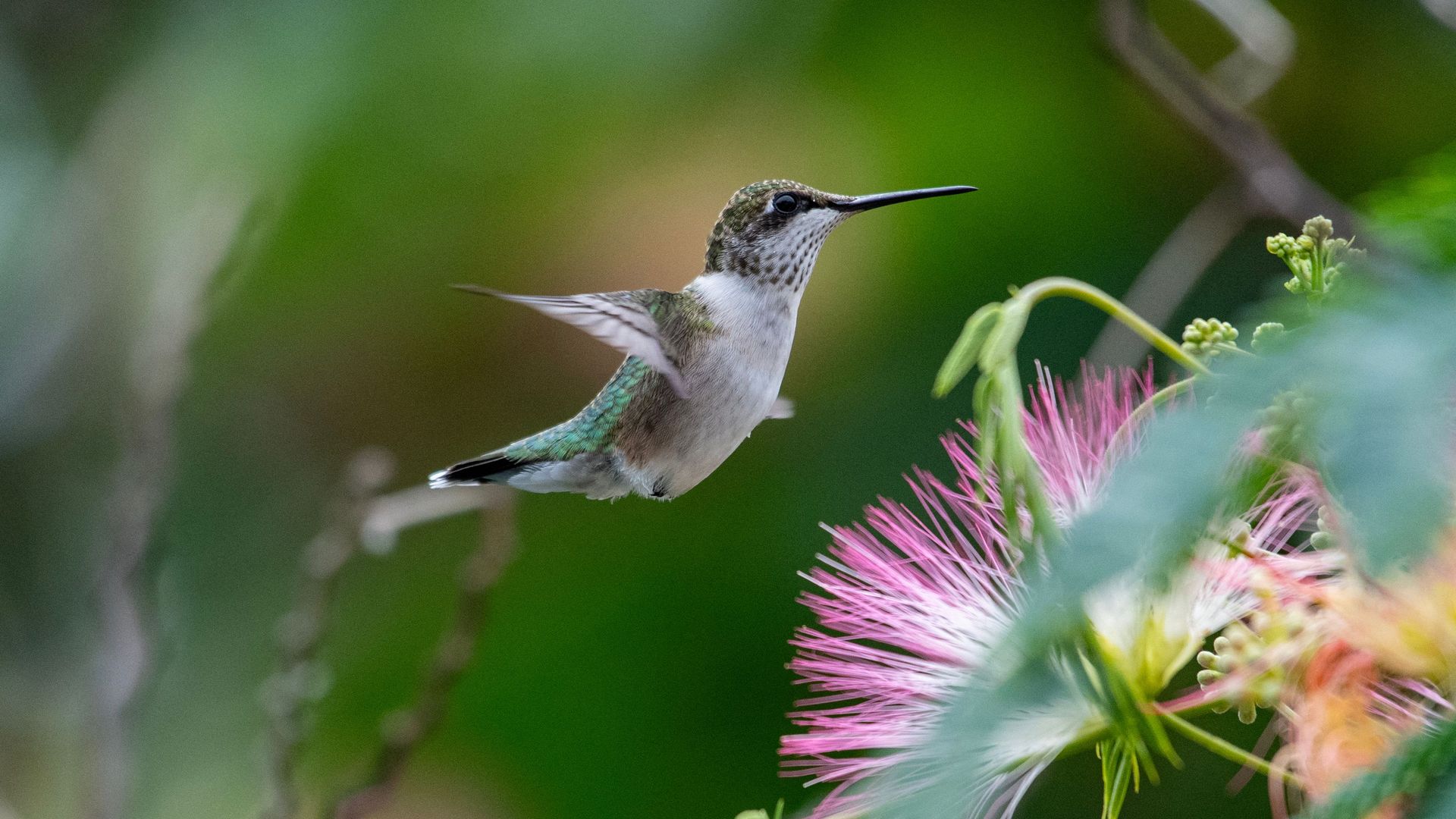
Ruby-throated hummingbirds visit Pittsburgh each year starting in spring. Photo: Joseph Prezioso/AFP via Getty Images
It's time to get outside. Spring has sprung, and bird calls fill the air.
Why it matters: Birding is booming as people seek calm, purpose and easy escapes in an increasingly anxious world. There's no need to travel far — Southwestern Pennsylvania is alive with hundreds of migrating and resident species; you just need to know where to look.
The intrigue: The Pittsburgh area might not be the best birding location: Flyways don't converge here like South Texas, and it's not a major stopping point before birds migrate north like Northern Ohio. But it offers plenty of bird-friendly environments — woods, wetlands, small lakes — that are ideal for beginning, intermediate, and expert birders.
🐦⬛ By the numbers: Nearly 200 species call Pittsburgh home during the spring and fall migrations, according to Cornell Lab's Merlin Bird ID app.
- More than 200,000 individual birds flew over the region this month, said Rachel Handel, communications director at the Audubon Society of Western Pennsylvania.
What they're saying: Handel said Pittsburgh attracts some fun birds that are a bit more exotic than the resident robins, cardinals and sparrows.
- Ruby-throated hummingbirds' migration starts soon and can be enticed with feeders.
- Baltimore Orioles, with distinct orange and black patterns, have begun their migration. They go crazy for specialized feeders loaded with fresh oranges, said Handel.
- Chimney swifts flock to Pittsburgh each year, and zip through the air with loud calls. They roost in massive numbers in the fall, and tornado into their nests inside vacant chimneys.
🦆 Zoom in: Handel suggests novice and experienced birders visit the Audubon's nature preserves in Fox Chapel, Sarver and Butler. They offer free naturalist walks on weekday mornings to help get you started.
- Waterfowl are currently in peak migration, and North Park Lake and Moraine State Park are great spots to see ducks, mergansers, and loons. (I spotted a greater scaup there this spring.)
- Raccoon Creek State Park's wetland trail hosts songbirds, shorebirds, raptors, kingfishers and more.
- The urban woods at Frick and Schenley parks are home to pileated woodpeckers, red-winged blackbirds, and even great horned owls.
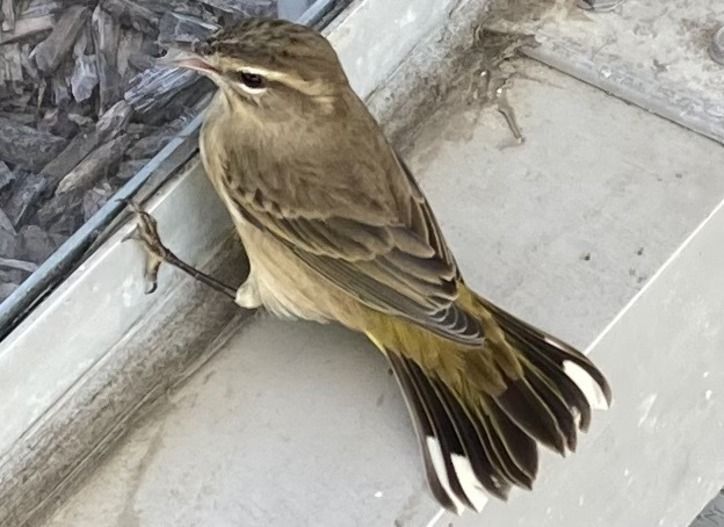
Zoom out: Some of the best birding in the country is within driving distance of Pittsburgh.
- Magee March Wildlife Area in Northwestern Ohio, a warbler hotspot, is 3.5 hours away.
- Hawk Mountain Sanctuary, which attracts scores of raptors each fall, sits just outside of Reading and is about 4.5 hours east.
- Presque Isle in Erie is located about 2 hours north, home to waterfowl, shorebirds and migrating herons.
Don't miss a chance to see a mating ritual of the American woodcock, aka the timberdoodle, bogsucker or mudsnipe. This stout shorebird migrates to Pennsylvania and dive-bombs at dusk to attract mates.
- Several state parks in the region host ranger walks to help birders catch the ritual every spring.
Pro tip: Investing in a good pair of binoculars can be pricey (at least $150 as recommended by the Audubon Society), but it pays off instantly, making it vastly easier to see birds. They also will last a lifetime if taken care of properly, said Handel.
💭 Ryan's thought bubble: Download the Merlin Bird ID app, which will provide a list of what birds are in your area depending on the time of year, and has a recording feature that will identify birds by call.
- It supercharges your ability to identify birds, providing positive reinforcement to keep you birding.
The bottom line: The best time to get into birding is right now — not only because it's spring and flocks are migrating — but because it's an activity that can be done all year round, with new birds to discover each season.