What $1 billion actually means for Middletown

Add Axios as your preferred source to
see more of our stories on Google.
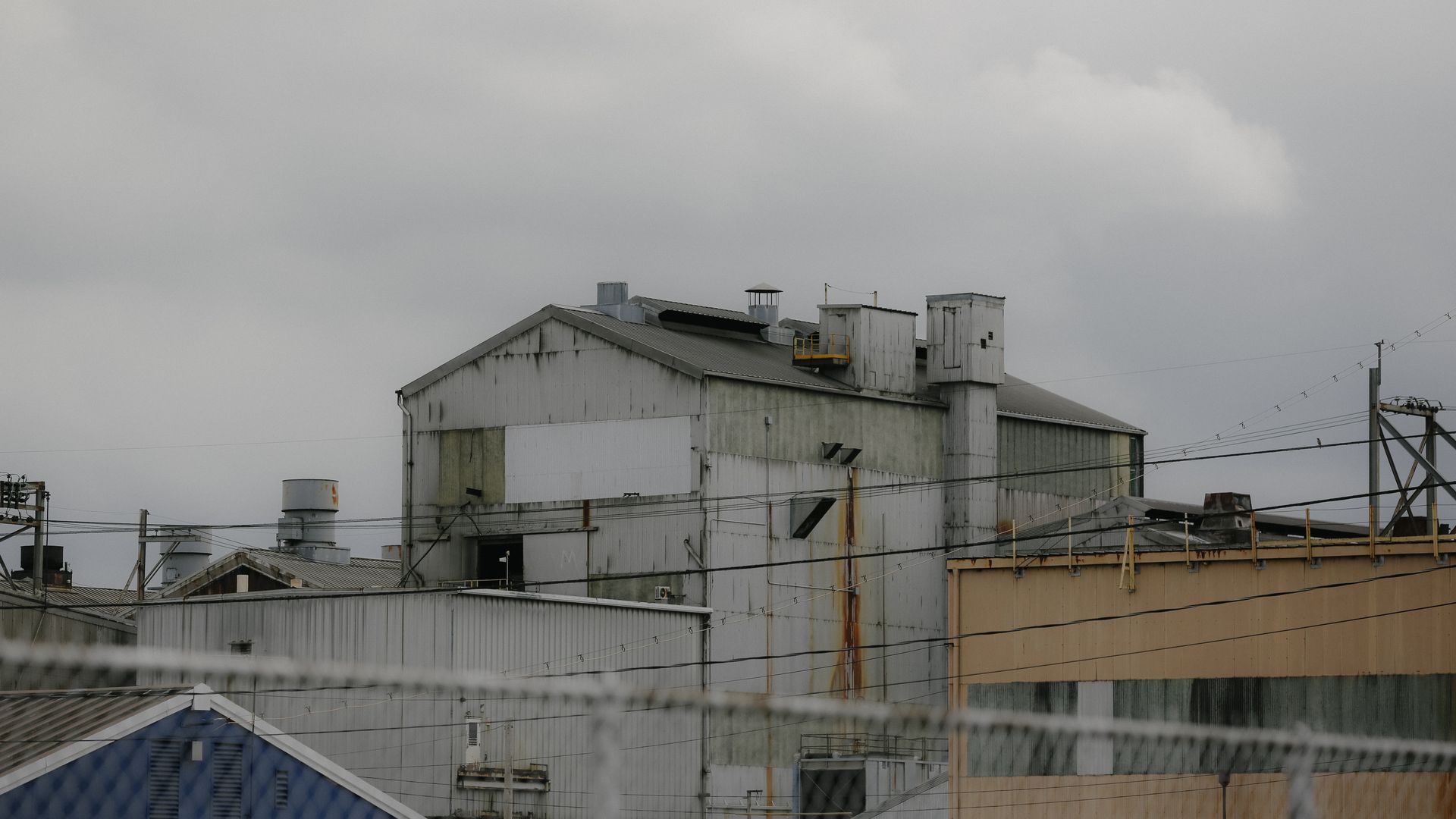
Cleveland-Cliffs Middletown Works in Middletown. Photo: Courtesy of Madeleine Hordinski/Washington Post via Getty Images
Middletown's biggest economic anchor is getting a $1 billion overhaul — a massive investment in a city where household incomes still lag well behind the region.
Why it matters: Middletown has spent decades watching faster-growing communities around it attract new investment.
- The city's median household income is about $57,100, compared with about $71,400 statewide.
- Against that backdrop, a billion-dollar commitment to one of the city's largest employers carries enormous economic stakes.
Driving the news: Cleveland-Cliffs is putting $1 billion into Middletown Works over the next four years, with $500 million from the company and a $500 million U.S. Department of Energy award.
- That will pay for construction, equipment, technology and infrastructure inside the steel plant, with a longer-term payoff of retaining jobs.
- The project is expected to preserve about 2,300 jobs and employ more than 1,500 workers at peak construction, including local union building trades.
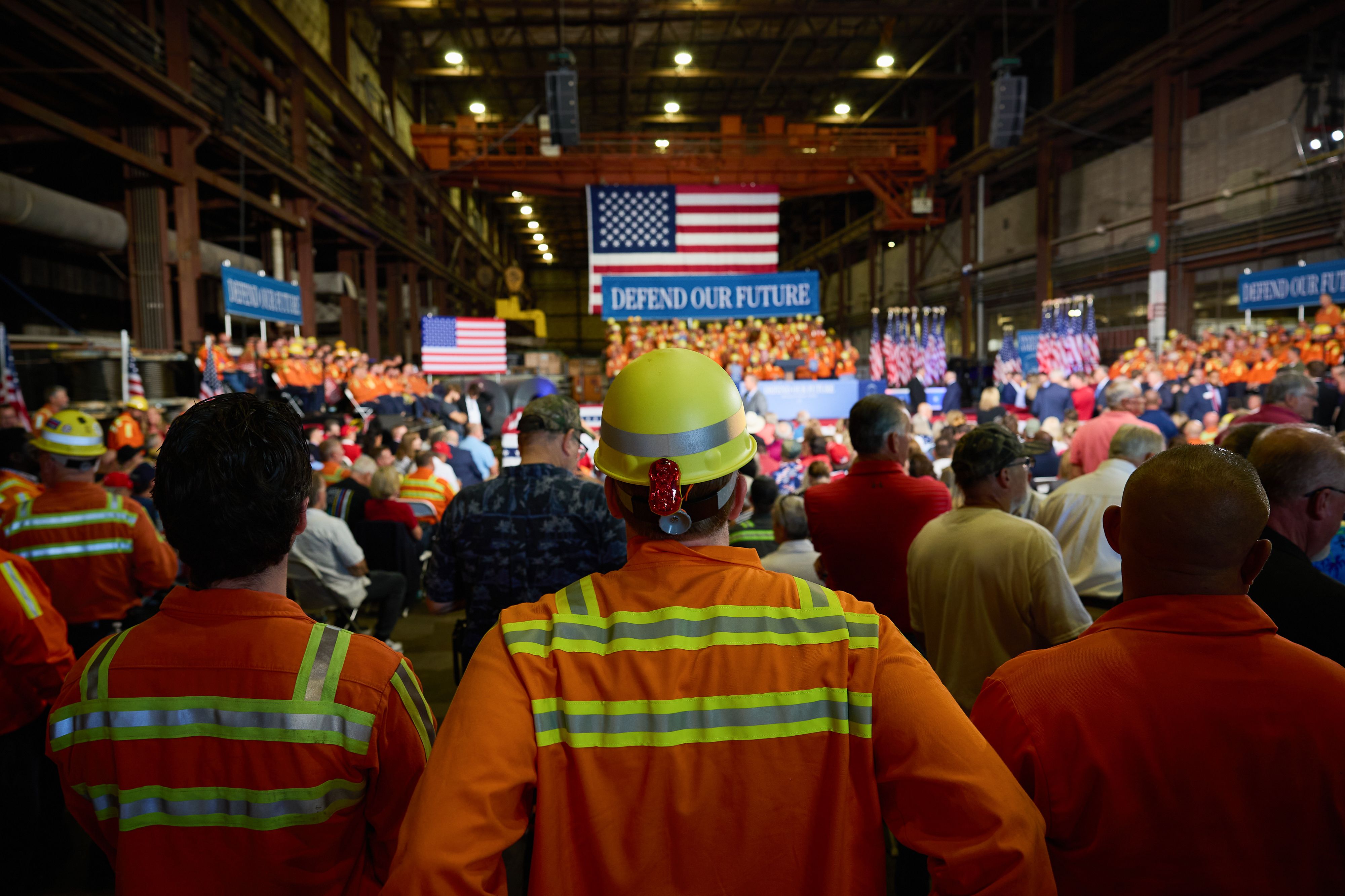
What they're saying: The Cleveland-Cliffs plan "demonstrates their long-term commitment and investment to our city and its future," Mayor Elizabeth Slamka said in a statement.
The big picture: Middletown Works produces roughly 3 million tons of raw steel annually.
- The project centerpiece is a rebuild of the plant's coal-fired blast furnace, expected to be completed in 2030.
- The project also includes new material-handling equipment, AI-enabled controls to improve operations and energy use, and a cogeneration facility.
The plot twist: This isn't the project Cleveland-Cliffs originally proposed.
- In 2024, the company planned to use the federal investment to replace the blast furnace with a hydrogen-ready, direct-reduced iron plant and two electric melting furnaces.
- That project was later rescoped after Cleveland-Cliffs determined customers weren't willing to pay a premium for lower-carbon steel, per the U.S. Department of Energy.
- The new plan keeps the blast furnace, rebuilding it while adding technology aimed at making the plant more reliable and energy efficient.
The bottom line: The investment reflects a promise a local economic pillar will stand — and employ thousands of people — for years to come.