Scoop: NASA talks about mission-critical role of Mason's Rocketdyne

Add Axios as your preferred source to
see more of our stories on Google.
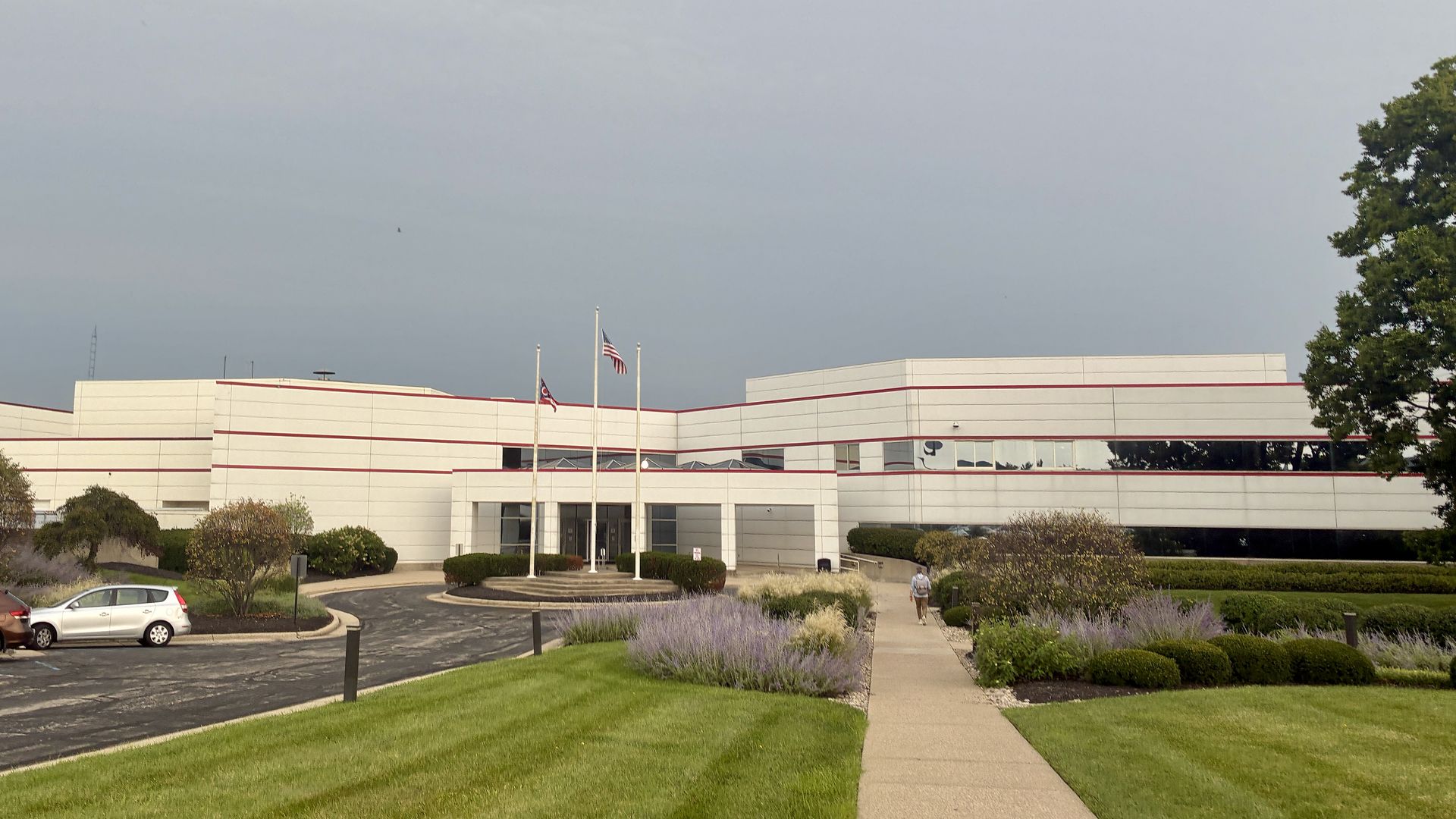
The exterior of Rocketdyne's facility in Mason. It shares the building with L3Harris, which owned the aerospace company until a few weeks ago. Photos: Casey Weldon/Axios
Southwest Ohio helped put Americans on the Moon. Now, technology developed by Mason-based Rocketdyne could help power humanity's first nuclear-fueled journey toward Mars.
Why it matters: NASA sees Rocketdyne and its roughly 350-person Mason workforce as important players in the next era of American space exploration.
- The company's adding to a growing aerospace corridor stretching from Cincinnati to Dayton.
Driving the news: NASA administrator Jared Isaacman visited Rocketdyne's Mason site this week and, in an exclusive interview with Axios, calls the newly independent space technology company "one of our most important partner relationships."
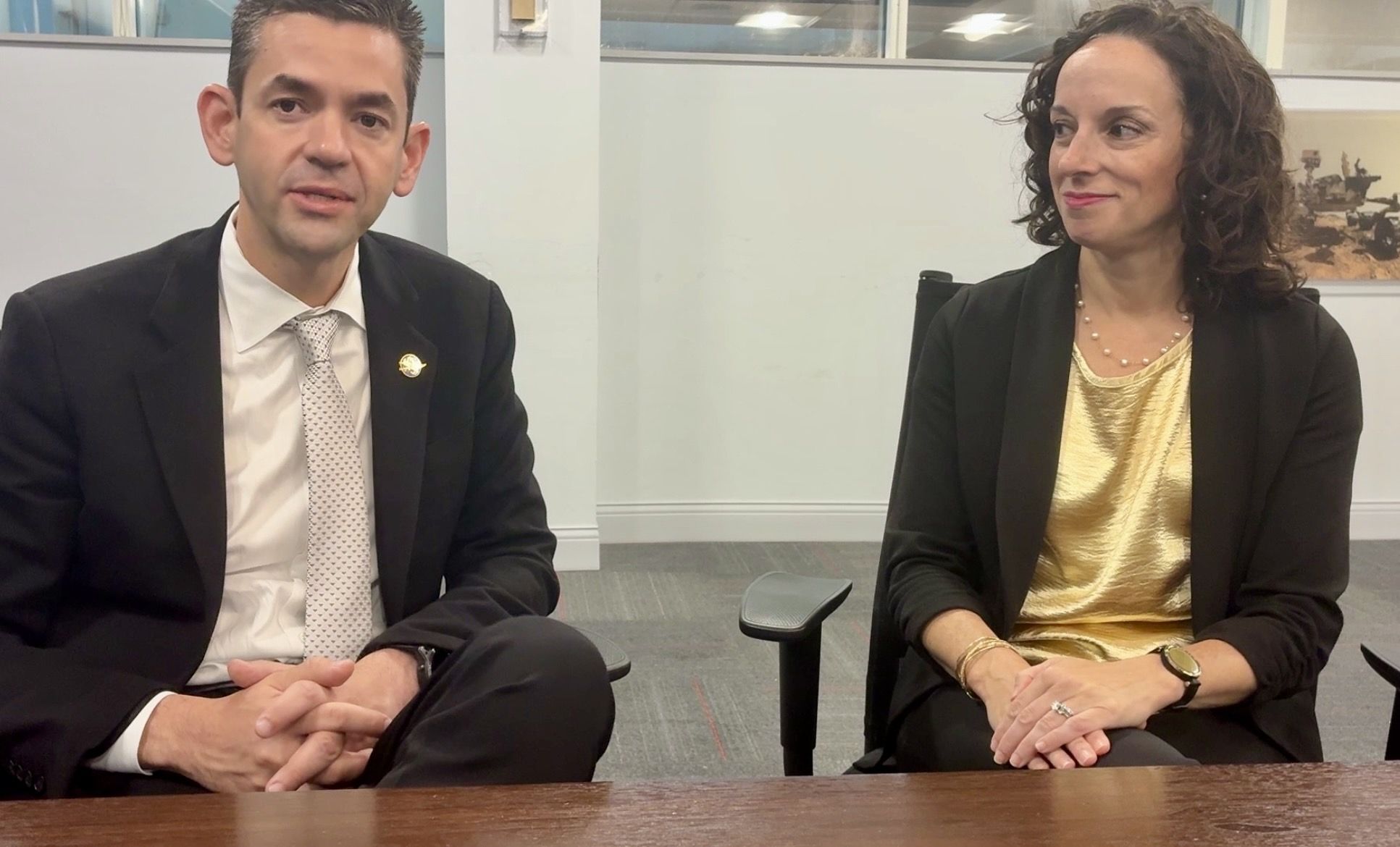
What they're saying: Rocketdyne touches "so many of our most critical missions," Isaacman tells Axios, from Moon rockets and landers to Mars communications and nuclear technology.
The intrigue: That work includes future nuclear and electric propulsion systems — technology central to NASA's plans to travel farther into space.
- One project it's working on is SR-1 Freedom, a planned NASA spacecraft scheduled for a 2028 launch that would test nuclear electric propulsion on a journey toward Mars.
- Isaacman called nuclear power in space the potential beginning of NASA's "next great chapter" and perhaps its "next giant leap" with Rocketdyne.
Zoom in: Mason is now Rocketdyne's Center of Excellence for Space Electronics, CEO Kristin Houston tells Axios.
- Its avionics and communications technology also supports Mars rovers, launch vehicles and NASA's Artemis Moon missions.
The big picture: Southwest Ohio has become a dense aerospace hub anchored by GE Aerospace and Dayton's Wright-Patterson Air Force Base.
- Newer players are piling in, too. Beehive Industries recently announced a $70 million local expansion expected to create over 200 jobs.
- Electra also plans an $850 million aircraft manufacturing operation near Springfield, part of the emerging advanced air mobility sector.
Between the lines: That concentration gives companies access to engineers, researchers, suppliers and workers with deep aerospace experience — one reason Houston says Rocketdyne wants to keep investing here.
- Isaacman sees the same advantage.
- NASA needs the "best and brightest from across the nation" to undertake the near-impossible, he says, calling what comes out of the region "very important capability."
The bottom line: The road to space increasingly runs through Southwest Ohio — and Rocketdyne wants Mason firmly on the route.
- "We've always said 'From Mason to the Moon,'" Houston says. "Now it's Mason to Mars – or who knows where."