VOA Museum of Broadcasting to offer new hands-on STEM exhibits

Add Axios as your preferred source to
see more of our stories on Google.
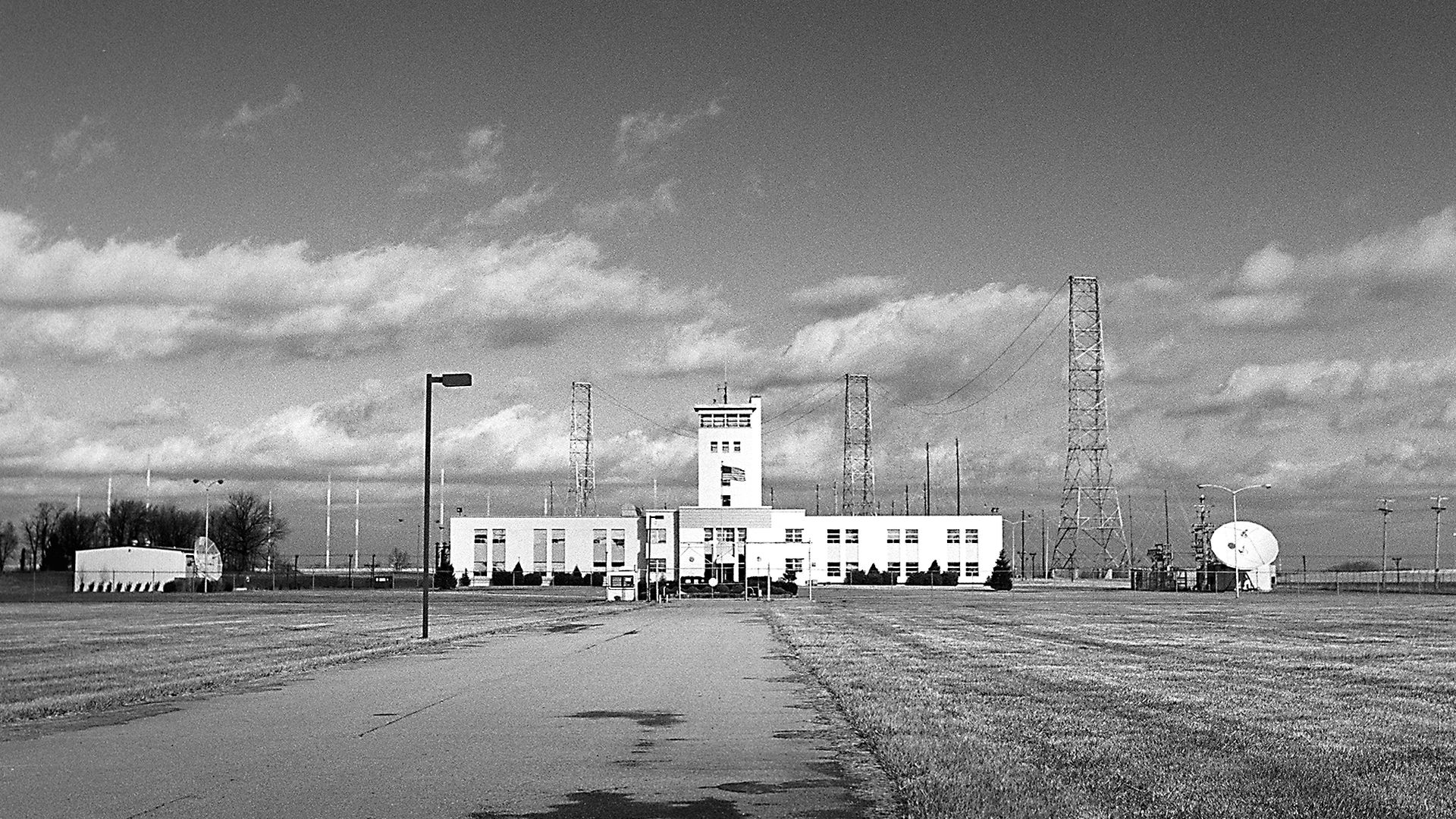
An old photo of the Voice of America Bethany Relay Station in West Chester. Photo: Courtesy of National Voice of America Museum of Broadcasting
The former Voice of America Bethany Relay Station in West Chester is investing in interactive technology connecting its World War II and Cold War history to STEM education.
Why it matters: The National Voice of America Museum of Broadcasting and neighboring USS Cincinnati Peace Pavilion hope the hands-on exhibits will inspire future scientists, engineers and skilled trades workers.
The big picture: The museum occupies the former Bethany Relay Station, where six of the world's most powerful shortwave transmitters once broadcast news and information in dozens of languages to help counter Nazi and Soviet propaganda.
- Now, a $1 million anonymous grant is helping develop immersive experiments and exhibits for students, executive director Jack Dominic says.
- They'll interact with virtual versions of scientists James Clerk Maxwell, Heinrich Hertz and Guglielmo Marconi through augmented reality.
- They'll also discover how breakthroughs made more than a century ago still power smartphones, WiFi and contactless payments.
The intrigue: "We're bringing these people back to life," Dominic says. "You could come here and have a conversation with Mr. Maxwell and learn how he discovered radio waves."
Meanwhile, just across VOA MetroPark, the Peace Pavilion is taking a similar approach — using submarine engineering to spark interest in science, engineering and skilled trades.
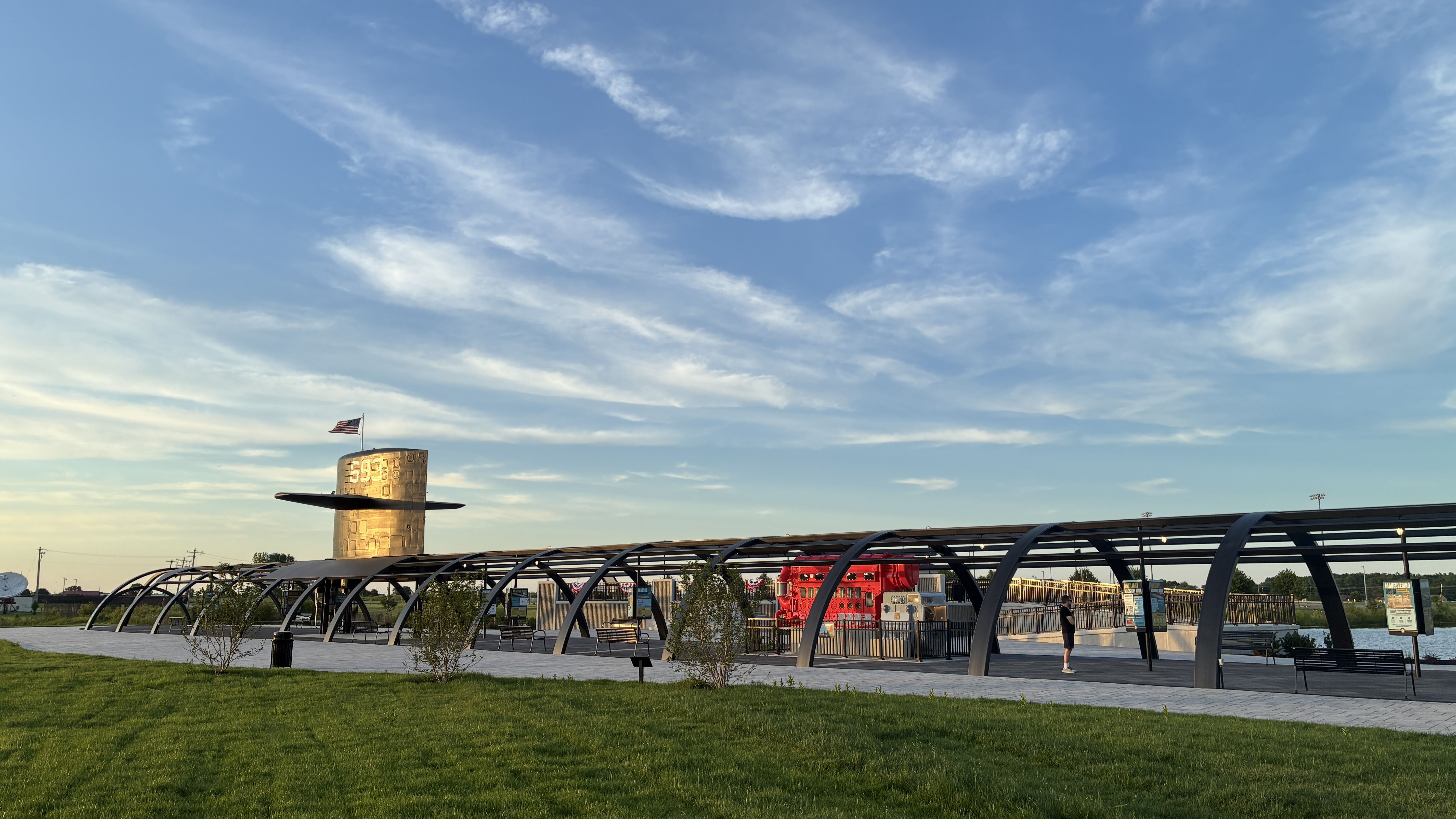
What they're saying: Bob Viney, a 1970 U.S. Naval Academy graduate and former nuclear submarine officer who helped bring the sub to Southwest Ohio, says the pavilion is more than a military monument.
- "We built this for the kids. It's mainly designed to educate... the generations that are growing up now."
- Visitors can already walk through the full-scale submarine replica on a self-guided tour.
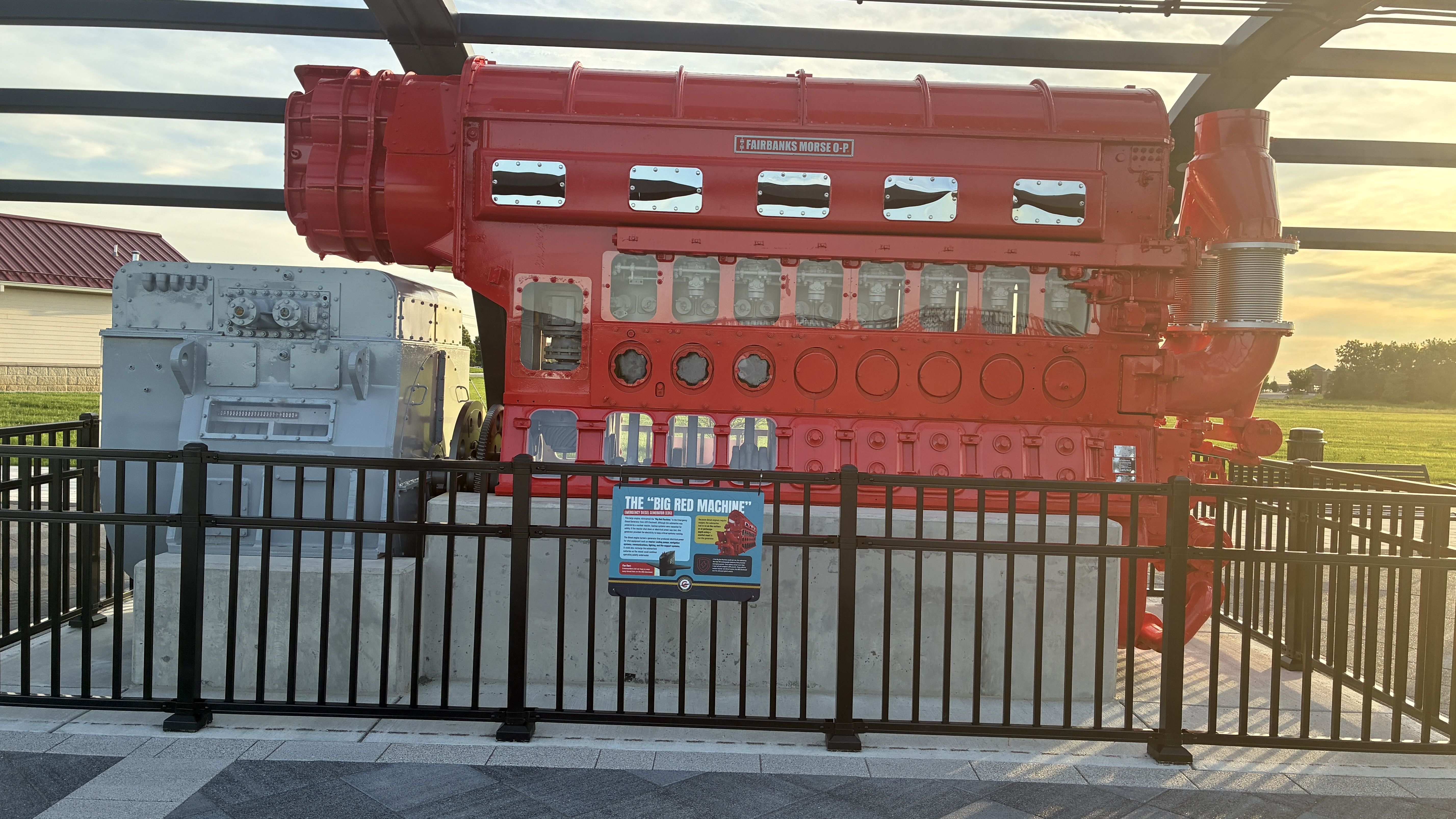
Visitors will eventually be able to have conversations with avatar versions of crew members.
- Teachers told Viney that interactive experiences offer a much higher "excitement factor" than learning complex concepts from books and videos.
- A memorial association is raising money to complete the project.
What's next: Both organizations will spend the next year working with educators and subject-matter experts to shape the exhibits and curriculum before they open.
- "The actual content will be shaped by what the educators need to explain," Dominic says, "and then together we'll figure out the best way to explain it."