The truth behind the legend of tunnels under Main Street

Add Axios as your preferred source to
see more of our stories on Google.
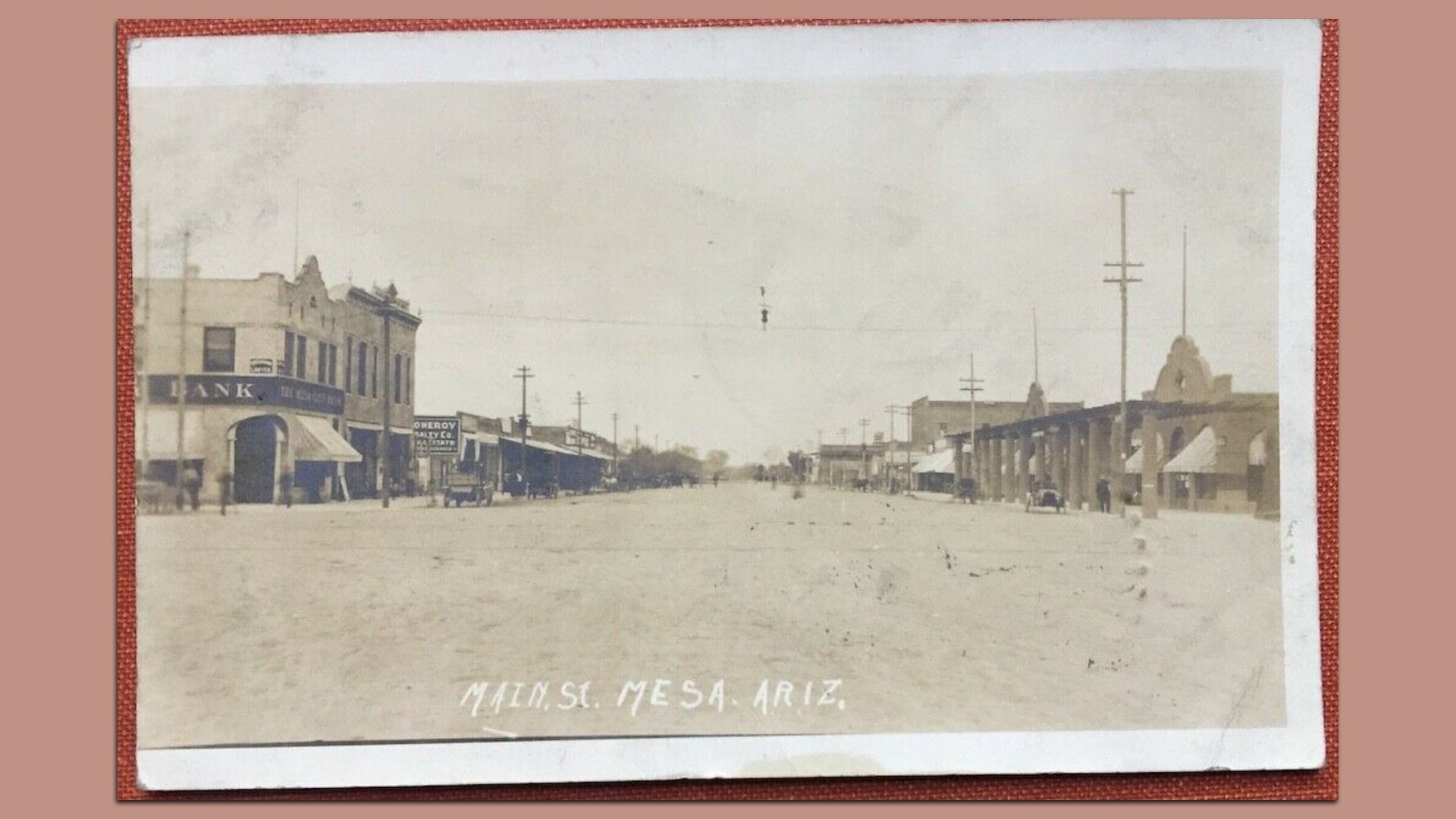
Historic downtown Mesa from 1900s. Photo: Courtesy of the city of Mesa
Mesa has a long-running legend that bootleggers once traveled through secret tunnels beneath downtown Main Street.
Why it matters: The tale has become part of downtown Mesa's identity, repeated on ghost tours and passed down through generations.
The big picture: The evidence blurs the line between local history and a good Halloween story.
Flashback: Arizona went dry in 1915, five years before national Prohibition, while downtown Mesa was in the midst of an early growth spurt.
- The story goes that a network of tunnels beneath downtown connected saloons and businesses, allowing people to continue moving alcohol.
Zoom in: Old basement doors and windows were later bricked over, which likely helped turn ordinary storage spaces into fuel for stories about secret bootlegging tunnels, Mesa Preservation Foundation president Vic Linoff tells me.
- One gallery — OneOhOne on 101 W. Main St. — has leaned into this lore and hosts haunted basement tours featuring its secret room and stories about the supposed tunnels.
- This site was previously occupied by Mesa City Bank, as the photo below shows.
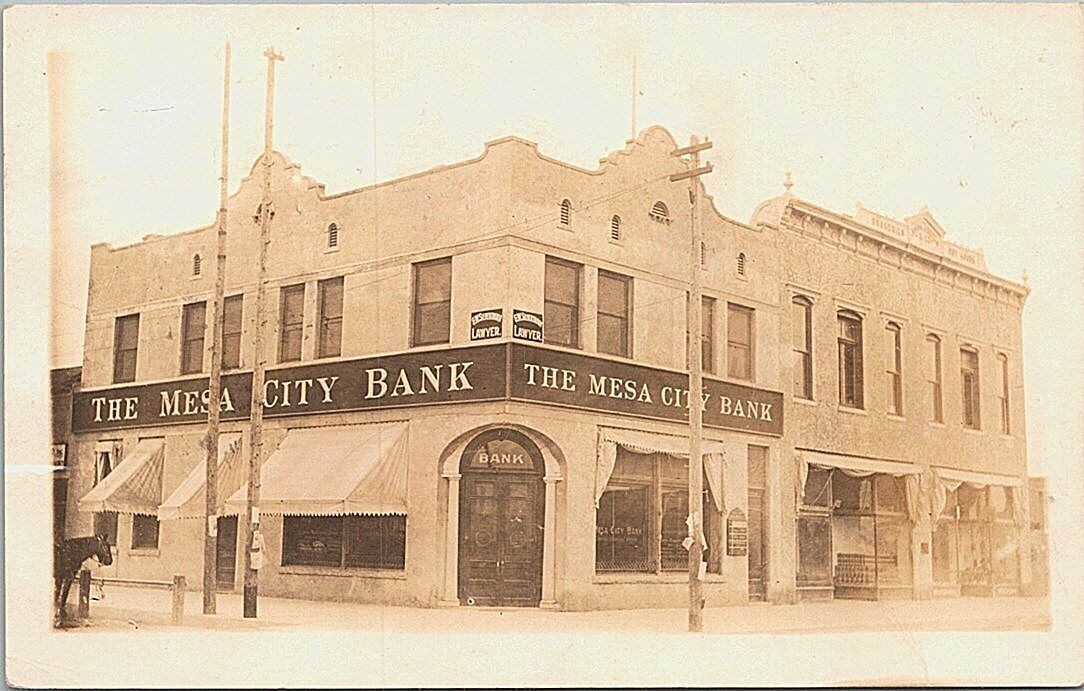
Yes, but: The pictured bank was demolished and reconstructed multiple times, Mesa's Historic Preservation Officer Matthew Kriegl tells me.
- "It is possible that the basement, or portions of the basement, from an earlier building remained in place through subsequent construction," he adds.
The intrigue: East Valley Paranormal co-founders Heather Rhyneer and Michelle Vincent tell me they have "physically explored the tunnels" in question.
Reality check: Linoff says a 1997 storm-sewer project, which he said reached at least 30 feet below Main Street, exposed no passageways.
- Light rail excavation turned up no tunnels beneath the street, either, Kriegl tells me.
- Linoff and Kriegl say there's evidence that some downtown basements were connected, but they know of no proof that bootleggers used them or that they formed an extensive tunnel network.
The bottom line: "You can't have a city of this size and age without some urban myth," Linoff says.