Missouri sets national precedent with stronger direct democracy

Add Axios as your preferred source to
see more of our stories on Google.
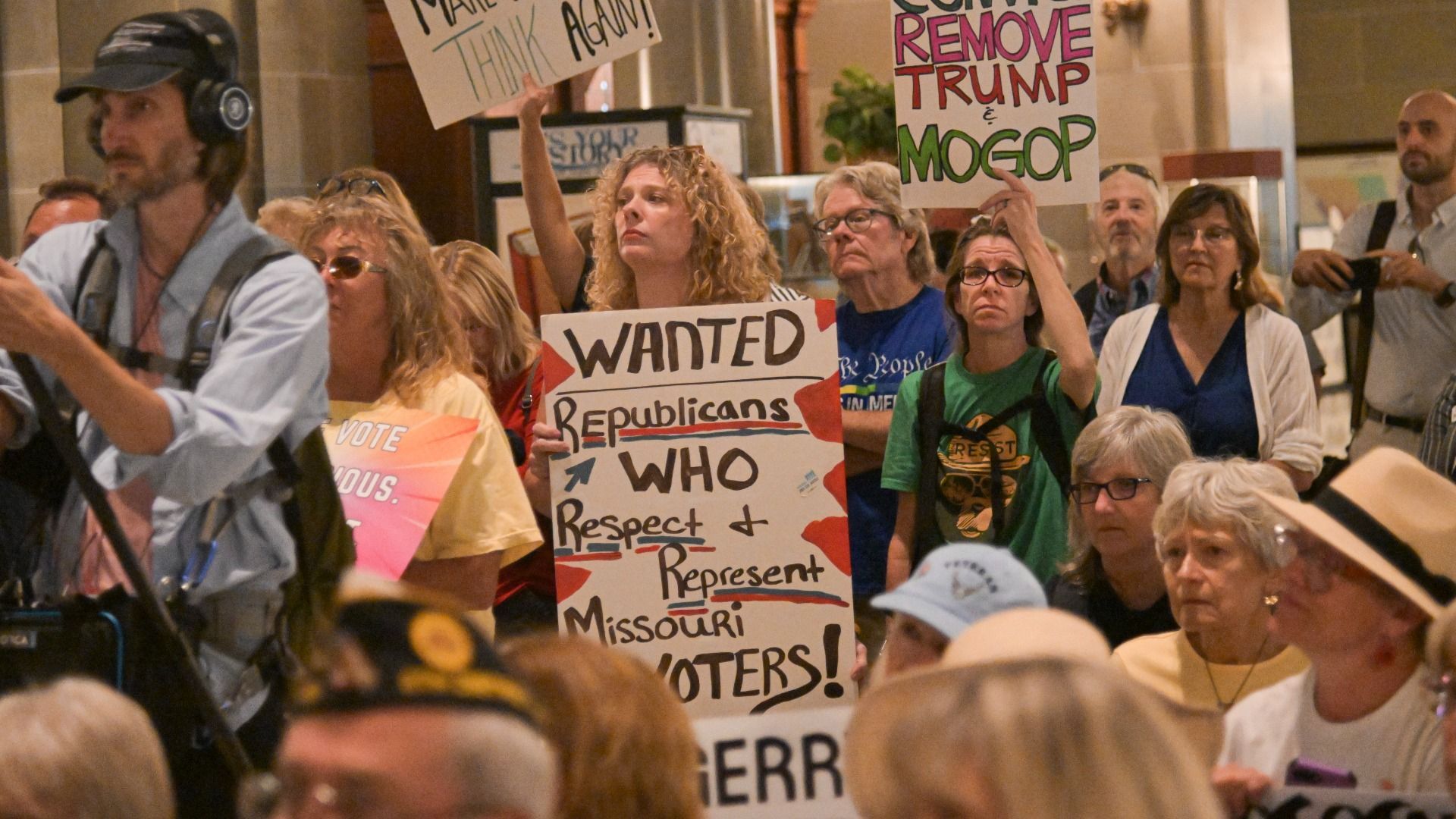
Protesters at Missouri's state Capitol in 2025. Photo: Michael Thomas/Getty Images
Missourians on Tuesday approved some of the strongest direct democracy rules in the nation, amending the state constitution by a 20-percentage-point margin.
Why it matters: The amendment limits lawmakers' power to overturn voter-approved measures, giving Missourians more of a say in state policy.
Driving the news: Voters passed Amendment 6, which prohibits lawmakers from weakening the initiative process and requires 80% of both legislative chambers to challenge a citizen-led law. Even then, it must go back to the voters.
- Voters also reaffirmed a 2024 constitutional amendment protecting abortion rights and supported a citizen referendum to reject a congressional map designed to help Republicans win another U.S. House seat.
Context: Missouri is one of 15 states that allow citizens to initiate laws and constitutional amendments and petition to repeal laws through a veto referendum, per Ballotpedia.
- Missouri's rules stem from the early 1900s — a period characterized by "a growing lack of confidence in the Legislature" and a "desire of the people to regulate matters for themselves," per Missouri historian Isidor Loeb.
- Kansas is among 24 states where voters do not have any citizen initiative or referendum power.
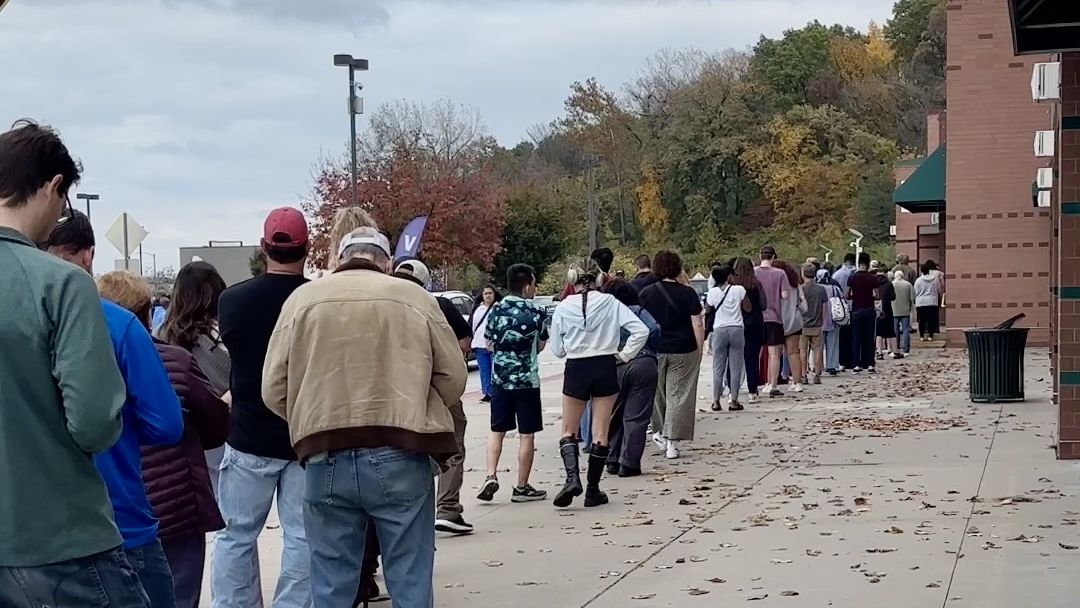
What they're saying: "Missouri has the most robust protections for these initiatives of any state in the country," Scott LaCombe, a political science professor at the University of Missouri's Truman School of Government and Public Affairs, tells Axios.
- "No state has this supermajority requirement and a requirement to send it back to the voters," he says.
How it works: The citizen initiative process allows residents to petition for a new law or constitutional amendment. With enough signatures, it goes to a simple majority statewide vote.
- The voter referendum process, known as a citizen's veto, lets petitioners with enough signatures ask voters if they want to repeal a law.
State of play: LaCombe says he expects to see more citizen-led statutes now that lawmakers can't overturn them with a simple majority.
- Statutes require fewer petition signatures to make it to the ballot than amendments do.
Friction point: Republican leaders have defended representative democracy and said that citizen-led initiatives often come from out-of-state special interests bankrolled by dark money, adding that voters could make mistakes that lawmakers need to be able to correct.
- "A mistake is in the eye of the beholder," LaCombe says, adding that it's often just disagreement over policy.
- The money picture is complex: Initiative processes vary in how much funding comes from in-state versus out-of-state donors.
- Ballot measures from both parties have benefited from PAC spending and undisclosed donors.
Between the lines: LaCombe doesn't expect significant changes to the Missouri Legislature, where voters keep electing a Republican majority.
The bottom line: When Missouri lawmakers find themselves at odds with the popular vote, LaCombe expects more citizen-led fights to emerge.