Missouri wants nuclear power to revamp its energy future

Add Axios as your preferred source to
see more of our stories on Google.
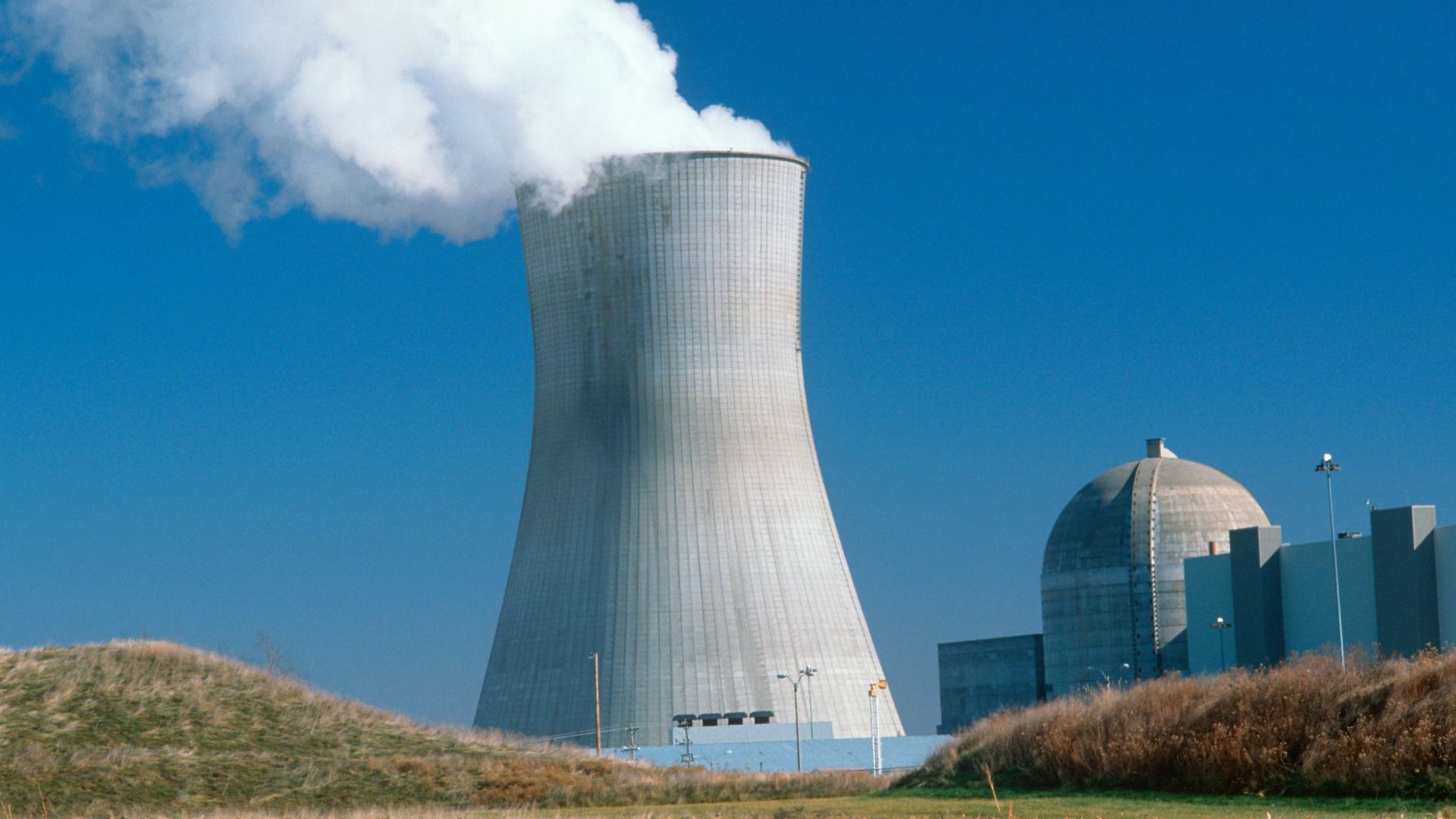
The Callaway Energy Center nuclear plant. Photo: Joe Sohm/Visions of America/Universal Images Group via Getty Images
Missouri is facing an energy crunch as demand skyrockets and production faces cuts due to aging power plants.
Why it matters: Failing to meet future energy demands would raise the state's already increasing reliance on imported energy, which could trigger higher bills and a less reliable power grid.
The big picture: Missouri's new State Energy Plan lays out policy that would boost in-state production, and it's leaning heavily on building nuclear reactors.
By the numbers: Missouri expects to lose roughly one-third of its energy output in the next 25 years, according to the energy plan and policy brief.
- That's because 65% of the state's energy production comes from aging coal plants scheduled for retirement with no replacement.
- Meanwhile, Missouri's energy demand is expected to double during that time, in part due to large-load customers like data centers.
Zoom in: The state has been a net importer of energy since 2018, and it imported 15.35 million more megawatt-hours of electricity than it exported in 2024, according to the Energy Information Administration.
- That makes Missouri the ninth most reliant state on imported energy, per Green Map.
- The state's brief mentions "extreme weather, volatile global energy commodity markets" and AI data centers as factors that expose Missourians to grid strain and higher bills.
Context: Gov. Mike Kehoe says the state's nuclear task force, which contributed to the energy plan, is based on President Trump's effort to quadruple national nuclear output by 2050.
- It comes on the heels of Kansas' recent efforts to attract next-gen nuclear power. Energy officials visited Johnson County earlier this year as they eyed locations.
Follow the money: The policy brief suggests giving Missouri's Environmental Improvement Authority power to finance nuclear projects, which are currently excluded by law.
- Other funding could come from federal programs, the state budget and ratepayers' electricity bills.
What's next: The plan calls on state lawmakers to make it less risky for nuclear plant builders to finance projects.
- Meanwhile, a bipartisan bill meant to protect ratepayers from large-load customers' electricity costs is making its way through Congress.