Trump's cheap beef plan lands hard in cattle country

Add Axios as your preferred source to
see more of our stories on Google.
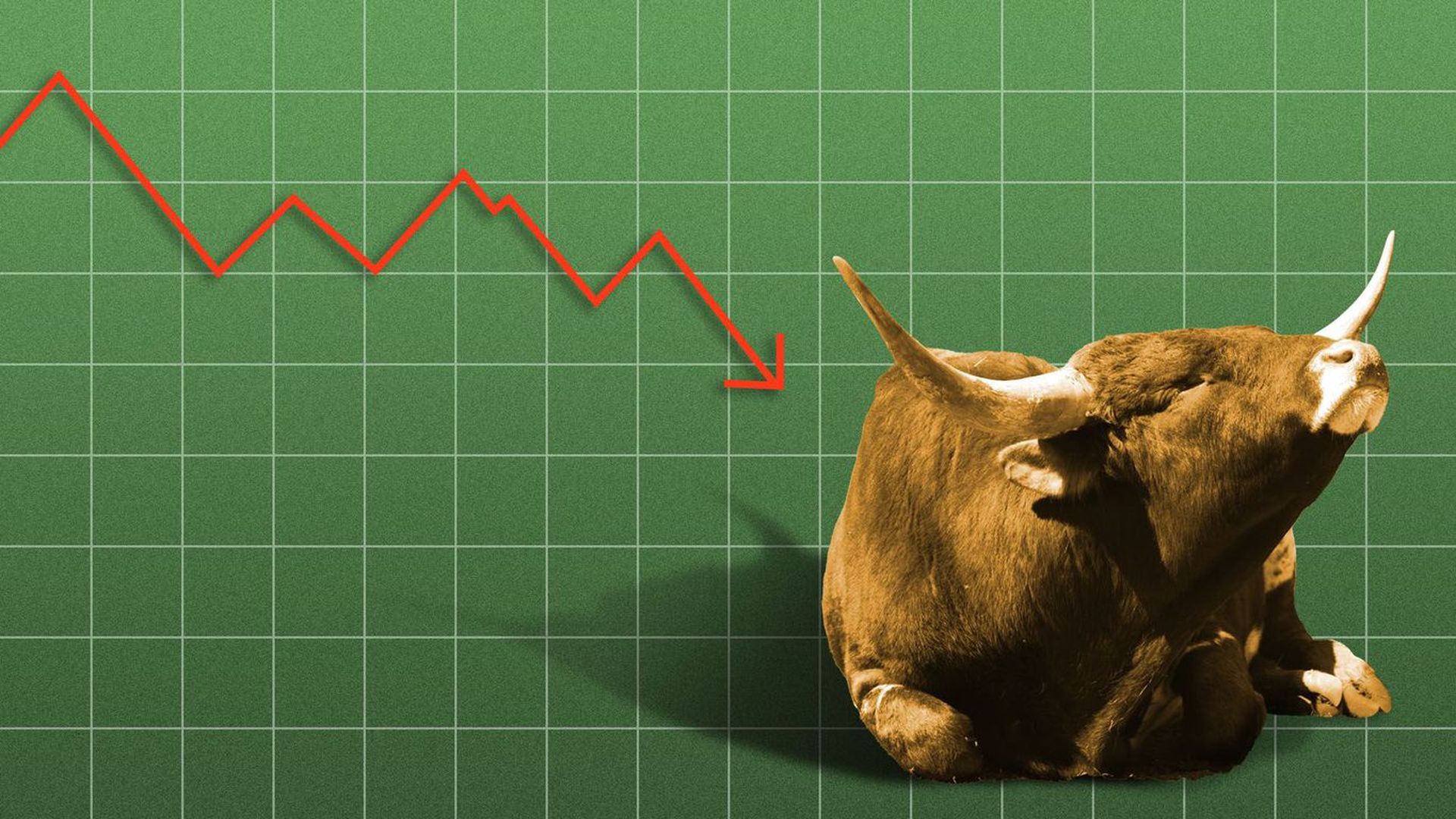
Illustration: Sarah Grillo/Axios
President Trump's plan to fight high ground beef prices with up to 300,000 metric tons of tariff-free imports is facing opposition from cattle farmers, and the Kansas Farm Bureau's president is leading the charge.
Why it matters: Beef built KC, and it remains a big economic driver. Cattle are the biggest single sector of the Kansas economy, at $11.7 billion and nearly 39,000 jobs, and Missouri's cow herd ranks third in the nation across roughly 60,000 farms.
Catch up quick: Ground beef hit a near-record $6.89 a pound in July, per federal price data, with the U.S. herd at a 75-year low. Trump announced the 90-day tariff suspension in a Truth Social post last month, saying exporters committed to selling 25% below market prices.
- Kansas Farm Bureau president Glenn Brunkow answered within hours, calling the plan "bad for consumers, destructive for ranchers and anti-American in principle."
What they're saying: Brunkow's first reaction to the post: "Not again," he tells Axios. "I thought we had done a good job of explaining to the president why he can't make statements like that. Apparently, we did not."
- Cattle markets were at record levels, finally giving him room to catch up on repairs, he says. "Every time the president makes a statement like that, that takes money out of our pockets."
- His math: 300,000 metric tons spread over three months is a small addition to the roughly 2 million the U.S. already imports every year, too little to move grocery prices much.
The damage to ranchers comes anyway, he says, because markets react to the announcement itself: Cattle prices dropped from records on the news, and that's money straight out of producers' pockets.
- What he'd have Washington rather do about beef prices: "Stay out of it."
- Brunkow says he's not angry at shoppers: "We understand their pain, but we have to make a living too. The market will work itself out. It always has."
The other side: The White House says the imports are a bridge, not a betrayal, giving families relief while the herd recovers, and that the administration is simultaneously working with ranchers to expand domestic production long-term.
- Agriculture Secretary Brooke Rollins has publicly defended the plan, though Brunkow says that's the only response farm groups have gotten. "I would expect that. That was her boss," he tells Axios, adding that nobody from the administration has answered the Farm Bureau directly.
Reality check: "Recent policy developments and affiliated discussions will delay and slow herd expansion efforts, which in turn decreases future beef production in the U.S.," Glynn Tonsor, professor of agricultural economics at Kansas State University, tells Axios.
- The mechanics hit Missouri hardest: it's a cow-calf state, and rebuilding means holding back heifers for two years before they produce calves. Lower prices force ranchers to sell more just to pay bills, Brunkow says, which shrinks tomorrow's herd and props up tomorrow's prices.
State of play: Missouri Republican Rep. Mark Alford urged the administration to reconsider, KC Democratic Rep. Emanuel Cleaver did the same, and Kansas Sen. Roger Marshall said he was "frustrated" while defending the imports as necessary.
- Brunkow says many of his members backed Trump's trade agenda and still do on most issues, "but we certainly don't on this." He adds: "He says he loves farmers and ranchers, and then he does this."
What's next: The 90-day window is set to run into late November.