How law enforcement is stopping drones at the World Cup

Add Axios as your preferred source to
see more of our stories on Google.
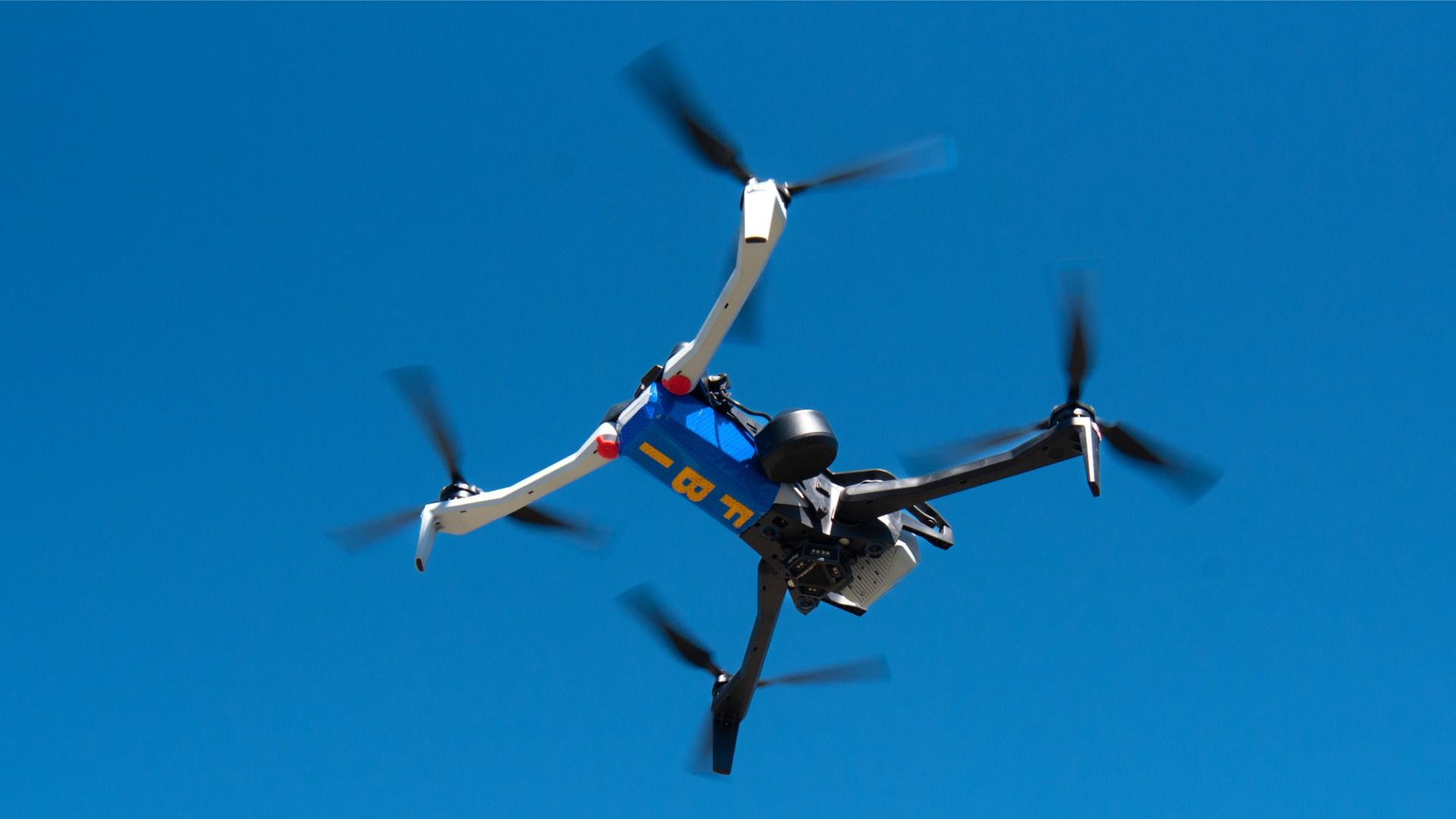
The FBI is working with KC law enforcement agencies to patrol the skies. Photo: Andi Rice/Bloomberg via Getty Images
Drones are no longer simply toys for hobbyists and for cameras in the sky — they're real threats to public safety and large-scale security, experts tell Axios.
Why it matters: U.S. leaders are pushing for hostile drone defense programs across the country, including in Kansas City, where police are using military-grade tech and working with federal law enforcement to patrol the air.
Flashback: In February, KC leaders announced the city received $14 million from a federal grant designed to protect the public from hostile drones, part of funding to beef up World Cup security.
- The Kansas City Police Department has since been equipped with sensors that can alert authorities when a drone enters restricted airspace, and radio guns that can disrupt drone signals, stop them in their tracks and force them to land.
The latest: The FBI reported that 22 drones have been detected as of Thursday in no-fly zones in Kansas City since the start of the tournament.
- The result: 16 drones seized, at least five federal criminal citations and one person arrested with outstanding warrants. The FBI declined to comment on the nature of the citations.
- "The airspace security effort is a coordinated operation involving multiple local, state, and federal partners," KCPD captain Jake Becchina tells Axios.
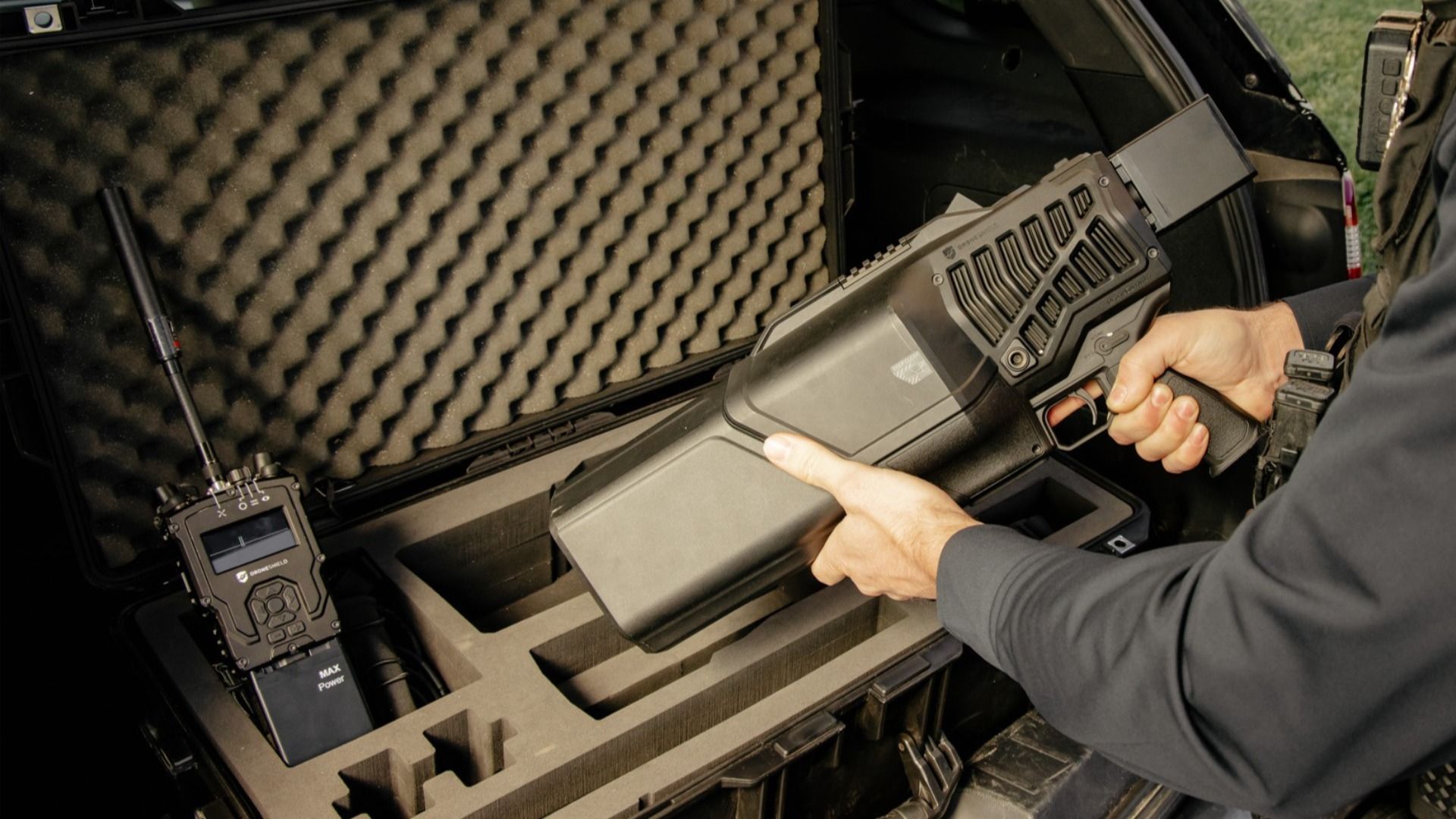
What they're saying: Security is no longer just "gates, guns and guards," says Tom Adams, director of public safety at DroneShield, the company behind KC's defense system.
- We're in a "new era" of homeland security, added Adams, who used to work for the FBI's counter-drone team for events including the Super Bowl.
Threat level: "It's very, very scary," Reshmi Mitra, a professor at Southeast Missouri State and drone defense researcher for the National Security Administration, tells Axios.
- The U.S. hasn't seen a drone attack like those used in wars overseas. Still, she says, it would be very easy for someone to attempt one.
- "The easiest way for the World Cup to go wrong would be a security incident," U.S. Travel Association CEO Geoff Freeman said Tuesday during a Visit KC panel.
Yes, but: The federal government has been "very proactive" in preparing its drone defenses, Mitra tells Axios.
Zoom out: The U.S. Coast Guard is using similar drone defense systems to protect World Cup games in Boston and San Francisco, the Military Times reported.
The bottom line: "Regardless of intent, unauthorized drone operations in areas with large crowds, significant public safety operations and temporary flight restrictions create safety concerns," Becchina says.