
KC's employers want more real-world experience

Add Axios as your preferred source to
see more of our stories on Google.

Illustration: Brendan Lynch/Axios
Employers are increasingly turning toward workers with real-world experience over bachelor's degrees, according to a new report by Team KC.
Why it matters: The report paints an alternative path to success for those entering the workforce or looking to change careers, as tech and skilled trades work explodes, the cost of college remains a barrier to higher education, and borrowers struggle with student loans.
The big picture: Companies are facing a labor shortage, and young workers are facing a tough employment market.
- Meanwhile, vocational training enrollment is rising nationwide as Gen Z workers turn toward trades.
- JPMorgan Chase in December recommended policymakers invest in apprenticeship and skilled-work programs to connect job seekers with industries in need.
Zoom in: About half of KC's workforce is skilled through alternative routes, Danielle Hilton, director of talent acquisition and retention organization Team KC, tells Axios.
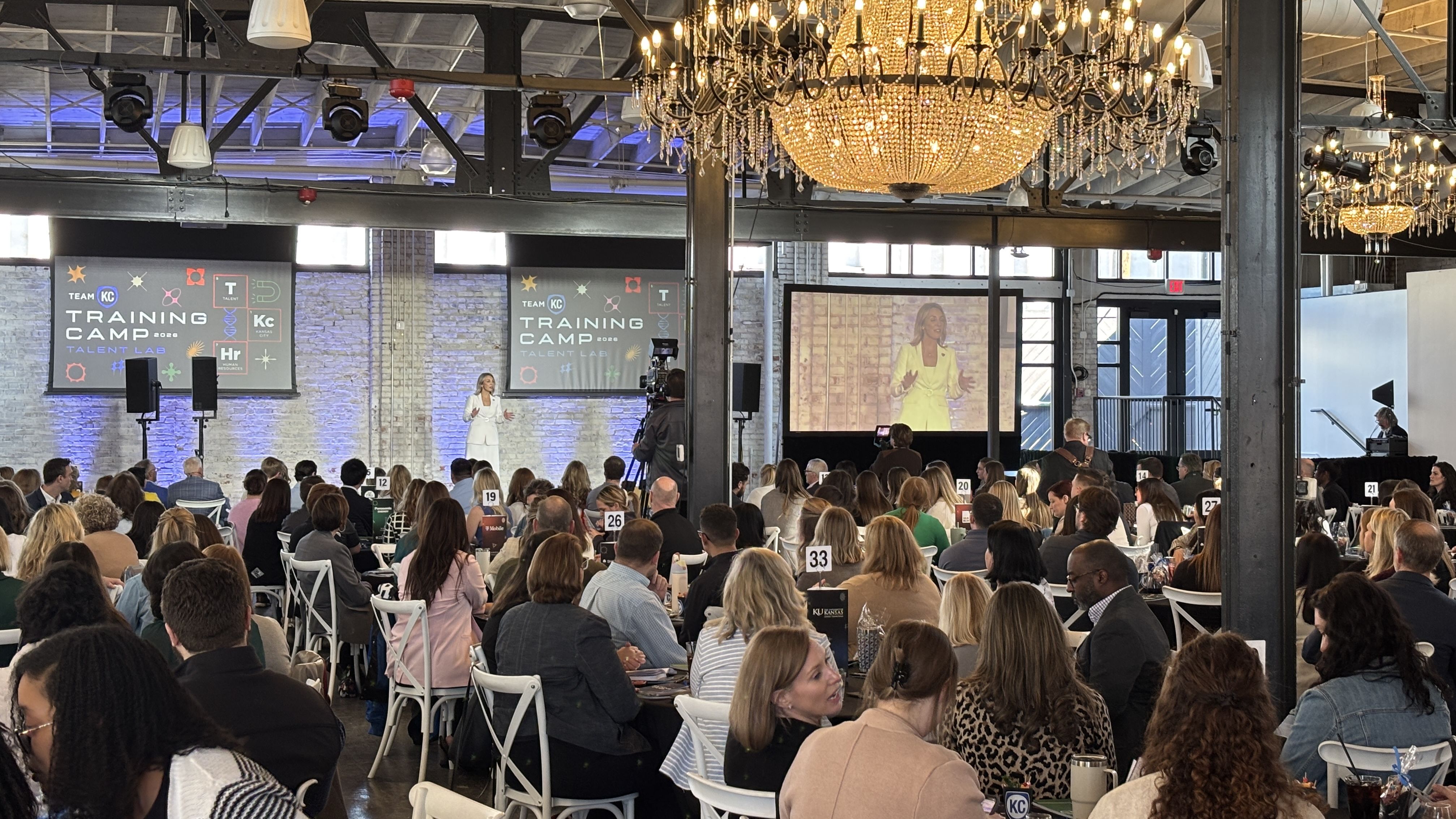
- The KC metro has more than 1.2 million people in its labor force, with major growth over the past five years across multiple manufacturing sectors.
What they're saying: "What you're seeing is employers choosing individuals with life skills and with real-world learning experience over someone coming straight out of the classroom," Torree Pederson, president and CEO of education nonprofit Aligned, tells Axios.
- "Skills-first hiring opens the door for people to upskill, reskill and grow professionally," Hilton says.
Yes, but: That doesn't negate the importance of post-high school training. Employees with bachelor's degrees have consistently made more money than workers with just a high school diploma.
State of play: Pederson points to Prep KC and Real World Learning as local examples of workforce pipelines placing high school graduates on alternative job paths.
- And Hilton says she's seeing colleges and universities expanding non-credit programs, certificates and industry partnerships.
Between the lines: AI is eliminating some entry-level hard-skills jobs, Pederson says.
- Employers are putting a premium on critical thinking, problem-solving and soft skills, even as more screens have reduced people's communication skills.
The bottom line: Team KC recommends employers take a look at their job descriptions and hiring pipelines if they want to capitalize on this skills-based shift.