How Black pitmasters built KC barbecue

Add Axios as your preferred source to
see more of our stories on Google.
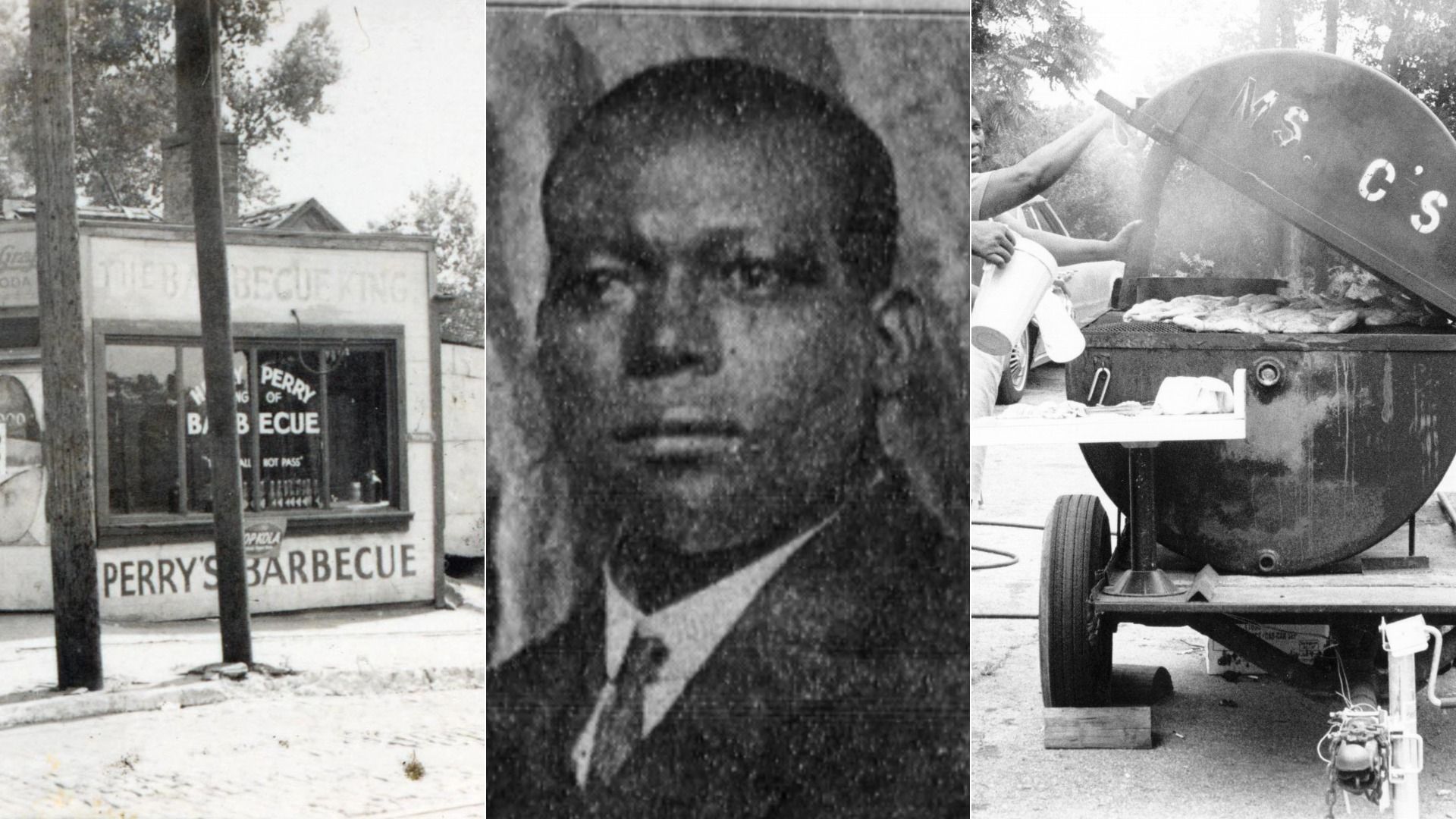
Henry Perry's first shop; a photo from an article about the shop; and meat being smoked for customers. Photos: Courtesy of the Kansas City Public Library
Kansas City's booming barbecue scene traces back to railroads, stockyards and Black pitmasters who turned the butcher's leftovers into a defining local tradition.
Why it matters: Barbecue is central to KC's identity, but many people don't realize how deeply it's rooted in Black culture and entrepreneurship.
Context: The Kansas City Public Library's archives show that KC's rise as a rail and livestock hub created the conditions for a barbecue town.
- The Hannibal Bridge opened in 1869 and helped position KC as a crossroads between western livestock breeders and eastern markets.
- Stockyards and meatpacking boomed, leaving butchers with less desirable cuts that cooks learned to transform with smoke and time.
- But meat alone didn't make a barbecue city. It took people who knew how to cook it.
The Great Migration brought Southern pit-smoking traditions to KC and helped shape what became Kansas City barbecue.
- Black Southerners moved north for industrial jobs in the stockyards and rail yards, says Michael Wells, senior special collections librarian at the KC Public Library.
- Many brought whole-hog smoking techniques and spice traditions from states like Tennessee and the Carolinas. But mostly they cooked what was available: beef.
- "This is an art, culinary art, created by enslaved people and their descendants in the South," Wells says.
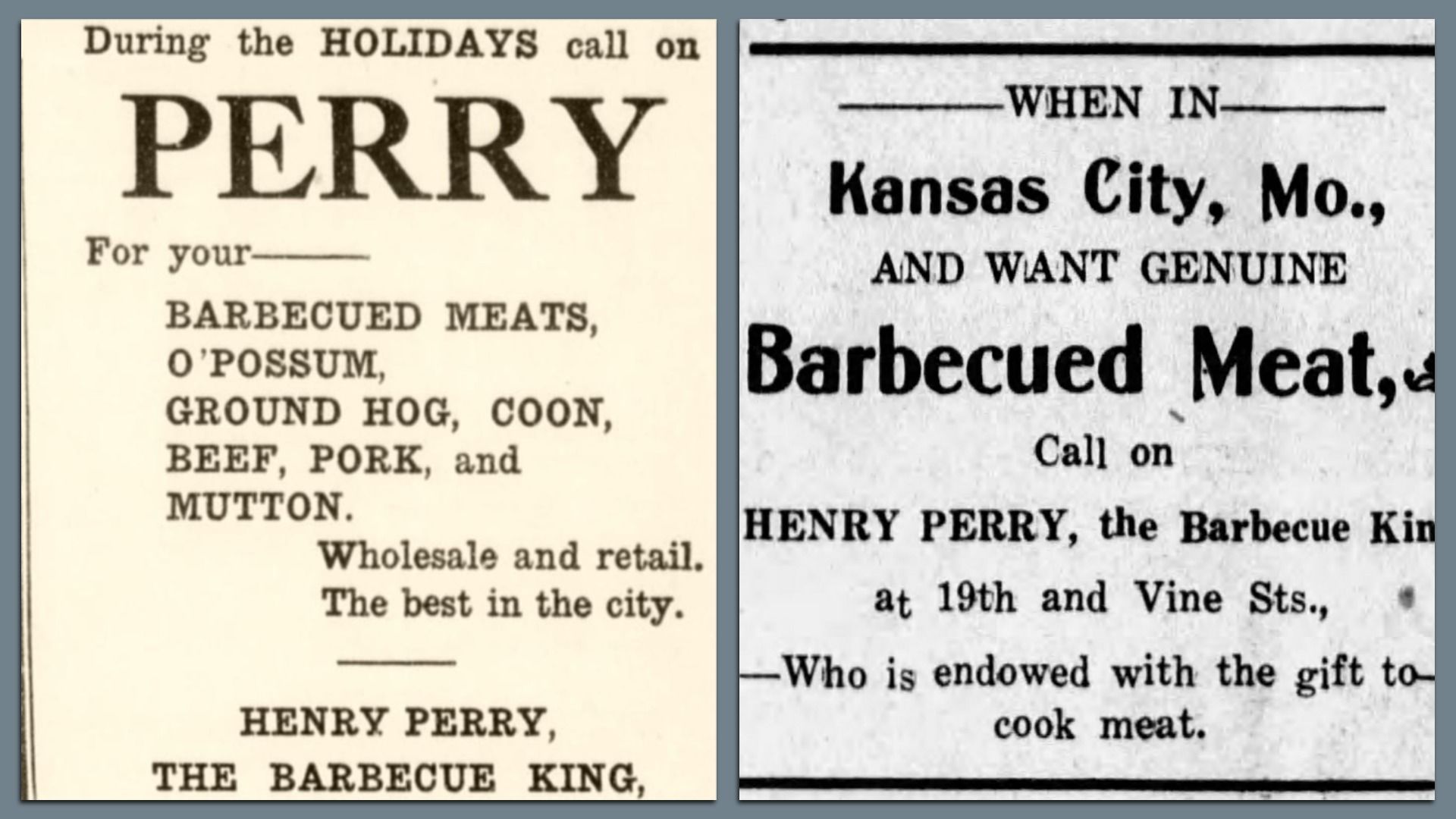
Between the lines: Henry Perry then turned that tradition into a business, a brand and a blueprint.
- Perry arrived in KC in 1907 and sold barbecue in the Garment District before moving east toward the Black business district around 18th and Vine, Wells says.
- Municipal Stadium, then home to the Negro Leagues' Kansas City Monarchs, stood near 18th and Vine. Wells says visiting teams and fans helped spread the word about the barbecue sold in that district.
He called himself the "Barbecue King," built a racially diverse following and trained other cooks who carried his methods into their own shops, Wells says.
- Wells traces a direct lineage from Perry to pitmaster Arthur Pinkard. He later trained the Bryant brothers of Arthur Bryant's and Ollie Gates of Gates BBQ, helping cement Perry's methods across the city.
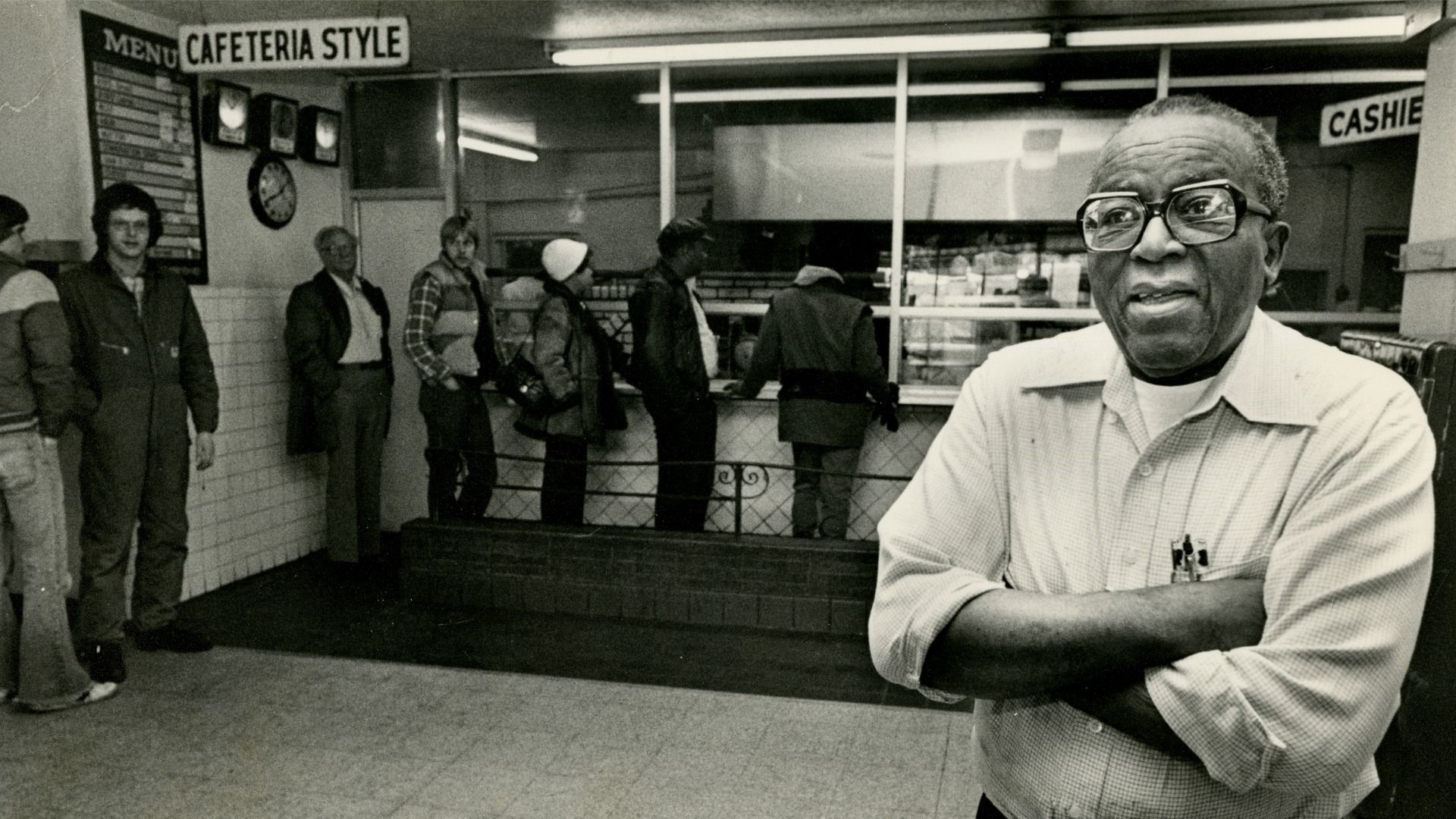
- His sauce, though, has changed. It was "very hot" and more vinegar-based, Wells says, unlike the sweeter, tomato-forward style that now defines KC barbecue.
Zoom out: Today, KC barbecue stretches far beyond 18th and Vine.
- The metro is home to over 100 different BBQ restaurants.
- The American Royal now hosts the World Series of Barbecue each year in KC, and Henry Perry was inducted into its Barbecue Hall of Fame in 2014.
The bottom line: KC BBQ isn't just a point of culinary pride. It's a legacy rooted in Black innovation that shaped what the city now calls its signature food.