Kansas City police will use drones as first responders

Add Axios as your preferred source to
see more of our stories on Google.
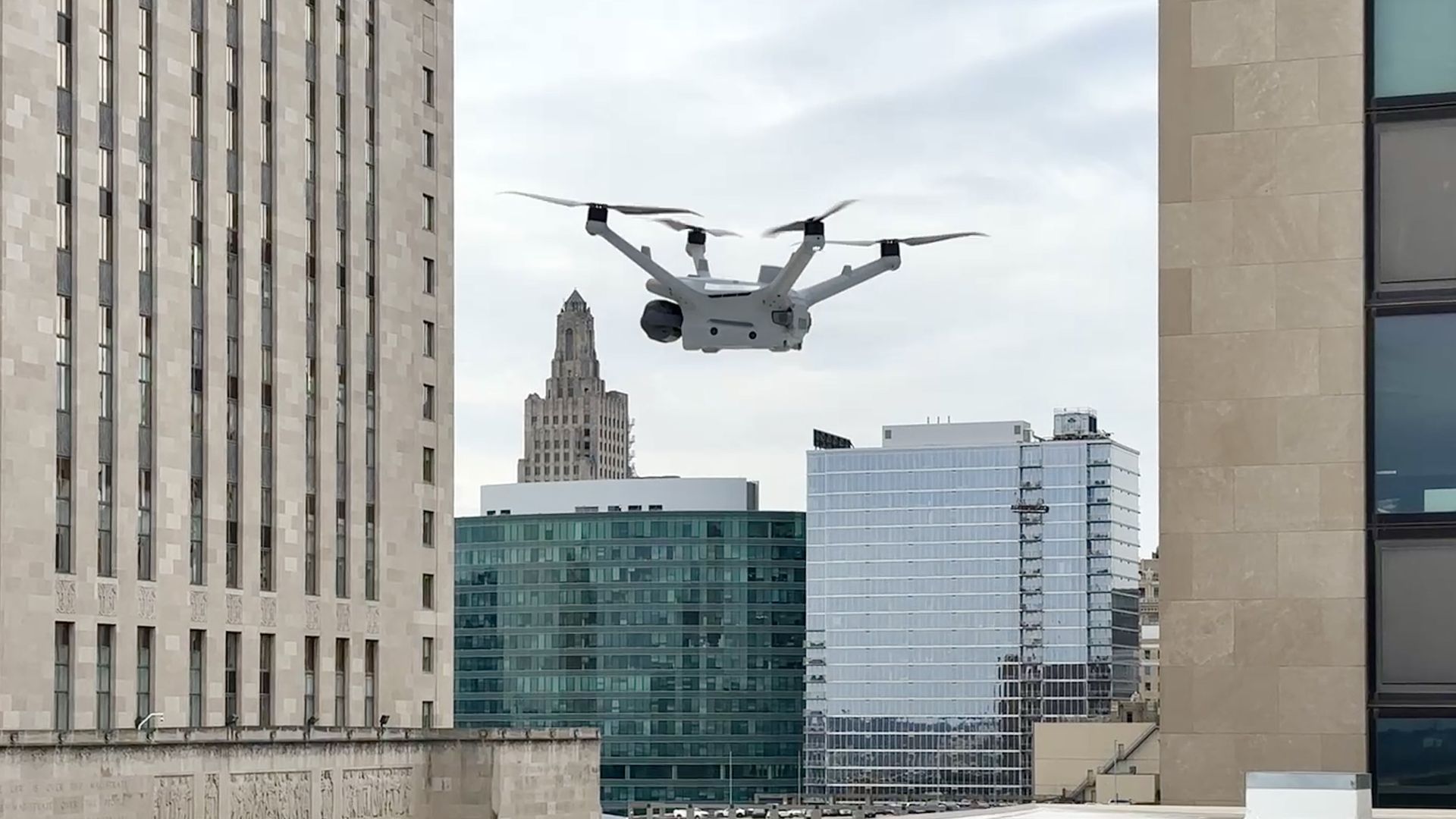
A police drone takes off from the roof of KCPD's downtown headquarters. Photo: Travis Meier/Axios
The Kansas City Police Department (KCPD) is taking to the skies thanks to a fleet of drones, a new team of pilots and special permission from the federal government.
Why it matters: Police say the technology will be used to respond to emergency calls faster and help officers on the ground, but local and national concerns over law enforcement's expanded reach remain.
Eight drone "nests" positioned throughout the city will be controlled by KCPD's real-time crime center, Capt. Jake Becchina tells Axios.
- If a call comes in, the nearest drone can be launched and arrive on site within 30 seconds, he says: "It's really kind of slick."
How it works: Maj. Greg Williams, the project manager of the program, took Axios up to the roof of police headquarters to demonstrate how a drone nest operates.
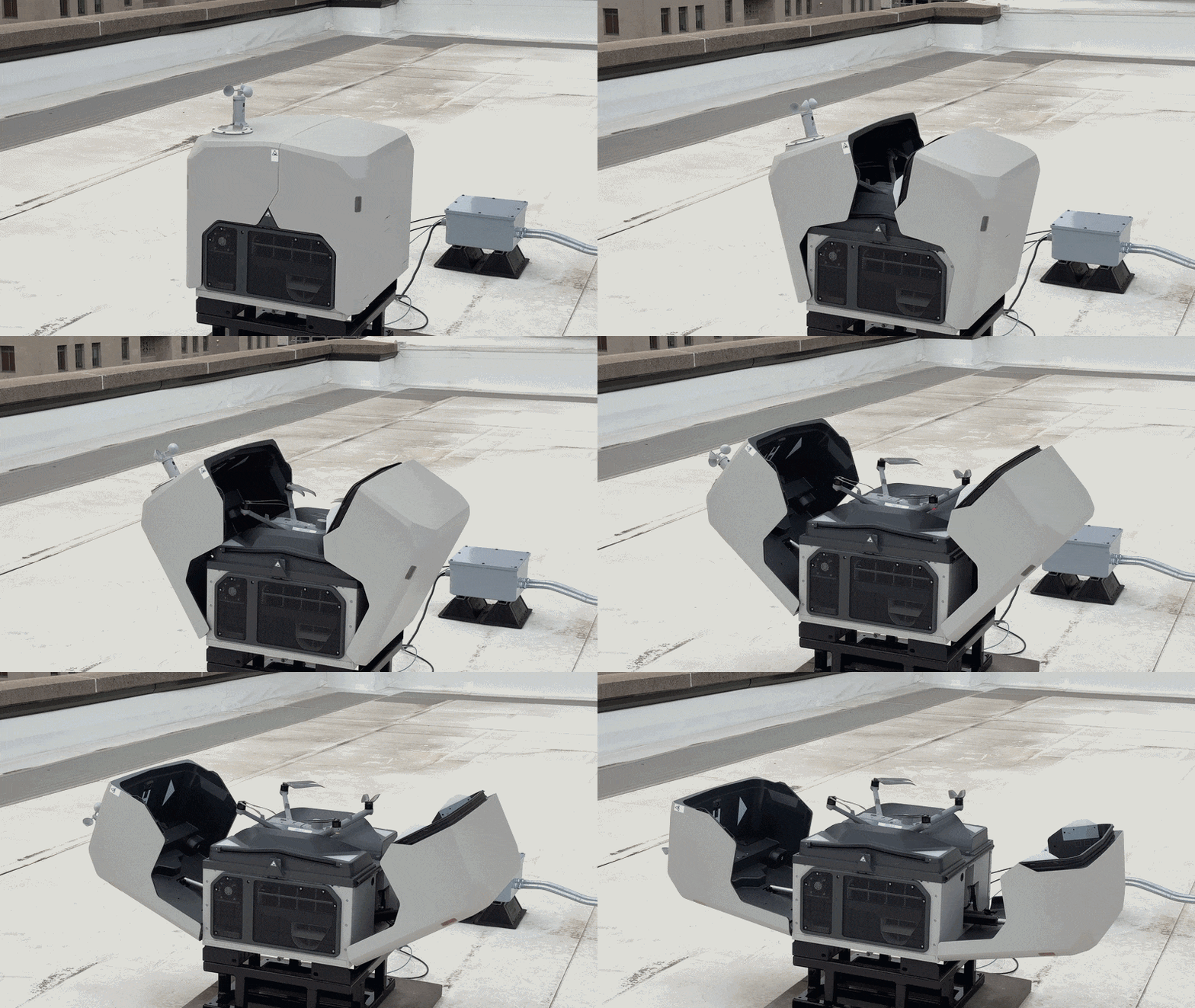
- The drone sits inside a rectangular shell, which provides electrical charge and protection from the elements.
- A remote signal makes the shell beep and split open. The blades whirl. The drone shoots straight up.
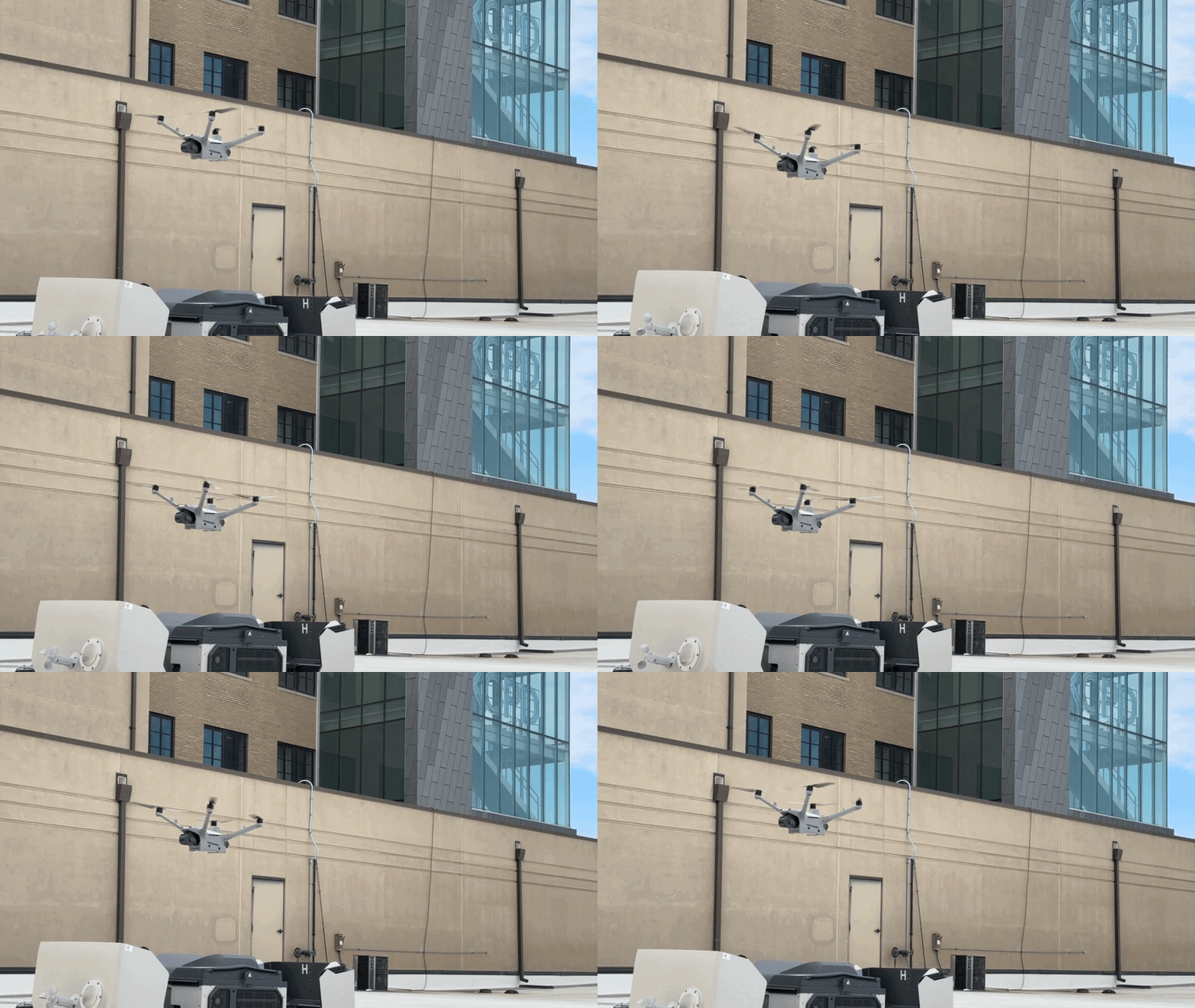
Zoom in: The drones have about 30 minutes of battery and fly up to 35mph — but they don't have to follow the rules of the road.
- That means it can get to a call faster than a car to assess the situation and help police determine if officers are needed.
What they're saying: Williams says he's hopeful the drones will reduce by up to 20% the number of calls officers actually have to respond to, freeing them up for serious crimes where people are in danger.
- The drones can also aid car chases and follow suspects, though Williams says they won't be used for surveillance.
Friction point: The drones are made by DJI, a Chinese company that dominates the global drone market and has faced federal scrutiny over security concerns.
- DJI said Tuesday that it sued the Federal Communications Commission after the government banned the sale of new drone models in the U.S.
- KCPD says the aircraft are operated using DroneSense, an American software designed for law enforcement.
- Still, the ACLU has called for tight reins around how police use drones to monitor crowds and respond to crimes.
Context: The Federal Aviation Administration usually requires drone operators to keep the aircraft within eyesight, but police received a Part 108 waiver, allowing the drones to fly beyond an operator's line of sight — a key limitation for most drone operators.
- "When we fly, we have a map, and we can see all the aircraft in the area," Williams says, adding there's data on altitude, speed and trajectory as well.
What's next: Police can currently fly drones up to 200 feet above ground.
- New technology funded through a federal Counter Unmanned Aircraft Systems Program grant will expand that ceiling to 400 feet — effectively widening the department's operational range.
- "The stuff we saw 10 years ago on TV is becoming a reality," Williams says.