KC Current opens Riverside stadium, training complex

Add Axios as your preferred source to
see more of our stories on Google.
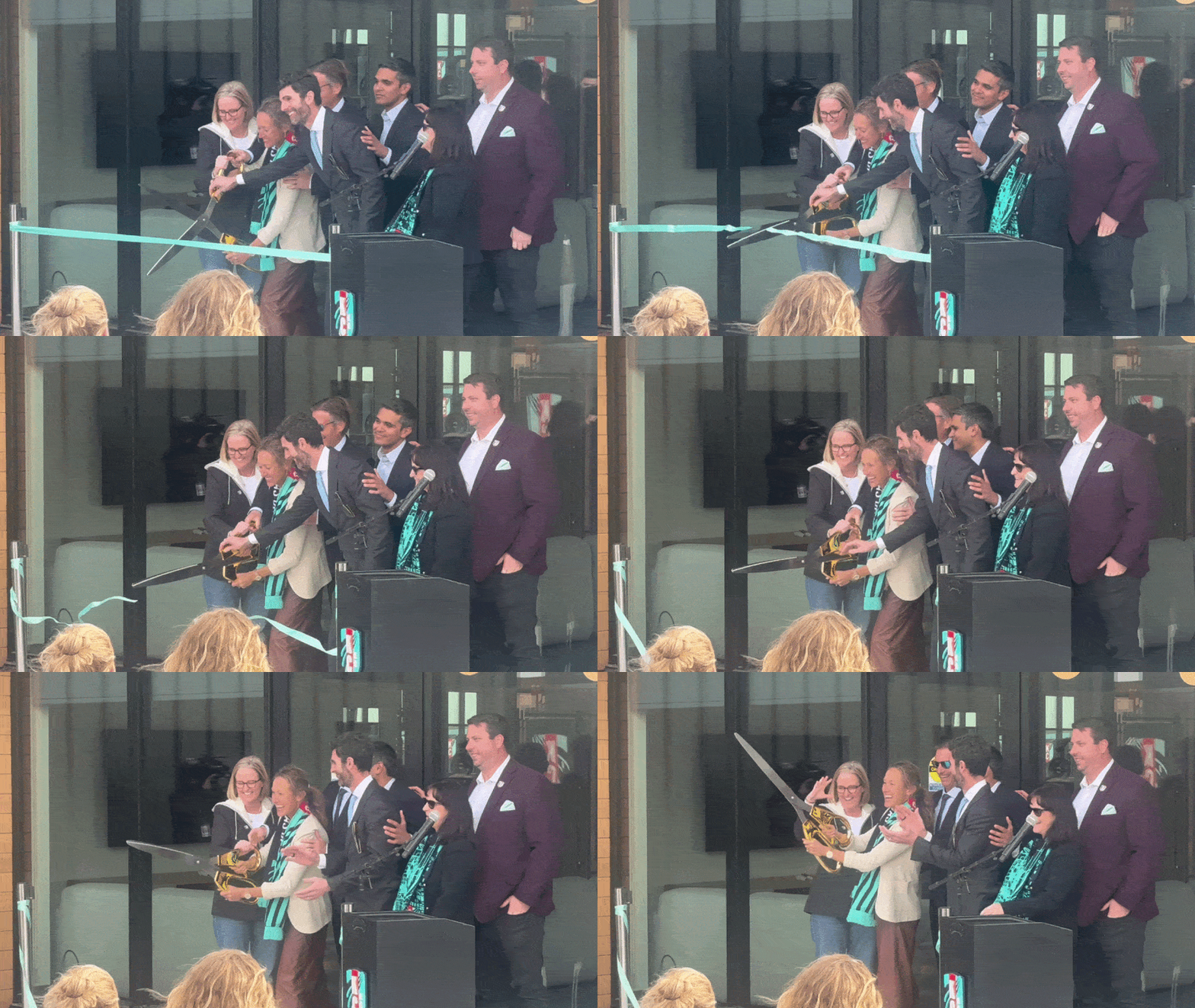
The Kansas City Current opened a 2,000-seat stadium and new training complex in Riverside on Tuesday, completing a $52 million expansion of its player facilities.
The big picture: With the Riverside campus now open, the Current has a dedicated development home separate from CPKC Stadium, where the club plays its NWSL matches on the riverfront.
- The campus will serve as a year-round base for the club's second team and youth development programs.
Zoom in: Riverside Stadium will be the home of Kansas City Current II, the club's fully funded second team launched in 2025 to bridge youth and college players to the professional roster.
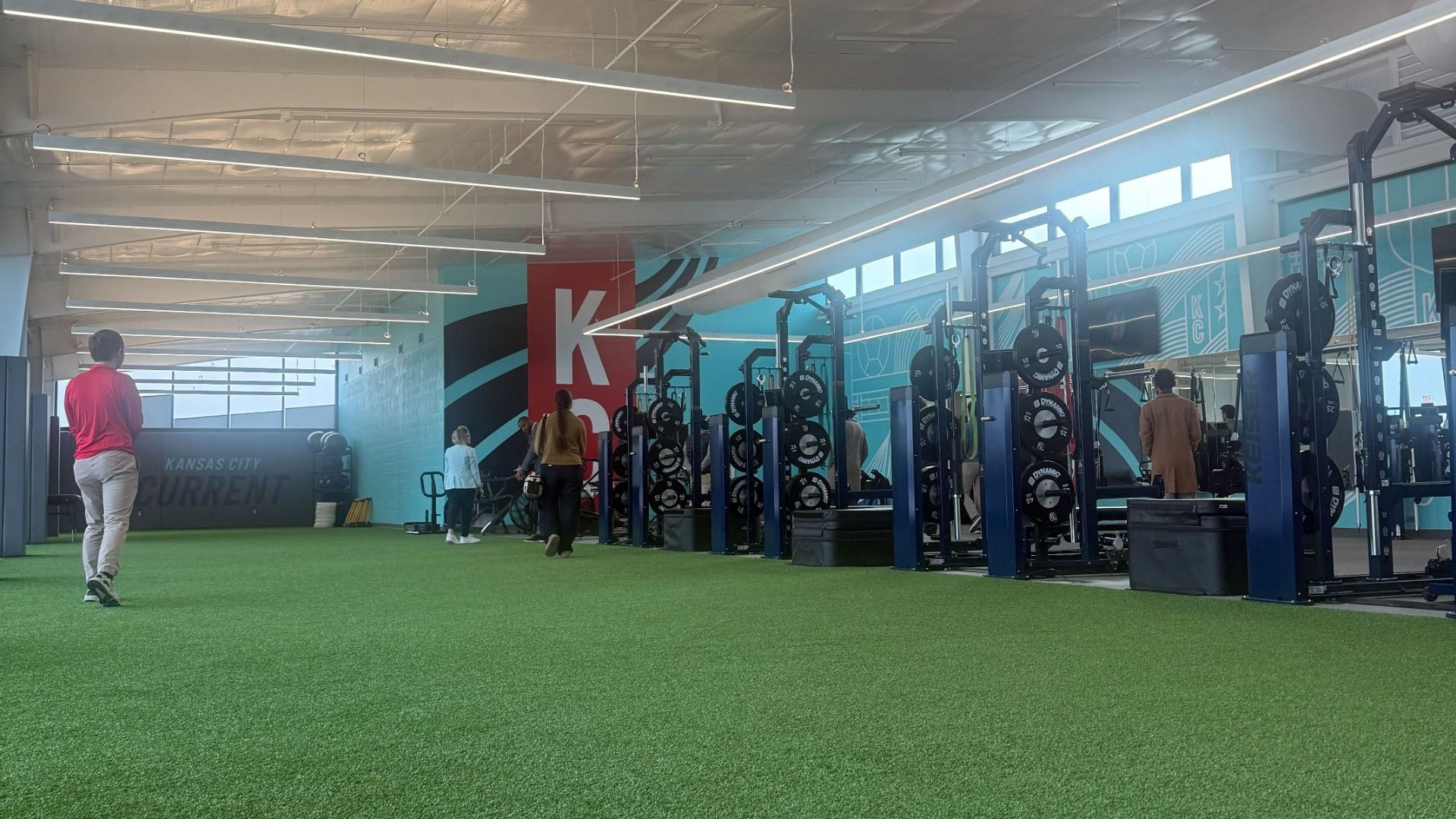
- The adjacent Performance Center adds indoor space for year-round training, pushing the club's Riverside training and headquarters footprint past 35,000 square feet.
- Four new grass fields bring the campus total to 12 grass and turf fields, including one heated field.
What they're saying: "Five years ago, this was all dirt," co-owner Angie Long told Axios. "We started with two fields and one building. Two to three years later, we grew it."
- She says the expansion centers on building a clear pipeline in a country with what she called "a million and a half young female soccer players."
- "Figuring out the pathway is incredibly important," she said. "That's a competitive advantage for us."
Flashback: The club announced the project and broke ground in July 2025.
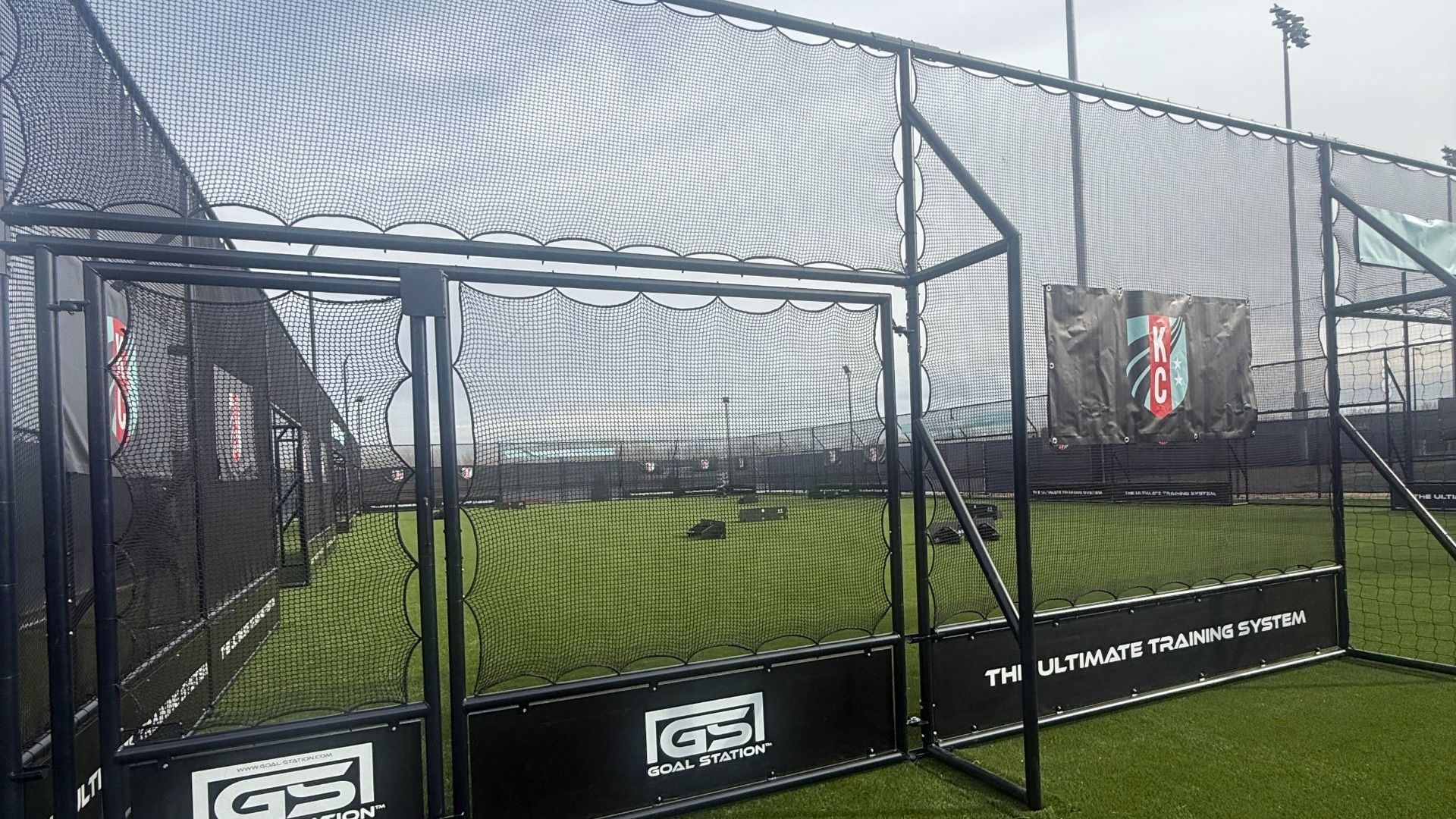
- At the same ceremony, the Current also introduced Goal Station, a sports science training system that blends cognitive drills with physical performance work and includes an outdoor training area behind the Performance Center.
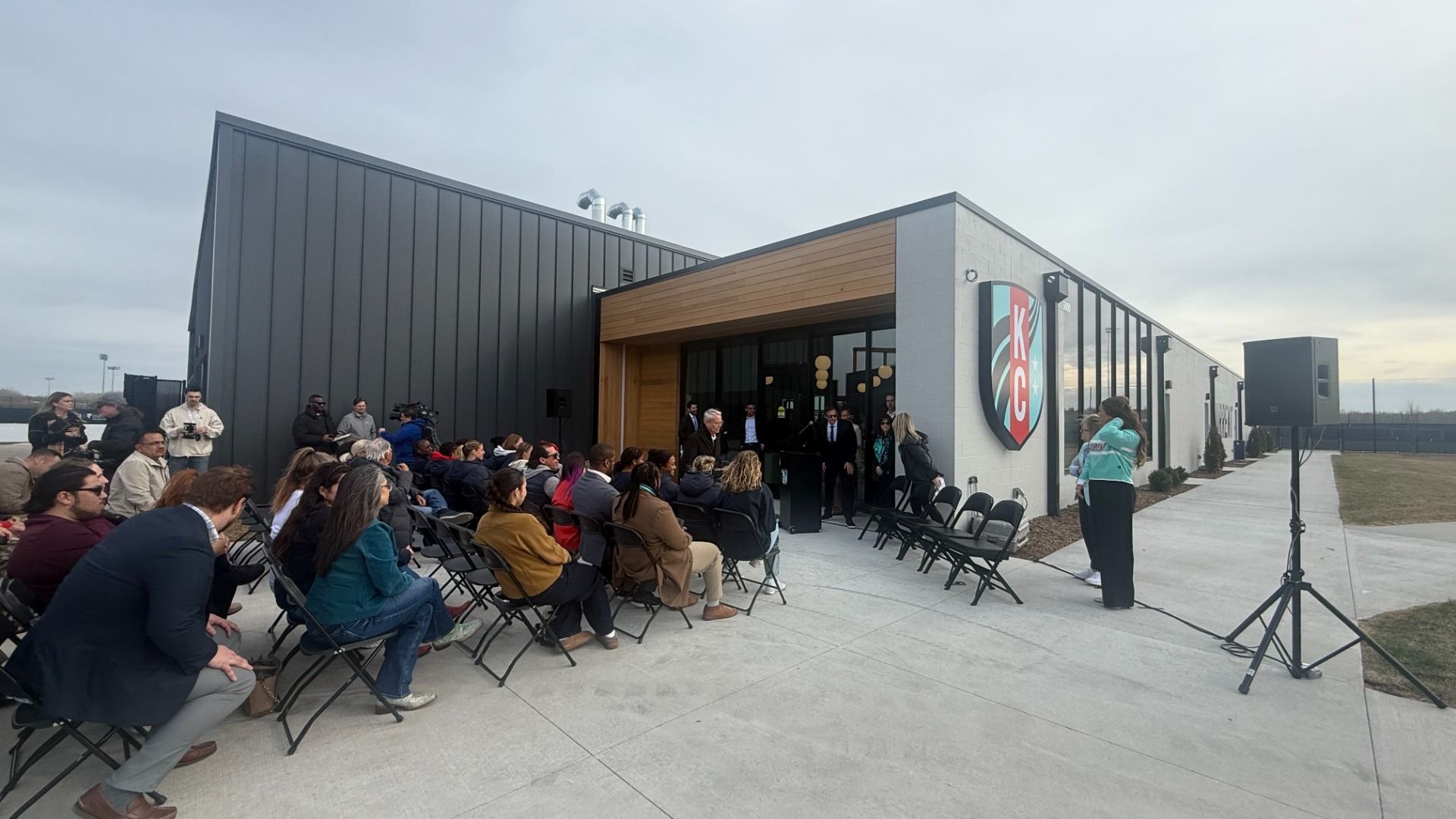
What's next: The Netherlands selected the Current's Riverside campus as its Kansas City-area training base for the 2026 FIFA World Cup, making it one of only two host cities with four selections.
- Chris Long told Axios the Netherlands chose Riverside in part because of the campus's structure. "They wanted the business side and the football side together in one place," he said. "That's what we built."
Go deeper: Stadiums are becoming more like micro-cities