Mayor questions body cameras after Minneapolis shooting

Add Axios as your preferred source to
see more of our stories on Google.
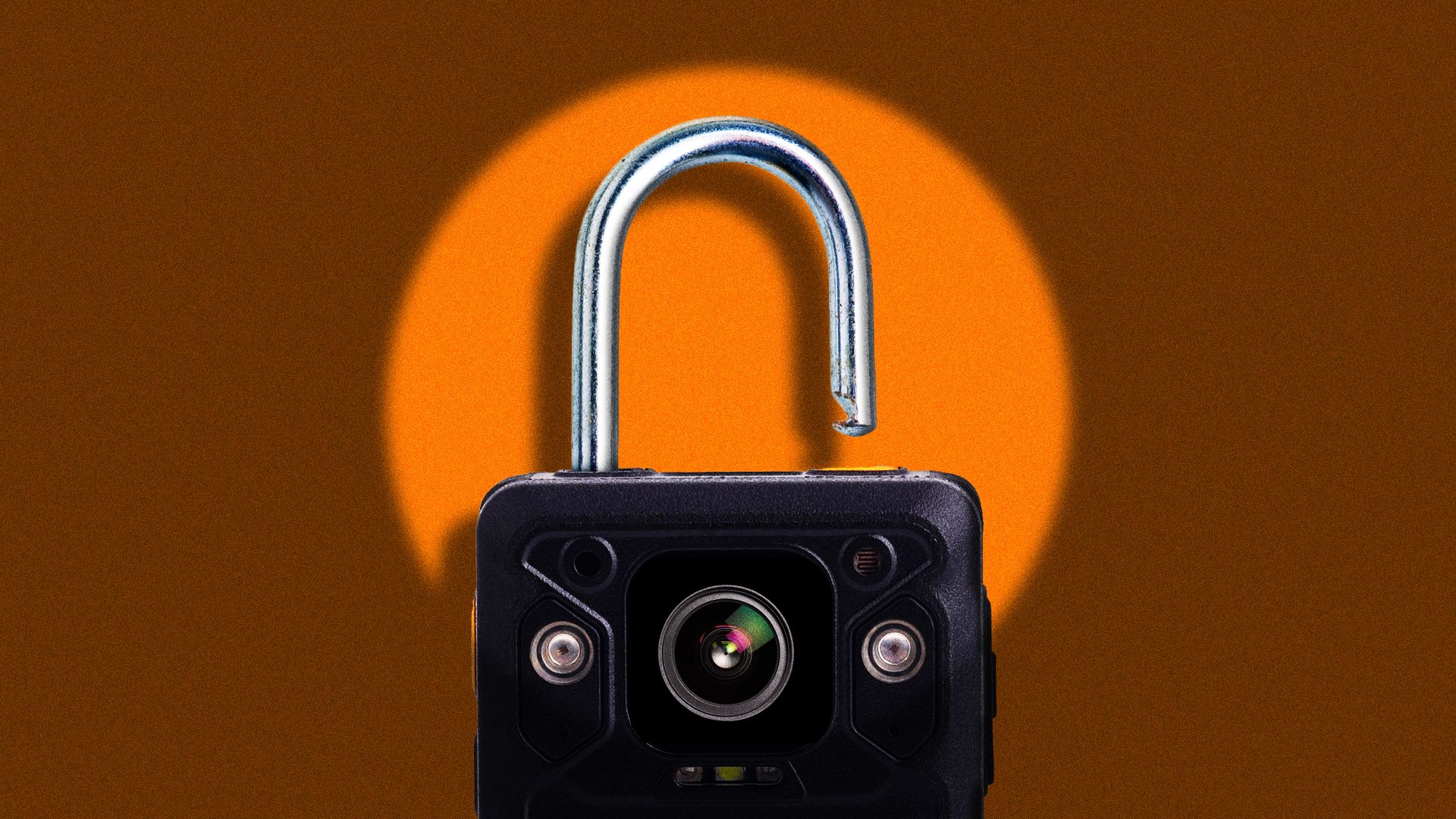
Illustration: Maura Losch/Axios
Mayor Quinton Lucas questioned the transparency of body cameras after the Department of Homeland Security said it has footage related to Border Patrol agents shooting and killing a man in Minneapolis.
The big picture: Lucas pointed to the shooting of Alex Pretti as an example of how video from body cameras can exist without the public having access in a Substack post on Tuesday.
- This leaves the public with "substantial public expense (for DHS, $20M per year and in KC, about $3–4M per year) to fund a program the public may never get to see, undermining the transparency sought," Lucas wrote.
- "Video is great if only we can see it," he added.
The other side: "There is body camera footage from multiple angles, which investigators are currently reviewing," the Department of Homeland Security told The New York Times on Monday.
Zoom in: "Closer to home, Missouri law considers body camera footage a closed record," Lucas wrote, adding that "even when it can be released, there's a ten-day waiting period for the video's release and anyone in the video, including the officer, can object, further delaying release."
Flashback: Kansas City's body camera program launched in 2020 amid public demand for more police accountability following the killing of George Floyd.
- The Police Foundation of Kansas City says the department raised $3 million from over 20 private donors to purchase body cameras and video storage.
- KCPD purchased 815 body cameras, enough for all patrol officers, and had all officers outfitted by March 2021.
How it works: KCPD says the Missouri Sunshine Law governs when body camera footage can be released.
- Under state law, body camera footage is generally treated as a closed record while a criminal investigation is active.
- KCPD considers an investigation active until the case has gone through the full court process, including appeals. Once an investigation closes, footage may be released upon request.
KCPD tells Axios the department does not track how much footage remains unreleased.
The bottom line: Lucas said the issue is not the presence of cameras, but whether the public can see the footage.
- "The Senate should demand policies mandating the timely release of body camera footage before awarding more funding to a program that seems elective at best and detrimental at worst," he wrote.