City checks drinking water pipes at 78,000 homes

Add Axios as your preferred source to
see more of our stories on Google.
Photo: Will Waldron/Albany Times Union via Getty Images
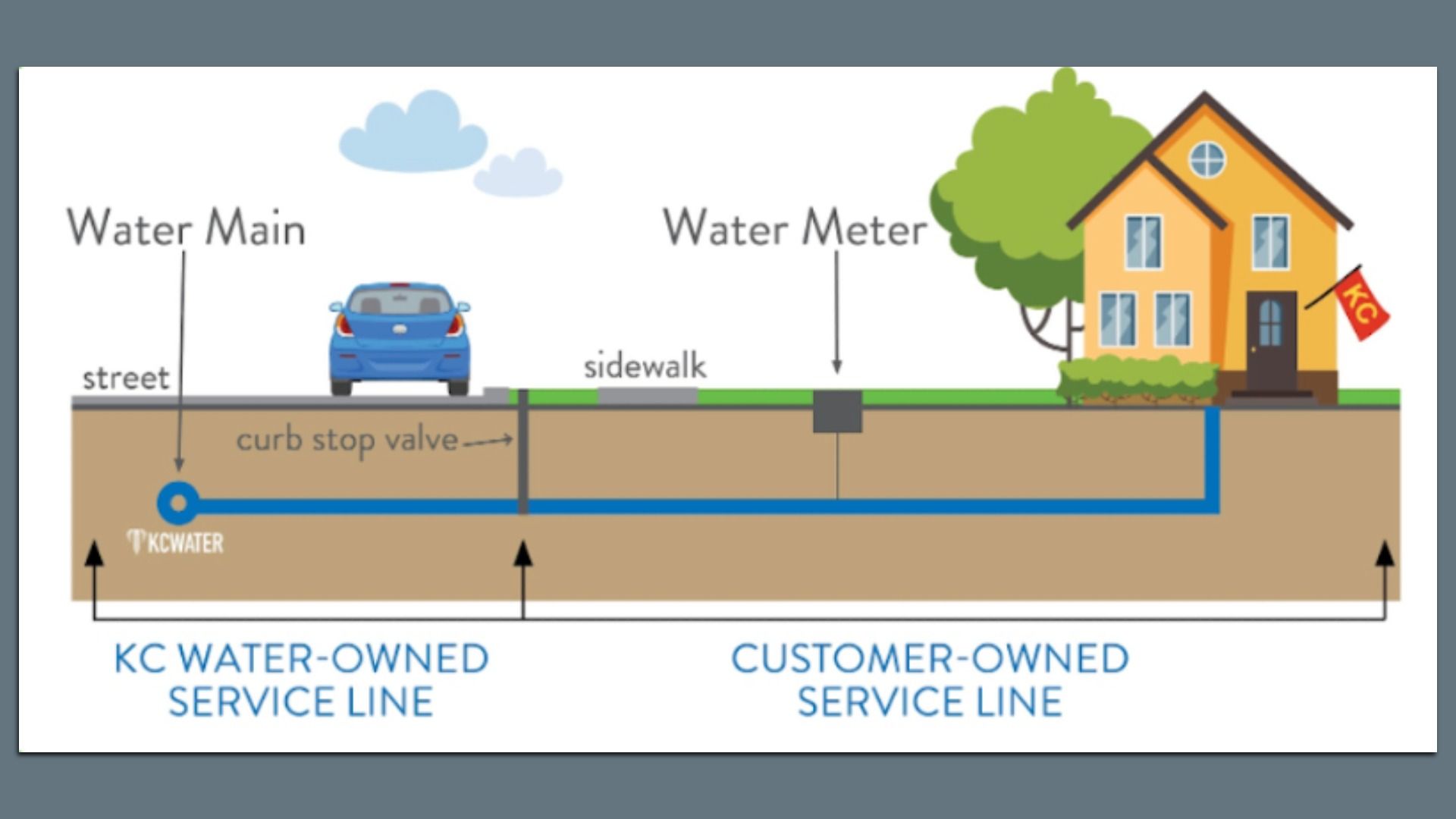
KC Water sent about 78,000 letters to households where the city still needs to confirm the material of the service line that brings drinking water into homes.
Why it matters: The city needs accurate information about these pipes so it can plan repairs, meet federal rules and make sure homes stay connected to safe drinking water.
- Updated EPA rules require cities to document every service line and flag any that could contain lead.
The latest: KC Water tells Axios it has not found any lead service lines yet, based on its historic record review that started in early 2024.
Zoom in: KC Water sent letters earlier this month to homes where its inventory either never listed what the pipe is made of or flagged it as galvanized steel, a common older pipe that can corrode with age.
- KC Water has received more than 250 submissions since letters went out in the past two weeks.
- The letter explains that KC Water still needs to identify the pipes. It does not signal a health risk.
State of play: KC Water reviewed more than 180,000 historical property records for its first service line inventory and still has about 25,000 homes with unconfirmed pipe material.
- To begin filling those gaps, staff ran a pilot inspection this fall in Columbus Park and Lykins and documented what the pipes were made of at about 3,000 homes using outdoor access points like meter pits.
- The city is still reviewing the results and does not yet know whether any of those lines need replacement.
What they're saying: "The good news is that the department still has found zero lead lines to this point," KC Water spokesperson Jackson Overstreet tells Axios.
- He says the city's treatment process helps keep metals from breaking down inside older plumbing.
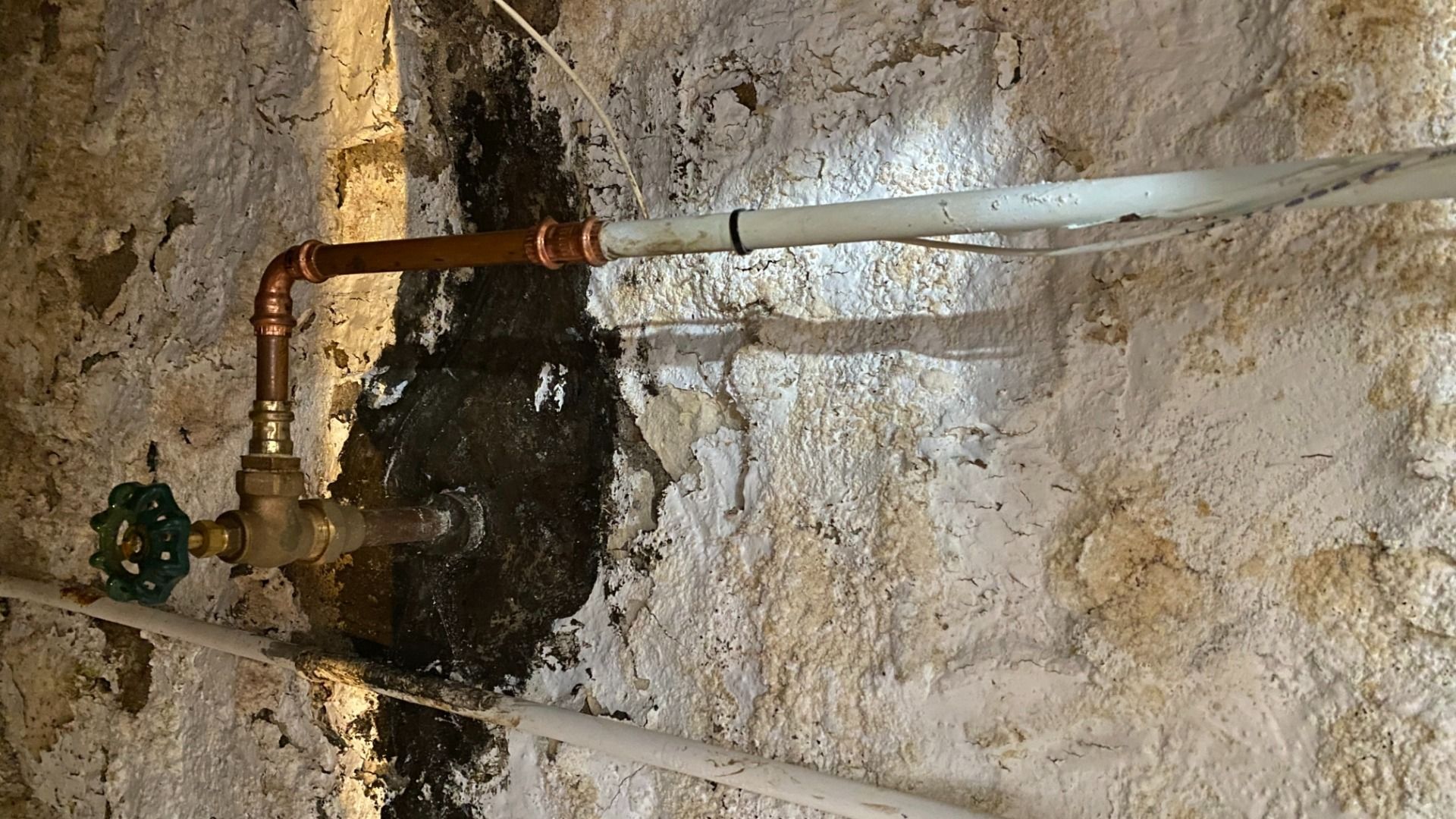
How it works: KC Water launched an online survey that shows residents how to find the pipe where water enters the home, usually in a basement or crawl space.
- The tool walks through simple checks and asks for photos so the department can verify the material and update its records.
What's next: Continued pipe checking efforts will pick back up in Columbus Park and Lykins in the spring and will expand to other neighborhoods after the inspections end in early fall 2026.