Dirty Jobs: The people keeping KC's water clean

Add Axios as your preferred source to
see more of our stories on Google.
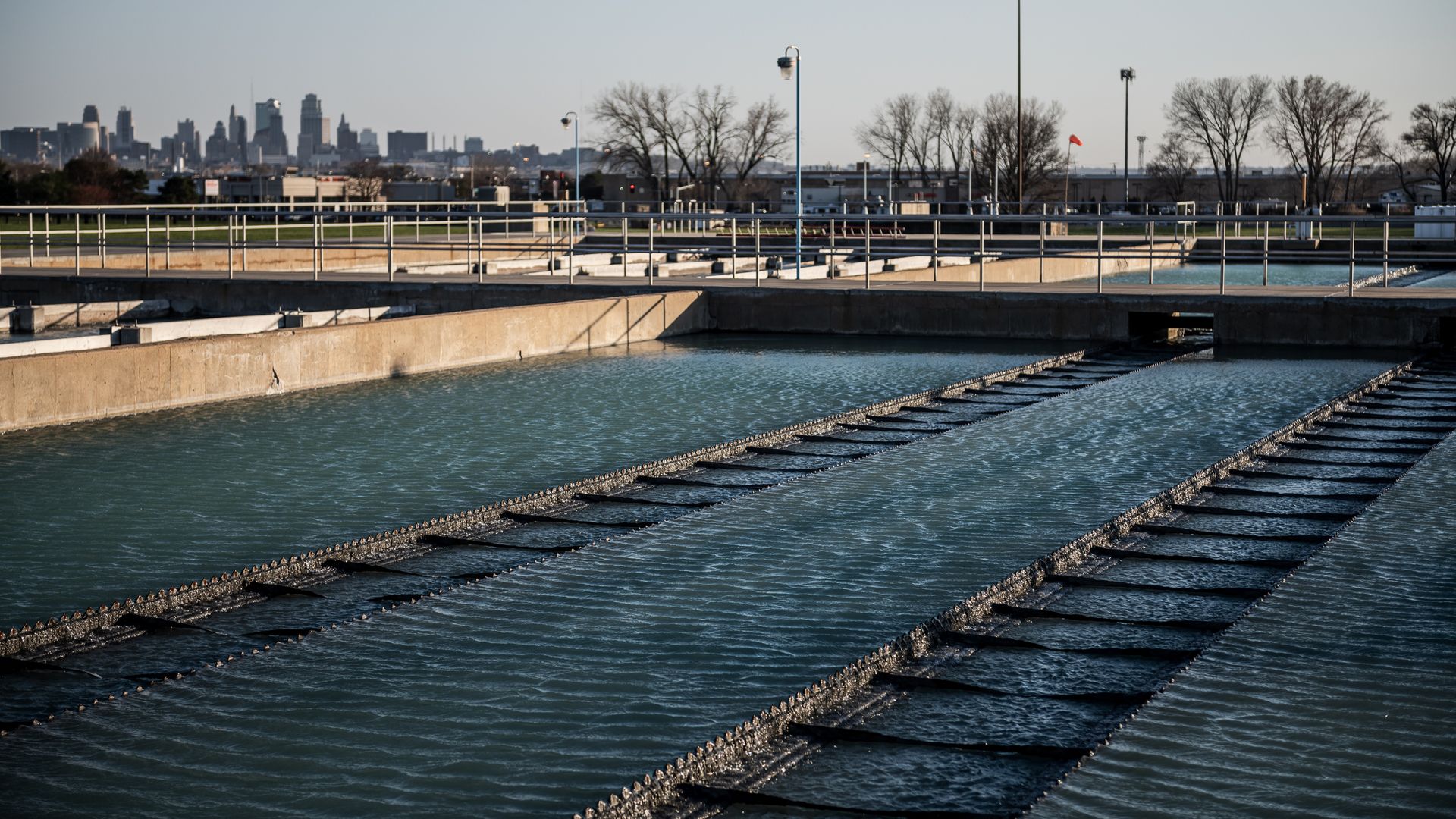
Outside the KC Water plant. Photo: Courtesy of KC Water
KC's only water plant has run nonstop for 99 years — purifying every drop that hits your tap.
The big picture: KC's water system runs with 76 employees, 27 fewer than it needs, and depends on veteran operators nearing retirement.
- Officials at KC Water say the future of the city's drinking water may hinge on who's willing to get their hands dirty and learn from the old guard before that knowledge disappears.
This is the first story in our new series, Dirty Jobs, about the metro's most essential, and often invisible, work.
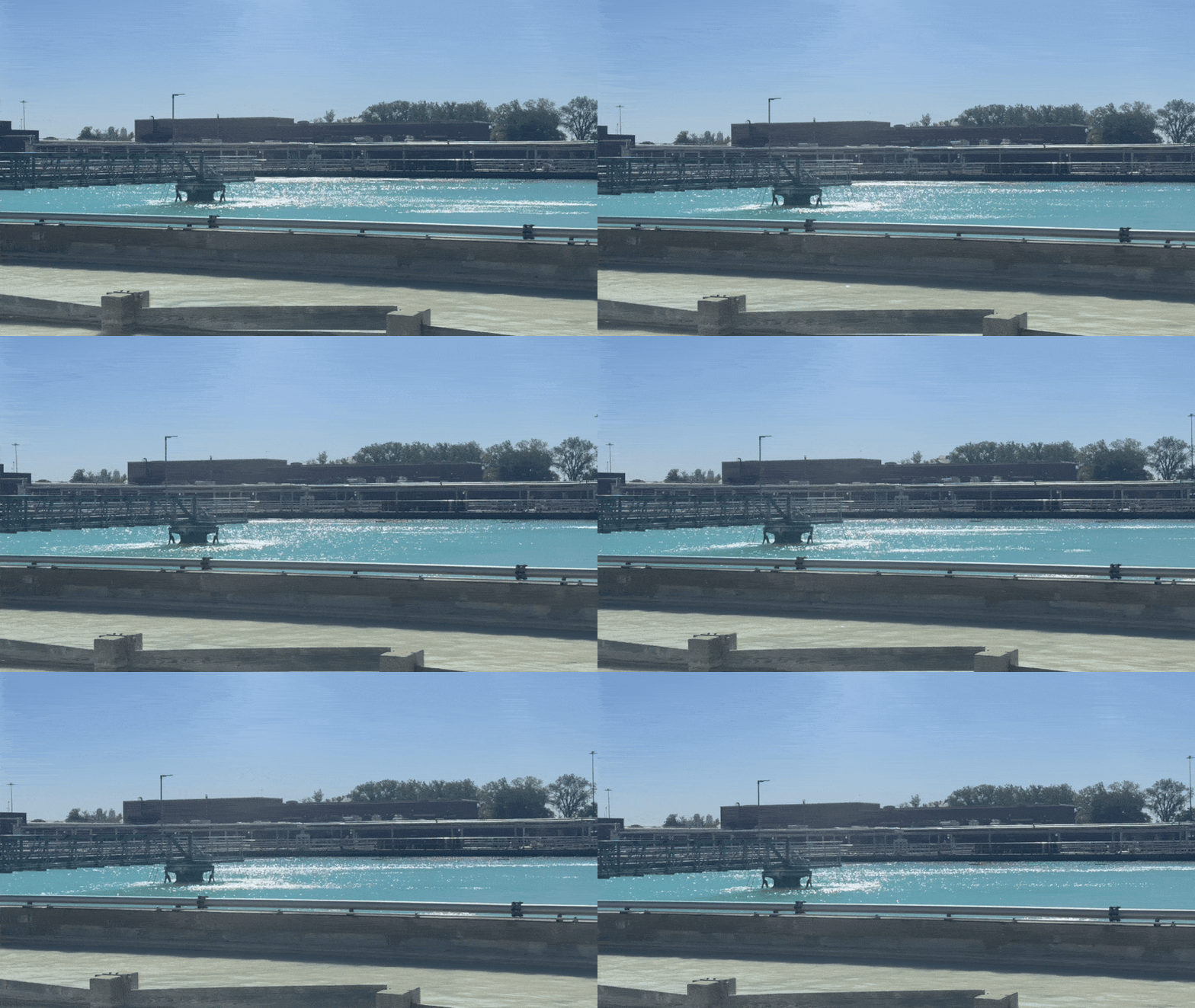
Inside look: "This place doesn't get a day off — not even five minutes," KC Water operations manager Jarrek Lucke tells Axios.
- The system handles 240 million gallons a day, pushing water through 2,700 miles of pipes to homes, businesses and fire hydrants across the region.
- It takes a crew of seven operators working rotating shifts to keep things moving 24/7.
- Entry-level operators start at around $25 an hour, with opportunities for training, certification pay bumps and tuition incentives, according to Lucke.
How it works: Lucke likens the job to undoing a cup of tea. Crews add lime and chlorine, among other chemicals, to clarify the water from the Missouri River, leaving clean, clear drinking water.
- Raising the pH level coats old pipes to prevent lead leaching, and KC Water says it's found no known lead lines, though about 24,800 connections still need verification.
- From the river to your tap, the journey takes about 18 hours.
- Operators monitor pressure and water quality every 15 seconds, which equals 5,760 times a day.
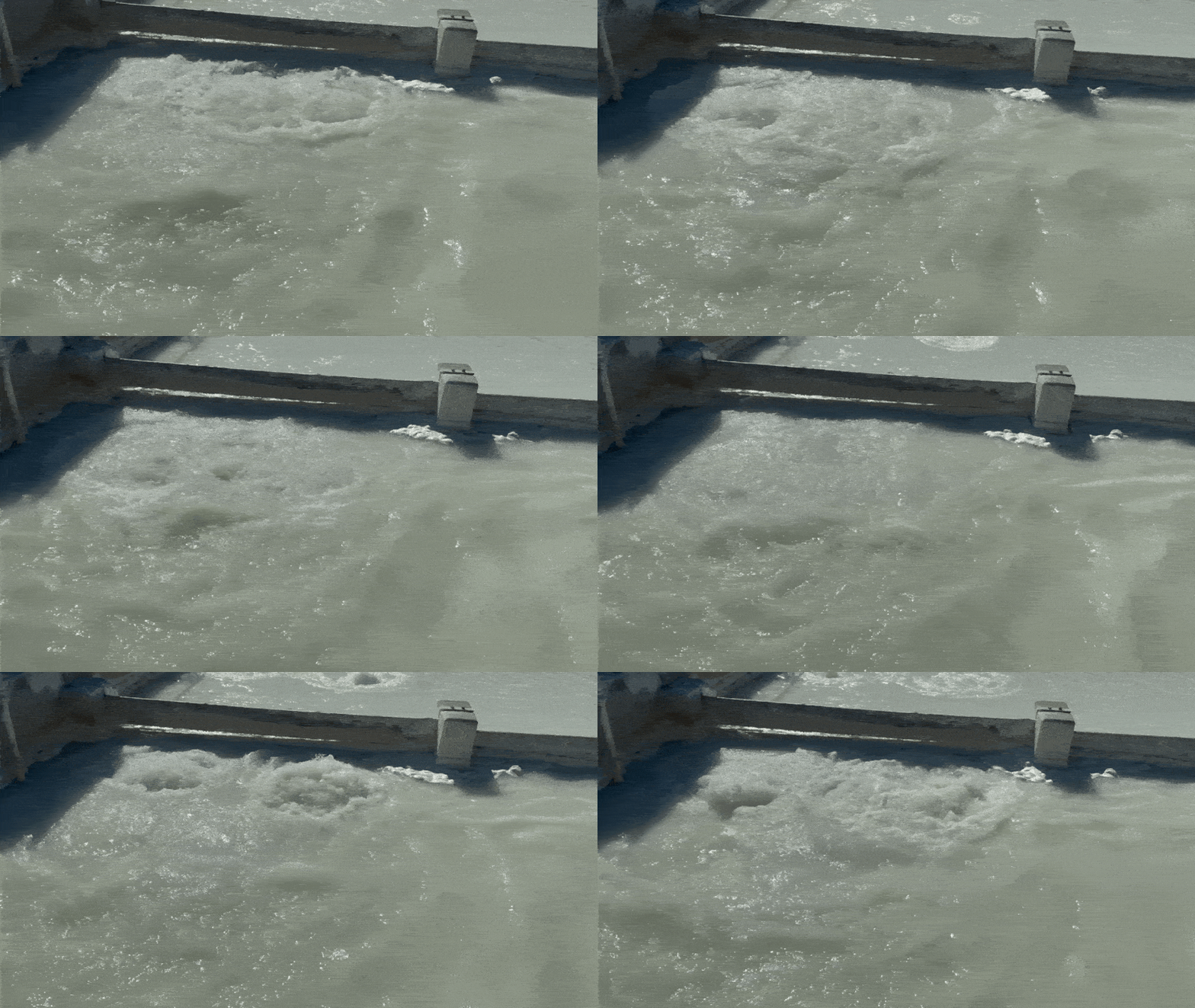
Behind the scenes: This job is not for the squeamish or the claustrophobic.
- If lime hits air, it can reach 200°F — but automated systems cool it down before it gets dangerous. If chlorine leaks, emergency vents and scrubbers immediately activate.
- Crews climb inside tanks, monitor chemical feeds, and work with equipment older than some American cities' plumbing systems.
- When legacy parts break, they make replacements by hand in the on-site machine shop — because no one manufactures those parts anymore.
What's next: Crews are preparing for the plant's 100th year by installing stainless steel filters and designing a new Northland pump station that could boost output by 60 million gallons a day.
- The project is still early in the design phase, with no cost or timeline set yet.