Huntsville researchers discover "demon cavefish"

Add Axios as your preferred source to
see more of our stories on Google.
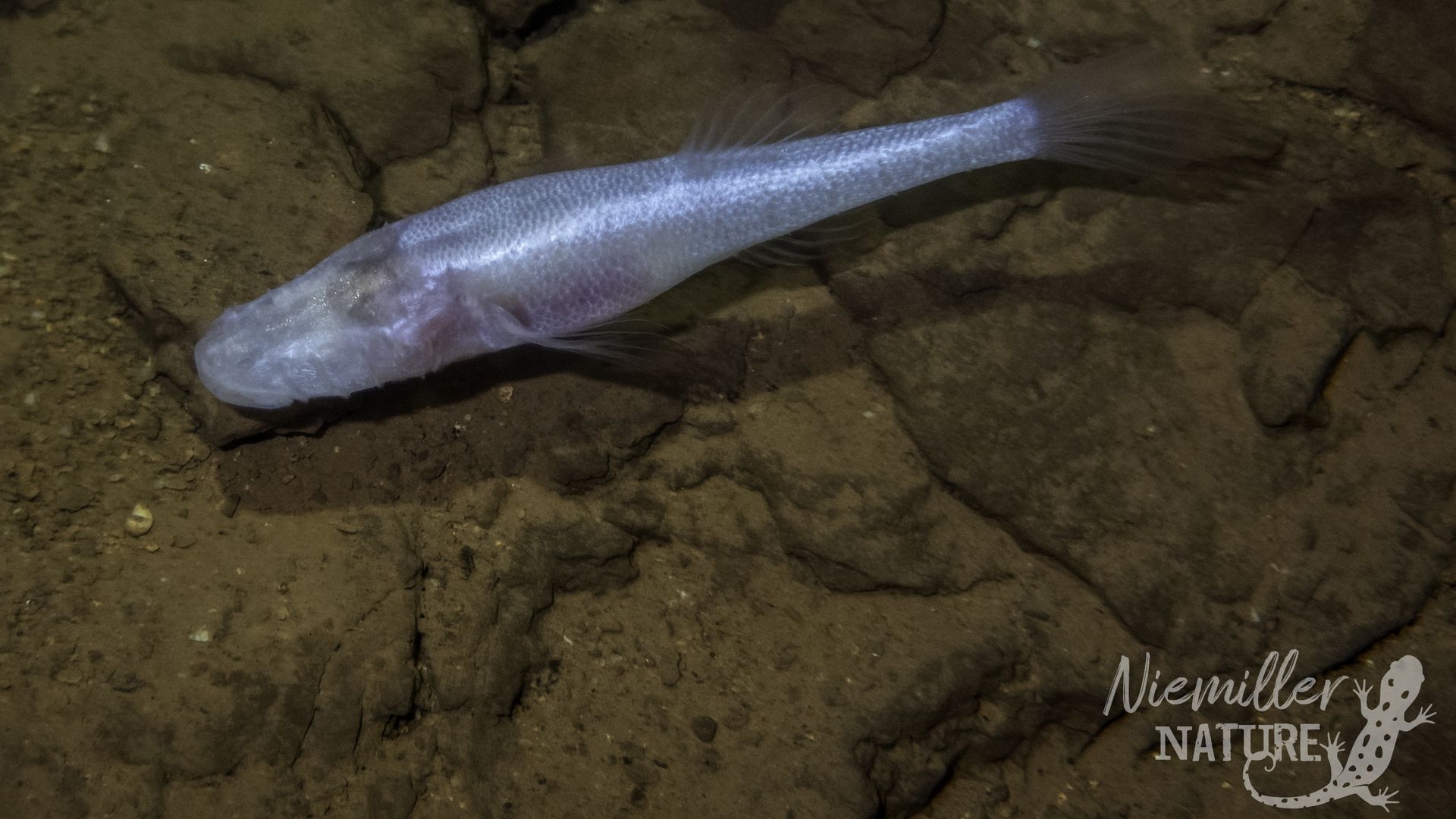
The Demogorgonichthys arcanus was discovered in a well-known area monitored by biologists for decades. Photo: Courtesy of Matthew Niemiller
Researchers have discovered a new species of cavefish at Redstone Arsenal.
Why it matters: There are still natural wonders to be found right under our noses (or feet).
The big picture: Matthew Niemiller, associate professor of biological sciences at the University of Alabama in Huntsville, is the lead author of a new paper in Scientific Reports, detailing the Demogorgonichthys arcanus.
- The fish was discovered in Bobcat Cave — a well-studied karst system on the western side of the arsenal — described in the paper as "the focus of long-term biological and hydrological monitoring associated with the federally endangered Alabama Cave Shrimp."
- It's a new genus and species of cavefish, which are fish that have adapted to life in the darkness of subterranean caves.
- Niemiller and his 11 co-authors — including his wife, K. Denise Kendall Niemiller, and students of his — gave it the common name demon cavefish.
Zoom in: Fans of "Stranger Things" or Dungeons & Dragons might recognize the scientific name researchers picked for the cavefish, drawing from the monsters that prowl the Upside Down: demogorgons.
- The idea, which Niemiller credited to co-author Pamela Hart, arose because they wanted a name more evocative than the "boring" names that are generally geographical or directional (Alabama, Southern and so forth).
- It's descriptive of this species, because like the demogorgon, which originates in Greek mythology, it lives underground unbeknownst to the bustling arsenal and city above, hence the other name, arcanus, meaning "hidden."
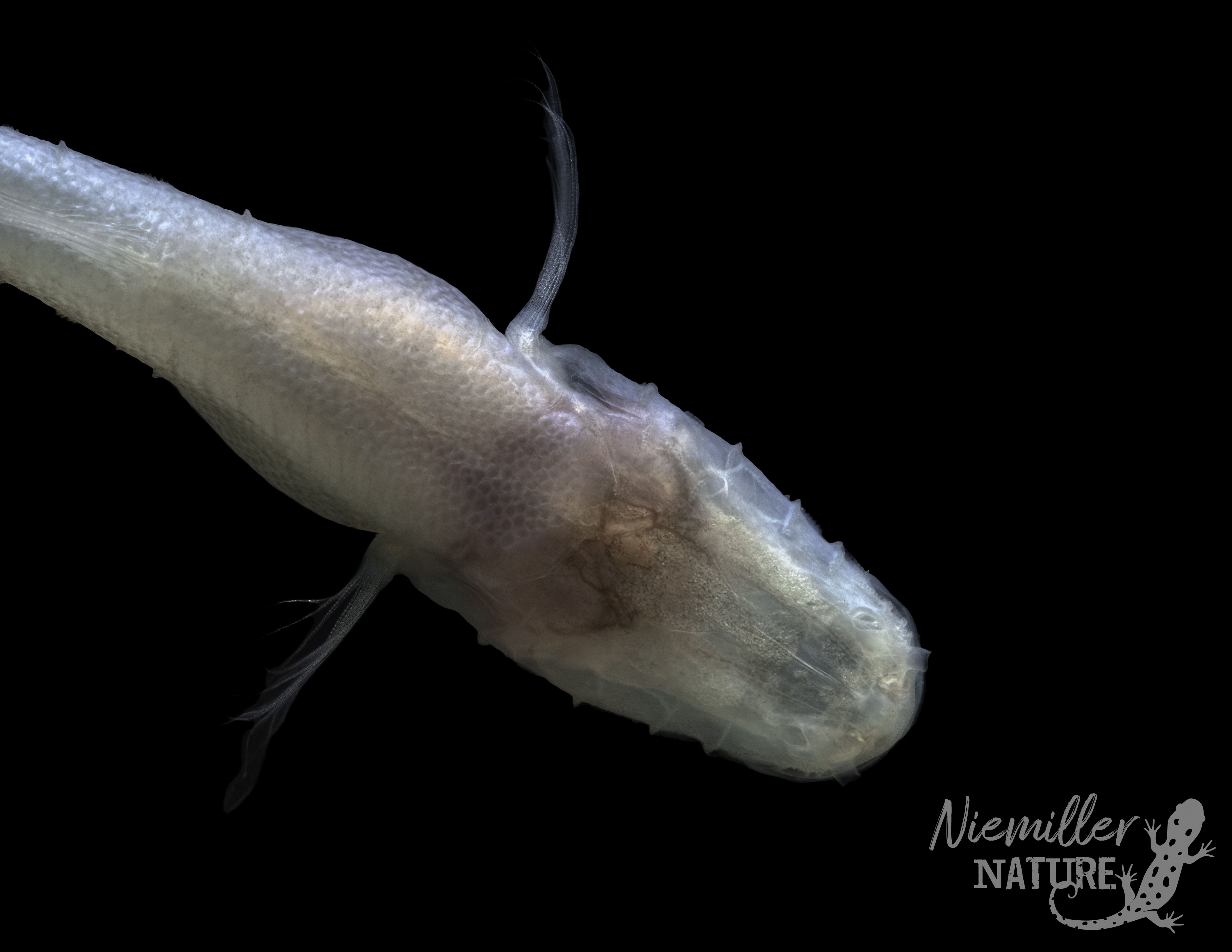
What they're saying: "I'm an '80s kid from Indiana, so 'Stranger Things' resonates," Niemiller tells Axios. "It fits so well."
Catch up quick: In February 2025, Niemiller and other researchers were on a routine trip to photograph cavefish in Bobcat Cave, in an area called the "shrimp room" where scientists have made regular trips to monitor the Alabama cave shrimp for decades.
- "I slipped and fell into a pool," Niemiller says. "And in my clumsiness, I spooked a cavefish from under a shelf."
- He took some photos and video of that cavefish that he wouldn't process until about a week later. When he did, he noticed the fish looked different from the already known Southern cavefish.
How it works: Niemiller sent the photos to some colleagues and started to catalogue the differences between it and the Southern cavefish, including the different head shape and fin rays.
- He went back and caught a couple specimens and looped in more scientists like Hart and Michael Sandel to help catalog the morphological and molecular differences of the demon cavefish.
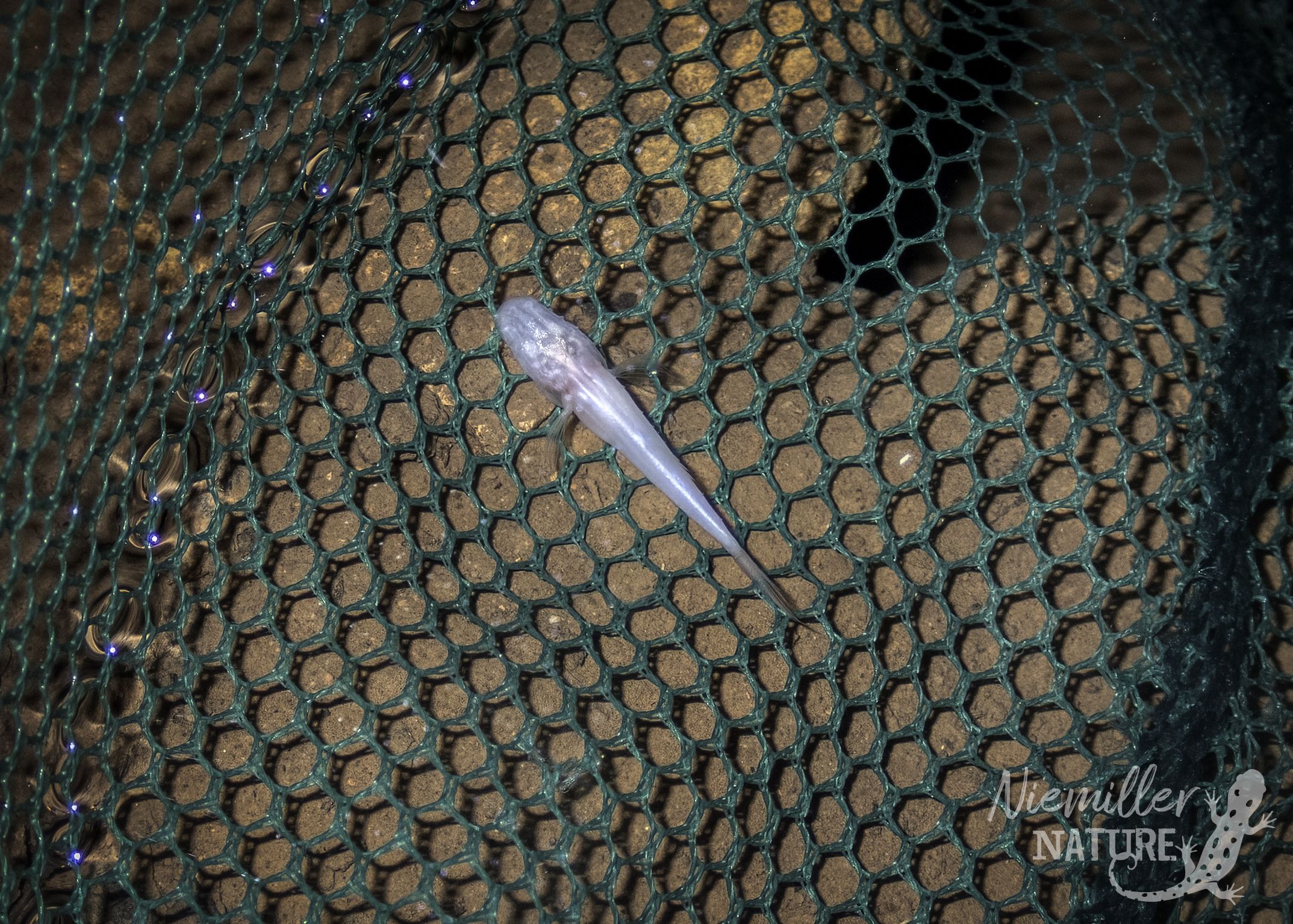
Context: The discovery means that two cavefish species, essentially the apex predators of the subterranean environment, coexist in the small cave.
- "It's really bizarre that two top-level predators" would be in the cave side by side, having evolved independently over 10 million to 13 million years, Niemiller says.
What we're watching: This cave system itself is not necessarily under threat, but it is susceptible to issues of groundwater runoff from the surface.
- And while urbanization and military organizations get a bad rap, Niemiller says, in this case the arsenal is serving as a sort of buffer zone underscoring the importance of preserving land through organizations like the Land Trust of North Alabama.