Celeste Bradley lost her limbs to sepsis. Now she's raising awareness.

Add Axios as your preferred source to
see more of our stories on Google.
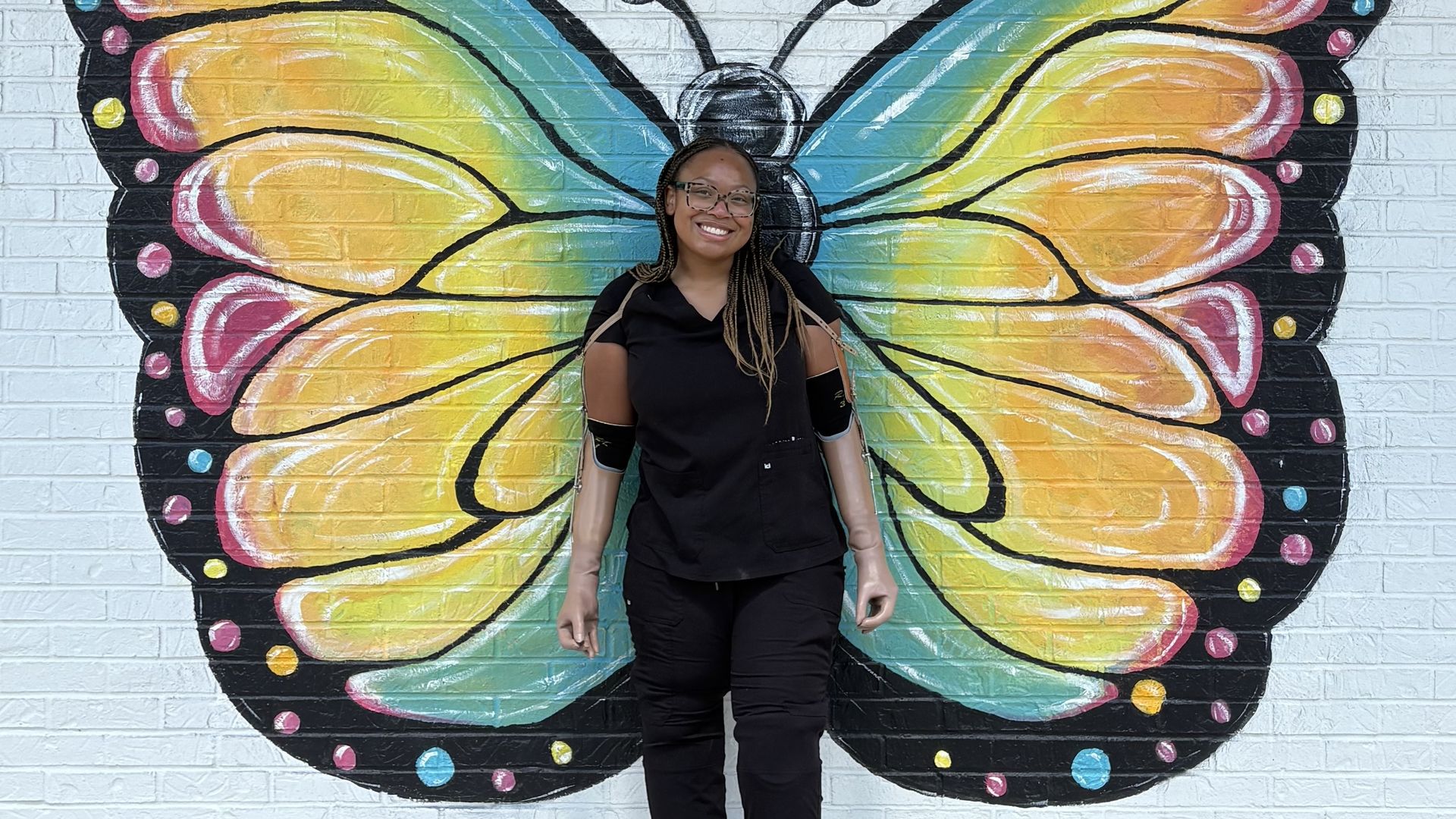
Getting mobile has "opened a world of opportunities for me," Bradley said. Photo: Courtesy of Celeste Bradley
Celeste Bradley is on a mission to raise awareness about sepsis.
Why it matters: After a routine procedure, the 25-year-old Madison County native developed sepsis and lost her hands and feet. Now, she's urging others — and Alabama hospitals — to be ready for it.
What they're saying: "I don't think people knew I was in septic shock when I arrived to the hospital, and time is so important when it comes to sepsis," she told Axios Huntsville.
- "I coded twice during this process," she said. "It changed my life in very drastic ways. I think it's really important that everyone is aware of the signs of sepsis, (because) once you go septic there's no going back."
Zoom out: Sepsis is when the body turns on itself while fighting infection — potentially leading to organ failure, septic shock or death.
- Bradley's TikTok posts spreading awareness about the condition are gaining traction online, including one post with roughly 4 million views and another at 1.5 million.
- She's also spotlighting the small number of care providers for amputees, and the need for true accessibility in public spaces.
Catch up quick: Now living in Madison, she's a Harvest native and graduate of Auburn University and Alabama A&M, and returned to work at her speech pathology job in June — months after falling ill following a Dec. 5 procedure.
- The support of friends and family helped her through the recovery, which involved being fitted for body-powered prosthetics for arms: either a hook or a hand that can only open or close.
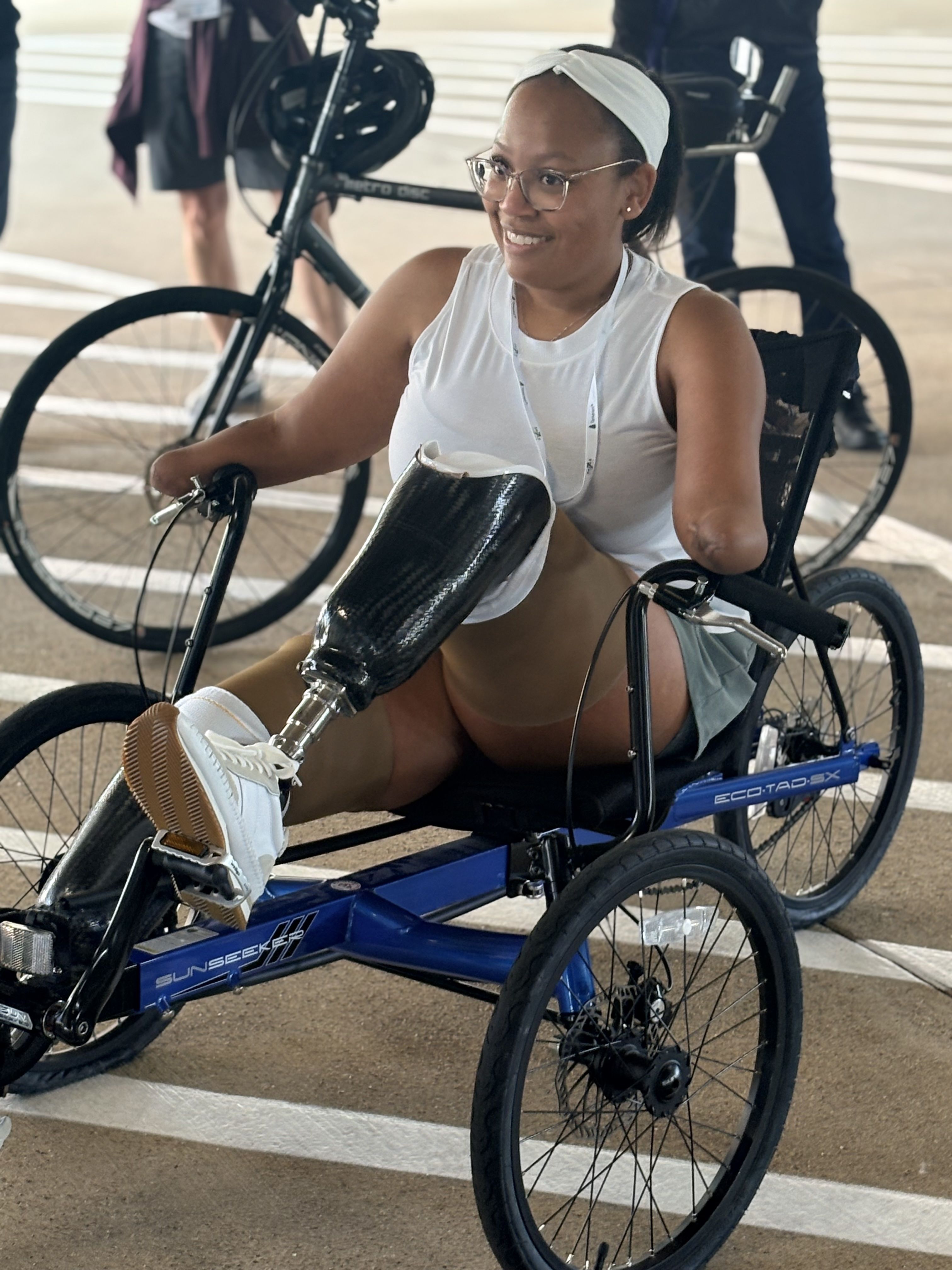
Zoom in: Now she's raising money for two myoelectric prosthetic hands that would allow her to perform different grip patterns, like using a key to unlock a door, she said, or hold a glass and not "have to sip my prosecco through a straw."
- Insurance won't cover the $230,000 bill for two hands, ruling them not medically necessary and experimental, Bradley said.
Driving the news: She's also pushing for more local resources, including extracorporeal membrane oxygenation (ECMO) machines, which use a pump to do the work of the heart and an oxygenator to do the work of the lungs.
- According to the nonprofit Extracorporeal Life Support Organization, the only machines in Alabama are in Birmingham. Otherwise, the closest machines to Huntsville are in Chattanooga and Nashville.
- A statement from Huntsville Hospital to Axios said the machines are a "highly specialized technology that is primarily available at academic medical centers that offer large transplant programs, such as UAB."
- Called the "highest level of life support," the machine is expensive and labor-intensive, per an NPR analysis during the COVID-19 pandemic.
The bottom line: "This many people living here and they don't have one single ECMO machine?" Bradley said. "Anyone can go into septic shock: I met a lady who had a paper cut and went septic. It's scary."